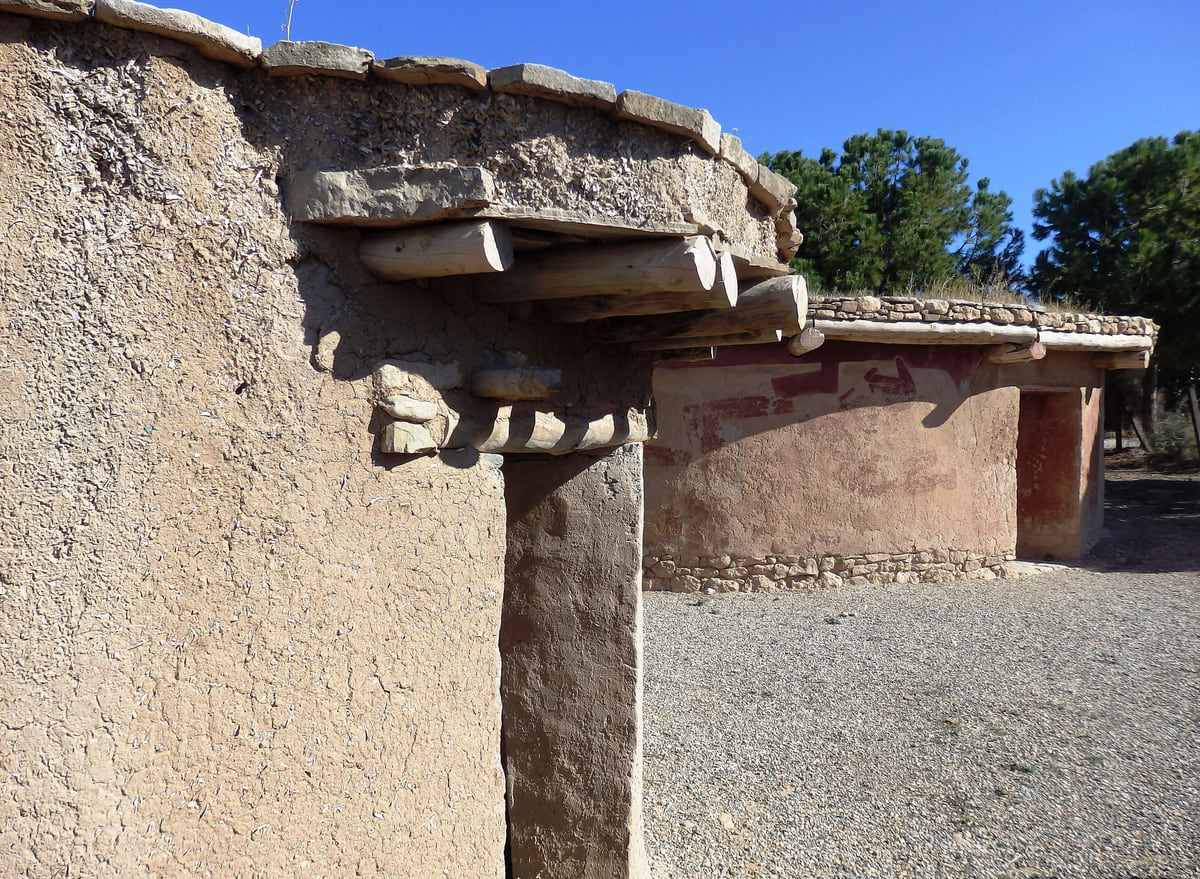
North coast of Paphos, near Chlorakas
Lempa, the rebuilt prehistoric village near Paphos

Lempa, also spelt Lemba, is a Cyprus village of 453 people a few kilometres north of Paphos, 80 m up among vegetable fields and banana groves. People come for the Chalcolithic settlement beside it, from 3900 to 2500 BC, excavated by the University of Edinburgh, where replicas of five round houses now stand. The figurine known as the Lady of Lemba came from here.
Is Lempa worth it?
It depends
It depends on your route. It's a short, curious stop with its replica Chalcolithic houses, but it isn't worth a trip on its own.
Who Lempa is for
Yes, if…
- Anyone touring the north Paphos coast
- Families with children curious about prehistory
Better not, if…
- Anyone after a major archaeological site
- Anyone without a car and in a hurry
Lempa doesn't take long, so I'd fold it into a morning along the north Paphos coast. What sets it apart is getting close to round houses from more than five thousand years ago, rebuilt with the materials of the time.
The essentials in a few lines
Full read: 2 min
- Lempa is a village a few kilometres north of Paphos.
- Beside it is a Chalcolithic settlement with five rebuilt houses.
- The Lady of Lemba, a cross-shaped stone figurine, came from here.
- Route 607 links it with Karavela station.
The practical bit
Before you go to Paphos district, this
-
01 Most beautiful
Houses over 5,000 years old
The five rebuilt houses were raised with the same materials and techniques as in the Chalcolithic, according to the Pafos tourism board.
-
02 Most beautiful
The Lady of Lemba
Lempa yielded cross-shaped female figurines carved in stone; the best known, the Lady of Lemba, is linked with fertility.
-
03 Worth the splurge
An artists' village
Lempa is the Cultural Village of Cyprus, with residency programmes for artists and facilities for art students.
-
04 Getting there
On the Aphrodite Cultural Route
The settlement is part of the Aphrodite Cultural Route, which links the places of the myth around Paphos, such as the sanctuary at Palaepaphos.
sanctuary of Aphrodite at Palaepaphos
Bookings I would make
Lempa is one of those places that show just how old the Paphos area is. A small village among vegetable plots and, beside it, a settlement of round houses built more than five millennia ago. Here’s what you’ll find and how to reach it. The surrounding area is in Paphos district.
The Chalcolithic settlement and its round houses
Excavations by the University of Edinburgh’s School of Archaeology uncovered an important Chalcolithic settlement dated from 3900 to 2500 BC; another page from the same board puts it around 3500 BC. Today you can see the foundations of several houses and replicas of five round dwellings, built with the same materials and techniques as back then, which gives a far better sense of scale than foundations alone ever could. The settlement is part of the Aphrodite Cultural Route.
The Lady of Lemba
The excavations also found several cross-shaped female figurines carved in stone. The best known is the Lady of Lemba, which the tourism board links with fertility, nature and the origins of the goddess tradition on the island, the same cult that centuries later had its great sanctuary at Palaepaphos.
To understand the period, the Paphos Archaeological Museum has a Chalcolithic room with finds from Lempa-Lakkoi, Kissonerga and Souskiou, including picrolite cruciform figurines.
If you are staying the night, see the best hotel deals in Paphos for your dates: the well-placed rooms go fast.
Lemba village
The Pafos tourism board describes Lempa as a village 80 m up, among fertile fields of vegetables and banana groves, with views of the Mediterranean and a few kilometres from Paphos. In the 2021 census it had 453 residents. It’s considered one of the oldest villages on the island, as it’s thought to have been settled in the Chalcolithic, long before the Greek and Roman cities on the coast.
Today it’s also the Cultural Village of Cyprus, with facilities to host artists and students and residency programmes meant to take the village’s art beyond the island.
Getting to Lemba
Pafos Buses route 607 leaves Karavela station and runs to Peyia via Chlorakas, Lempa and Kissonerga, with six departures on weekdays and four on Saturdays; some start and end at Akoursos. I haven’t found official visiting hours for the settlement, so it’s worth asking in the village. In the hills behind, about 5 km as the crow flies, lie Tala and Agios Neophytos monastery, built around a hermit’s cave. The village church, Agios Stefanos, was rebuilt on the foundations of a smaller one and consecrated in October 2012; its feasts fall on 27 December and 2 August. Coming by bus, the 607 also continues past Lempa to Kissonerga and Peyia, so you can carry on along the coast afterwards. To sleep nearby, look at Paphos.
So you do not lose the morning at the ticket office, browse tickets and tours in Lempa on GetYourGuide.
If you would rather go at your own pace, see the car hire deals in Paphos: the earlier you book, the more cars are left to choose from.
If you are staying the night, see the best hotel deals in Paphos for your dates: the well-placed rooms go fast.
Lempa at a glance
| Fact | Value |
|---|---|
| Date of the settlement | Chalcolithic, 3900-2500 BC (around 3500 BC per another page) |
| Excavated by | School of Archaeology, University of Edinburgh |
| What you see | House foundations and replicas of five dwellings |
| Village altitude | 80 m |
Pafos Regional Board of Tourism, checked on 4 October 2026. The board's two pages give different dates.
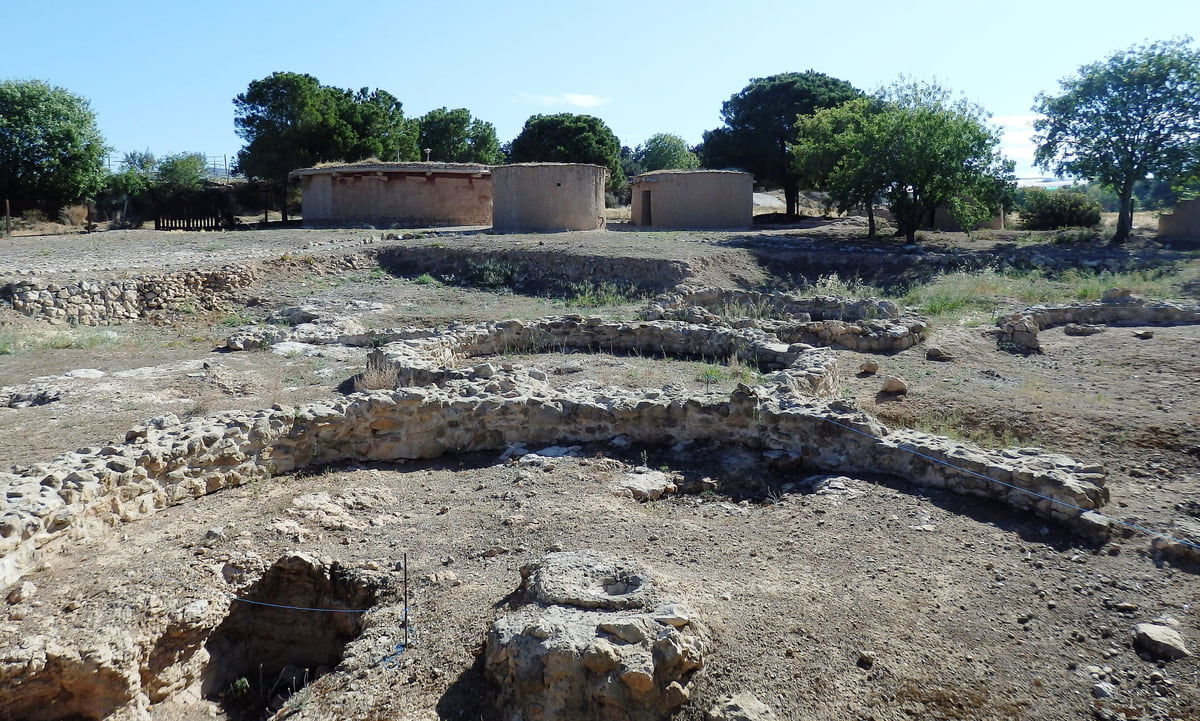
Circular stone foundations of the Chalcolithic settlement at Lempa in the foreground, with three reconstructed round houses behind
Test yourself
What people often get wrong about Lempa
0/3 Pick before you peek.
-
The Lempa settlement dates from Roman times.
See the answer
False. It's Chalcolithic, from 3900 to 2500 BC, according to the Pafos tourism board.
-
The Lempa houses were rebuilt with materials of the period.
See the answer
True. The five replicas were made with the same materials and building techniques as in the Chalcolithic.
-
Lempa is known as an artists' village.
See the answer
True. It's the Cultural Village of Cyprus, with programmes to host artists and students.
- Residents in 2021
- 453
- Settlement begins
- 3900 BC
- Rebuilt houses
- 5
- Village altitude
- 80 m
Map
Where Lempa is
The grey strip with green dashes across the island is the UN buffer zone, the Green Line; to the north is the part of the island not under the control of the Government of the Republic. The Troodos fill the centre and west. Every number opens its guide.
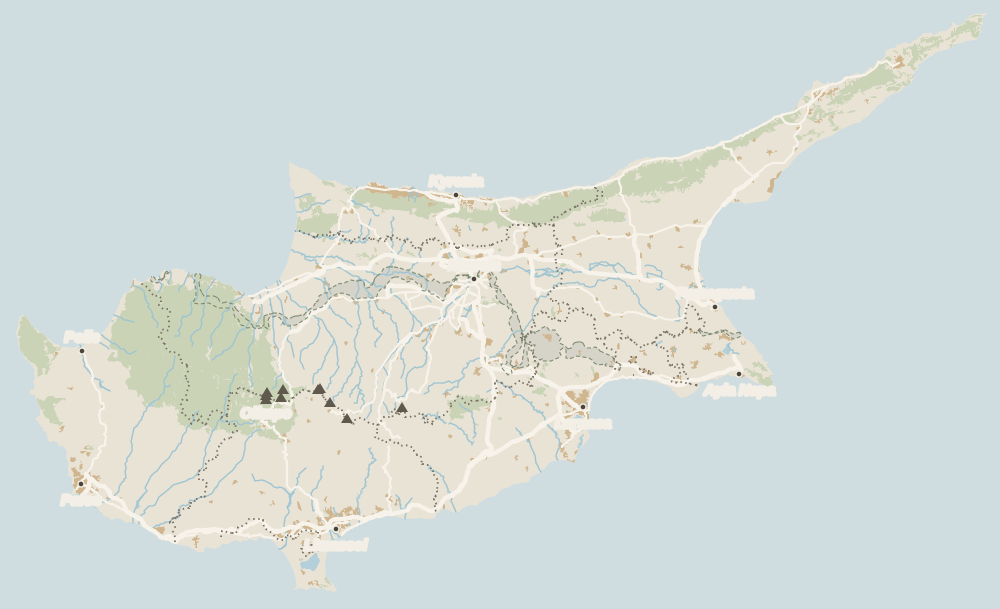 1Paphos district 2Paphos 3Geroskipou 4Peyia (Pegeia) 5Akamas peninsula 6Polis Chrysochous 7Latchi 8Aphrodite's Rock 9Palaepaphos (Kouklia) 10Kathikas 11Drouseia 12Ineia 13Diarizos Valley 14Pano Panagia 15Agios Neophytos Monastery 16Tala 17Lempa 18Kritou Terra 19Lysos 20Pomos 21Cedar Valley
Map data © OpenStreetMap contributors (ODbL)
- 1Paphos districtOne of Cyprus's six districts
- 2PaphosMain town of Paphos district
- 3GeroskipouSeat of Ierokipia municipality
- 4Peyia (Pegeia)Akamas municipality, Paphos district
- 5Akamas peninsulaNatura 2000, Paphos district
- 6Polis ChrysochousThe hub of north-west Paphos district
- 7LatchiPolis Chrysochous, Paphos district
- 8Aphrodite's RockSouth coast of Paphos district
- 9Palaepaphos (Kouklia)UNESCO World Heritage, Paphos site II
- 10KathikasLaona plateau, Paphos district
- 11DrouseiaLaona plateau, Paphos district
- 12IneiaLaona plateau, Paphos district
- 13Diarizos ValleyPaphos district
- 14Pano PanagiaPaphos hills, Paphos district
- 15Agios Neophytos MonasteryNear Tala, 10 km from Paphos
- 16TalaPaphos hills, 11 km from town
- 17LempaNorth coast of Paphos, near Chlorakas
- 18Kritou TerraLaona plateau, above Chrysochou Bay
- 19LysosPaphos hills, east of Polis
- 20PomosNorth-west coast of Paphos district
- 21Cedar ValleyPaphos forest, no bus
What people ask most about Lempa
Where is Lempa?
A few kilometres north of Paphos, near the coast, between Chlorakas and Kissonerga. The prehistoric settlement is on the edge of the village, according to OpenStreetMap.
What is the Lempa Chalcolithic settlement?
The remains of a village from 3900 to 2500 BC excavated by the University of Edinburgh, with replicas of five round houses built with the materials and techniques of the time.
What is the Lady of Lemba?
A cross-shaped female figurine carved in stone in the Chalcolithic, which the Pafos tourism board links with fertility, nature and the roots of the goddess tradition on the island.
How do you get to Lempa by bus?
On Pafos Buses route 607, which runs from Karavela station to Peyia via Chlorakas, Lempa and Kissonerga, six times on weekdays and four on Saturdays.
What is there to see in Lempa?
The Chalcolithic settlement with its five rebuilt houses and excavated foundations, the church of Agios Stefanos and the artists' village atmosphere of the Cultural Village of Cyprus.
0 of 424 Cyprus guides
Your next stamp
- Palaepaphos (Kouklia)
- Kalavasos
- Kato Paphos
- Tala
- Paphos Archaeological Park
- Agia Solomoni Catacomb
- Paphos Archaeological Museum
- Almyra Hotel
- Anassa Hotel
- Anastasia Beach
- Aphrodite Hills Resort
- Apostolos Andreas
- Bellapais Abbey
- Cap St Georges
- Church of St Lazarus
- Columbia Beach Resort
- Commandaria
- Coral Beach Hotel
- Cypriot food
- Dome Beach
- Four Seasons Limassol
- Golden Bay
- Grecian Park
- Hilton Nicosia
- Kourion
- Kyrenia Castle
- Larnaca
- Lefkara lace
- Limassol
- Limassol Carnival
- Meze
- Omodos
- Panagia Angeloktisti
- Places to visit
- Selimiye Mosque
- Soli
- St Barnabas Monastery
- Weather
- Wine routes
- Atlantica Miramare
- Büyük Han
- Cheap eats
- Cyprus in winter
- Finikoudes
- Halloumi
- Kantara Castle
- Kataklysmos
- Limassol Castle
- Narcissos
- Nissi Beach Resort
- Olympic Lagoon Paphos
- Othello Tower
- Sanctuary of Apollo Hylates
- Sea temperature
- Things to do
- Vouni
- Vouni Palace
- Alion Beach
- Cypriot desserts
- Cyprus in spring
- Elias Beach
- Golden Coast
- Koilani
- Kolossi Castle
- Lala Mustafa Pasha Mosque
- Larnaca Castle
- Leonardo Laura Beach
- Limassol old town
- Limassol Wine Festival
- Most beautiful places
- Souvla
- St Hilarion Castle
- Arsos
- Buffavento Castle
- Crystal Springs
- Cypriot wine
- Cyprus in summer
- Easter in Cyprus
- Episkopi
- Kition
- Kleftiko
- Limanaki Beach
- Molos promenade
- Pafos Aphrodite Festival
- Pagona
- Prettiest villages
- St Raphael Resort
- Adams Beach
- Akrotiri peninsula
- Alasia Hotel
- Bellapais
- Cyprus in autumn
- Elysium Hotel
- Green Monday
- Independence Day
- Limassol Marina
- Pierides Museum
- Sheftalia
- Sunrise Pearl
- UNESCO World Heritage
- Vasa Koilaniou
- Akrotiri salt lake
- Amathus Beach
- Christmas
- Cyprus in January
- Grecian Bay
- Larnaca Archaeological Museum
- Limassol old port
- Lofou
- Map
- Venus Beach Hotel
- Vrissiana
- Asterias Beach
- Capo Bay
- Cypriot coffee
- Cyprus in February
- Kamares Aqueduct
- Kefalos Beach
- Lania
- Limassol Archaeological Museum
- Parklane
- St Nicholas of the Cats
- Where is Cyprus
- Alexander the Great
- Carob Mill
- Cyprus in March
- Districts
- Hala Sultan Tekke
- Lady's Mile
- Tsokkos Gardens
- Zivania
- Beer
- Cavo Maris
- Cyprus in April
- Germasogeia
- King Evelthon
- Larnaca Salt Lake
- Pissouri
- Towns and villages
- Amathus
- Anogyra
- Athena Beach
- Cyprus in May
- Mackenzie beach
- Population
- Archaeological sites
- Cyprus in June
- King Jason
- Limassol beaches
- Size
- Zenobia wreck
- Aliathon Resort
- Castles in Cyprus
- Cyprus in July
- Governor's Beach
- Languages
- Larnaca beaches
- Annabelle Hotel
- Cyprus in August
- Monasteries in Cyprus
- Name
- Azia Resort
- Cyprus in September
- Museums in Cyprus
- Capital Coast Resort
- Cyprus in October
- Pyla
- Cyprus in November
- Kiti
- Cyprus in December
- Lefkara
- Choirokoitia
- Tochni
- Flag
- How to get there
- Krasochoria
- Salamis
- Aphrodite
- Flights
- Karpas Peninsula
- Stavrovouni Monastery
- Kornos
- Larnaca Airport
- Limassol District
- Larnaca district
- Paphos Airport
- Pyrga
- Airport transfers
- Athienou
- Ferry
- Odou
- Cruises
- Kato Drys
- Getting around
- Vavla
- Buses
- Zygi
- Psematismenos
- Taxis
- Agios Irakleidios
- Car hire
- Paphos district
- Driving
- Paphos
- Parking
- Cycling
- Paphos old town (Ktima)
- Road trip
- Distances
- Tombs of the Kings
- Agia Kyriaki and St Paul's Pillar
- Paphos Byzantine Museum
- Paphos beaches
- Geroskipou
- Cyprus Wine Museum
- Greek or Turkish?
- Peyia (Pegeia)
- Coral Bay
- History
- Sea caves, Peyia
- The division
- Agios Georgios, Peyia
- Political system
- Akamas peninsula
- Religion
- Blue Lagoon, Akamas
- Public holidays
- Baths of Aphrodite
- Time
- Currency and payments
- Lara beach
- Avakas Gorge
- EU and Schengen
- Entry requirements
- Polis Chrysochous
- Facts
- Latchi
- Neo Chorio
- Aphrodite's Rock
- Paphos Castle
- Kathikas
- Drouseia
- Ineia
- Diarizos Valley
- Pano Panagia
- The north
- Where to eat
- Where to stay
- Chrysorrogiatissa Monastery
- Crossing to the north
- Hotels in Ayia Napa
- Agios Neophytos Monastery
- Green Line
- Hotels in Protaras
- British bases
- Hotels in Limassol
- Ercan airport
- Hotels in Larnaca
- Hotels in Paphos
- Hotels in the north
- Pano Arodes
- Hotels in Coral Bay
- Kritou Terra
- Kyrenia district
- Hotels in Polis and Latchi
- Kyrenia
- Lysos
- Hotels in Nicosia
- Lapithos
- Pomos
- Cedar Valley
- Hotels in the Troodos
- Ayia Napa
- Best time to visit
- Famagusta district
- Luxury hotels
- North Nicosia
- Agrotourism
- All-inclusive hotels
- Famagusta
- Thalassa Museum
- Adults-only hotels
- Apartments
- Ayia Napa Monastery
- Varosha
- Ayia Napa Sculpture Park
- Family hotels
- Morphou
- Boutique hotels
- Nissi Beach
- Beachfront hotels
- Casinos in Cyprus
- Events
- Makronissos
- Ayia Napa sea caves
- Cheap hotels
- Love Bridge
- Villas
- Ayia Napa beaches
- Campsites
- Cape Greco
- Safety
- Konnos Bay
- Scams and pitfalls
- Cyclops Cave
- Healthcare
- Mobile and roaming
- Free things to do
- What to buy
- With a dog
- Accessible Cyprus
- Plugs
- Tipping
- Protaras
- Tourist information
- Fig Tree Bay
- Packing list
- Prices and budget
- Profitis Ilias Church
- Cyprus on a budget
- Protaras beaches
- Shopping
- Paralimni
- With kids
- Deryneia
- For couples
- Kokkinochoria
- Weddings
- Nightlife
- Sotira
- Liopetri
- Package holidays
- Day trips
- Frenaros
- Nicosia district
- Avgorou
- Boat trips
- Nicosia
- Jeep safari
- Venetian walls
- Famagusta Gate
- Ledra Street
- Laiki Geitonia
- Cyprus Museum
- Byzantine Museum, Nicosia
- St John's Cathedral
- Archbishop's Palace
- 3 days
- Museums in Nicosia
- 5 days
- Chrysaliniotissa
- Leventis Museum
- One week
- 10 days
- Leventis Gallery
- Kornesios house
- Two weeks
- National Struggle Museum
- Ömeriye Mosque
- Faneromeni Church
- Shacolas observatory
- Tamassos
- Idalion
- Machairas Monastery
- Fikardou
- Lythrodontas
- Tilliria
- Kato Pyrgos
- Troodos Mountains
- Mount Olympus
- Troodos Square
- Skiing in Cyprus
- Troodos Geopark
- Painted churches of Troodos
- Kykkos Monastery
- Makarios's tomb
- Trooditissa Monastery
- Platres
- Prodromos
- Foini
- Treis Elies
- Marathasa valley
- Solea valley
- Agios Nikolaos tis Stegis
- Panagia Asinou
- Panagia Podithou
- Archangelos Michael, Pedoulas
- Panagia tou Moutoulla
- Agios Ioannis Lampadistis
- Kalopanayiotis
- Pedoulas
- Moutoullas
- Kakopetria
- Galata
- Evrychou
- Pitsilia
- Stavros tou Agiasmati
- Panagia tou Araka
- Timios Stavros, Pelendri
- Transfiguration church, Palaichori
- Palaichori
- Askas
- Lagoudera
- Polystypos
- Alona
- Agros
- Kyperounta
- Louvaras
- Hiking in Cyprus
- Artemis Trail
- Atalante Trail
- Persephone Trail
- Teisia tis Madaris
- Waterfalls in Cyprus
- Caledonia Waterfall
- Nature parks in Cyprus
- Viewpoints in Cyprus
- Cyprus beaches
- Diving in Cyprus
- Water sports in Cyprus
- Water parks in Cyprus
- Golf in Cyprus
- Mazotos Camel Park

Questions about Lempa? Write to me
If something does not add up or a fact is missing, write to me and I will answer myself.
My email sergiolepone@gmail.com
By
Tourism graduate with a master’s in Tourism Management and Planning from the University of Málaga, who has travelled across Europe. He writes every guide from official sources and his own judgement.
Published on . Updated on . Facts checked on .
Sources
- Pafos Regional Board of Tourism, rural Pafos (Lempa)
- Pafos Regional Board of Tourism, myths and legends (Lemba)
- Pafos Regional Board of Tourism, Pafos District Archaeological Museum
- Metropolis of Paphos, Agios Stefanos in Lempa (in Greek)
- Pafos Buses, route 607
- OpenStreetMap, Lempa prehistoric village
- CYSTAT, 2021 population census by locality
Some links in this guide are affiliate links: if you book through them, the site earns a commission at no extra cost to you. Affiliate disclosure
Photos: Hermann Junghans (CC BY-SA 3.0 de); Hermann Junghans (CC BY-SA 3.0 de), via Wikimedia Commons.