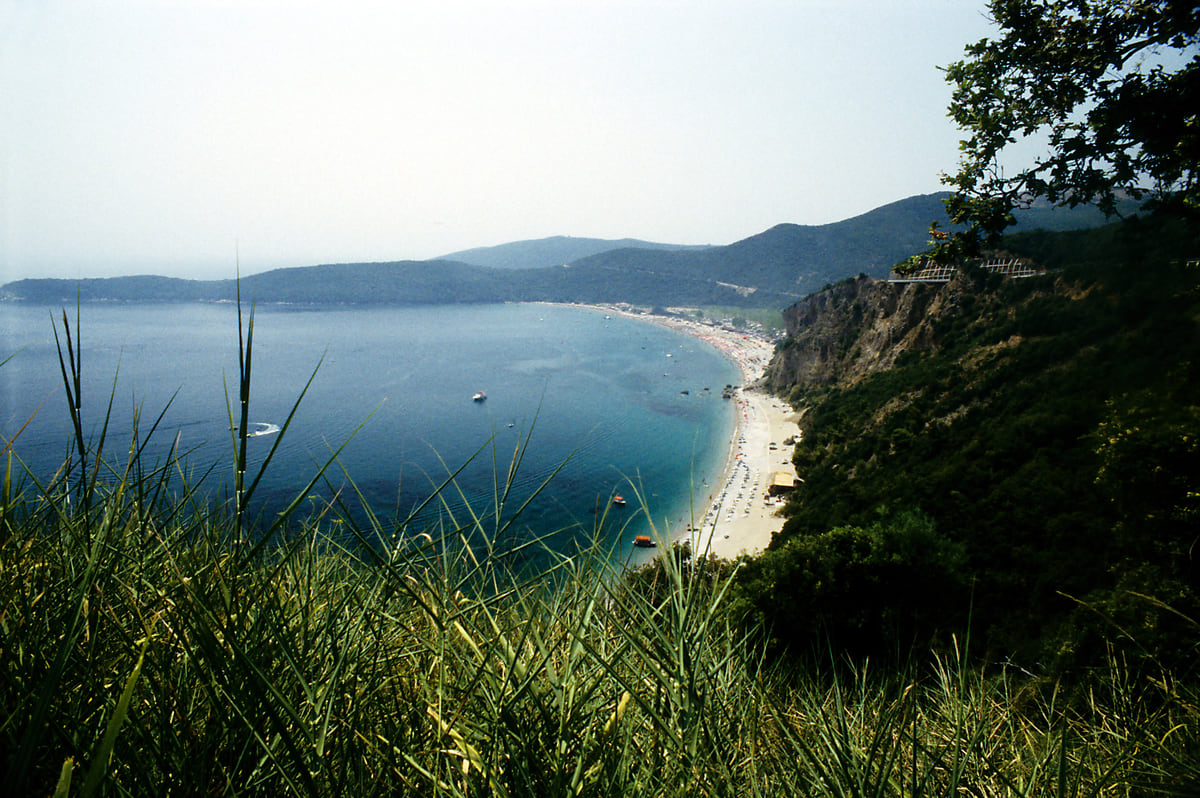
Montenegro is a Balkan country of 13,883 km² and 623,633 people (2023 census, MONSTAT), with 293.5 km of Adriatic coast. Podgorica is the capital and Cetinje the old royal capital. It uses the euro without being in the EU, it is not in the Schengen area, and UK visitors can stay 90 days in any 180 without a visa.
In 30 seconds
Full read: 4 min
Montenegro covers 13,883 km² and had 623,633 people in the 2023 census.
It uses the euro but is not in the EU or the Schengen area.
UK visitors can stay 90 days in any 180 without a visa, with a passport under 10 years old.
You drive on the right, and mountain roads are slow.
I wouldn't treat Montenegro as just the Bay of Kotor and Budva, which is how most package holidays sell it. Give it a week and split it between the coast and the north, because Durmitor and the Tara Canyon are a few hours' drive away and feel like a different country.
Sergio LeponeMy advice
Before you go
What I would keep in mind
01 Most beautiful
Two UNESCO listings around one bay
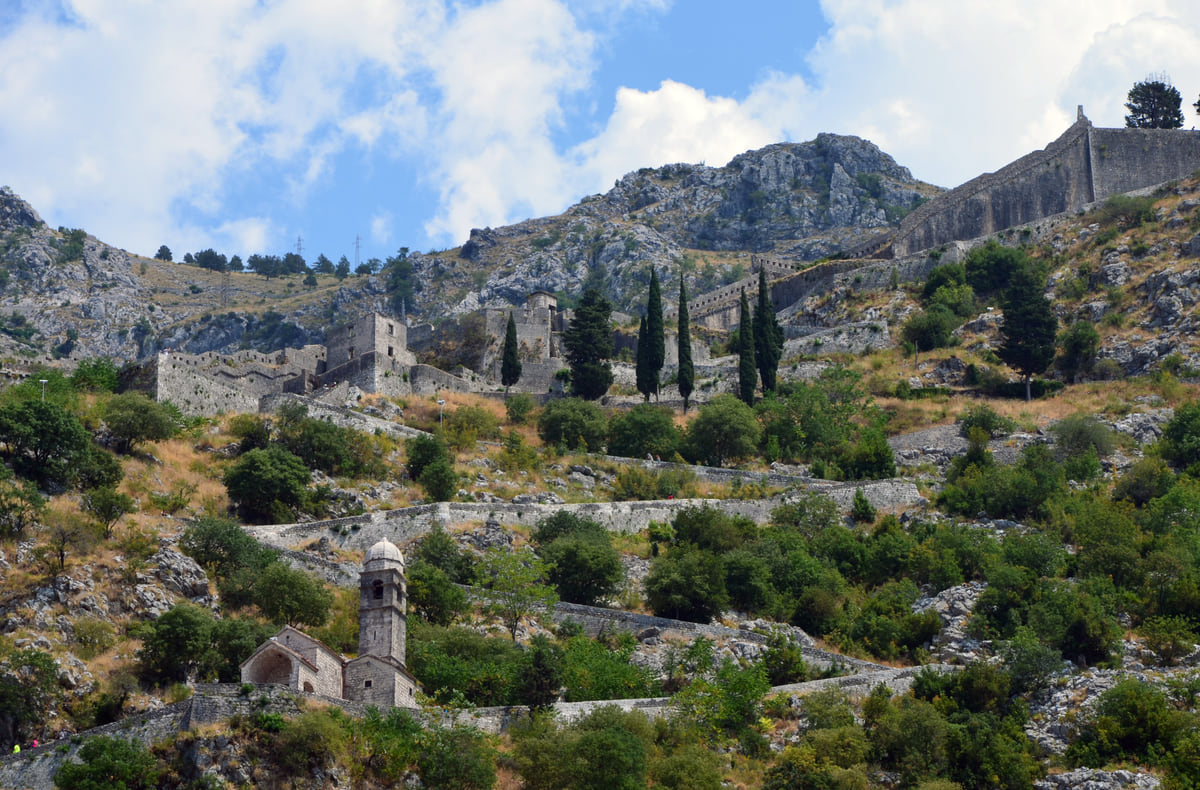
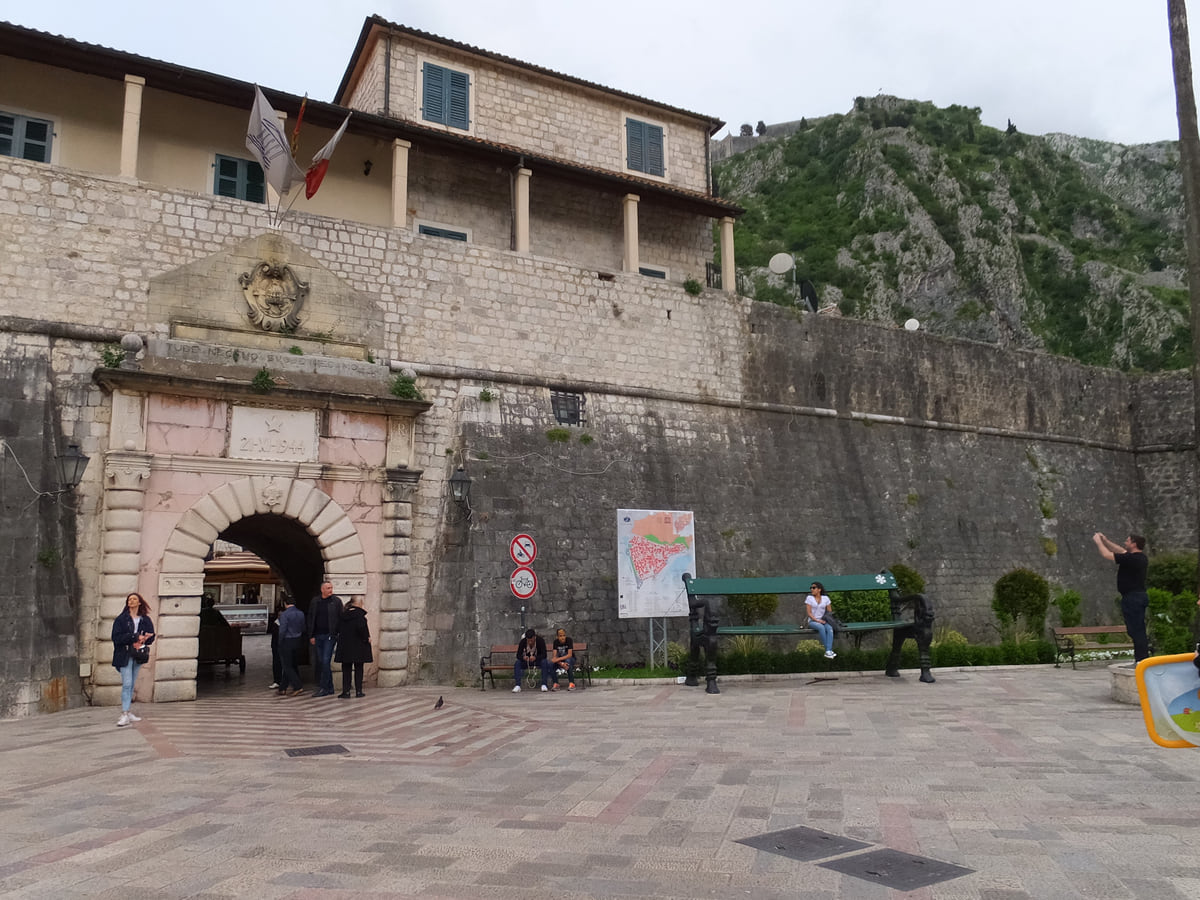
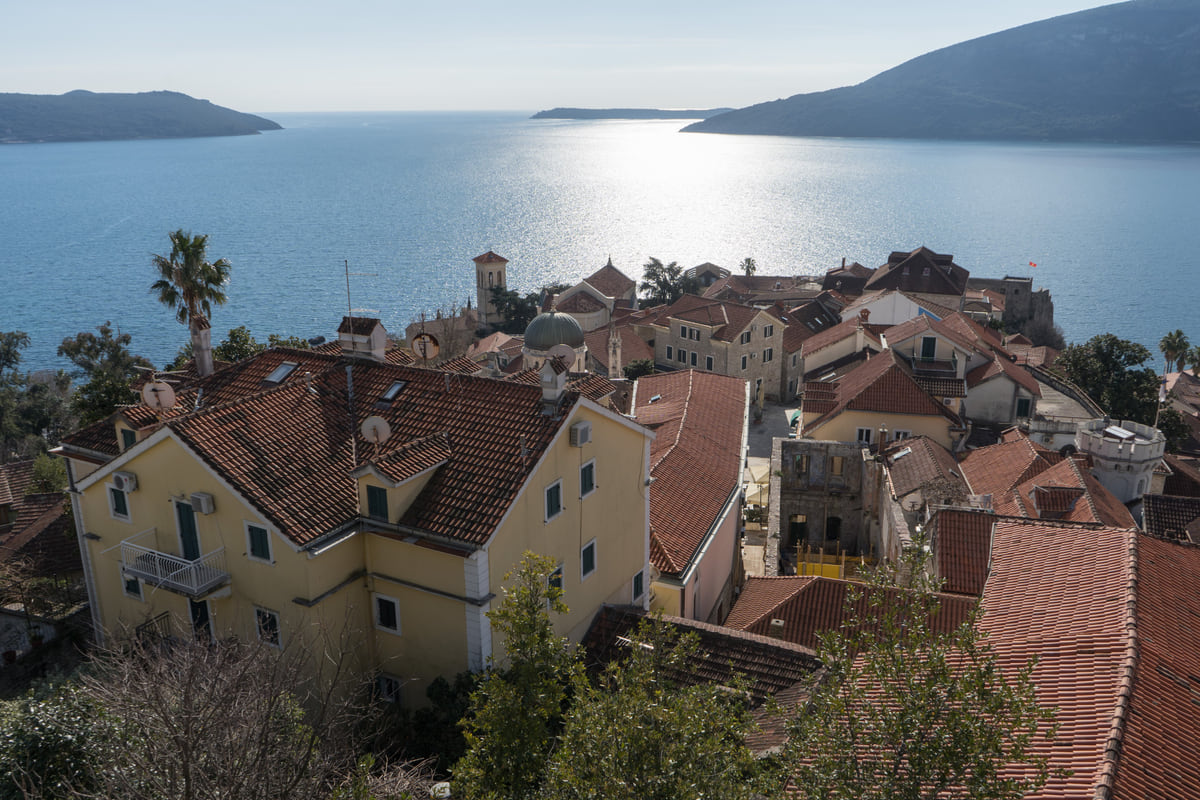
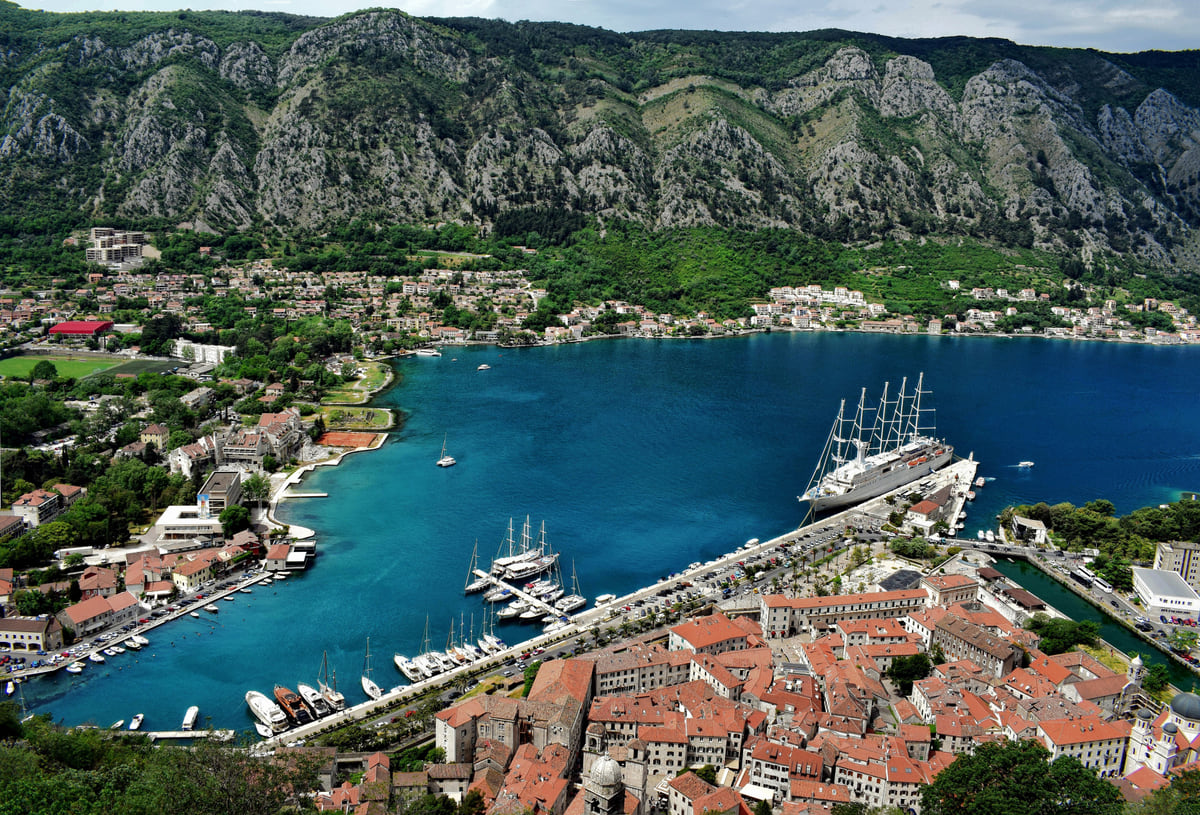
The Kotor region has been World Heritage since 1979, and the fortified city was listed again in 2017 with the Venetian defences. For me that alone justifies the trip, even on a long weekend.
The European Commission says Montenegro uses the euro as a de facto national currency with no agreement with the EU. No exchange to worry about, but don't assume EU-style roaming on your phone.
Montenegro recognises the GHIC, but gov.uk says you first need a certificate from the Montenegrin Health Insurance Fund. Without it you pay for treatment and can't claim the money back.
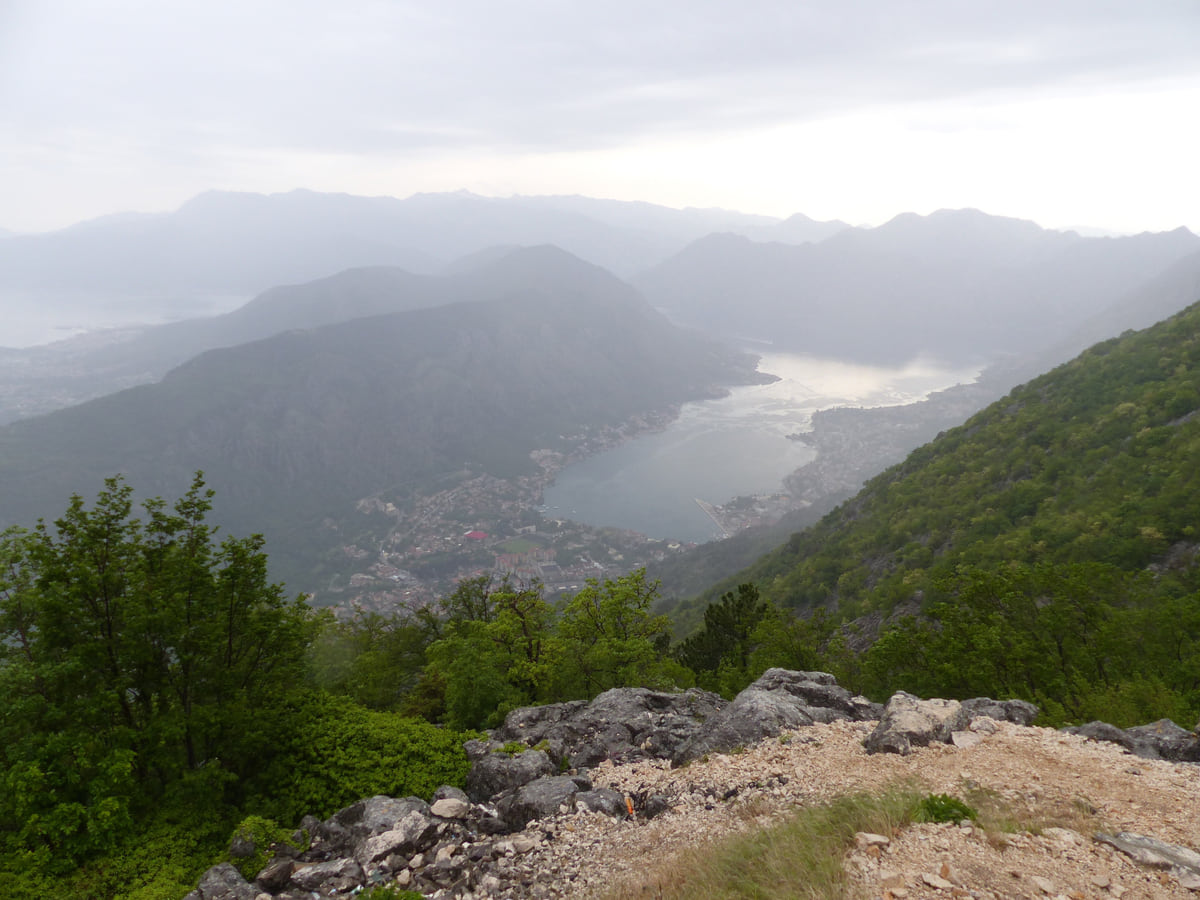
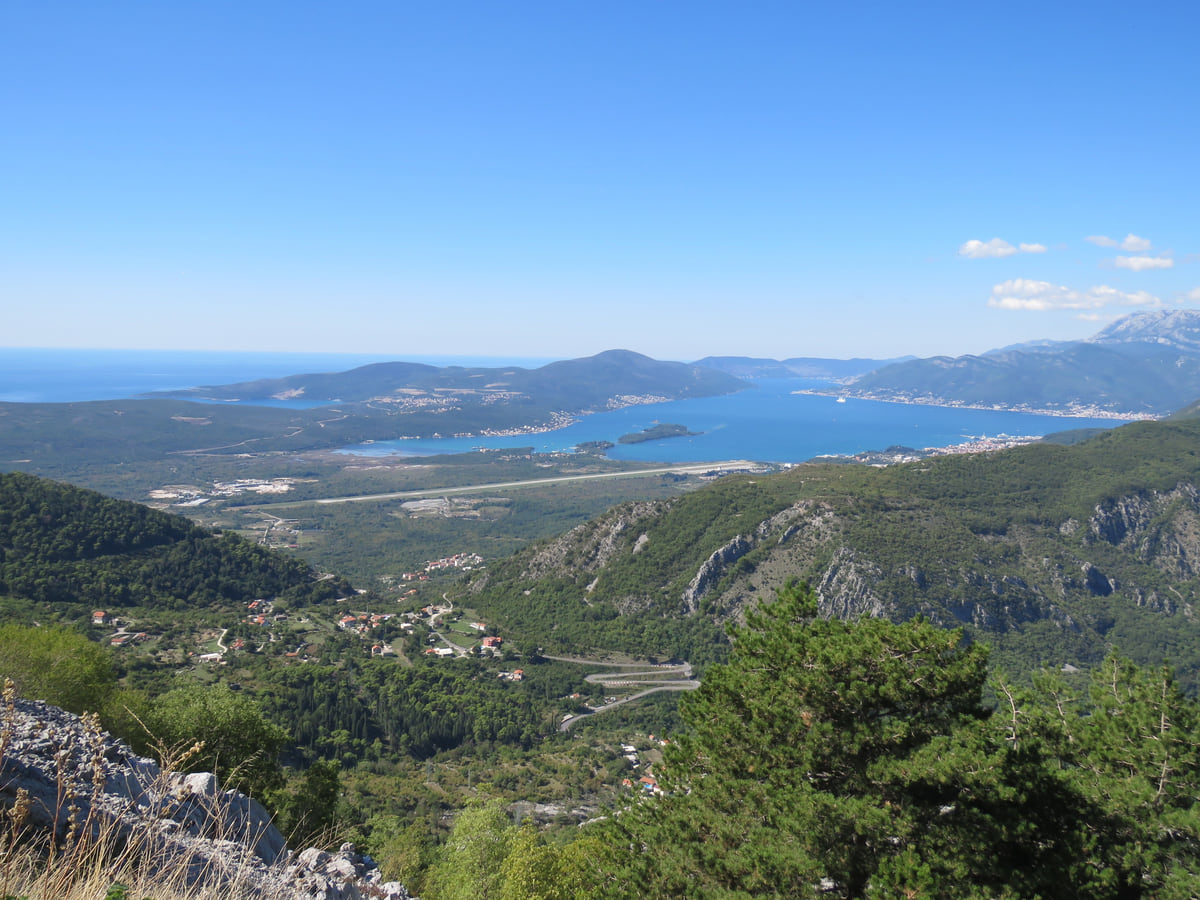
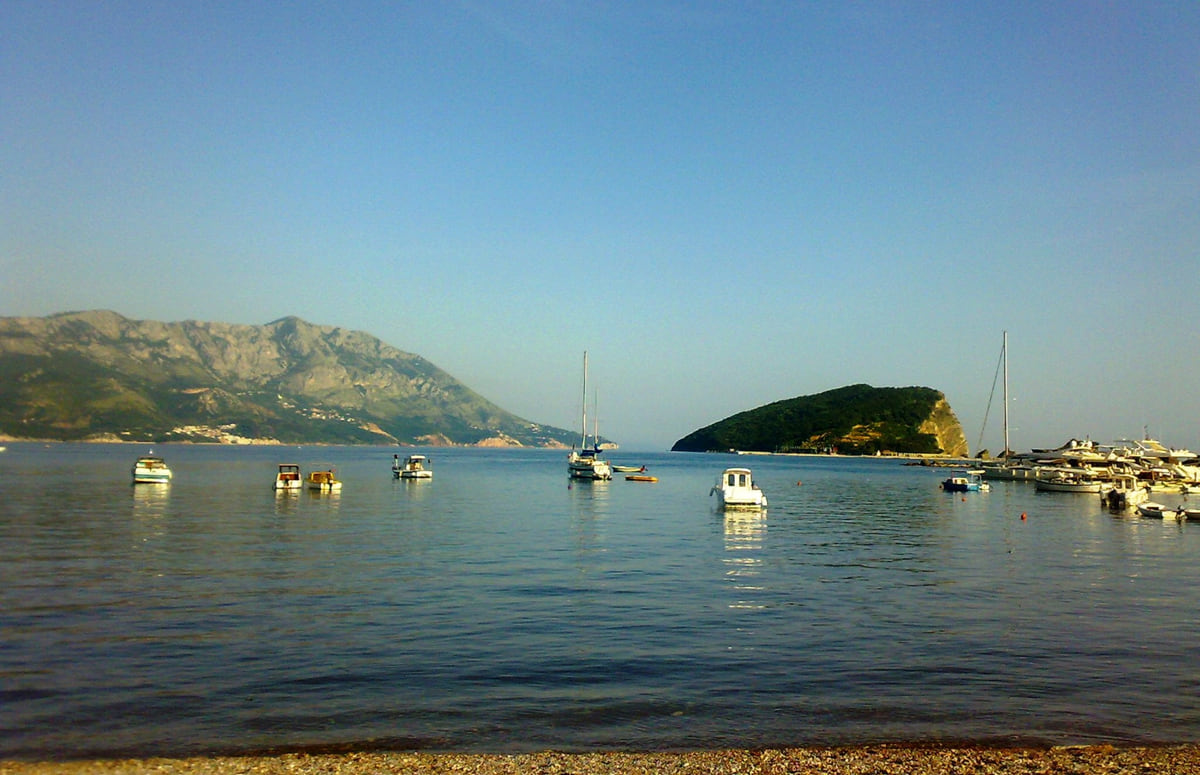
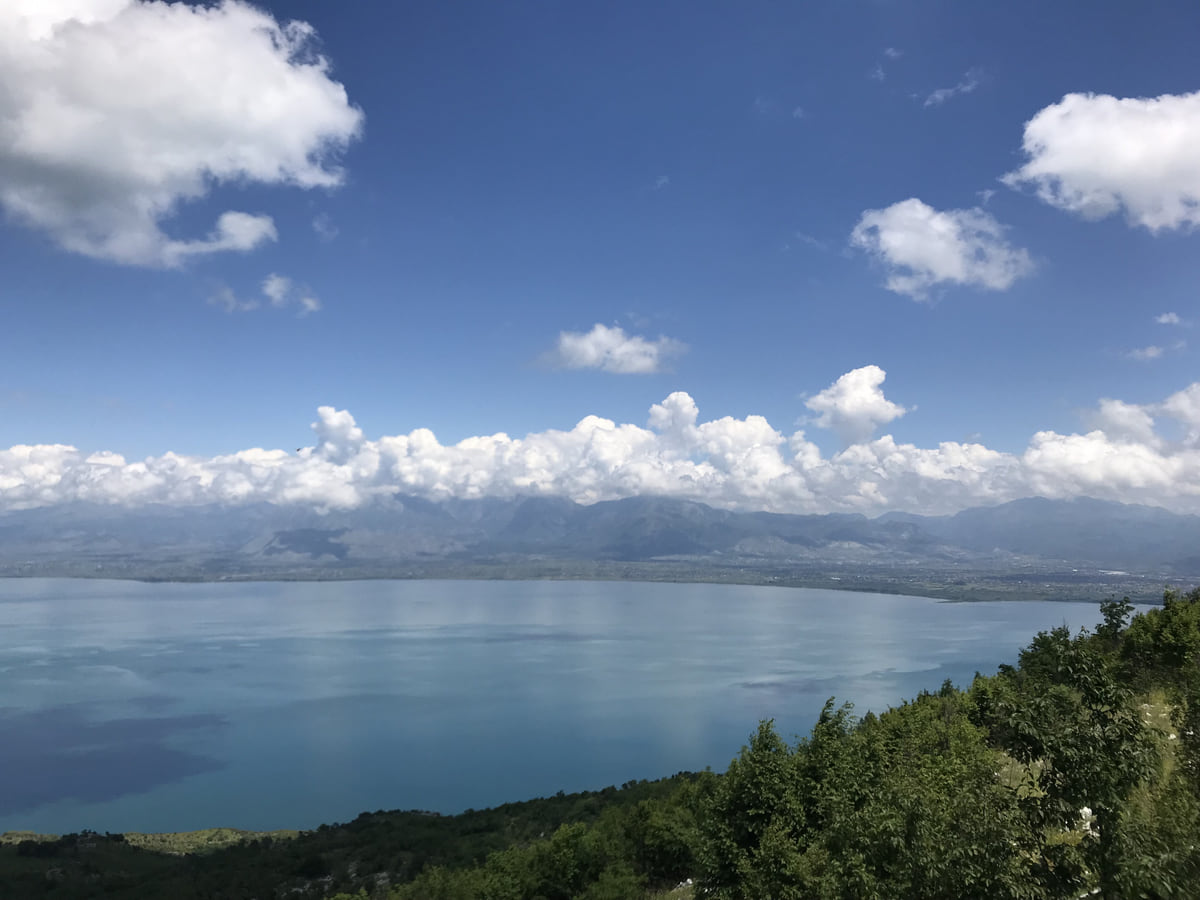
Montenegro looks tiny on the map and still takes some planning. Within 13,883 km² you have a bay ringed by mountains of almost 1,500 m, 293.5 km of coast with 117 beaches, Lake Skadar, which the National Tourism Organisation bills as the largest lake in the Balkans, and, two or three hours inland, canyons and peaks above 2,500 m. Here is how I would approach it, using figures from MONSTAT, gov.uk and the National Tourism Organisation.
A country of 623,633 people with two capitals
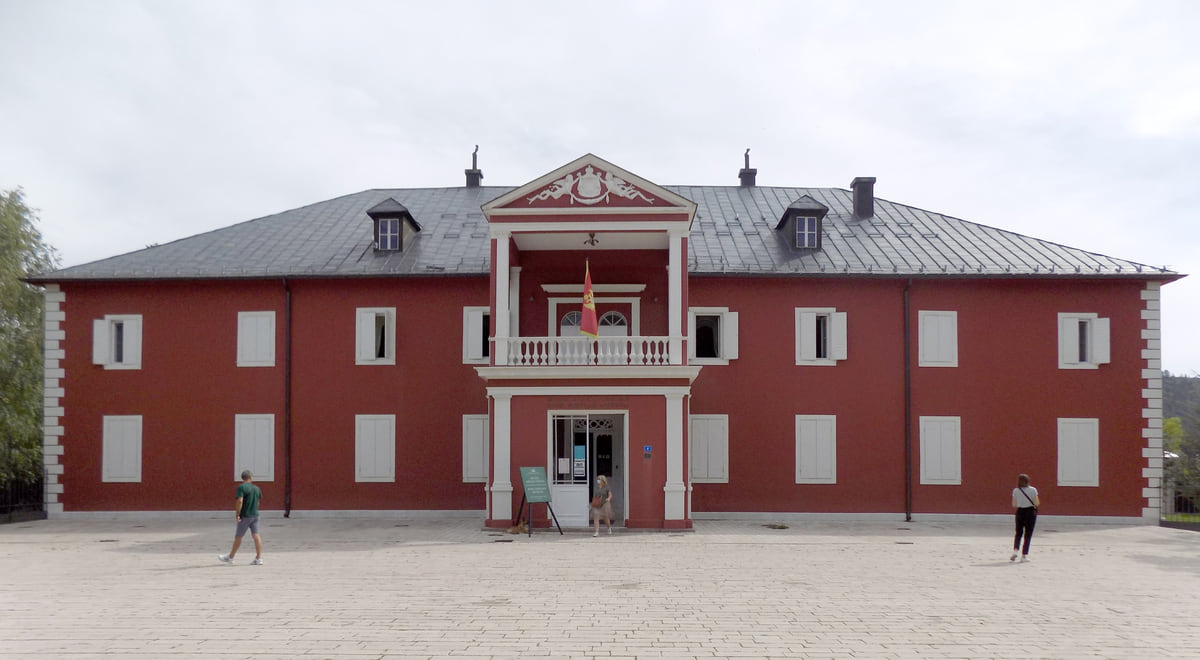
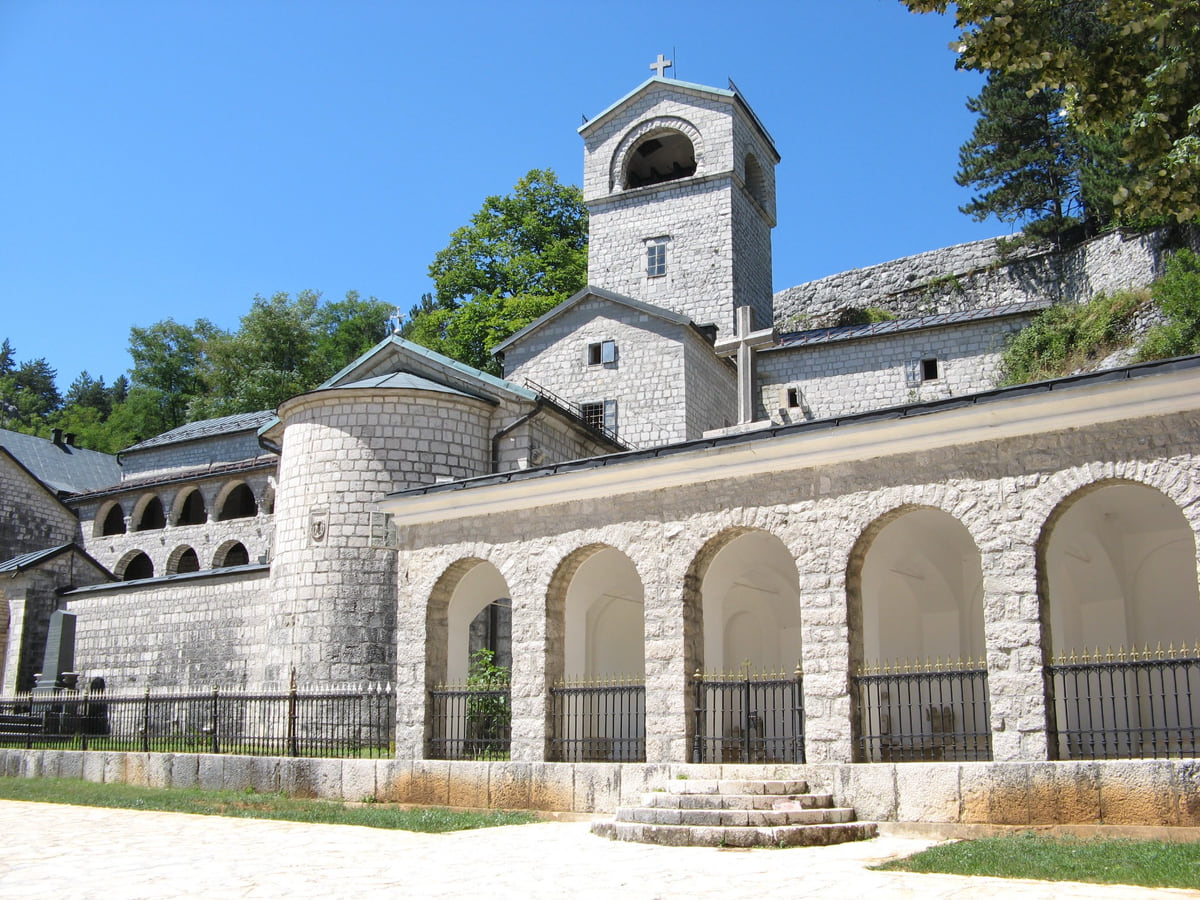
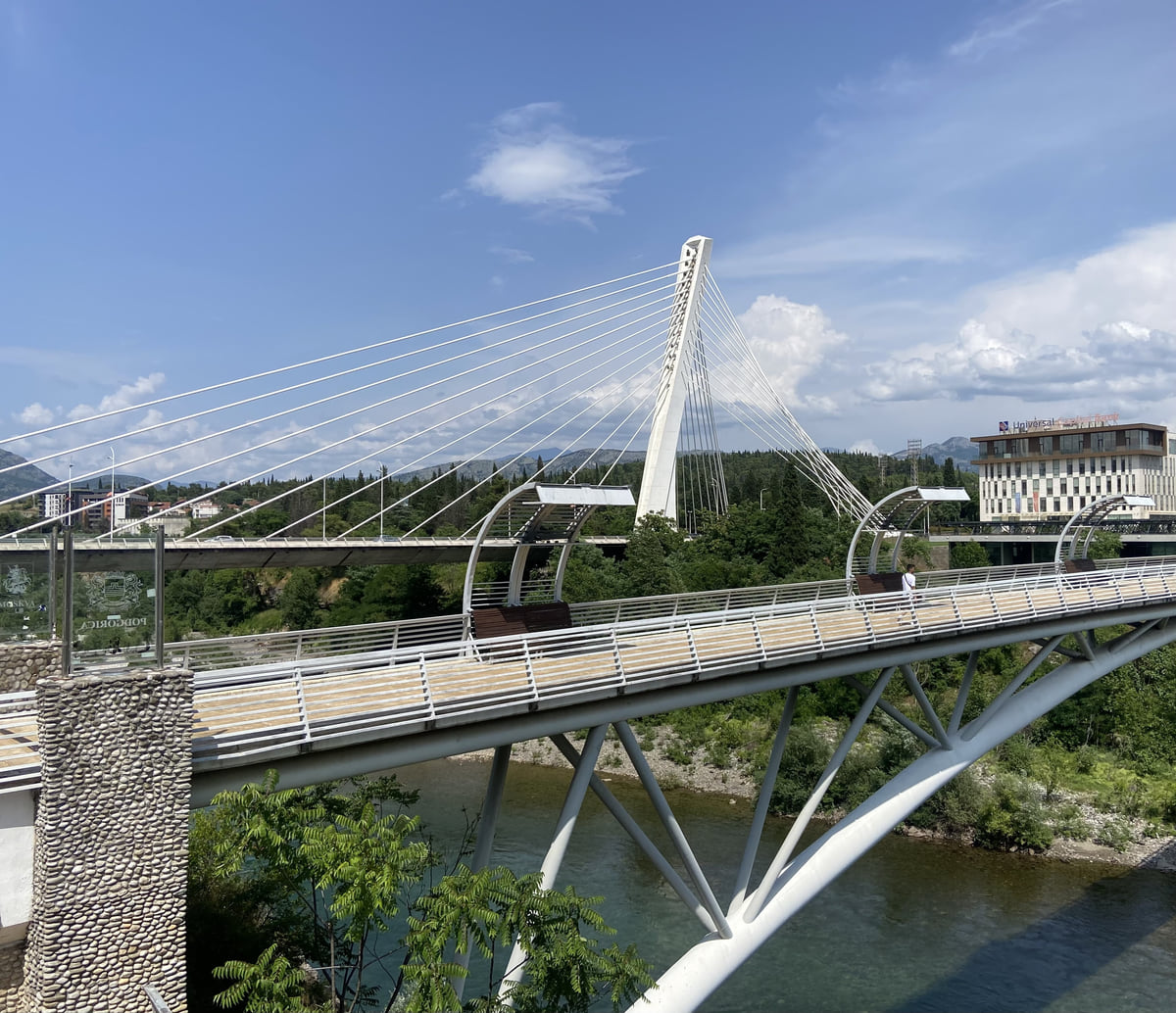
The December 2023 census counted 623,633 people, and nearly three in ten live in the municipality of Podgorica, home to 179,505. Podgorica is the capital, but the constitution keeps the title of old royal capital for Cetinje, where the monastery and King Nikola’s palace still stand. There are 25 municipalities and 1,462 settlements, and MONSTAT sorts them into three statistical regions, coast, centre and north. They aren’t counties or provinces and they have no government of their own.
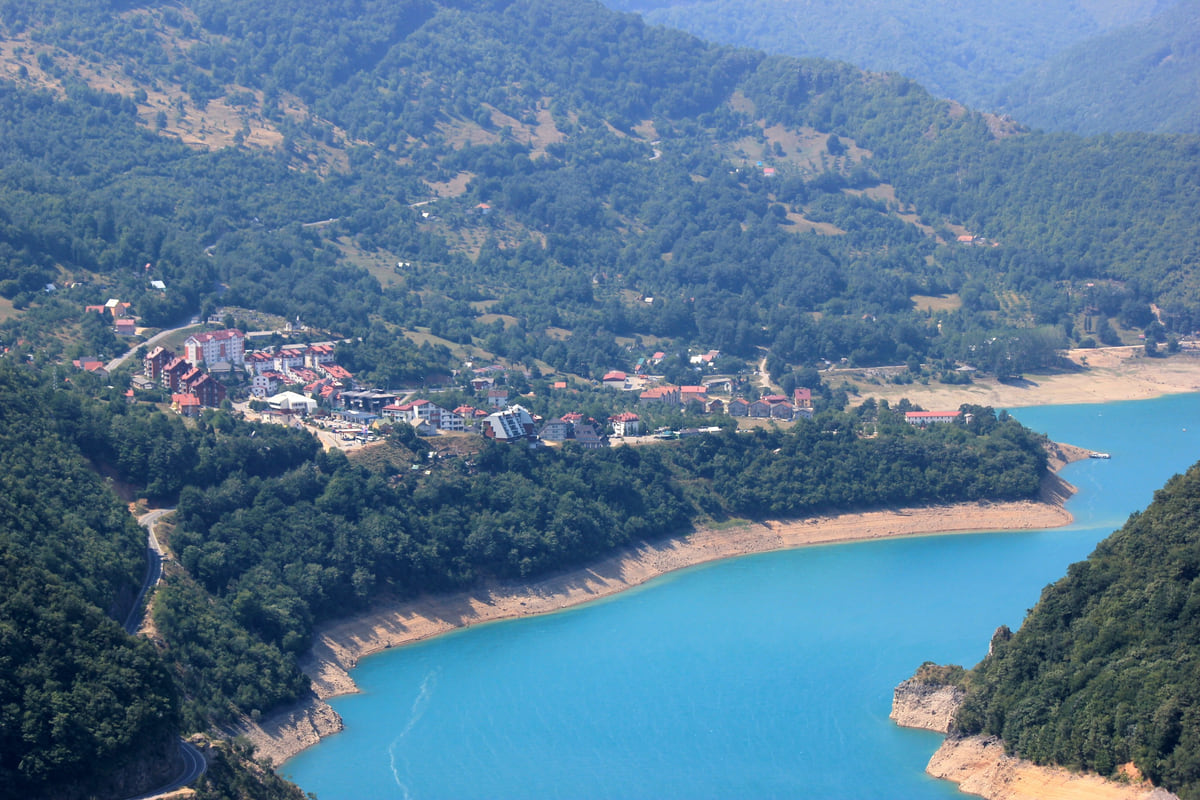
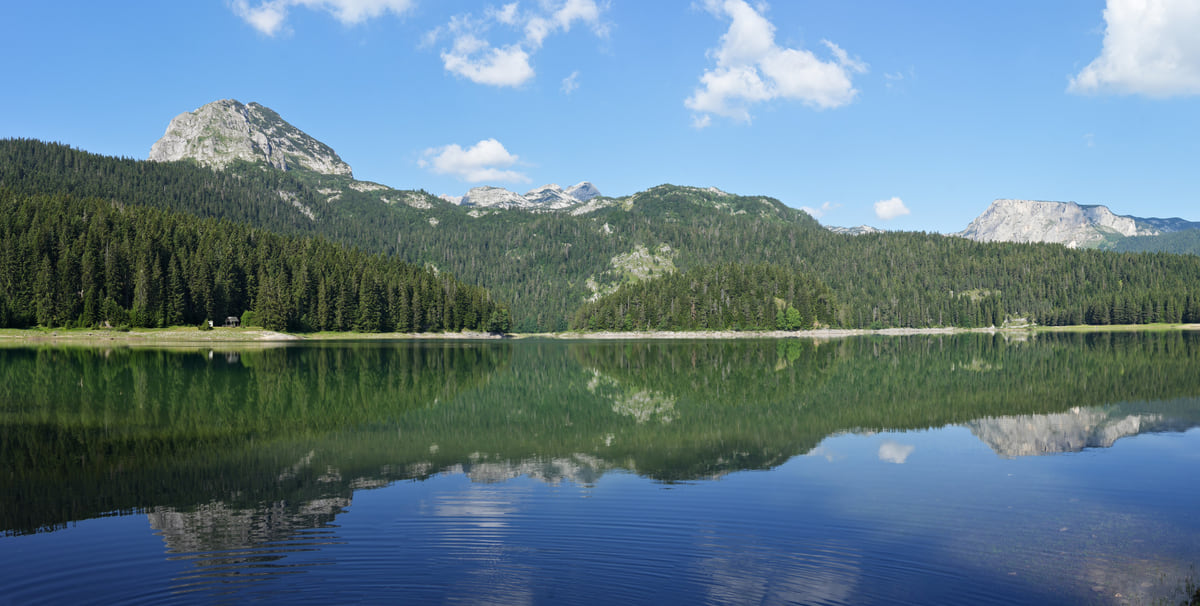
I find that three-way split the most useful way to plan. The coast is where the beaches and the Bay of Kotor are. The centre holds Podgorica, Cetinje, Lake Skadar and Ostrog Monastery. The north is all mountains, with Durmitor, the Tara, Biogradska Gora and Prokletije. Each one is broken down in the regions of Montenegro.
What I wouldn’t miss
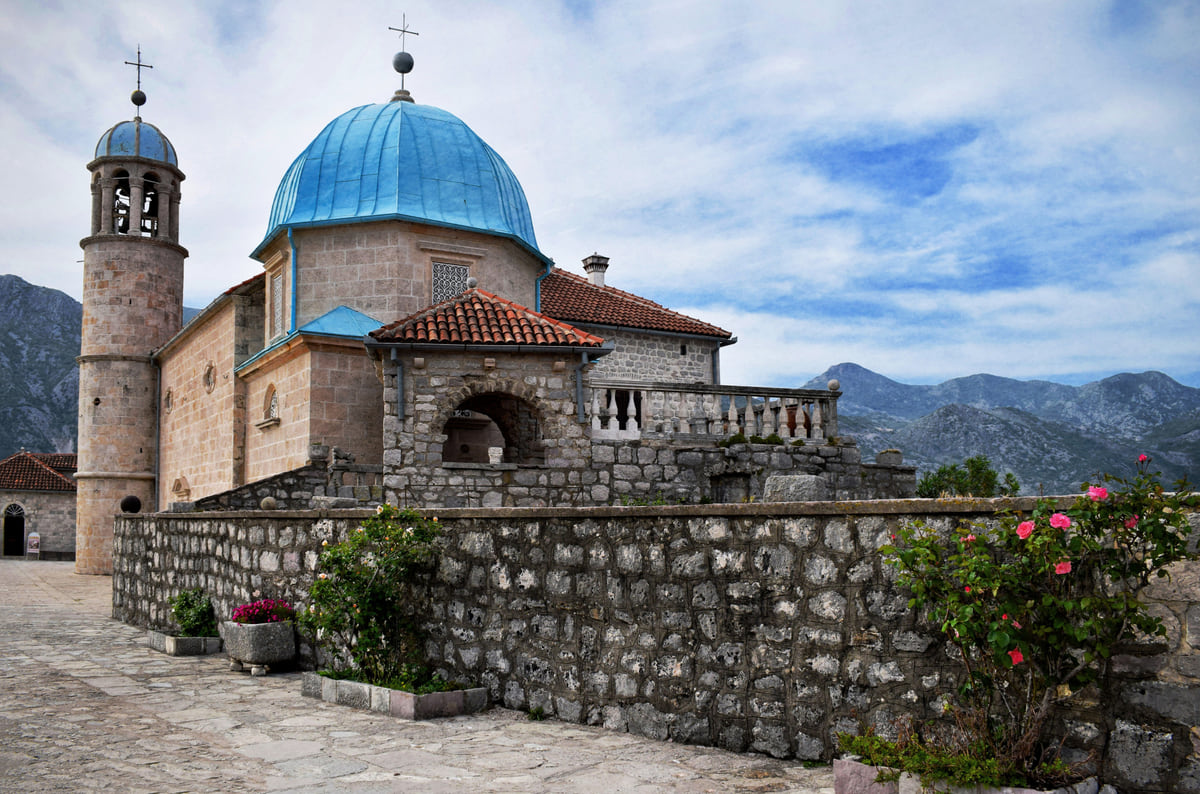
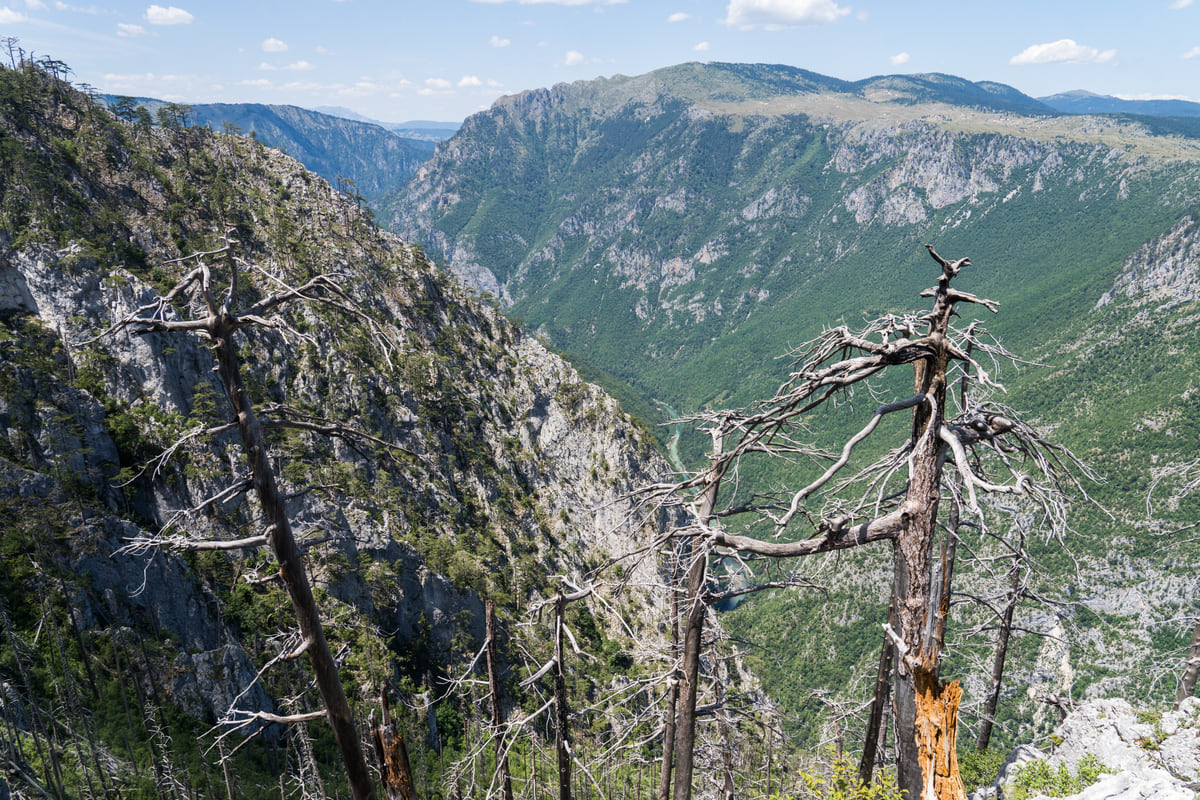
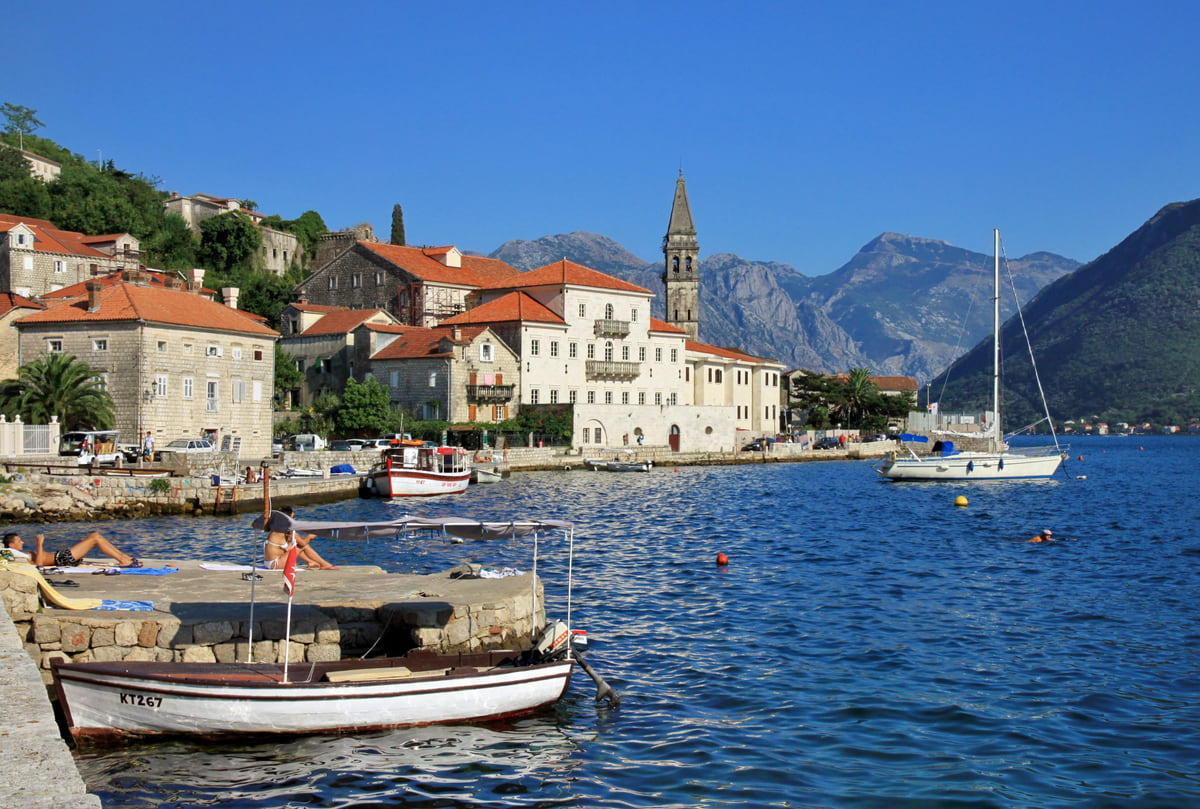
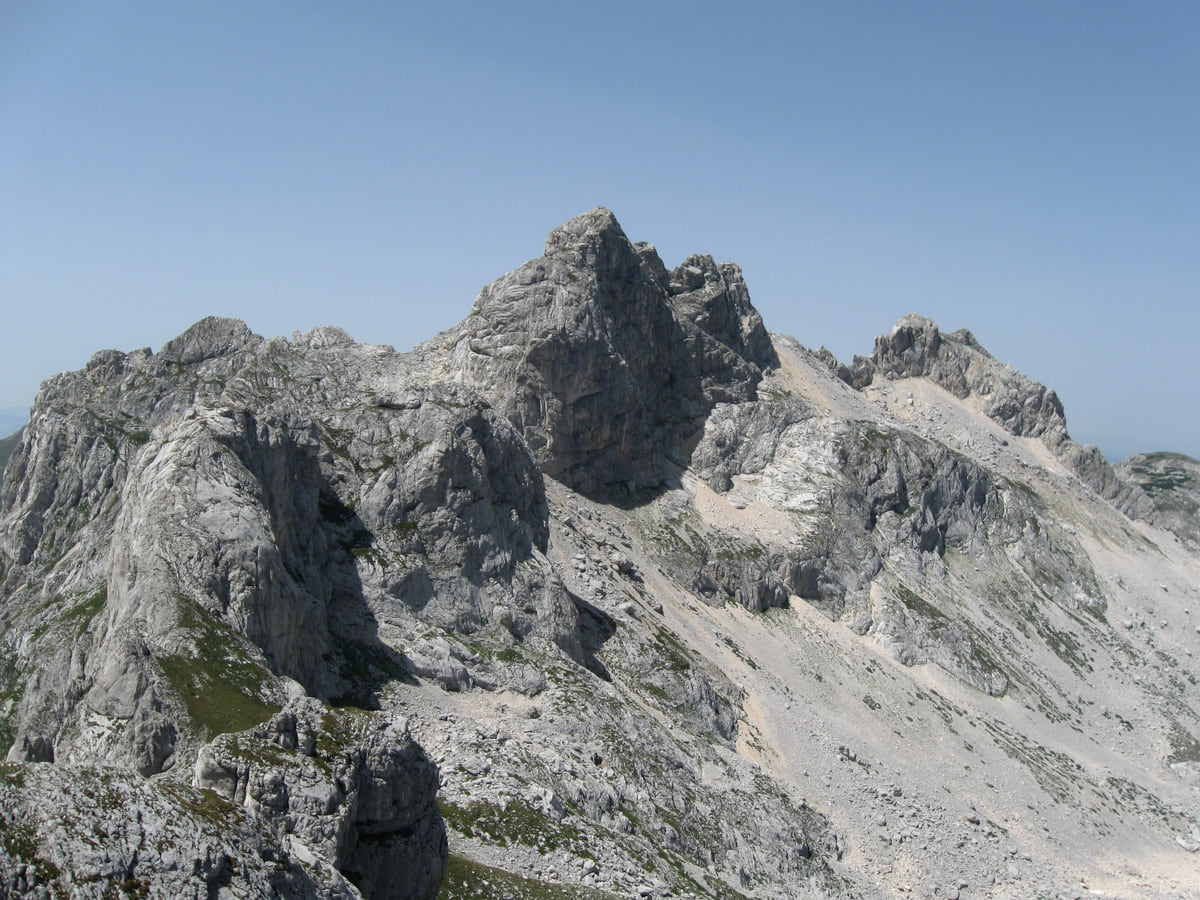
If I had to pick one view, it would be the Bay of Kotor from the city walls, with Perast and its two islets further along. UNESCO listed the natural and cultural region of Kotor in 1979, and in 2017 the fortified city was added again as part of the Venetian defences. After that I would head north to Durmitor National Park, World Heritage since 1980, which UNESCO describes with around fifty peaks above 2,000 m and the Tara Canyon, in its words Europe’s deepest gorge.
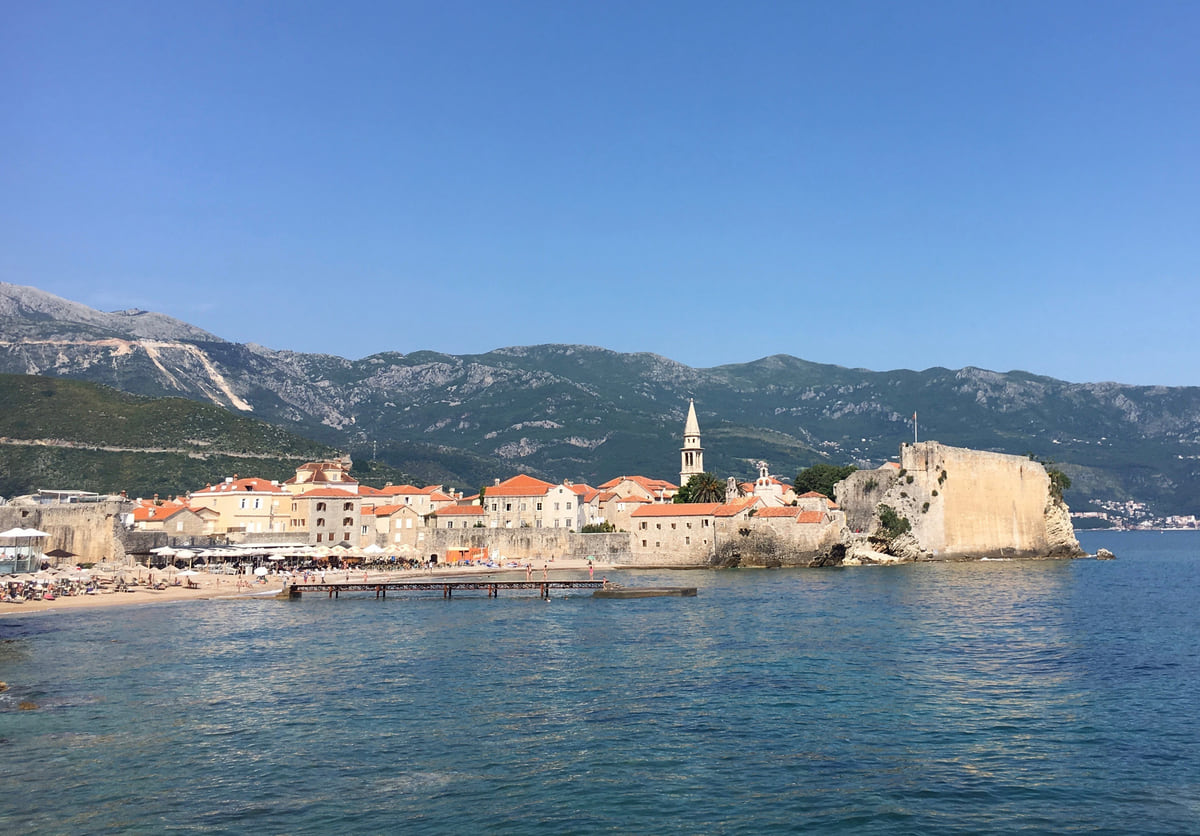
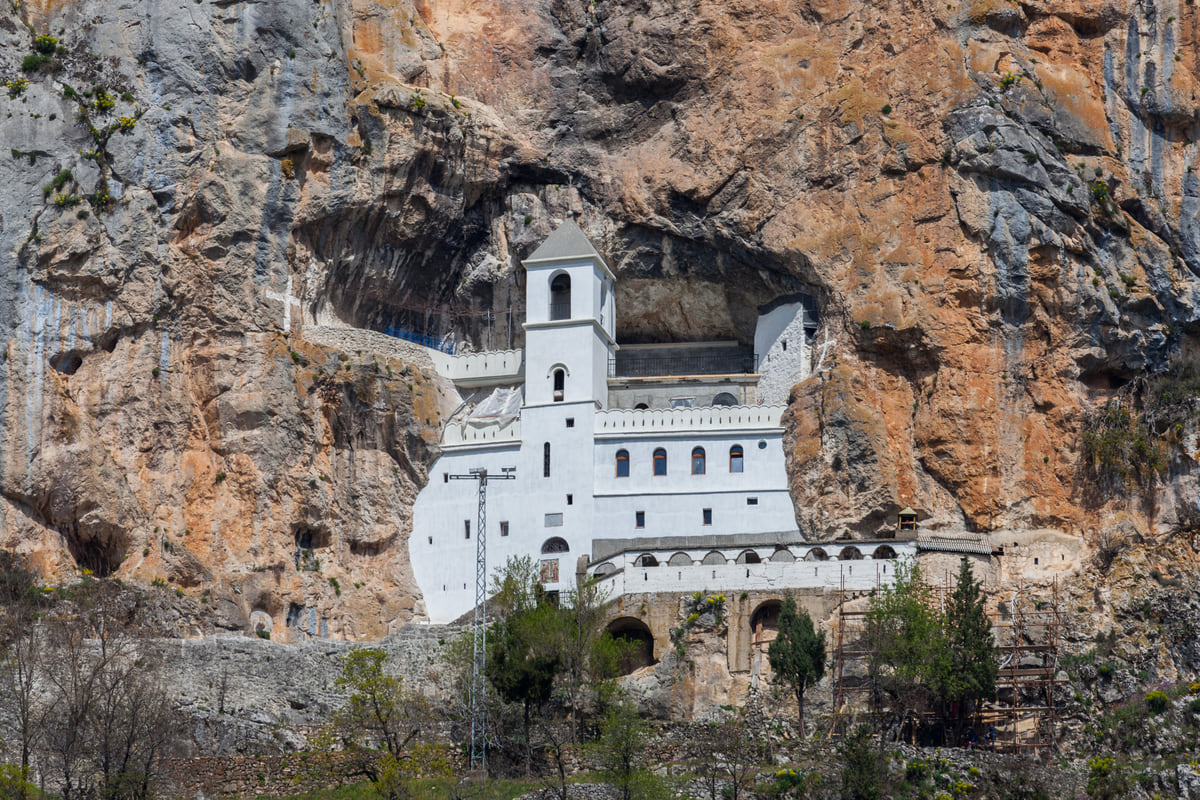
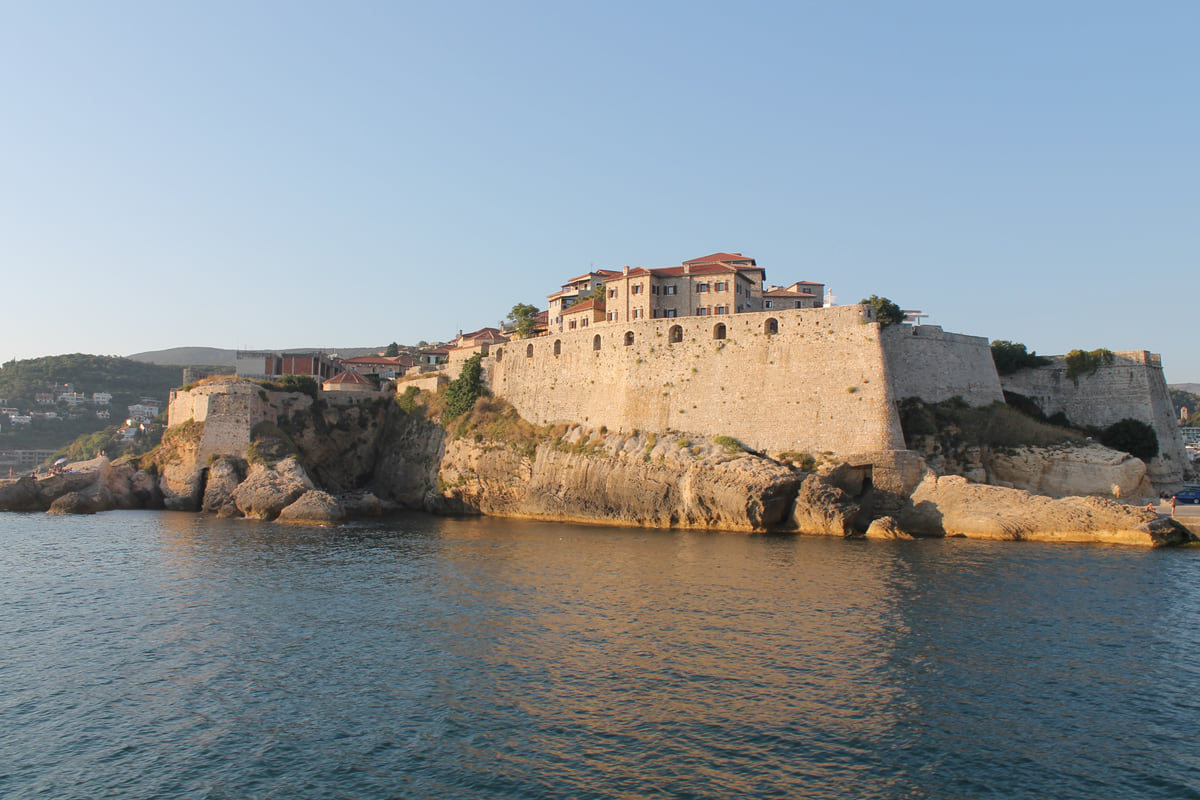
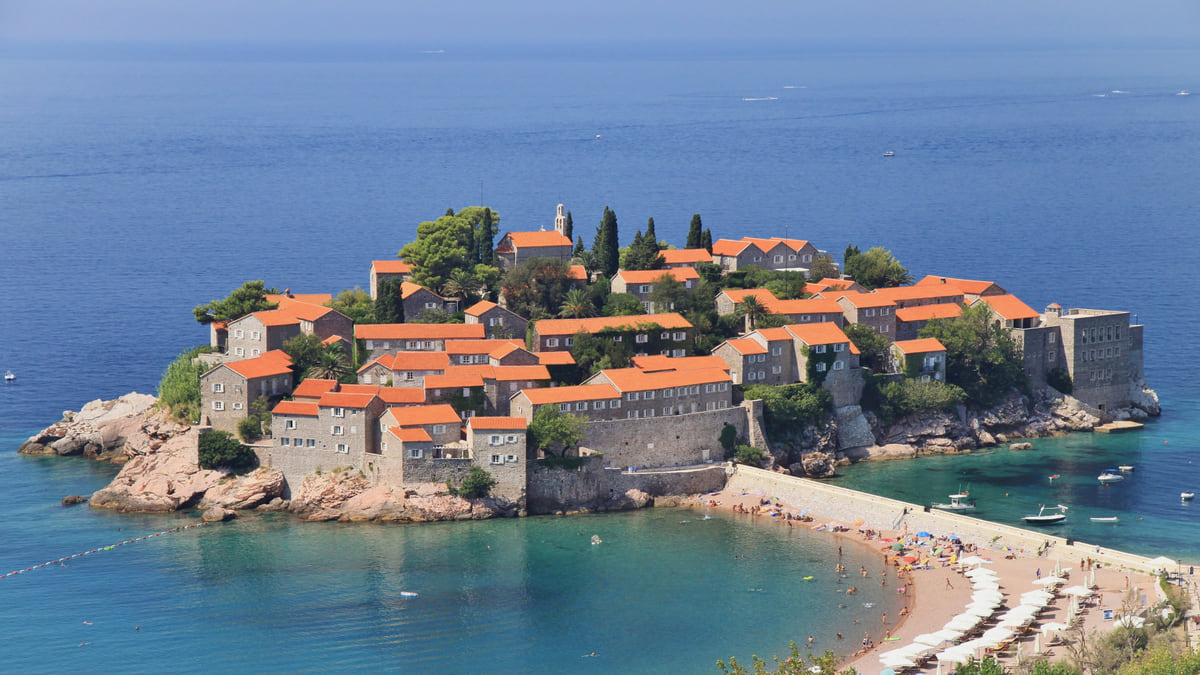
Between the two there’s plenty more, from Budva’s old town to Ostrog wedged into the cliff and Lake Skadar by boat. I’ve ranked it all, with my scores and reasons, in things to do in Montenegro.
This trips a lot of people up. Montenegro pays in euros but isn’t an EU member. According to the European Commission, the euro serves as Montenegro’s currency de facto, adopted without any agreement with the EU. It has been a candidate since 2010 and has been negotiating with Brussels since 29 June 2012.
For a British visitor that matters in three ways. There’s no currency to change, and most restaurants, hotels and petrol stations take cards, according to the National Tourism Organisation. Your mobile tariff may treat it as a non-European destination, so check your roaming before you go. And healthcare works differently. Montenegro recognises the GHIC, but gov.uk says you need a certificate from the Montenegrin Health Insurance Fund to get free or reduced-cost treatment in public facilities, and without it you pay and can’t reclaim the cost.
Passports, the 90-day rule and registering within 24 hours
On a British passport, gov.uk says, no visa is needed for a visit of 90 days or less in a 180-day window. The passport has to be under 10 years old on arrival, with 3 months or more left on it when you leave Montenegro. Because Montenegro isn’t in Schengen, those days don’t count towards your Schengen allowance, which is handy if you’re combining it with Croatia. There’s one rule that surprises people, though. Everyone has to be registered within a day of arriving, which hotels take care of; in a private rental you sort it out yourself. The full detail is in Montenegro entry requirements.
There are two international airports, Tivat on the Bay of Kotor and Podgorica in the centre. From Tivat, Kotor is 8 km away and Budva 21 km; from Podgorica, Cetinje is 40 km and Bar 46 km, according to Airports of Montenegro. Overland you can come in from Croatia, Bosnia and Herzegovina, Serbia, Kosovo and Albania, and there’s a daily train from Belgrade to Bar. Flights, the train and the land borders are compared side by side in how to get to Montenegro.
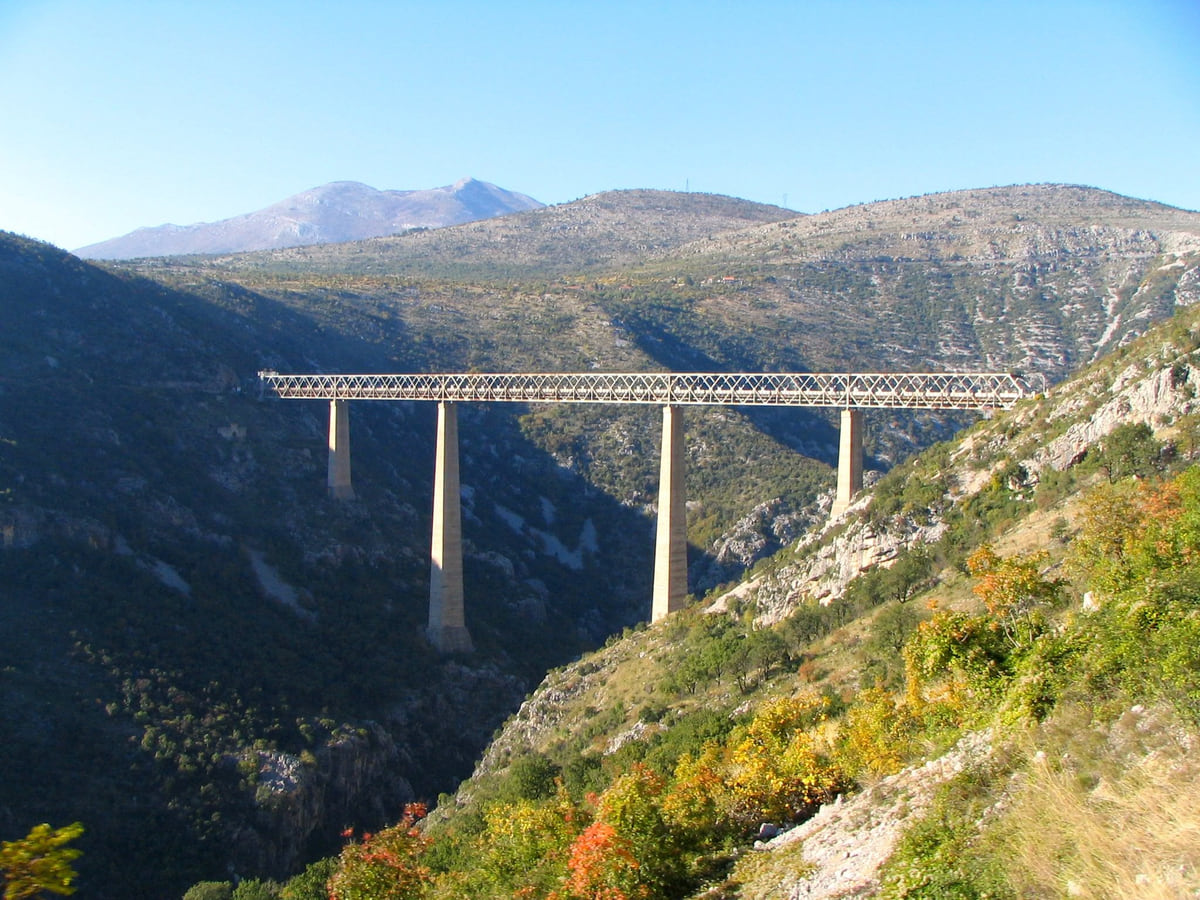
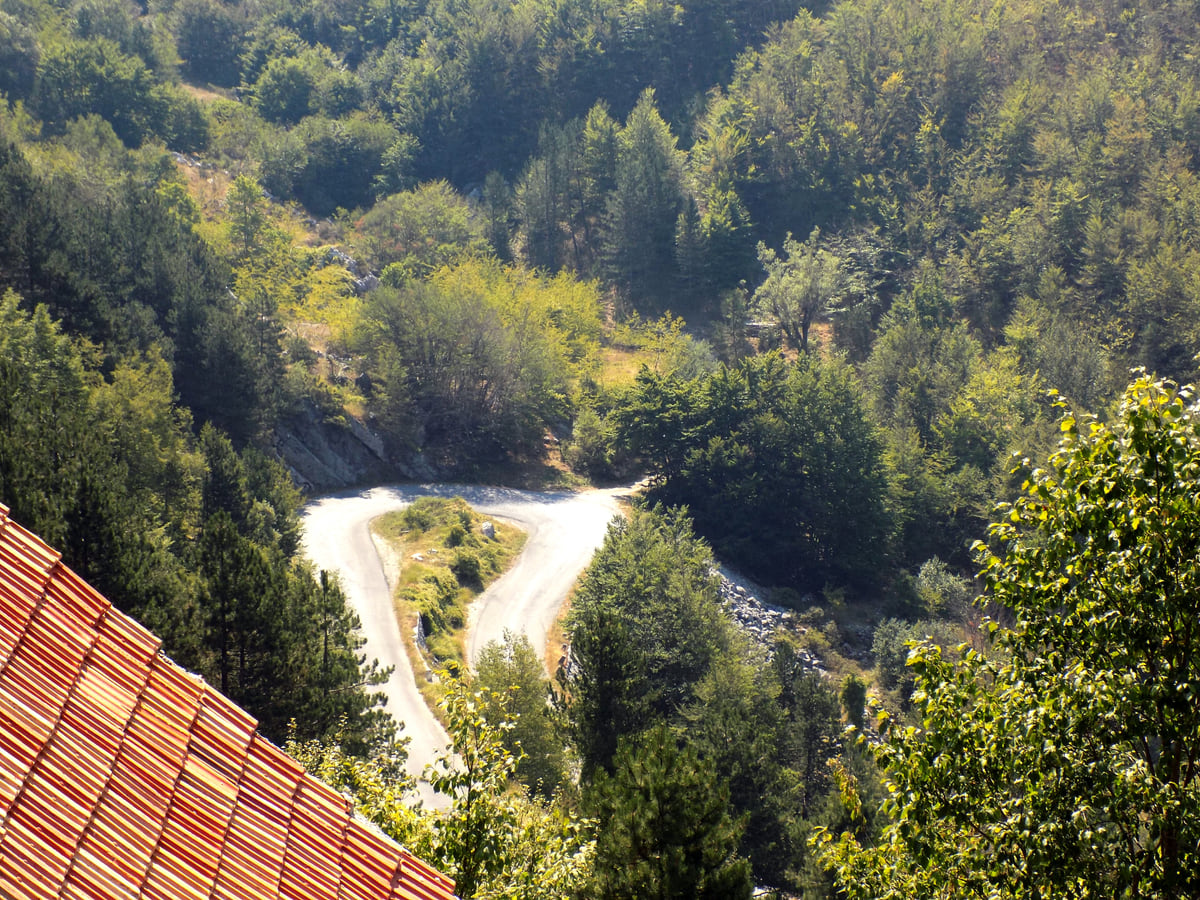
Once there, you’ll drive on the right, the opposite of home, and mountain roads eat time. gov.uk warns that the Morača Canyon road, a two-lane route, can be dangerous in bad weather and heavy traffic. I always allow extra time and would rather sleep in two or three bases than do long out-and-back day trips.
When to go and how busy it gets
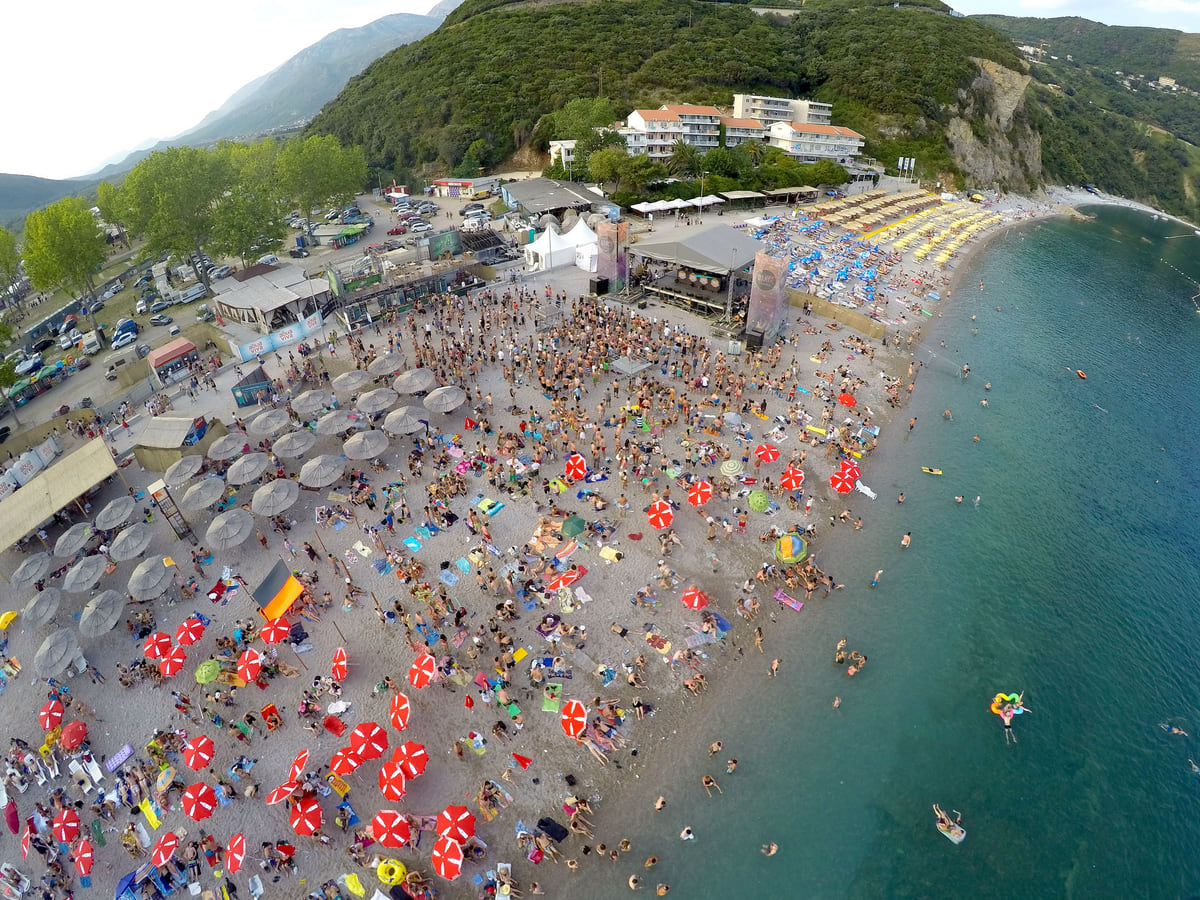
Montenegro recorded 2,606,854 tourist arrivals in 2024, and Budva alone took 848,515, almost a third. Visitors from the UK accounted for 111,844 of them. In July and August the coast fills up; the National Tourism Organisation estimates the Budva Riviera alone sees almost 100,000 people on its beaches daily. If you can choose, I think June and September strike the best balance between beach and mountains, and Tara rafting runs from April to October.
If nature is what draws you, start with Montenegro’s five national parks. If it’s your first visit, start with the Bay of Kotor. Either way, you’ll want to come back.
MONSTAT regions («Vital statistics in Montenegro 2025»). They are not provinces and have no government of their own.
Test yourself
True or false?
0/3Pick before you peek.
Days spent in Montenegro count towards your 90 days in the Schengen area.
See the answer
False. They don't. gov.uk is clear that Montenegro is not in Schengen and time there doesn't count towards the Schengen limit.
The capital of Montenegro is Cetinje.
See the answer
False. The capital is Podgorica. Cetinje is the old royal capital, as Article 5 of the constitution puts it.
Montenegro uses the euro even though it is not in the EU.
See the answer
True. The European Commission describes it as a de facto national currency, used without any agreement with the EU.
Official area (MONSTAT)
13,883 km²
People in the 2023 census
623,633
Arrivals from the UK in 2024
111,844
UNESCO World Heritage listings
4
National parks
5
Map
Montenegro, from the Bay of Kotor to Durmitor
The Adriatic coast runs from Herceg Novi to Ulcinj; the centre holds Podgorica, Cetinje and Lake Skadar, and the north, Durmitor and the Tara Canyon. Every number opens its guide.
I think so, especially if you combine the coast with the mountains. In 13,883 km² you get the Bay of Kotor, World Heritage since 1979, Durmitor National Park and Lake Skadar, and distances are short even if mountain roads are slow.
Is Montenegro a country?
Yes. It has been independent since 2006, after the referendum of 21 May and Parliament's declaration of 3 June, and it joined the United Nations on 28 June 2006 as the 192nd member state.
Do I need a visa for Montenegro from the UK?
No, not for tourism of up to 90 days in any 180-day period, according to gov.uk. Your passport must have been issued less than 10 years before you arrive and be valid for at least 3 months after the day you leave.
Is Montenegro in the EU?
No. It has been a candidate since 2010 and has been negotiating membership since 29 June 2012, according to the European Commission. It uses the euro without an agreement with the EU and it is not in the Schengen area.
What is Montenegro like?
Small, mountainous and very varied. The coast runs for 293.5 km with 117 beaches, the centre has the capital, Cetinje and Lake Skadar, and the north is high mountain country with peaks above 2,500 m.
How long do you need in Montenegro?
Three days covers the Bay of Kotor and Budva. A week lets you add Cetinje, Lake Skadar and Durmitor, and ten days gets you to Biogradska Gora and Prokletije in the far north.
Tourism graduate with a master’s in Tourism Management and Planning from the University of Málaga, who has travelled across Europe. He writes every guide from official sources and his own judgement.

 1Kotor 2Tivat 3Herceg Novi 4Budva 5Central Montenegro 6Podgorica 7Bar 8Cetinje 9Ulcinj 10Nikšić 11Northern Montenegro 12Pljevlja 13Bijelo Polje 14Berane 15Rožaje 16Plav