Kotor, Durmitor, stećci and Venice
Montenegro's four UNESCO World Heritage sites
Montenegro has four UNESCO World Heritage sites. They are the Natural and Culturo-Historical Region of Kotor (1979), Durmitor National Park (1980, extended in 2005), the stećci medieval tombstone graveyards (2016, shared with Bosnia and Herzegovina, Croatia and Serbia) and the Venetian defences, including the fortified city of Kotor (2017, with Italy and Croatia).
In 30 seconds
Full read: 2 min
- Montenegro has four World Heritage sites.
- Kotor was listed in 1979 and again in 2017 with the Venetian defences.
- Durmitor is the natural site, listed in 1980.
- The stećci at Žabljak and Plužine belong to a four-country listing.
If you only have time for one, make it Kotor, because it covers two listings on a single walk. The one that surprises me most, though, is the stećci, medieval tombstones in a Durmitor meadow that very few visitors bother to see.

Before you go
What I would keep in mind
-
01 Most beautiful
Kotor, listed twice
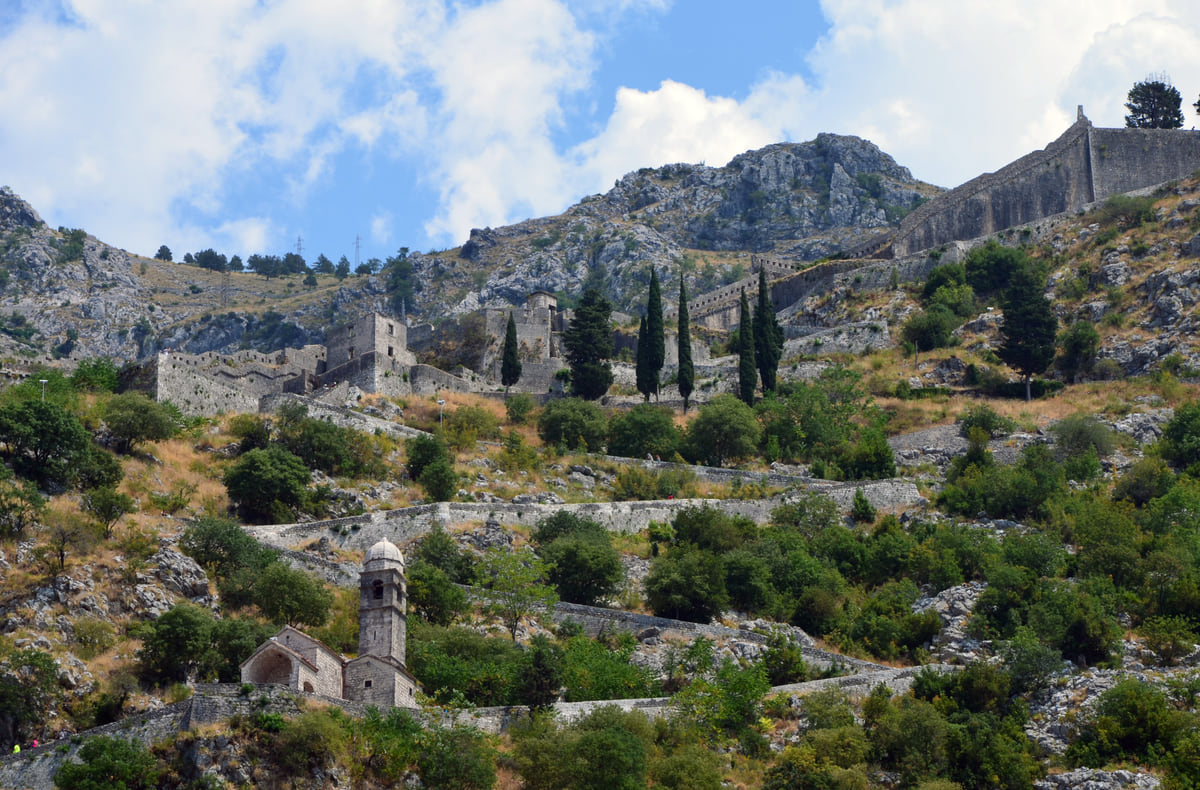
The Kotor region went on the list in 1979, and the fortified city came back in 2017 as part of the Adriatic's Venetian defences. The walls and old town count in both.
the Kotor city walls -
02 My tip
Medieval tombstones in Durmitor
Montenegro's listed stećci are three graveyards, two near Žabljak and one at Plužine. UNESCO counts more than 70,000 such stones across the region.
stećci tombstones in Montenegro -
03 Most beautiful
Durmitor and the Tara gorge
Listed in 1980 and extended in 2005, it's notable for the Tara Canyon, which UNESCO calls Europe's deepest gorge, and an old-growth black pine forest.
Durmitor National Park -
04 To save money
See the Kotor region for free
Walking Kotor Old Town, the Perast waterfront and the shore of the bay costs nothing. You only pay for the walls, the museums and the boat to the islets.
Kotor old town
What I would book
Montenegro has four UNESCO World Heritage sites, and the odd thing is that half of them are shared with other countries. Two are in Kotor, though you wouldn’t guess it, one is the great mountain park of the north and the last is a set of medieval tombstones few travellers have heard of. Here they are, with what each UNESCO entry says and how I’d see them.
The Kotor region, since 1979
The oldest listing and the one everyone sees. UNESCO inscribed it in 1979, covering 14,600 hectares of the inner, south-eastern part of the bay, two linked bays ringed by mountains rising to nearly 1,500 m. Its entry explains that in the Middle Ages this was an artistic and trading centre with its own schools of masonry and iconography, and that the towns of sea captains and shipowners, led by Kotor and Perast, were for centuries Venice’s bridgeheads on the Adriatic.
That same year, the 1979 earthquake badly damaged many monuments, including four Romanesque churches and the town walls. The region went straight onto the Danger list and stayed there until 2003, after a restoration carried out largely with UNESCO’s help. Today the entry warns of a different threat, construction and urban sprawl. I’d start at the heart of it, Kotor Old Town.
The Venetian defences, since 2017
In 2017 UNESCO created a site made up of six Venetian fortifications from the 16th and 17th centuries spread across Italy, Croatia and Montenegro, over more than 1,000 km from Lombardy to the eastern Adriatic coast. The Montenegrin part is the fortified city of Kotor, with its walls and St John’s Fortress. That’s why I say Kotor is listed twice. The climb is covered in Kotor’s city walls.
Once your dates are set, check which hotels are still free in Kotor before prices climb.
Durmitor, the natural site
The country’s only natural listing went on in 1980 and was extended in 2005 to match the national park boundaries. UNESCO describes a landscape shaped by glaciers and rivers, with roughly fifty summits topping 2,000 m, the Tara Canyon, in its view the deepest gorge on the continent, an old-growth black pine forest with 400-year-old trees over 50 m tall, and the Ice Cave with its frozen stalactites. It also mentions brown bear, wolf and some 130 bird species. How to visit is in Durmitor National Park.
The stećci, since 2016
This is the one I most enjoy pointing people towards. Stećci are medieval stone tombstones, mostly limestone, carved between the 12th and 16th centuries and laid out in rows in graveyards. In 2016 UNESCO listed 28 sites in Bosnia and Herzegovina, Croatia, Montenegro and Serbia, noting that more than 70,000 survive across over 3,300 locations in the region. Montenegro has three, Grčko groblje and Bare Žugića near Žabljak, and Grčko groblje at Plužine. The entry stresses that all three Christian communities of the time used them. Where to find them is in the stećci tombstones.
If you would rather have a local show you round, book a guided tour in Kotor and choose by the reviews.
How I’d fit them together
Kotor and the Venetian defences are a single walk, half a day to a full day. Durmitor and the Žabljak stećci work well from the same base, with two nights in the north. With a week in the country, all four fit without forcing it.
Once your dates are set, check which hotels are still free in Kotor before prices climb.
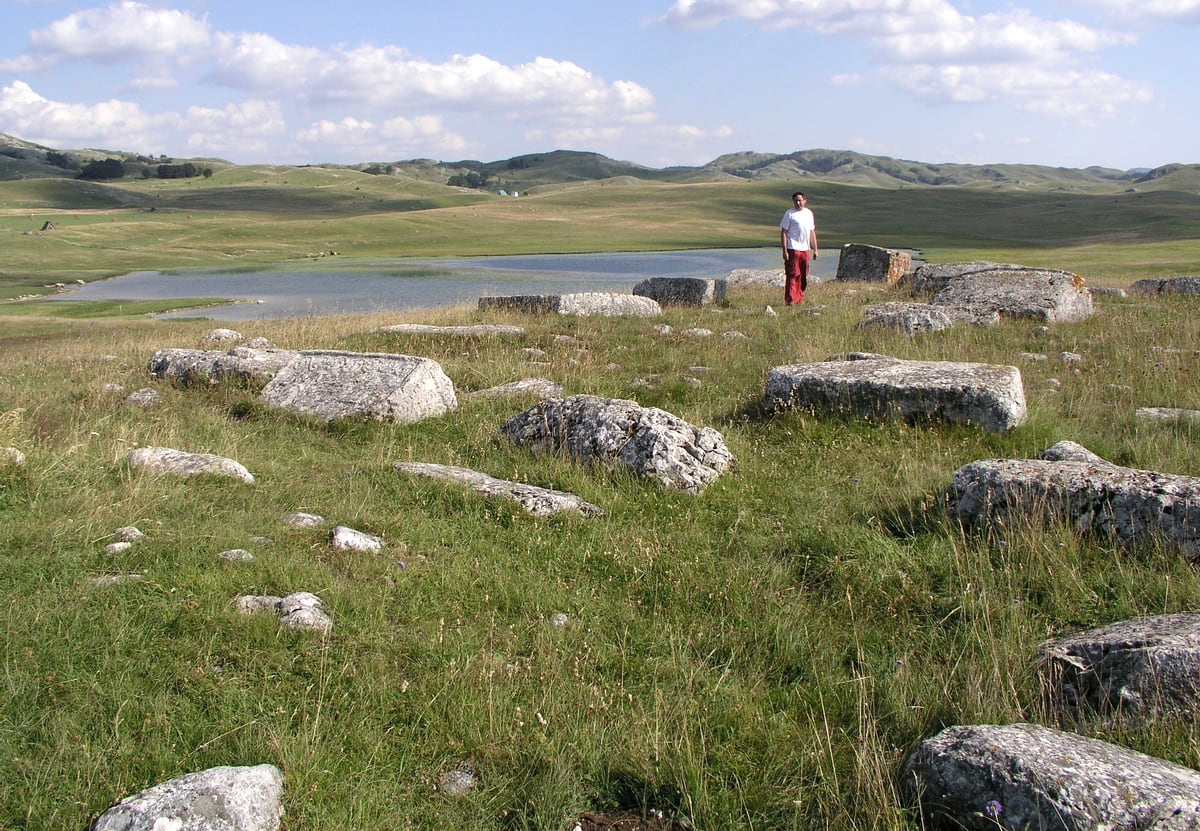
Medieval stećci tombstones scattered across a Durmitor meadow at Grčko groblje near Žabljak, with a lake behind
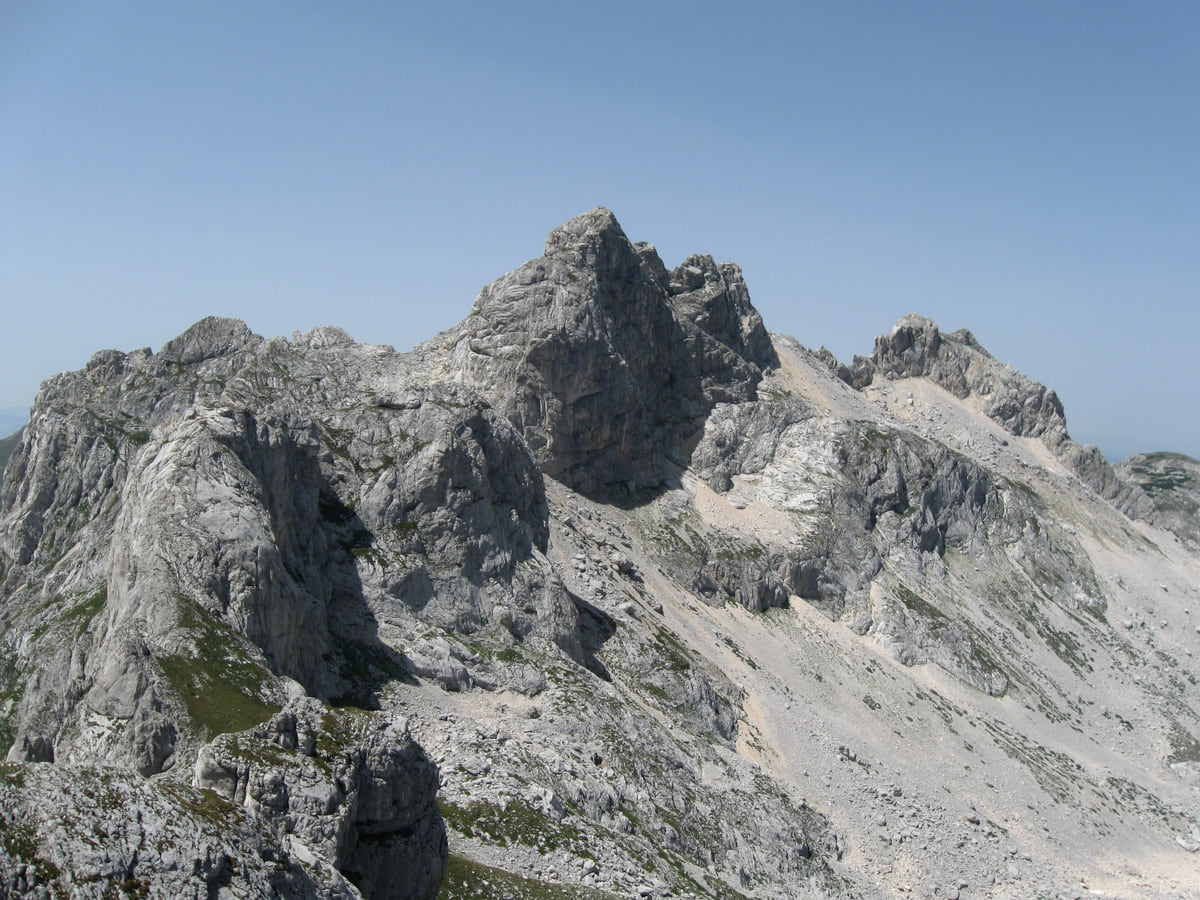
The limestone peaks of Bobotov Kuk and its neighbours in Durmitor, with grey walls and scree under a blue sky
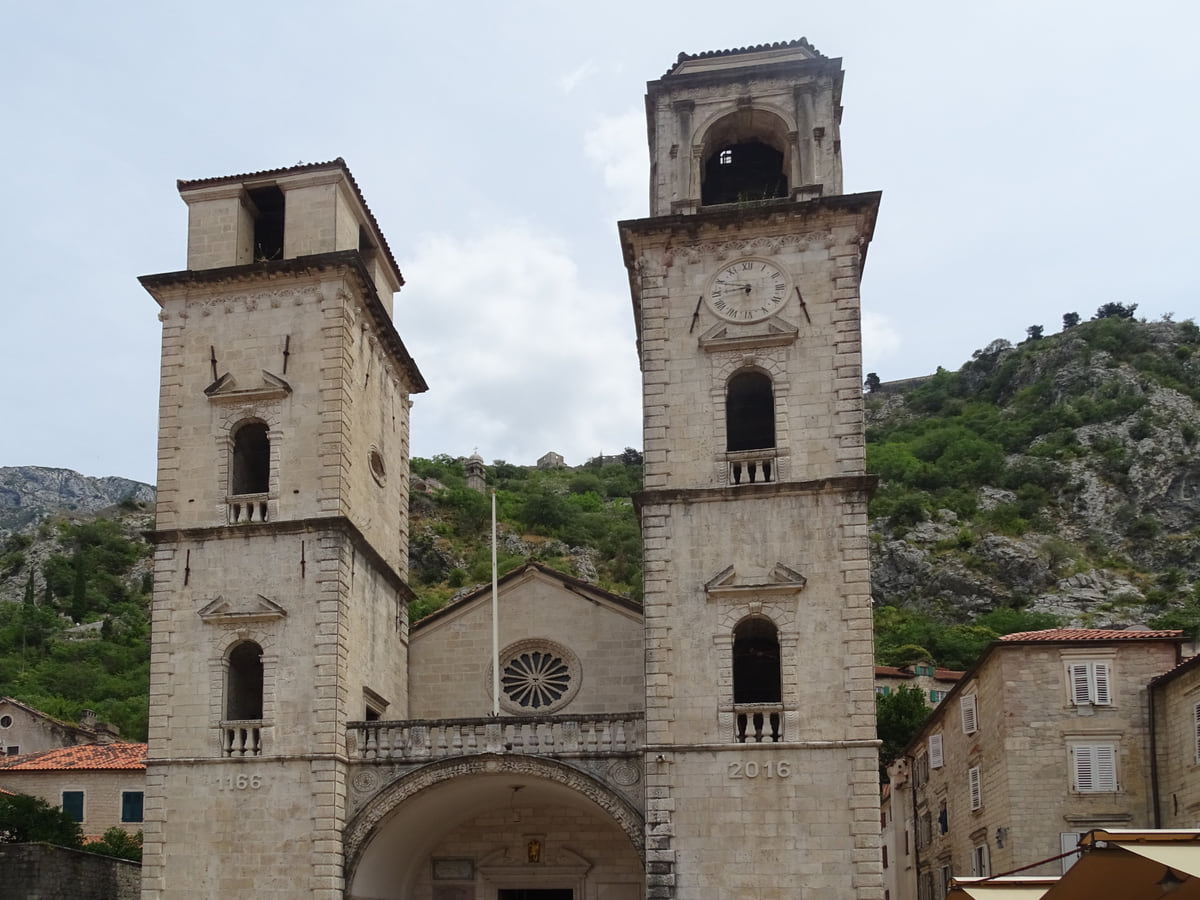
The front of St Tryphon's Cathedral in Kotor, with its two pale stone towers and rose window, below the mountains of the old town
Montenegro's four sites
| Site | Year | Type | Where |
|---|---|---|---|
| Natural and Culturo-Historical Region of Kotor | 1979 | Cultural | Inner Bay of Kotor, with Kotor and Perast |
| Durmitor National Park | 1980, extended in 2005 | Natural | Žabljak and the north |
| Stećci medieval tombstone graveyards | 2016 | Cultural, shared | Two near Žabljak, one at Plužine |
| Venetian works of defence, 16th and 17th centuries | 2017 | Cultural, shared | The fortified city of Kotor |
UNESCO entries (whc.unesco.org), checked on 10 October 2026.
Test yourself
True or false?
0/3 Pick before you peek.
-
Kotor was once on the List of World Heritage in Danger.
See the answer
True. UNESCO added it after the 1979 earthquake and removed it in 2003.
-
The stećci are a site found only in Montenegro.
See the answer
False. It's shared with Bosnia and Herzegovina, Croatia and Serbia, with 28 graveyards in total.
-
Durmitor is Montenegro's only natural World Heritage site.
See the answer
True. Of the four listings, Durmitor is the natural one; the other three are cultural.
- Year the Kotor region was listed
- 1979
- Area of the Kotor site
- 14,600 ha
- Stećci graveyards listed in Montenegro
- 3
- Venetian fortifications in the 2017 listing
- 6
0 of 278 Montenegro guides
Your next stamp
- Stećci tombstones
- Things to do
- Kotor
- Durmitor
- Fortresses
- Mountains
- Aman Sveti Stefan
- Budva Old Town
- Haj-Nehaj
- Lučice Beach
- Montenegro's coast
- Peaks of the Balkans
- Porto Montenegro
- Sea Dance Festival
- Splendid Conference & Spa Resort
- Stari Bar
- Ulcinj Old Town
- Bay of Kotor
- Budva Riviera
- Heroj submarine
- Iberostar Bellevue
- Independence Day
- Old olive tree of Mirovica
- Tivat
- Velika plaža
- Ada Bojana
- Beaches in Budva
- Eurostars Queen of Montenegro
- Herceg Novi
- Kotor Old Town
- Mount Rumija
- Igalo
- Kotor city walls
- Mogren Beach
- Montenegro Beach Resort
- Svač
- Vrmac
- Hiking
- Jaz Beach
- Kanli kula
- Luštica peninsula
- St Tryphon Cathedral
- Ulcinj salt pans
- Forte Mare
- Gornja Lastva
- Maritime Museum, Kotor
- Slovenska Beach
- Drobni Pijesak Beach
- Kotor viewpoints
- Mamula
- Žanjic beach
- Kotor cruise port
- Orjen
- Plavi horizonti beach
- Sveti Nikola Island
- Blue Cave
- Restaurants in Budva
- Restaurants in Kotor
- Canyoning
- Hotels
- Perast
- Sutomore
- Sveti Stefan
- Čanj
- Luxury hotels
- Our Lady of the Rocks
- Pržno
- Activities
- All-inclusive hotels
- Bar Riviera
- Bečići
- Hotel Palma
- St George island
- Dobrota
- Hladna uvala
- Most beautiful places
- Petrovac
- Crvena stijena
- Prčanj
- Prettiest villages
- Cycling
- Risan
- Heritage Grand Perast
- Map
- Hyatt Regency Kotor Bay
- Where is it?
- Regions
- Cities
- Beaches in Bar
- Budva
- Central Montenegro
- Hotels in Budva
- Hotels in Kotor
- Iberostar Waves Herceg Novi
- Kitesurfing
- The name
- Beaches in Ulcinj
- Flag
- Hotels in Perast
- Palmon Bay Hotel & Spa
- Podgorica
- Cathedral of the Resurrection
- One&Only Portonovi
- Population
- Sandy beaches
- Azul Beach Resort Montenegro
- Naturist beaches
- Size
- Stara Varoš
- Doclea
- Language
- Mimosa Festival
- Medun
- Religion
- Zipline
- Currency
- Museums in Podgorica
- Dajbabe Monastery
- EU membership
- History
- Restaurants in Podgorica
- Hotels in Podgorica
- Public holidays
- Avala Resort & Villas
- Bar
- Beaches in Kotor
- Birdwatching
- Hotels in Ulcinj
- Kotor carnival
- Time zone
- Tivat beaches
- Tuzi
- Boka Night
- Dukley Hotel & Resort
- Facts
- Hotels in Tivat
- Zeta
- Caves
- Herceg Novi beaches
- National parks
- Šipčanik
- Hotels in Herceg Novi
- Monasteries
- Fly fishing
- Museums
- Canyons and waterfalls
- Lakes
- Montenegro and Croatia
- Beaches
- Boat trips
- Cetinje
- Montenegro and Albania
- Nightlife
- Ulcinj
- Weather
- Best time to visit
- Cetinje Monastery
- Kayaking
- Montenegro and the Balkans
- How to get there
- In summer
- King Nikola's Palace
- Sailing
- Biljarda
- Flights
- In winter
- Airports
- Museums in Cetinje
- New Year's Eve
- Lovćen
- Paragliding
- Tivat Airport
- Njegoš Mausoleum
- Podgorica Airport
- Dubrovnik to Kotor
- Kotor serpentine
- Belgrade to Montenegro
- Njeguši
- Ferry to Italy
- Njeguši prosciutto
- Border crossings
- In January
- Lipa Cave
- Where to stay
- In February
- Kamenari-Lepetane ferry
- Pavlova strana
- Getting around
- In March
- Rijeka Crnojevića
- In April
- Trains
- Buses
- In May
- Car hire
- In June
- Driving
- In July
- In August
- Taxis
- Distances
- In September
- In October
- Road trip
- Food
- In November
- Lake Skadar
- Scenic drives
- In December
- Kotor cable car
- Virpazar
- Where to eat
- Budva to Kotor
- Godinje
- Wine
- Podgorica to Kotor
- Vranjina
- Besac fortress
- Prices and budget
- On a budget
- Žabljak Crnojevića
- Danilovgrad
- Entry requirements
- Ostrog Monastery
- Tourist registration
- Customs
- Nikšić
- Crvena Stijena cave
- Safety
- Events
- Healthcare
- Northern Montenegro
- Mobile and roaming
- Žabljak
- Plugs
- Black Lake
- With kids
- Bobotov Kuk
- Holidays
- Day trips
- Hotels in Žabljak
- Three-day itinerary
- Five-day itinerary
- Skiing in Montenegro
- One-week itinerary
- Skiing in Žabljak
- Šavnik
- Ten-day itinerary
- Nevidio Canyon
- Tara Canyon
- Tara rafting
- Đurđevića Tara Bridge
- Plužine
- Lake Piva
- Piva Monastery
- Mojkovac
- Brskovo
- Pljevlja
- Husein Pasha Mosque
- Kolašin
- Hotels in Kolašin
- Skiing in Kolašin
- Biogradska Gora National Park
- Komovi
- Morača Monastery
- Morača Canyon
- Bijelo Polje
- Đalovića Cave
- Berane
- Andrijevica
- Petnjica
- Rožaje
- Plav
- Lake Plav
- Gusinje
- Vusanje
- Prokletije National Park
Frequently asked questions
How many UNESCO World Heritage sites does Montenegro have?
Four. The Kotor region, Durmitor National Park, the stećci graveyards and the Venetian defences, which include the fortified city of Kotor.
Is Kotor a UNESCO World Heritage site?
Yes, since 1979, as the Natural and Culturo-Historical Region of Kotor. In 2017 the fortified city was also included in the Venetian defences listing, shared with Italy and Croatia.
Why was Kotor on the List of World Heritage in Danger?
Because of the 1979 earthquake, which badly damaged many monuments, including four Romanesque churches and the town walls. It stayed on the Danger list from 1979 to 2003 and was largely restored with UNESCO's help.
What are stećci?
Medieval stone tombstones, mostly limestone, carved between the 12th and 16th centuries. UNESCO listed 28 graveyards across four countries in 2016, three of them in Montenegro.
Is Durmitor a UNESCO site?
Yes, since 1980, and in 2005 the site was extended to match the national park boundaries. UNESCO highlights the Tara Canyon, the glacial lakes and the Ice Cave.
By
Tourism graduate with a master’s in Tourism Management and Planning from the University of Málaga, who has travelled across Europe. He writes every guide from official sources and his own judgement.
Published on . Facts checked on .
Sources
Some links in this guide are affiliate links: if you book through them, the site earns a commission at no extra cost to you. Affiliate disclosure
Photos: Gzzz (CC BY-SA 4.0); JYB Devot (CC BY-SA 4.0); Goran.Smith2 (CC BY-SA 3.0); Ad Meskens (CC BY-SA 4.0), via Wikimedia Commons.