Public transport in Montenegro is patchy. ZPCG trains link Bar, Podgorica, Nikšić and the north, with ten a day between Bar and Podgorica at €2.80 in second class, but they don't reach Kotor or Budva. Coastal towns run local buses, such as Budva's every 10 minutes to Sveti Stefan, and a hire car covers the rest.
In 30 seconds
Full read: 3 min
A hire car is the most practical way to see Montenegro.
ZPCG trains serve Bar, Podgorica, Nikšić and the north, but not Kotor or Budva.
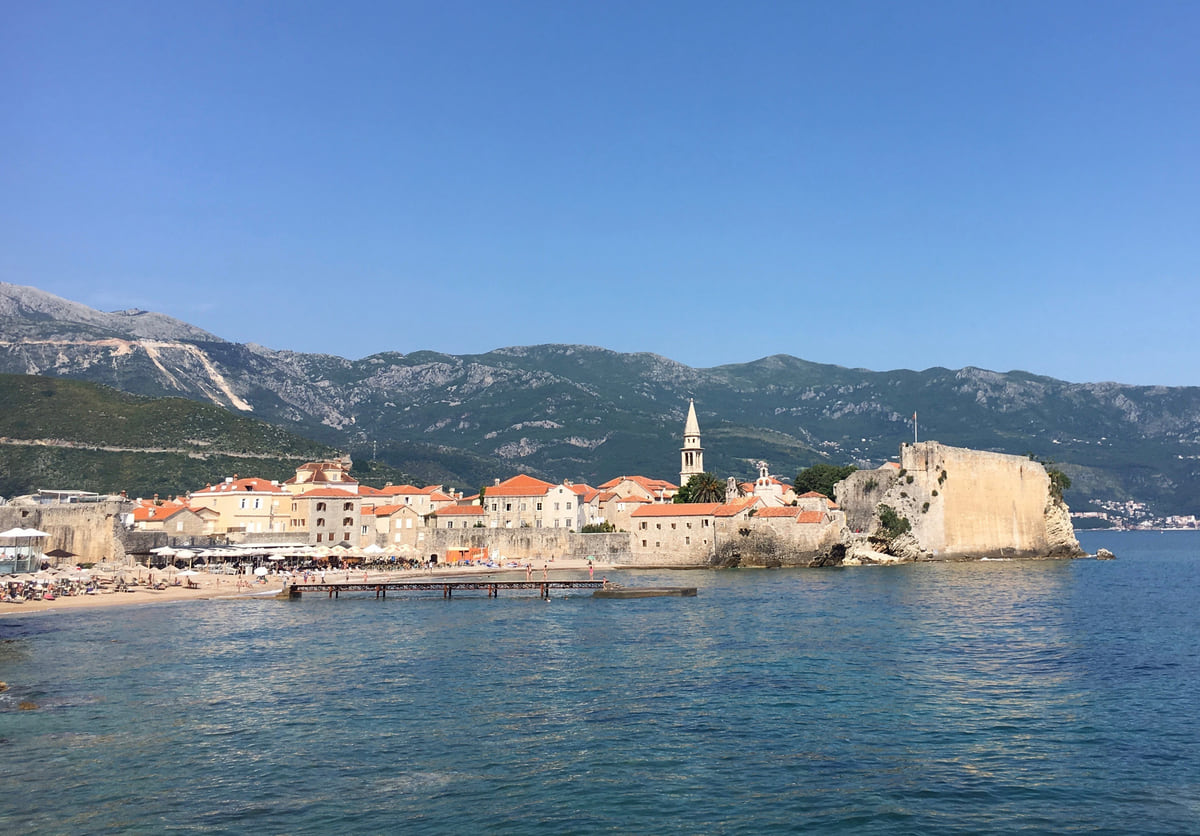
Budva has a local bus to Sveti Stefan every 10 minutes by day.
The Smokovac-Mateševo motorway and the Sozina tunnel are tolled.
If your plans go beyond the coast, hire a car. A week based on the Bay of Kotor and Budva works fine without one, but Durmitor, Lake Skadar or Ostrog without wheels means either an organised tour or a day of connections.
Sergio LeponeMy advice
Before you go
What I would keep in mind
01 Getting there
A short railway, but a cheap one
ZPCG runs ten trains a day between Bar and Podgorica, carries on to Bijelo Polje and Belgrade, and has a branch to Nikšić. It doesn't serve Kotor, Budva or Herceg Novi.
The Smokovac to Mateševo motorway costs €3.50 by car and the Sozina tunnel, between Podgorica and the Bar coast, €2.50, according to the operator Monteput.
On the map you could cross Montenegro in an afternoon, but on the ground it’s a different story. Mountains wall off the coast from the interior, the roads twist, and the railway only covers part of the country. Below I go through each kind of transport using what the operators publish, and how I’d build a trip on it.
A car gives you the whole country
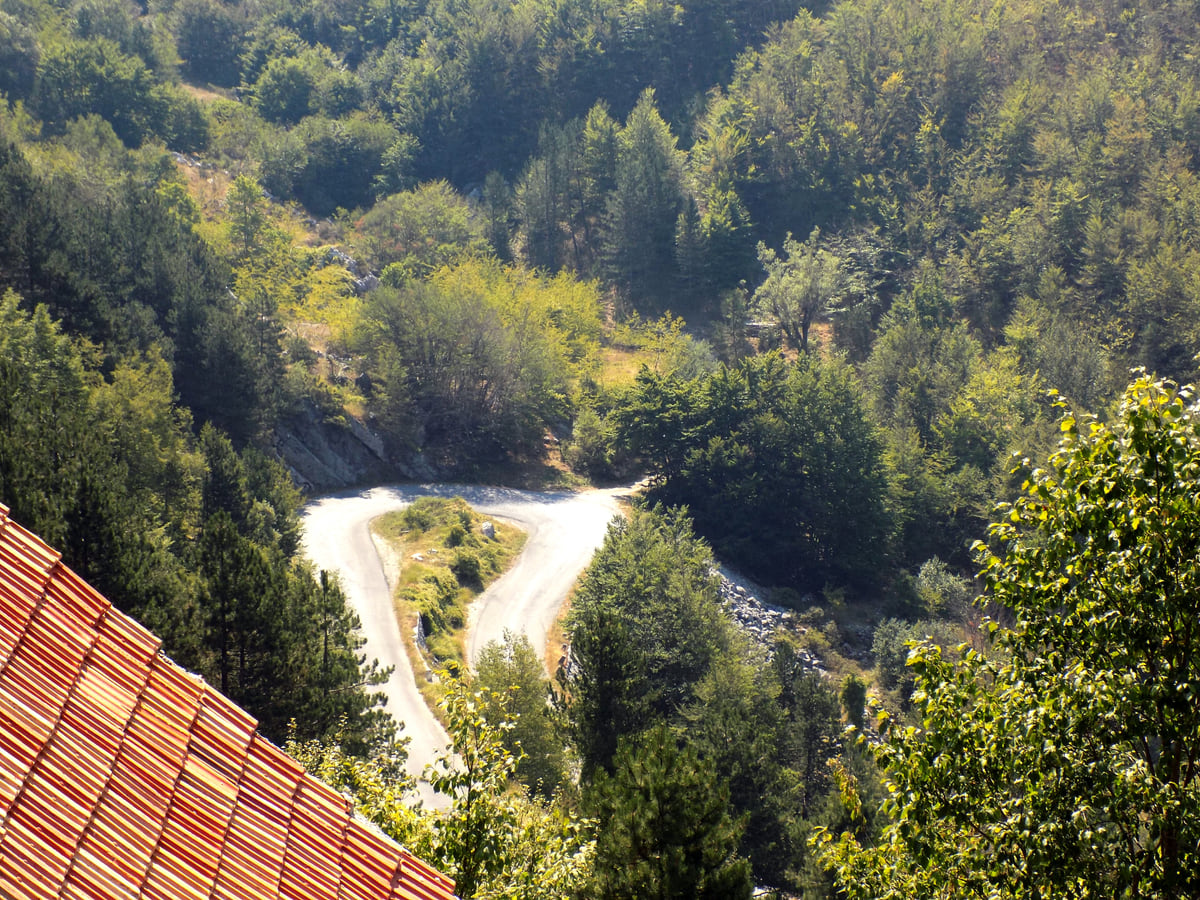
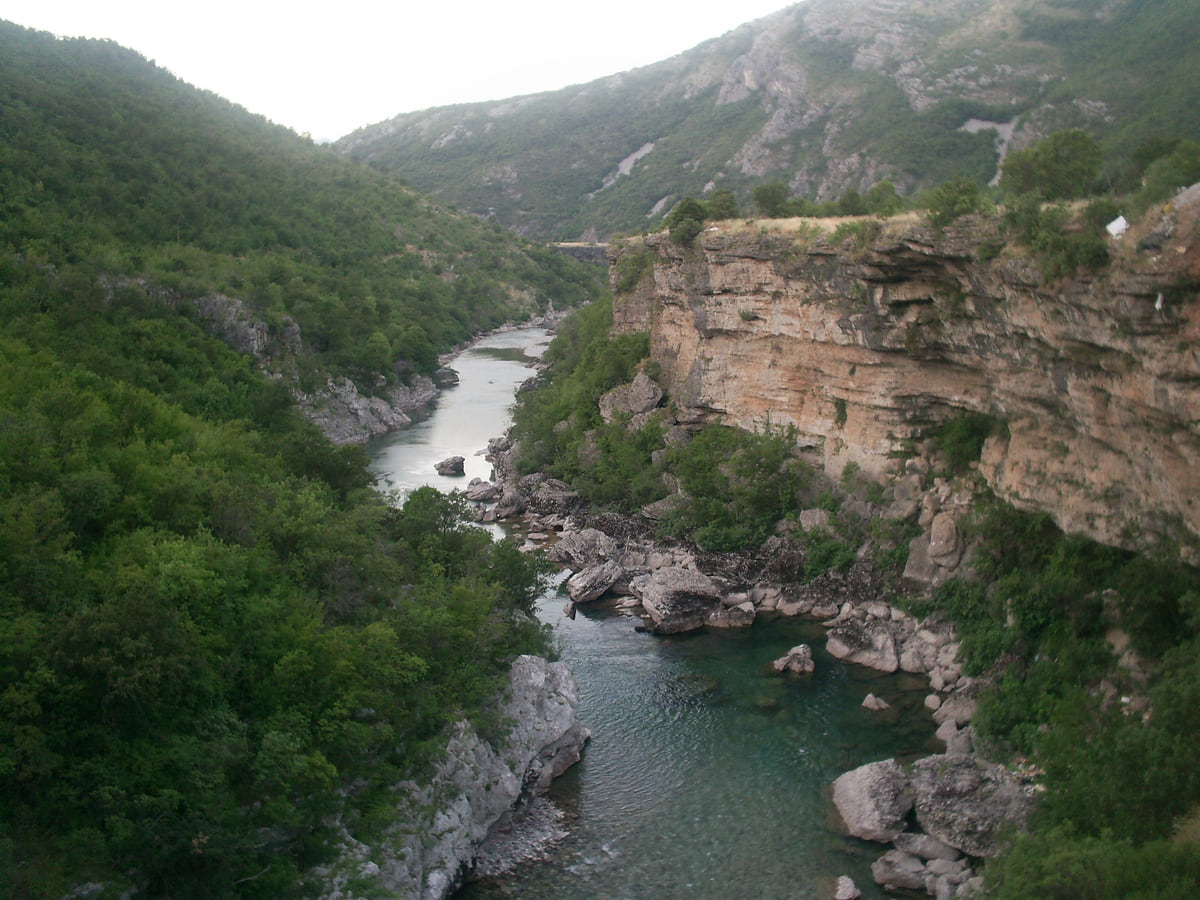
I’ll say it up front because it’s the conclusion. If your trip takes in Durmitor, Lake Skadar, Ostrog or anywhere in the north, a car saves you days. Traffic drives on the right, which takes a little getting used to coming from the UK. The Foreign Office’s verdict on the roads is fair but patchy, and it flags the Morača canyon as risky in rain and heavy traffic. In summer the coast and the border crossings clog up. Only two stretches charge tolls, a section of motorway and the Sozina tunnel, both under the state firm Monteput. The rules, fines and tricks are in driving in Montenegro, and before you sign a rental contract, check whether it lets you take the car abroad.
Trains, few but cheap
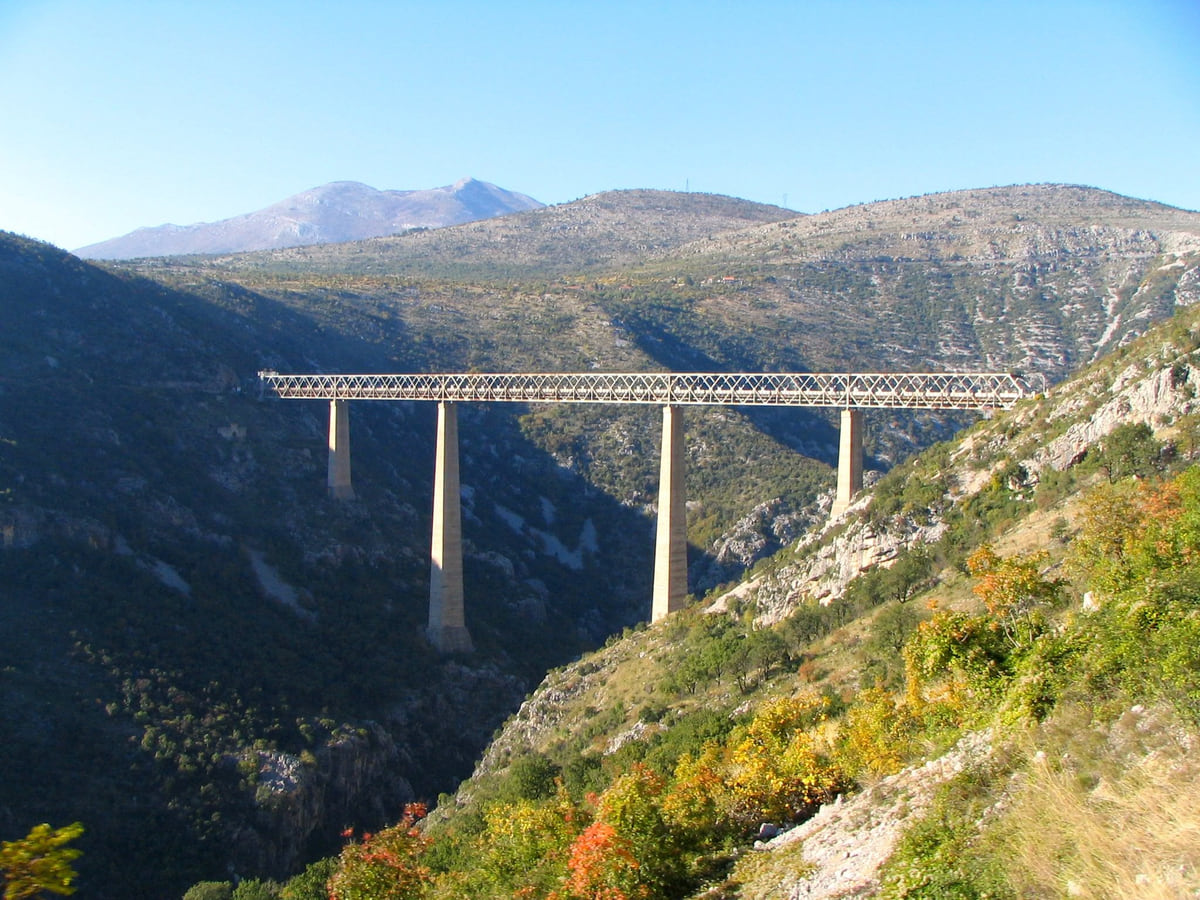
ZPCG’s main line runs from Bar through Sutomore, Virpazar and Podgorica, climbs through Kolašin and Mojkovac to Bijelo Polje and carries on to Belgrade, with a branch from Podgorica to Nikšić via Danilovgrad. The Bar to Podgorica run is the workhorse, ten departures daily, an hour long, €2.80 standard. Nikšić is just over an hour from Podgorica for €3.20, and the sleeper to Belgrade leaves Bar at 20:10. Nikšić gets five a day and Bijelo Polje four. What it doesn’t have is any service to the Bay of Kotor or Budva, where most visitors stay. Times, fares and stops are in Montenegro’s trains.
Long-distance coaches are privately run, and you’ll only find their times on sales sites such as busticket4.me. No public operator publishes a full network. What does have an official source is Budva’s local service. According to its tourist board, Mediteran Expres runs from the roundabout on Mediteranska street to Sveti Stefan every 10 minutes between 6am and 10pm, and to Petrovac every hour, all year round. I go through it in buses in Montenegro.
Arriving by air without a car is easier at Podgorica, where three bus companies run from a stop outside the terminal to the city’s central bus station, one of them carrying on to Ulcinj. Tivat airport lists no bus at all, so landing there you’re looking at a taxi, a transfer or a hire car from the desk.
Taxis, the ferry and the cable car
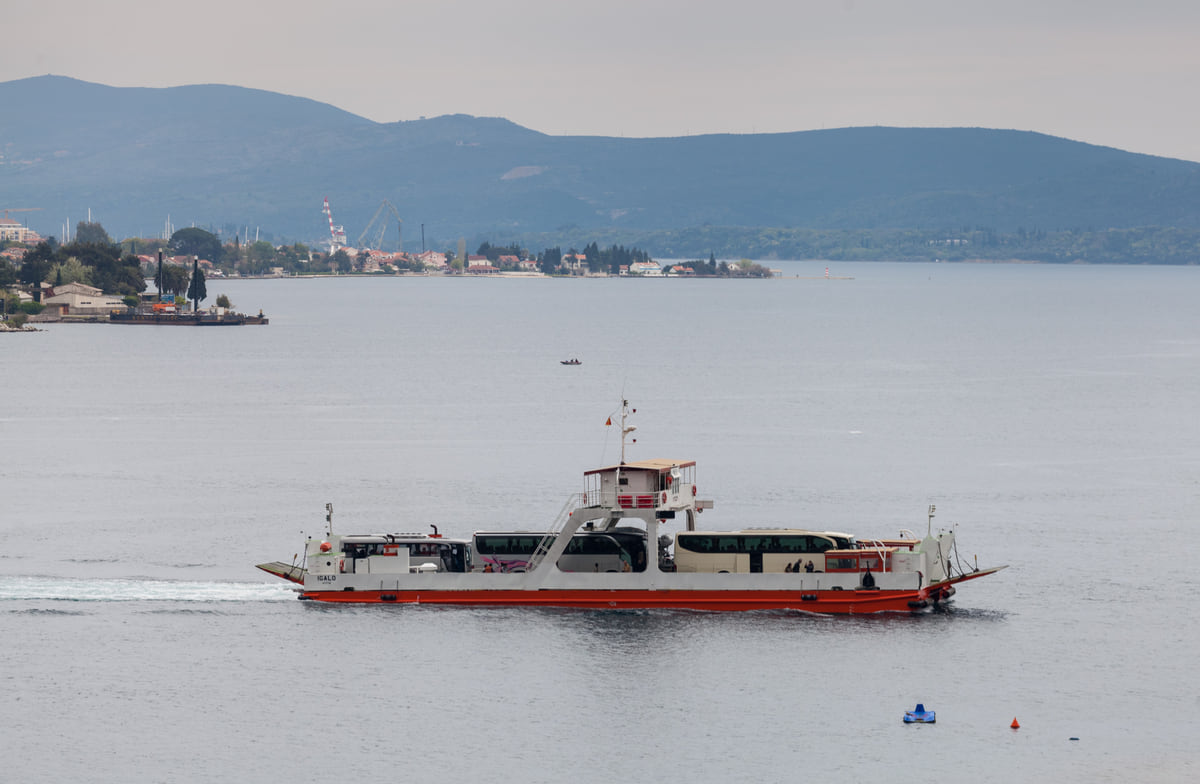
For short hops a taxi works, as long as it’s licensed and you agree the per-kilometre rate or the full fare first, as gov.uk advises. Taxis in Montenegro lists the firms each airport names and Budva’s ranks. In the Bay of Kotor, the Kamenari to Lepetane ferry saves you the full loop for €5 a car. And from Dub, just outside Kotor, the cable car climbs to Lovćen in 11 minutes, the quickest way I know from sea level to the mountains. It runs its own shuttle buses from Kotor, Budva and Tivat to the bottom station, and there’s paid parking at €1.30 an hour if you drive.
This is where people get caught out. Distances are short, speeds are not. By my OpenStreetMap estimate, Kotor to Budva is about 22 km and half an hour, but Podgorica to Žabljak is about 121 km and nearly two and a half hours before stops, and Kotor to Žabljak more than three hours. In August, add coastal traffic on top. The full table is in distances in Montenegro.
My plan of attack
For a week on the coast alone, I’d stay in Kotor or Budva, use the local bus and the odd taxi, and book one excursion to the lake or Cetinje. For the full country, I’d have a car from day one, take the ferry across the bay and do the train as an experience if passing through Bar or Podgorica. To string it all together, the stages are in a Montenegro road trip.
It's uneven. The state railway is cheap and reliable on its few lines, and towns like Budva run frequent local buses, but intercity coaches are private and their timetables only appear on booking sites. For the mountains, I'd hire a car.
How do you get around Montenegro without a car?
Use ZPCG trains between Bar, Podgorica, Nikšić and the north, private coaches between towns, and local buses such as Budva's line to Sveti Stefan and Petrovac. Day trips to the interior are easier on an organised excursion.
Can you get a train to Kotor or Budva?
No. The ZPCG network only reaches the coast around Bar and Sutomore. Kotor and Budva are reached by road or by sea.
What's the best way to get around Montenegro?
A hire car, in my view. Distances are short but mountain roads are slow, and the finest places inland are far from the railway and from fixed bus timetables.
Which side of the road do they drive on in Montenegro?
The right, so the opposite of home. Take it steadily on mountain roads at first, and remember gov.uk points British drivers to the RAC's Montenegro guide for the rules.
Are there toll roads in Montenegro?
Two, both run by Monteput. A car pays €3.50 for the whole Smokovac to Mateševo motorway section and €2.50 for the Sozina tunnel, by cash, card or electronic tag.
Tourism graduate with a master’s in Tourism Management and Planning from the University of Málaga, who has travelled across Europe. He writes every guide from official sources and his own judgement.