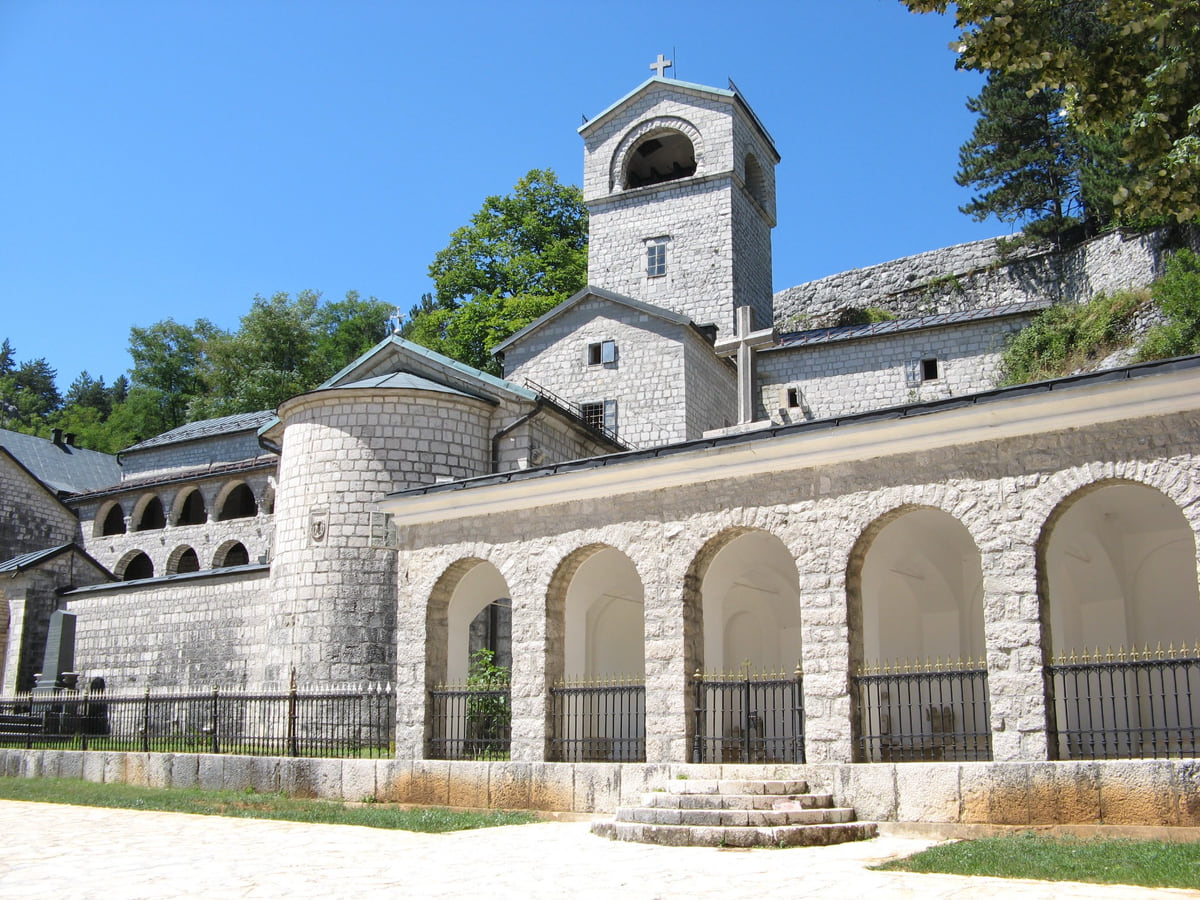
Official language, scripts and census
What language do they speak in Montenegro?
Montenegro's official language is Montenegrin, under Article 13 of the constitution, which also puts Serbian, Bosnian, Albanian and Croatian in official use. Cyrillic and Latin script have equal status. In the 2023 census, 43.18% gave Serbian as their mother tongue and 34.52% Montenegrin.
In 30 seconds
Full read: 2 min
- Montenegro's official language is Montenegrin.
- Serbian, Bosnian, Albanian and Croatian are in official use.
- Cyrillic and Latin script have equal status.
- In the 2023 census, Serbian was the most declared mother tongue.
I wouldn't worry about the language. Learn enough Cyrillic to read a road sign and a couple of words like 'hvala' (thank you), and you're ahead of most visitors. What I'd steer clear of is any debate about whether it's one language or several; that's not a traveller's business.

Before you go
What I would keep in mind
-
01 My tip
Two scripts, equal status
The constitution puts Cyrillic and Latin script on the same footing. You'll see both on the street, and knowing basic Cyrillic letters helps with signs and timetables.
Crna Gora and Montenegro -
02 My tip
Albanian in Ulcinj and Tuzi
Albanian is one of the languages in official use, and 5.25% gave it as their mother tongue in the census. That's why Ulcinj (Ulqin) and Tuzi (Tuz) also carry Albanian names.
Tuzi -
03 Most beautiful
Montenegrin since 2007
The National Tourism Organisation points out that Montenegrin has been the official language since the 2007 constitution. The same page lists the other four in official use.
-
04 Getting there
English in tourism
The official tourism, national park and airport websites all have English versions. How many people speak it on the street has no official figure, so I won't give you percentages.
Montenegro facts
What I would book
It sounds like a simple question, but in Montenegro the answer comes in layers. There’s one official language, four more in official use, two scripts with equal status, and a census that asks both about mother tongue and about the language spoken at home. Here’s what the constitution, the National Tourism Organisation and MONSTAT say, without wading into arguments that don’t belong in a travel guide.
What the constitution says
Article 13 of the 2007 constitution makes Montenegrin the official language. In the same sentence it puts Serbian, Bosnian, Albanian and Croatian in official use, and says Cyrillic and Latin script have equal status. The National Tourism Organisation sums it up the same way and notes that Montenegrin has been official since 2007.
For a visitor, that means signs in two scripts and, in places such as Ulcinj or Tuzi, Albanian names too, such as Ulqin for Ulcinj, Tuz for Tuzi or Guci for Gusinje, further north. How the country’s own name is written in each script is in Crna Gora and Montenegro.
What people declare in the census
The 2023 census asks two language questions. For mother tongue, Serbian came first with 269,307 people (43.18%), followed by Montenegrin with 215,299 (34.52%), then Bosnian (6.97%), Albanian (5.25%), Russian (2.36%) and Serbo-Croatian (2.08%). For the language spoken at home the picture is similar, with Serbian at 43.52% and Montenegrin at 36.23%.
These are personal declarations and I give them as they stand. I don’t interpret them, just as I don’t interpret those on nationality or religion, which are in Montenegro’s population.
If you are staying the night, see the best hotel deals in Kotor for your dates: the well-placed rooms go fast.
Cyrillic and Latin on the street
This is what will affect you most. You’ll see both scripts, sometimes on the same sign. I’d learn the basic Cyrillic letters before going, because they help you read the name of a bus stop, village or station when it only appears in one form. In this guide I always use Latin script, with its diacritics, as in Nikšić or Žabljak.
What about English?
The official websites I rely on, for tourism, national parks and airports, all have English versions, and gov.uk says the AMSCG roadside assistance line on +382 19807 also answers in English. How widely it’s spoken on the street or in the countryside has no official figure I’ve been able to read, so I won’t invent percentages. My approach would be to count on English in hotels and restaurants on the coast, which live off foreign visitors (2,446,563 of the 2,606,854 arrivals in 2024 were from abroad, according to MONSTAT), and in the north to carry an offline map and a translation app.
If you like this sort of everyday detail, I’ve gathered more in Montenegro facts, and matters of faith are in religion in Montenegro.
So you do not lose the morning at the ticket office, browse tickets and tours in Kotor on GetYourGuide.
If you are staying the night, see the best hotel deals in Kotor for your dates: the well-placed rooms go fast.
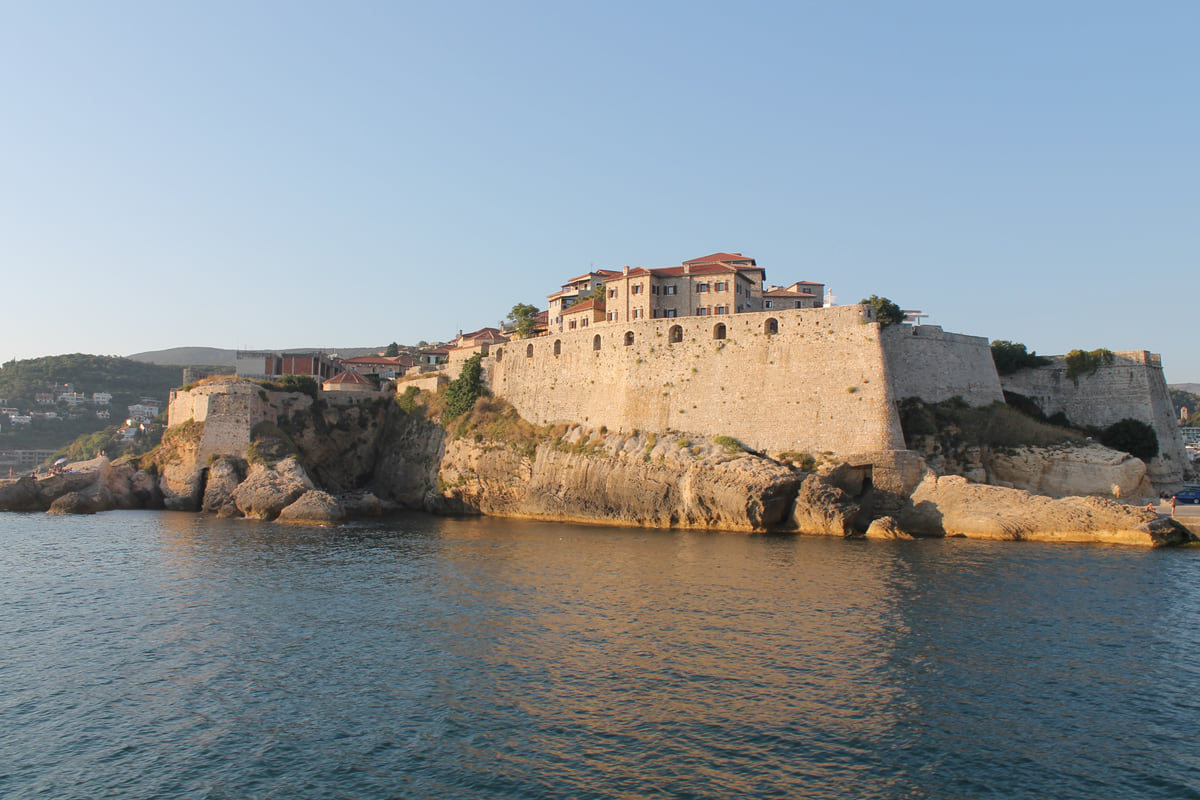
Ulcinj old town on its rocky headland, with walls and stone houses lit by the late afternoon sun
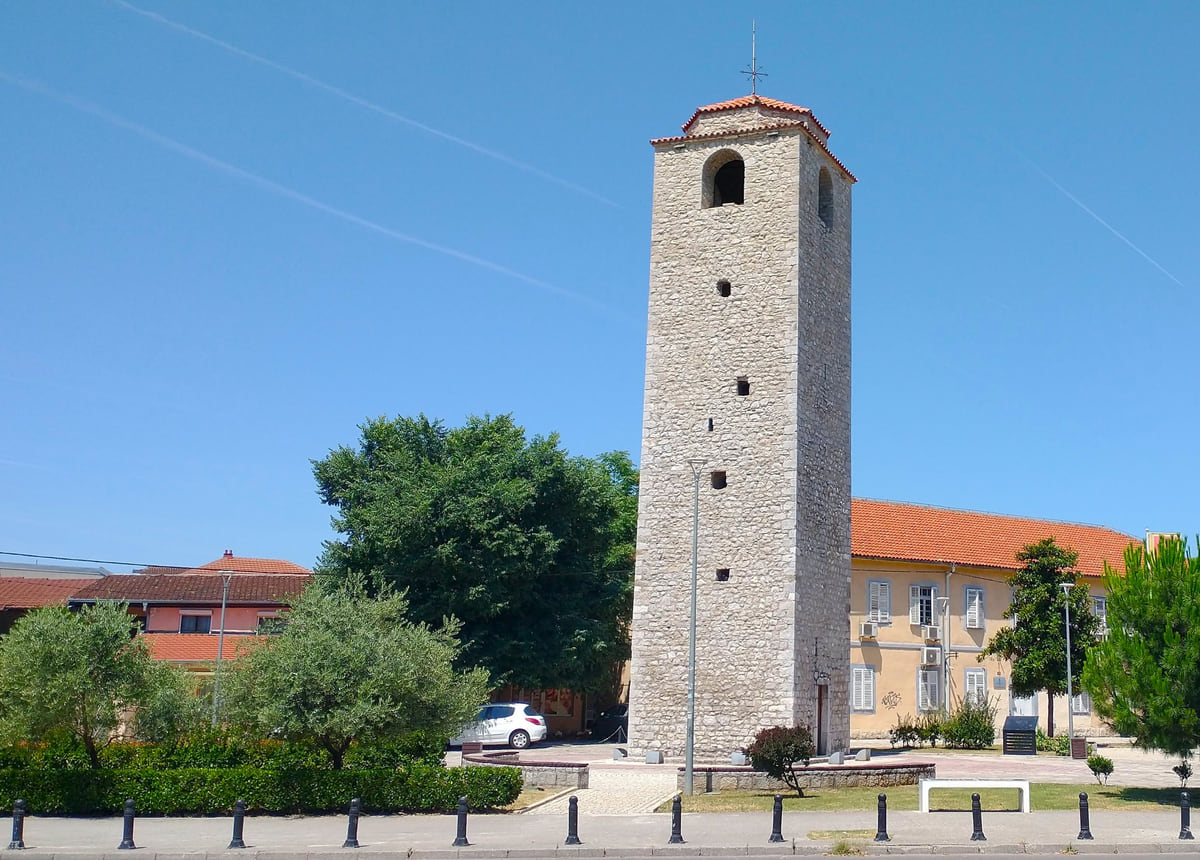
Podgorica's Ottoman clock tower in grey stone, standing in the old quarter's square with trees and low buildings around it
Mother tongue in the 2023 census
| Language | People | Share |
|---|---|---|
| Serbian | 269,307 | 43.18% |
| Montenegrin | 215,299 | 34.52% |
| Bosnian | 43,470 | 6.97% |
| Albanian | 32,725 | 5.25% |
| Russian | 14,731 | 2.36% |
| Serbo-Croatian | 12,999 | 2.08% |
| Croatian | 2,193 | 0.35% |
MONSTAT, 2023 census, second release, table 3. These are individual declarations. Checked on 10-10-2026.
Five words I'd learn
| In Montenegrin | In English |
|---|---|
| Dobar dan | Good day |
| Hvala | Thank you |
| Molim | Please |
| Da / Ne | Yes / No |
| Izlaz | Exit |
My own pick for travellers, in Latin script.
Test yourself
True or false?
0/3 Pick before you peek.
-
Montenegro's official language is Serbian.
See the answer
False. The official language is Montenegrin. Serbian is in official use, as are Bosnian, Albanian and Croatian.
-
Cyrillic and Latin script have equal status in Montenegro.
See the answer
True. Article 13 of the 2007 constitution puts them on an equal footing.
-
Serbian was the most declared mother tongue in the 2023 census.
See the answer
True. 43.18% declared it, against 34.52% for Montenegrin, according to MONSTAT.
- Official or officially used languages
- 5
- Scripts with equal status
- 2
- Serbian as mother tongue in the census
- 43.18%
- Montenegrin as mother tongue
- 34.52%
0 of 278 Montenegro guides
Your next stamp
- The name
- Facts
- Religion
- Cities
- Flag
- Aman Sveti Stefan
- Budva Old Town
- Haj-Nehaj
- Kotor
- Lučice Beach
- Montenegro's coast
- Peaks of the Balkans
- Porto Montenegro
- Sea Dance Festival
- Splendid Conference & Spa Resort
- Stari Bar
- Ulcinj Old Town
- Bay of Kotor
- Budva Riviera
- Heroj submarine
- Iberostar Bellevue
- Independence Day
- Old olive tree of Mirovica
- Tivat
- Velika plaža
- Ada Bojana
- Beaches in Budva
- Eurostars Queen of Montenegro
- Herceg Novi
- Kotor Old Town
- Mount Rumija
- Igalo
- Kotor city walls
- Mogren Beach
- Montenegro Beach Resort
- Svač
- Vrmac
- Hiking
- Jaz Beach
- Kanli kula
- Luštica peninsula
- St Tryphon Cathedral
- Ulcinj salt pans
- Forte Mare
- Gornja Lastva
- Maritime Museum, Kotor
- Slovenska Beach
- Drobni Pijesak Beach
- Kotor viewpoints
- Mamula
- Žanjic beach
- Kotor cruise port
- Orjen
- Plavi horizonti beach
- Sveti Nikola Island
- Blue Cave
- Restaurants in Budva
- Restaurants in Kotor
- Canyoning
- Hotels
- Perast
- Sutomore
- Sveti Stefan
- Čanj
- Luxury hotels
- Our Lady of the Rocks
- Pržno
- Things to do
- Activities
- All-inclusive hotels
- Bar Riviera
- Bečići
- Hotel Palma
- St George island
- Dobrota
- Hladna uvala
- Most beautiful places
- Petrovac
- Crvena stijena
- Prčanj
- Prettiest villages
- Cycling
- Risan
- UNESCO sites
- Heritage Grand Perast
- Map
- Hyatt Regency Kotor Bay
- Where is it?
- Regions
- Beaches in Bar
- Budva
- Central Montenegro
- Hotels in Budva
- Hotels in Kotor
- Iberostar Waves Herceg Novi
- Kitesurfing
- Beaches in Ulcinj
- Hotels in Perast
- Palmon Bay Hotel & Spa
- Podgorica
- Cathedral of the Resurrection
- One&Only Portonovi
- Population
- Sandy beaches
- Azul Beach Resort Montenegro
- Naturist beaches
- Size
- Stara Varoš
- Doclea
- Mimosa Festival
- Medun
- Zipline
- Currency
- Museums in Podgorica
- Dajbabe Monastery
- EU membership
- History
- Restaurants in Podgorica
- Hotels in Podgorica
- Public holidays
- Avala Resort & Villas
- Bar
- Beaches in Kotor
- Birdwatching
- Hotels in Ulcinj
- Kotor carnival
- Time zone
- Tivat beaches
- Tuzi
- Boka Night
- Dukley Hotel & Resort
- Hotels in Tivat
- Zeta
- Caves
- Herceg Novi beaches
- National parks
- Šipčanik
- Hotels in Herceg Novi
- Monasteries
- Fortresses
- Fly fishing
- Museums
- Canyons and waterfalls
- Lakes
- Mountains
- Montenegro and Croatia
- Beaches
- Boat trips
- Cetinje
- Montenegro and Albania
- Nightlife
- Ulcinj
- Weather
- Best time to visit
- Cetinje Monastery
- Kayaking
- Montenegro and the Balkans
- How to get there
- In summer
- King Nikola's Palace
- Sailing
- Biljarda
- Flights
- In winter
- Airports
- Museums in Cetinje
- New Year's Eve
- Lovćen
- Paragliding
- Tivat Airport
- Njegoš Mausoleum
- Podgorica Airport
- Dubrovnik to Kotor
- Kotor serpentine
- Belgrade to Montenegro
- Njeguši
- Ferry to Italy
- Njeguši prosciutto
- Border crossings
- In January
- Lipa Cave
- Where to stay
- In February
- Kamenari-Lepetane ferry
- Pavlova strana
- Getting around
- In March
- Rijeka Crnojevića
- In April
- Trains
- Buses
- In May
- Car hire
- In June
- Driving
- In July
- In August
- Taxis
- Distances
- In September
- In October
- Road trip
- Food
- In November
- Lake Skadar
- Scenic drives
- In December
- Kotor cable car
- Virpazar
- Where to eat
- Budva to Kotor
- Godinje
- Wine
- Podgorica to Kotor
- Vranjina
- Besac fortress
- Prices and budget
- On a budget
- Žabljak Crnojevića
- Danilovgrad
- Entry requirements
- Ostrog Monastery
- Tourist registration
- Customs
- Nikšić
- Crvena Stijena cave
- Safety
- Events
- Healthcare
- Northern Montenegro
- Mobile and roaming
- Žabljak
- Durmitor
- Plugs
- Black Lake
- With kids
- Bobotov Kuk
- Holidays
- Day trips
- Stećci tombstones
- Hotels in Žabljak
- Three-day itinerary
- Five-day itinerary
- Skiing in Montenegro
- One-week itinerary
- Skiing in Žabljak
- Šavnik
- Ten-day itinerary
- Nevidio Canyon
- Tara Canyon
- Tara rafting
- Đurđevića Tara Bridge
- Plužine
- Lake Piva
- Piva Monastery
- Mojkovac
- Brskovo
- Pljevlja
- Husein Pasha Mosque
- Kolašin
- Hotels in Kolašin
- Skiing in Kolašin
- Biogradska Gora National Park
- Komovi
- Morača Monastery
- Morača Canyon
- Bijelo Polje
- Đalovića Cave
- Berane
- Andrijevica
- Petnjica
- Rožaje
- Plav
- Lake Plav
- Gusinje
- Vusanje
- Prokletije National Park
Frequently asked questions
What language do they speak in Montenegro?
The official language is Montenegrin, and the constitution also puts Serbian, Bosnian, Albanian and Croatian in official use. In the 2023 census Serbian was the most declared mother tongue (43.18%), followed by Montenegrin (34.52%).
What is the official language of Montenegro?
Montenegrin, under Article 13 of the 2007 constitution. The same article gives Cyrillic and Latin script equal status.
Do they speak English in Montenegro?
The official tourism, national park and airport websites are in English, and gov.uk says the AMSCG roadside assistance line also answers in English. There's no official figure for how many people speak it.
Does Montenegro use the Cyrillic alphabet?
It uses both Cyrillic and Latin script, which the constitution places on an equal footing. You'll often see both on signs, sometimes side by side.
Is Montenegrin the same as Serbian?
The constitution treats them as separate, Montenegrin as the official language and Serbian in official use, and the census asks about them separately. I'll leave it there, as it's not a question for a travel guide to settle.
What other languages are spoken in Montenegro?
Serbian, Bosnian, Albanian and Croatian are in official use under the constitution. Russian also appears in the census as the mother tongue of 2.36% of the population.
By
Tourism graduate with a master’s in Tourism Management and Planning from the University of Málaga, who has travelled across Europe. He writes every guide from official sources and his own judgement.
Published on . Facts checked on .
Sources
Some links in this guide are affiliate links: if you book through them, the site earns a commission at no extra cost to you. Affiliate disclosure
Photos: Koroner (CC BY-SA 3.0); Mjuzikxhankej (CC BY-SA 3.0); MOs810 (CC BY 4.0), via Wikimedia Commons.