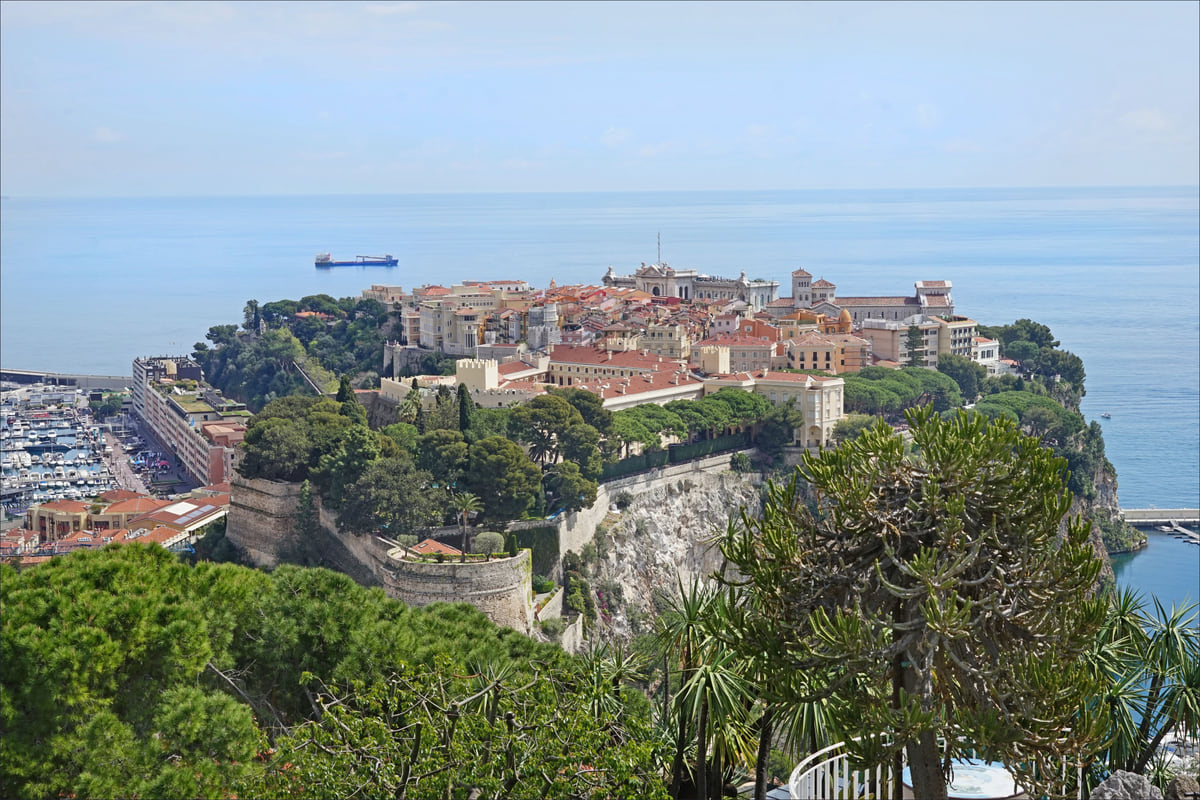
Official language set by the Constitution
French runs the country, Monegasque signs the streets of the old town

What you need to know
The language of Monaco is French, the only official language under Article 8 of the Constitution, and it is what you will hear in shops, offices and restaurants. The country's own tongue is Monegasque, descended from Genoese, which the tourist board says about 5,000 people speak and which is compulsory in state schools.
In Monaco-Ville several street signs are in Monegasque too.
The fact file
- Official language
- French (Constitution, Art. 8)
- Native language
- Monegasque, or munegascu
- Monegasque speakers
- About 5,000, per VisitMonaco
- At school
- Compulsory since 1976
- Where you'll see it
- Street signs in Monaco-Ville
In 30 seconds
Full read: 4 min
- Monaco's only official language is French, under Article 8 of the Constitution.
- Its own language is Monegasque, descended from Genoese, spoken by about 5,000 people according to VisitMonaco.
- Monegasque is compulsory in state schools and appears on street signs in Monaco-Ville.
- In hotels, museums and shops you'll be served in English without trouble.
A British visitor can get by in English almost everywhere tourists go, but I'd still learn to open every exchange with bonjour. In Monaco, as in France, skipping it reads as rude, and it costs nothing.
Bookings I would make
- Tours and ticketsGetYourGuide Guided walk around Monaco in English A guided walk is the easiest way to understand the Rock and its signs without leaning on your schoolboy French.
- Data eSIMHolafly Data for your translation app Monaco is outside EU roaming rules, and maps and translation apps eat data all day.
Monaco's languages at a glance
| Language | Status | Where you'll hear or see it |
|---|---|---|
| French | Sole official language (Art. 8 of the Constitution) | Signs, government, menus, press |
| Monegasque (munegascu) | Historic language, compulsory at school | Street signs on the Rock, the anthem, traditional festivals |
| English and Italian | No official status | Hotels, shops and tourism; no official figures on use |
Constitution of Monaco and VisitMonaco. The tourist board publishes no figures on how widely English or Italian are spoken.
The practical bit
What I would keep in mind
-
01 Most beautiful
Bilingual street signs on the Rock
In Monaco-Ville several streets are also named in Monegasque. It's the easiest way to see written down a language that was only spoken for centuries, and a good excuse to look up while you wander the old town.
Monaco-Ville, the old town on the Rock -
02 My tip
Open in French, then switch to English
French is the language of the state, the signs and the menus. Staff in tourism almost always speak English, but opening with 'bonjour' and leaving with 'merci' is the courtesy expected in any shop on the Riviera.
-
03 Most beautiful
The anthem is sung in Monegasque
The words sung at official ceremonies were written in Monegasque by Louis Notari. National Day on 19 November, in the palace square, is your best chance of hearing it live.
Monaco National Day -
04 Getting there
Your phone changes country as well
Language won't cause you problems, your phone bill might. Since Brexit UK networks set their own charges for Europe, and Monaco sits outside EU roaming rules anyway, so check your plan before you lean on translation apps.
using your phone in Monaco
It sounds like a one-line answer, and it has two. People in Monaco speak French, and that’s the one you need for the trip. But the country also has its own tongue, Monegasque, which hardly anyone uses to order a coffee and which still turns up on street signs in the old town, in the national anthem and in every state classroom. To me that second answer is the interesting one, so here are both.
What language is spoken in Monaco?
French. Article 8 of the Constitution says so plainly, it’s the official language of the state and the only one. Signs, menus, parking fines and the local papers are in French, and it’s what you’ll hear on the street.
For a visitor that changes very little. Hotels, museums, the boutiques around the Casino and restaurants with an international crowd will switch to English without a second thought. What I would do is walk in with a ‘bonjour’ and walk out with a ‘merci’. Nobody writes it down, but it’s the courtesy of the whole Riviera and you notice the difference.
The one practical catch is your phone rather than your vocabulary. British tariffs have treated Europe as their own business since Brexit, and the Principality sits outside the EU’s roaming area anyway, so leaning on a translation app over mobile data may cost more than you’d guess. I go through the options in using your phone in Monaco.
Do people speak English in Monaco?
Here I’d rather be careful. Plenty of people will tell you Monaco runs on Italian and English, and it’s plausible, because Italians are the third-largest nationality with 7,559 residents, the British number 3,081 and close to 57,000 cross-border workers arrive each weekday, the bulk of them from the French and Italian side. But no official source I’ve read measures how much either language is used, so I won’t hand you invented percentages.
My advice is simple. For getting about, eating and museums, English will do. For understanding the country, it’s worth knowing there’s a language of its own behind the French, one Monaco takes seriously, as I explain alongside the flag and the anthem in Monaco’s flag and symbols. And if you want to know who the Monegasques keeping it alive actually are, I cover that in who the Monegasques are.
Once your dates are set, check which hotels are still free in Monaco before prices climb.
Monegasque, the local tongue
The government calls it ‘a lenga d’i nostri avi’, the language of our ancestors. It grew out of Genoese, which makes sense once you remember the Grimaldis were a Genoese family, and drifted away as Monaco broke with that republic and mixed with the neighbouring speech of Provence, Liguria and Piedmont.
Something odd happened in the 1860s. The founding of Monte-Carlo pulled in people from the valleys behind Nice, from Italy, Piedmont and Liguria, each with a dialect of their own. Those accents gathered round Monegasque, which they had a lot in common with, and produced a shared everyday speech that became a badge of belonging. I like that story because it shows a small language isn’t a museum piece, it moves with whoever arrives.
Until well into the 20th century Monegasque was spoken, not written. In 1924 a handful of Monegasques founded what became the National Committee of Monegasque Traditions to put it on paper, and in 1927 the writer Louis Notari codified it. A small literature followed, and so did the words of the anthem still sung at official ceremonies.
How many people speak Monegasque?
The tourist board says about 5,000. I haven’t found an official survey behind that number, so I read it as a rough guide. For context, 38,857 people live in Monaco and 9,333 hold Monegasque nationality, which tells you Monegasque is far from being every Monegasque’s first language.
Where things really changed is the classroom. Prince Rainier III made it compulsory in state primary schools in 1976 and across state schools in 1988, and today it’s compulsory up to the end of lower secondary and optional later on. A Commission for the Monegasque Language was set up in 1982 and renewed in 2025 with three working groups, for grammar, for vocabulary and the dictionary, and for spreading the language. For a tongue with so few speakers that’s a serious commitment, and to my mind among the most sensible choices the Principality has made.
So you do not pay over the odds, look at trains, coaches and flights to Monaco on Omio and pick the one that suits you.
Spotting Monegasque on the Rock
Head for the Rock. In Monaco-Ville a number of streets are signed in Monegasque as well as French, and hunting for them between the palace and the cathedral gives the walk another layer. I explain how to explore the district in Monaco-Ville, the old town.
The other way in is a festival. On National Day, 19 November, the anthem is sung in Monegasque, and at Sainte Dévote, Saint John or Saint Nicholas the traditional costumes come out along with the Palladienne, a costumed dance accompanied by mandolin players. I’ve gathered them in Monaco’s traditions and festivals and in Monaco National Day.
A car frees you from timetables: search car hire in Monaco on DiscoverCars and compare companies.
Once your dates are set, check which hotels are still free in Monaco before prices climb.
Monegasque in dates
| Year | What happened |
|---|---|
| 1860s | A mixed dialect grows with newcomers from Nice, Italy, Piedmont and Liguria |
| 1924 | A group of Monegasques found what becomes the National Committee of Traditions |
| 1927 | Louis Notari sets the language down in writing |
| 1976 | Prince Rainier III makes it compulsory in state primary schools |
| 1982 | The Commission for the Monegasque Language is created |
| 2025 | The Commission is renewed with three working groups |
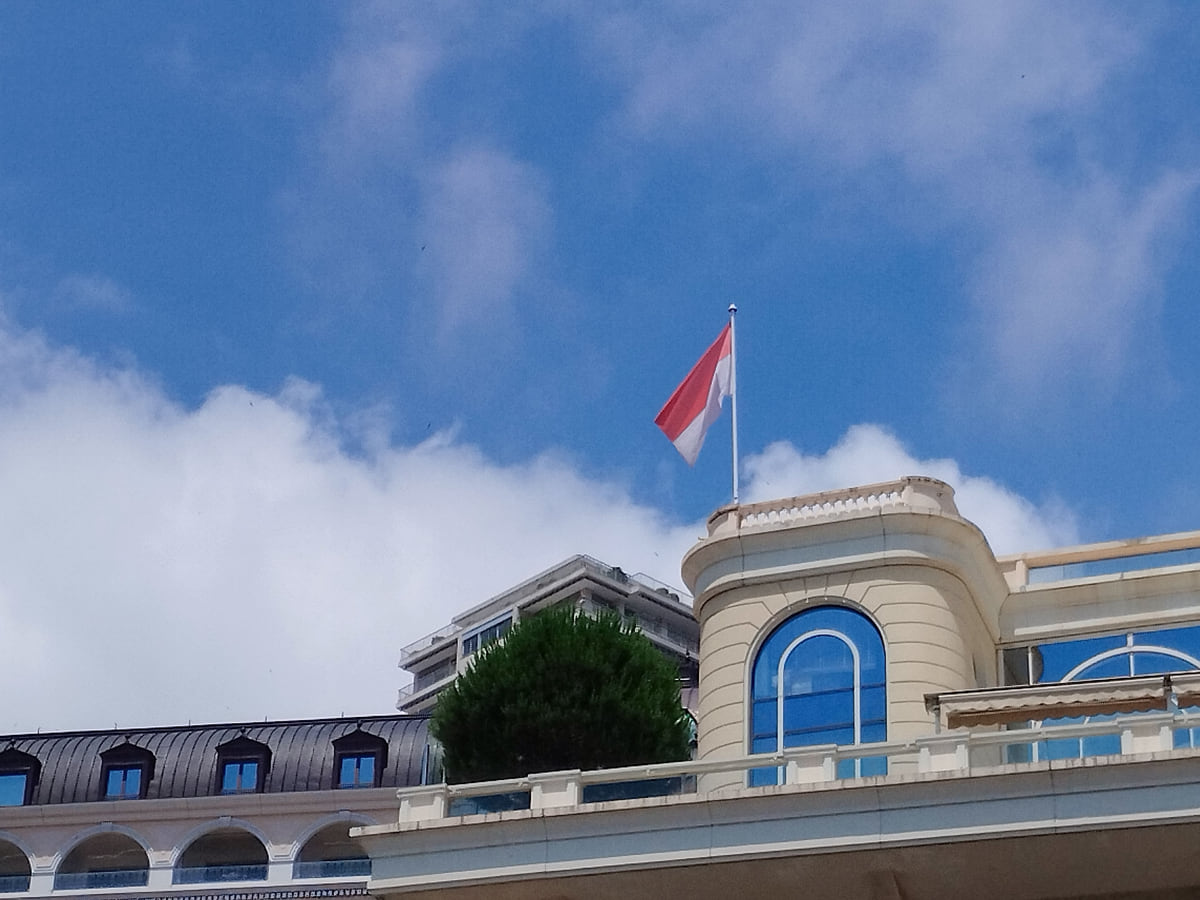
The red and white flag of Monaco flying over a harbour building under a blue sky with clouds.
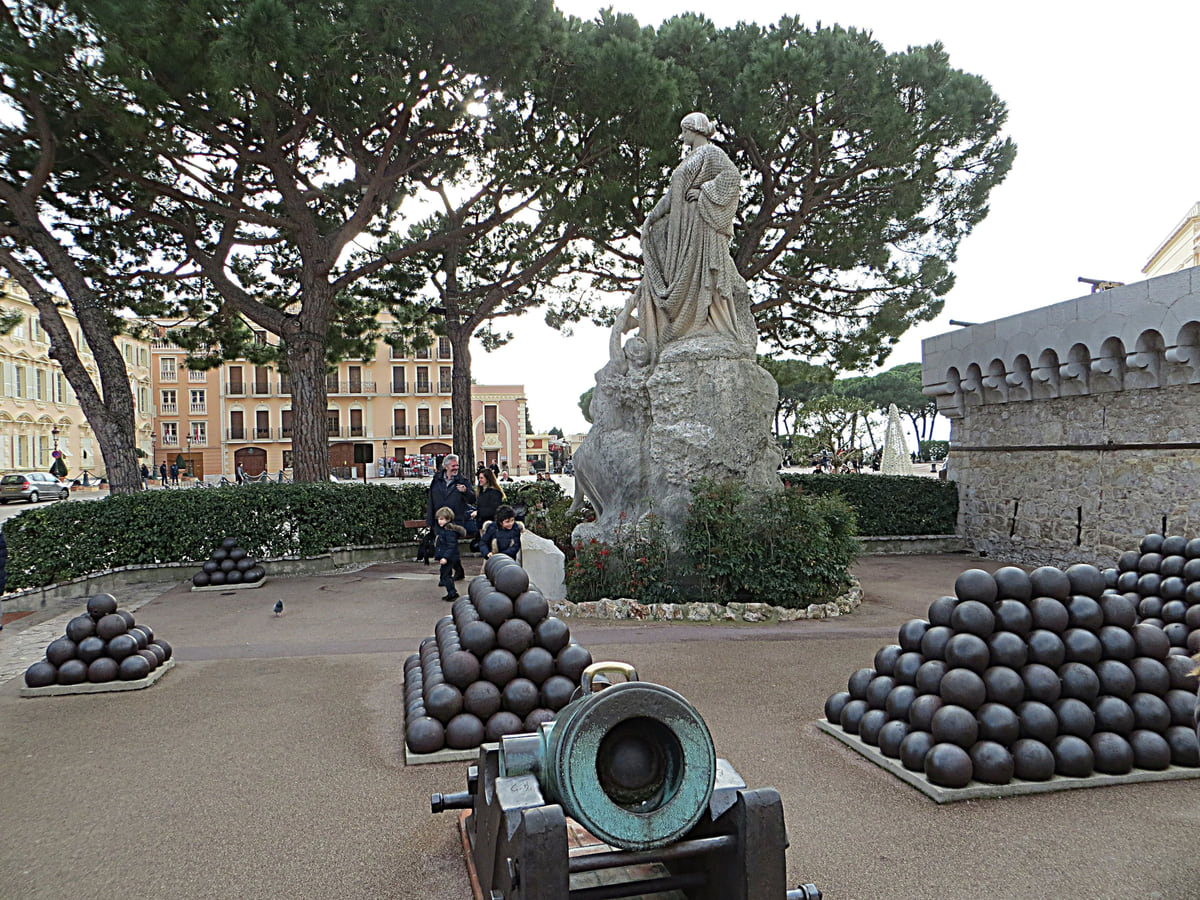
Bronze cannon and pyramids of cannonballs on the Palace Square, next to the statue of Francesco Grimaldi and the pine trees.
Test yourself
True or false?
0/4 Pick before you peek.
-
Monegasque is the official language of Monaco.
See the answer
False. French is the only official language, under Article 8 of the Constitution. Monegasque is the historic language and is taught at school.
-
Monegasque comes from Genoese.
See the answer
True. According to the government and VisitMonaco, it grew out of Genoese and changed over time through contact with the dialects of Provence, Liguria and Piedmont.
-
Monegasque has always had a written grammar.
See the answer
False. It was a spoken language until the 20th century. A group of Monegasques began writing it down in 1924 and Louis Notari codified it in 1927.
-
Some streets in Monaco-Ville are signed in Monegasque.
See the answer
True. VisitMonaco notes that in the Monaco-Ville district several streets carry their name in Monegasque.
- Official language, French
- 1
- Monegasque speakers, per VisitMonaco
- 5,000
- Year Louis Notari codified it
- 1927
- Compulsory in state primary schools
- 1976
Frequently asked questions
What language do they speak in Monaco?
French, the only official language under Article 8 of the Constitution. The country's own language is Monegasque, but day to day and with visitors people use French, and in hotels, shops and museums English is widely spoken.
What is Monegasque?
Monaco's historic language, called munegascu. It comes from Genoese and changed after the break with Genoa and through contact with the dialects of Provence, Liguria and Piedmont. It was mainly spoken, not written, until Louis Notari codified it in 1927.
How many people speak Monegasque?
The tourist board puts it at about 5,000. I haven't found an official survey behind that figure, so treat it as a guide. For scale, 38,857 people live in Monaco and 9,333 of them are Monegasque nationals.
Is English widely spoken in Monaco?
In tourism, yes. You'll be served in English in hotels, museums and most restaurants. There are 3,081 British residents according to IMSEE, but no official figures on how many people speak English, so don't expect it from everyone.
Do they speak Italian in Monaco?
You'll hear it often. Italians are the third-largest nationality, with 7,559 residents, and many people commute in from Italy every day. It has no official status, though, and there are no public figures on its use.
Is Monegasque taught in schools?
Yes. Prince Rainier III made it compulsory in state primary schools in 1976 and across state schools in 1988. It's compulsory up to the end of lower secondary and optional after that.
0 of 140 Monaco guides
Your next stamp
- Is it a country?
- Monegasques
- Museum of Old Monaco
- Facts
- Things to do
- One day
- Two days
- Monaco-Ville
- Monte Carlo Casino
- Prince's Palace
- Changing of the guard
- Cathedral
- Port Hercule
- Oceanographic Museum
- Museums
- Prince's Car Collection
- Stade Louis II
- Beaches
- Exotic Garden
- Japanese Garden
- Monte-Carlo
- La Condamine
- Fontvieille
- Gardens and parks
- Larvotto
- Monaco Grand Prix
- Grand Prix tickets
- Monaco circuit
- Moneghetti
- La Rousse-Saint-Roman
- Monte Carlo Masters
- Events
- Les Moulins
- Best time to visit
- Fort Antoine
- Villa Paloma
- Weather
- With kids
- Casino Square
- Viewpoints
- Sculpture trail
- Yacht Club de Monaco
- Churches
- Fontvieille harbour
- Getting there
- Flights to Monaco
- Nice to Monaco
- Getting around
- Paris to Monaco
- Parking in Monaco
- Phone and roaming
- Public lifts
- Train station
- Helicopter from Nice
- Money
- Nightlife
- Scams and safety
- Shopping
- Accessible travel
- Cruise port
- Tours
- Where to stay
- Cheap hotels
- Where to eat
- Food
- Grand Prix hotels
- Le Méridien Beach Plaza
- Luxury experiences
- Free and cheap
- Port Palace
- Day trips
- Hotel Ambassador
- Hotel Miramar
- Is it expensive?
- Hôtel de Paris
- Hôtel Hermitage
- Map
- Café de Paris
- Flag
- Monte-Carlo Bay
- Fairmont Monte Carlo
- History
- Grimaldi family
- Hôtel Métropole
- Grace Kelly
- Le Louis XV
- Novotel Monte-Carlo
- Buddha-Bar Monte-Carlo
- Columbus Monte-Carlo
- Euro coins
- Jimmy'z Monte-Carlo
- Monaco in films
- Twiga Monte Carlo
- Nikki Beach Monte Carlo
- Sporting Monte-Carlo
- Cipriani Monte Carlo
- Michelin restaurants
- Monte Carlo Rally
- Circus Festival
- Historic Grand Prix
- Maya Bay Monaco
- COYA Monte-Carlo
- Les Ballets de Monte-Carlo
- Monaco Yacht Show
- Monte Carlo Opera
- Beefbar Monaco
- Christmas
- Top Marques
- Diamond League (Herculis)
- Sainte-Dévote church
- Sass Café
- Jazz Festival
- Mareterra
- Monaco beer
- Monaco E-Prix
- National Day
- Traditions
- Yacht and boat charter
- Rainier III swimming pool
- Grimaldi Forum
- Saint-Martin Gardens
- Princess Grace Rose Garden
- Princess Antoinette Park
- La Condamine Market
- Chapel of Mercy
- Opening hours and holidays
- Time zone
- Dialling code
- Entry requirements
- Prison
- Tax
- Number plates
- MonaBike, bike hire
- Post office and postcode
- Cannes to Monaco
- Sanremo to Monaco
- Car hire
- Zoological Garden
- Metropole shopping centre

Questions about Monaco? Write to me
If something does not add up or a fact is missing, write to me and I will answer myself.
My email sergiolepone@gmail.com
By
Tourism graduate with a master’s in Tourism Management and Planning from the University of Málaga, who has travelled across Europe. He writes every guide from official sources and his own judgement.
Published on . Updated on . Facts checked on .
Sources
Some links in this guide are affiliate links: if you book through them, the site earns a commission at no extra cost to you. Affiliate disclosure
Photos: Jean-Pierre Dalbéra from Paris, France (CC BY 2.0); Nerka01 (CC0); Mister No (CC BY 3.0), via Wikimedia Commons.