Cetinje, the historic capital you can see in a long afternoon
Cetinje is Montenegro's old royal capital, the «Prijestonica» named in the Constitution, 672 metres up and about 30 km from Podgorica. Ivan Crnojević founded it in the late 15th century and the Petrović dynasty ruled from here for two centuries. The municipality has 14,494 people and holds Cetinje Monastery, the Biljarda, King Nikola's palace and the National Museum.
In 30 seconds
Full read: 3 min
Cetinje is Montenegro's old royal capital; the capital today is Podgorica.
Ivan Crnojević founded it in 1482 and the Petrović dynasty ruled from here.
The essentials are the monastery, the Biljarda, King Nikola's palace and the National Museum.
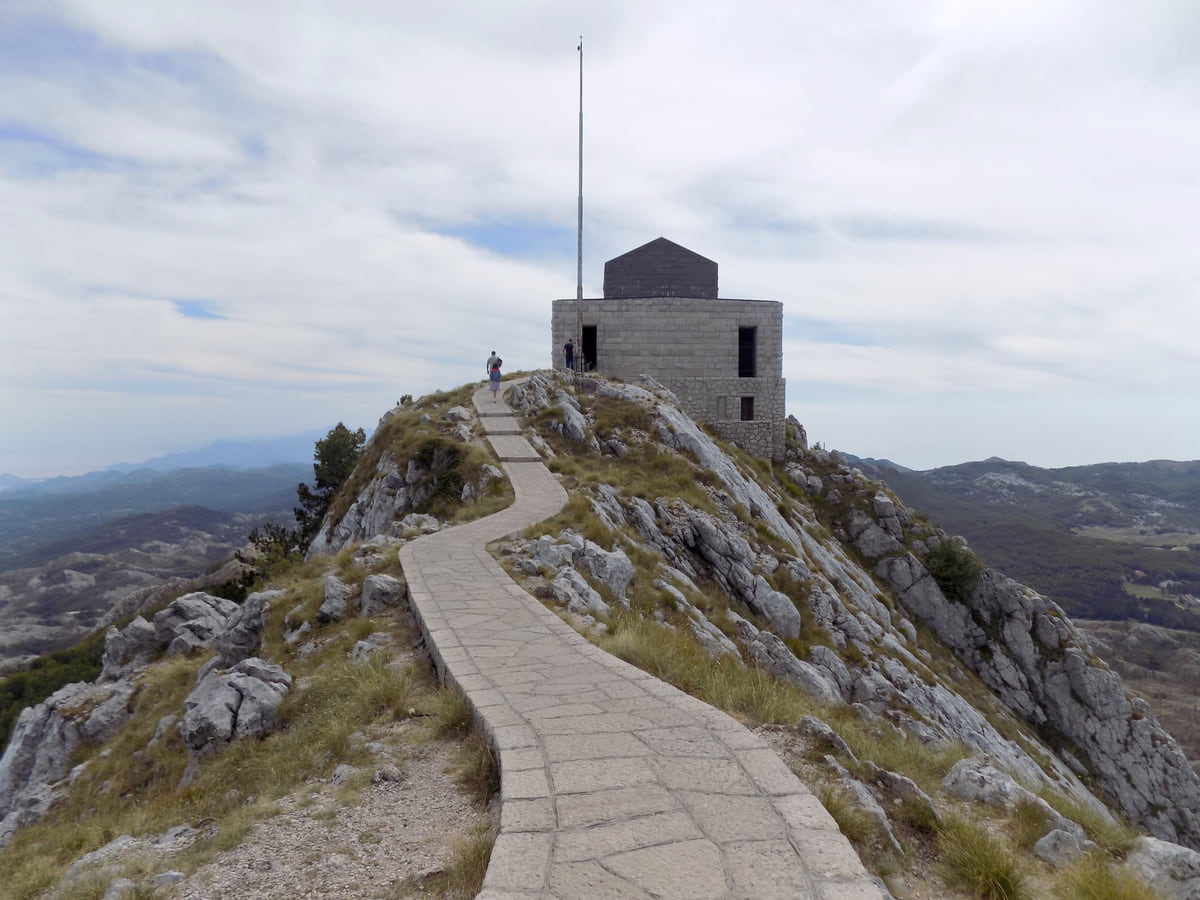
The Njegoš Mausoleum on Lovćen is about 20 km away.
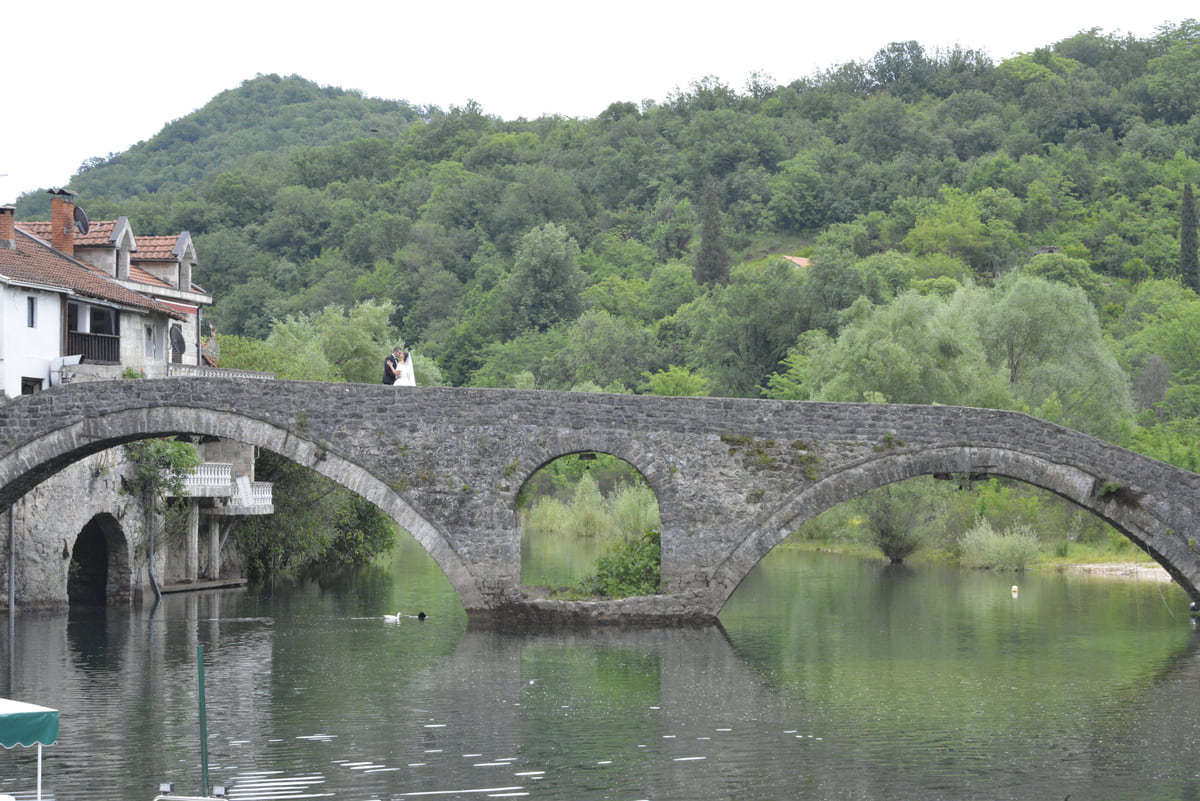
If I could pick only one inland town to wander, it would be Cetinje. I'd swap a night in Kotor for a night here, so I could see the monastery first thing, drive up Lovćen in the late light and drop down to Rijeka Crnojevića the next morning.
Sergio LeponeMy advice
Before you go
What I would keep in mind
01 Most beautiful
Montenegro in miniature, in concrete
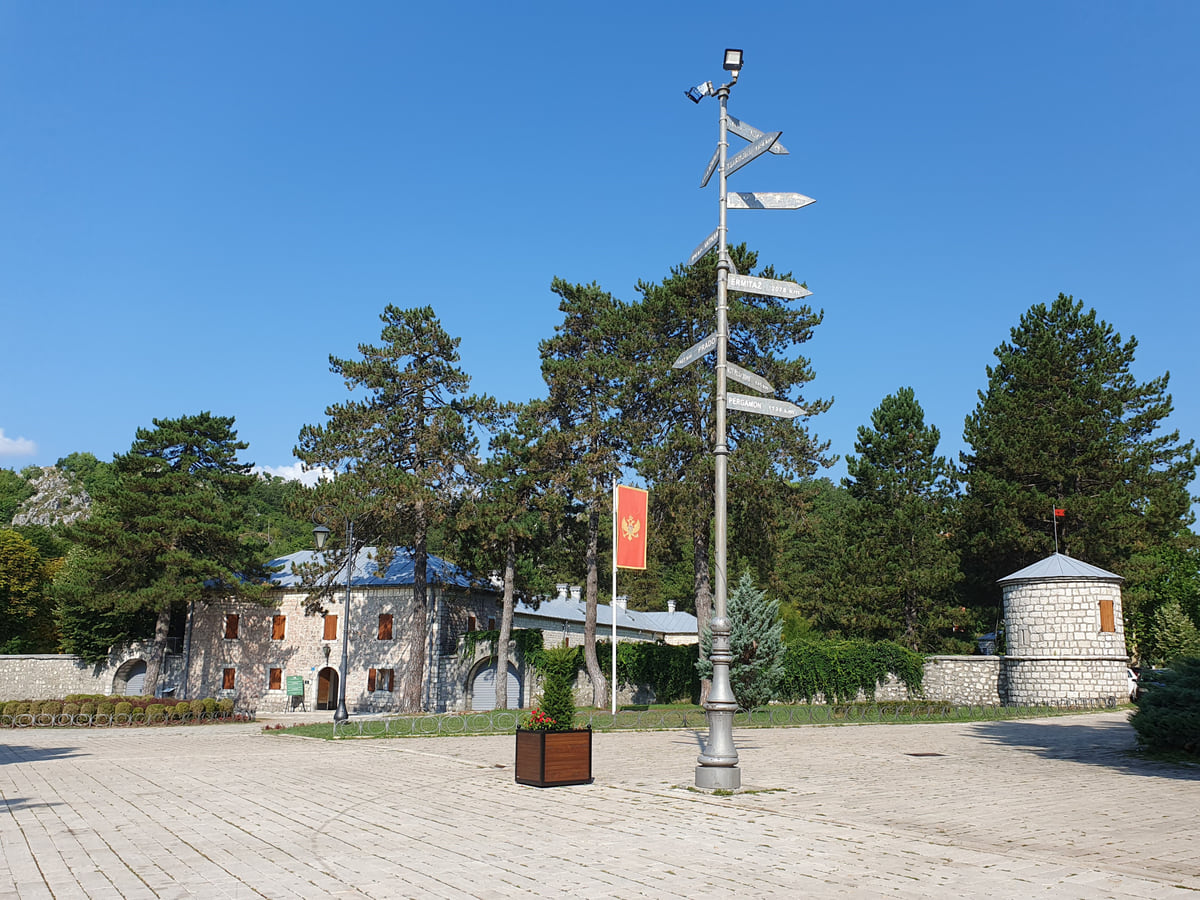
Next to the Biljarda is a relief map of the whole country at 1:10,000, built during the Austro-Hungarian occupation of 1916. The National Tourism Organisation puts it at about 20 by 20 metres.
My own order, for someone spending a day in Cetinje. The marks out of 10 are my opinion, based on what the Cetinje tourist board and the National Tourism Organisation say about each place.
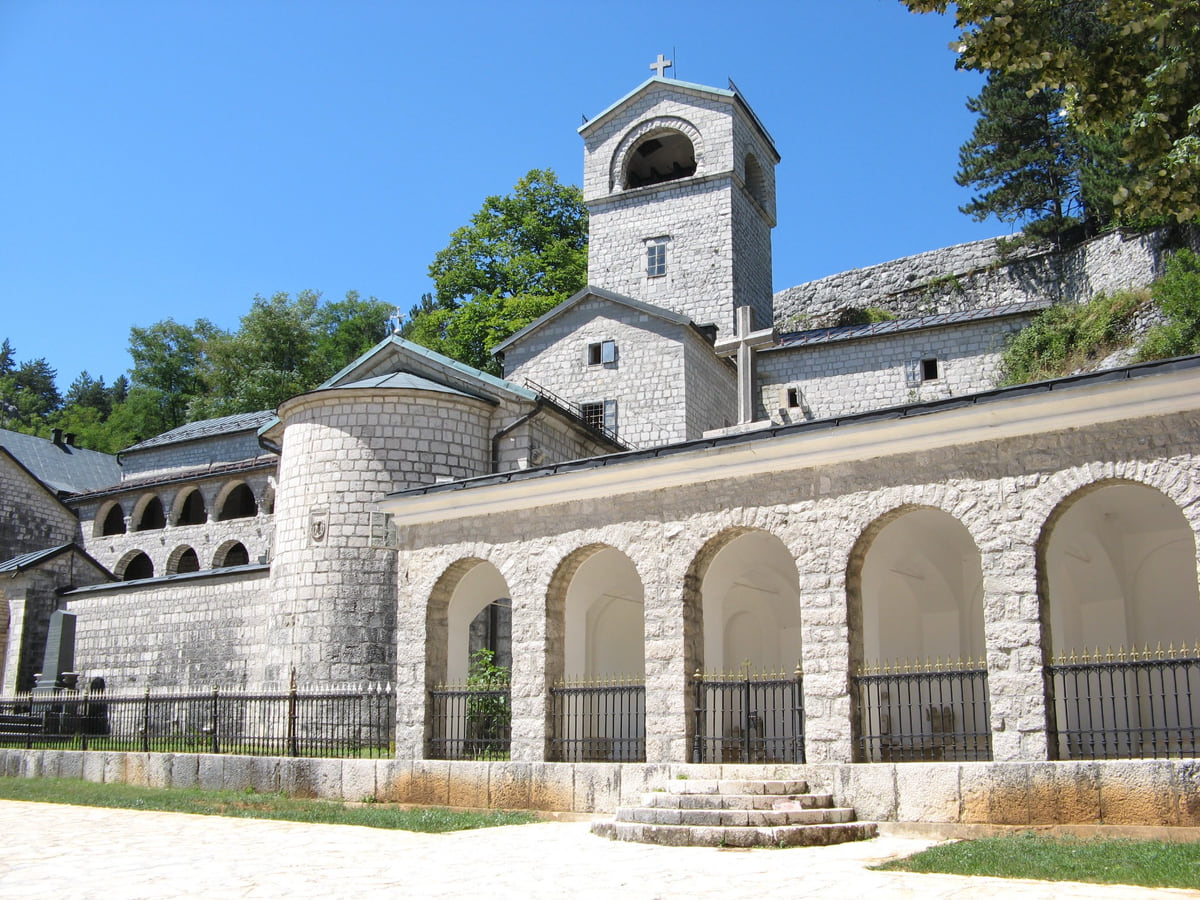
The country's religious and political heart for centuries, holding the relics of St Peter of Cetinje, a fragment of the Holy Cross and the hand of St John the Baptist.
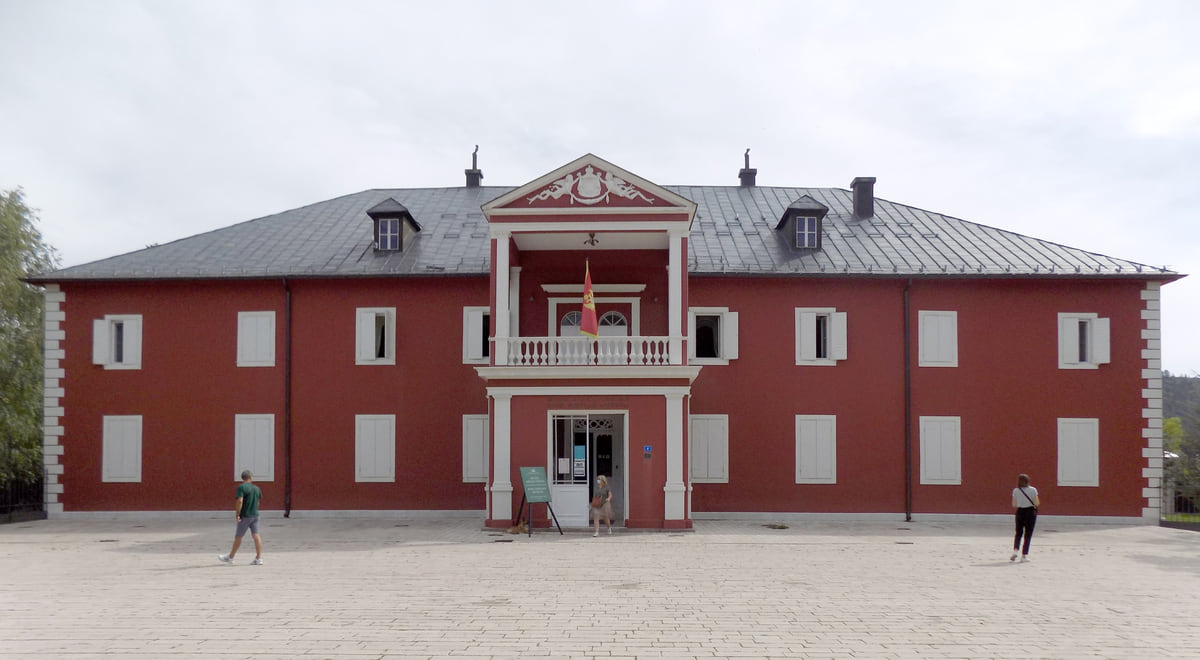
Plain outside, but inside it keeps the furniture, Persian rugs, weapons and flags of the last Petrović court. A museum since 1926.
Time: 1 h
8.3 out of 10
5
Orlov krš
The hill above the monastery with Bishop Danilo's mausoleum of 1896. A tarmac road leads up, and the whole plain spreads out below.
Time: 30 min
7.6 out of 10
Some towns you visit for a single monument; others you visit because they explain a country. Cetinje is firmly in the second camp. It’s small, quiet and rather wet, with wide streets, old embassy buildings and the feel of an English university town, which catches people off guard when they arrive from the coast. Yet this was where power in Montenegro sat for centuries, and a two-hour stroll takes you past nearly every place where its history was decided.
Why Cetinje is the old capital
The Constitution names Podgorica as the capital and gives Cetinje the title «Prijestonica», which its own English version renders as Old Royal Capital. That distinction is worth having in your head before you arrive, because Cetinje no longer has the ministries, but it once had the lot.
The Cetinje tourist board tells how Ivan Crnojević, ruler of Zeta, retreating before the Ottomans, moved his seat from Žabljak Crnojevića to Obod, today’s Rijeka Crnojevića, and in 1482 settled on the Cetinje plain, where he built a palace and then a monastery. The town took its name from the Cetina, the river that ran through it. Centuries later the Petrović-Njegoš family governed from here, and the National Tourism Organisation credits them with 222 years in power.
The monastery, the Biljarda and the palace
Everything that matters is within a few hundred metres. Cetinje Monastery, at the foot of Orlov krš, keeps the relics of St Peter of Cetinje plus two more that tradition identifies as the Baptist’s hand and a piece of the Cross. Its present appearance dates from 1786, after several fires.
Next door is the Biljarda, the residence that Petar II Petrović Njegoš, bishop, poet and ruler, had built in 1838 and named after the billiard table he kept inside. Today it’s a museum dedicated to him, and beside it is a relief map of Montenegro at 1:10,000, put up during the Austro-Hungarian occupation of 1916. A little further on, King Nikola’s Palace, plain outside and courtly within, has been a museum since 1926. The National Tourism Organisation reminds visitors of the king’s nickname, the father-in-law of Europe, earned by marrying off his twelve children so well.
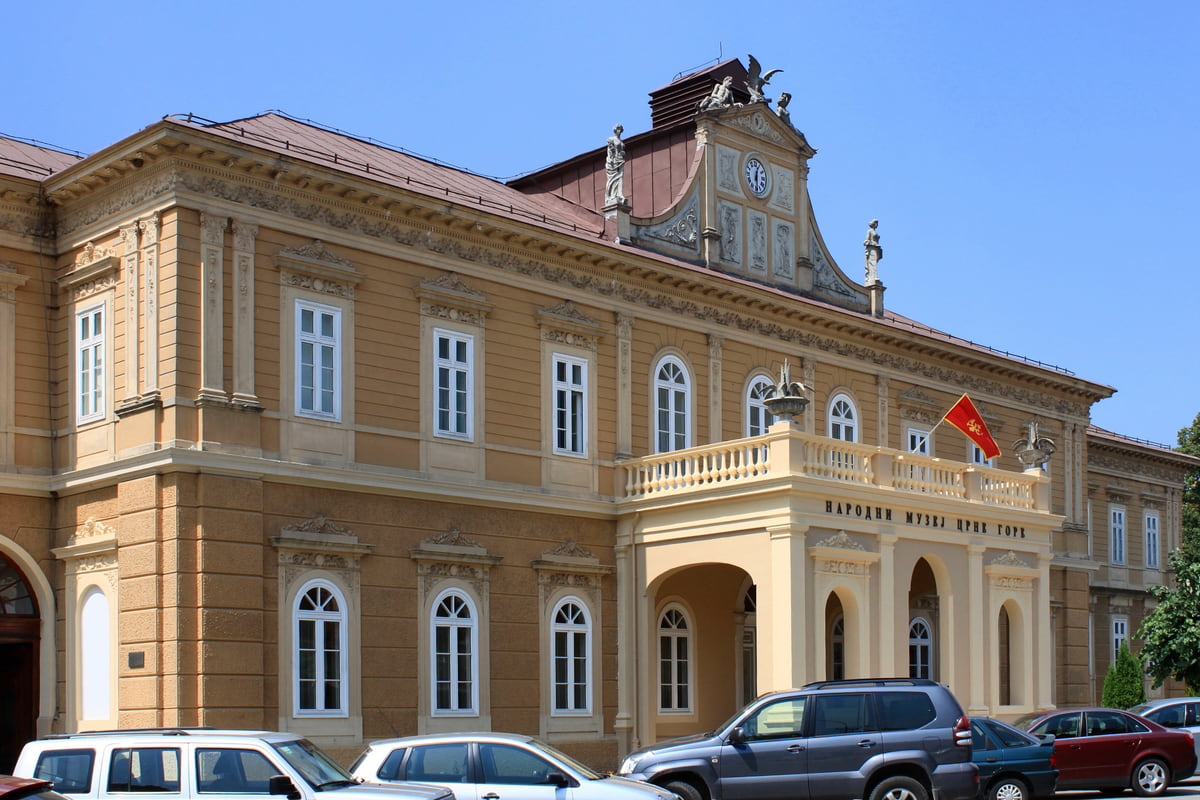
Vladin dom, finished in 1910, housed the Government and Parliament and is now home to the National Museum. At 66 by 52 metres, nothing else in Montenegro came close to it at the time. The museums in Cetinje are spread across it, the Biljarda, the palace and other buildings, and the town also has a Museum of Money and the Atelier Dado gallery, founded in 2002.
On a walk you’ll pass the former embassies, such as the Austro-Hungarian one finished in 1899 to a design by Josip Slade, the Zetski dom royal theatre, which staged its first play in 1888 in a hall for 250 people beneath ceiling paintings of the muses, and the 1983 monument to Ivan Crnojević. For views, head up Orlov krš, the hill with Bishop Danilo’s mausoleum of 1896, or to the Belvedere viewpoint above Lake Skadar, which has a restaurant. At Ćipur, where the first monastery stood, are the tombs of the king and queen.
What’s on the doorstep
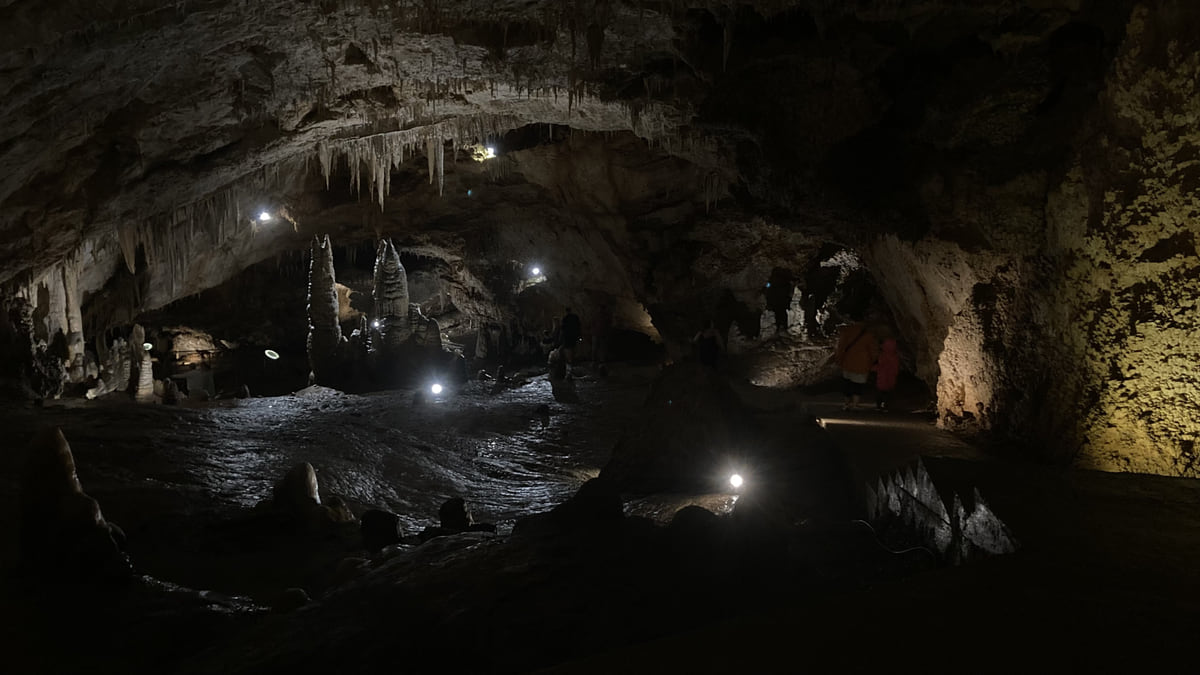
Cetinje is the gateway to Lovćen National Park. Ivanova korita is about ten kilometres away and the Njegoš Mausoleum on Jezerski vrh about twenty, with 461 steps at the end. Lipa Cave is five kilometres out, with guided tours that start on a little train, and to the east the road drops to Rijeka Crnojevića and Lake Skadar. Towards the coast, the road passes through Njeguši, home village of the Petrović family and of pršut, before winding down to Kotor on the famous serpentine.
The National Tourism Organisation recommends Cetinje in every season, and I agree with one caveat. Spain’s foreign ministry warns that it’s one of the wettest areas in Europe, so in autumn and winter bring a jacket and some patience. In summer, at 672 metres, it’s noticeably cooler than Podgorica or the coast. The town is easily walked; for Lovćen, the cave and Rijeka Crnojevića a car, taxi or tour is the only realistic option, since no bus with an official timetable serves them.
The red front of King Nikola's Palace in Cetinje, with white window frames and a balcony above the main entrance
The Biljarda in Cetinje, Njegoš's residence, with its stone wall, a round corner tower and pine trees in front of the square
The ochre façade of Vladin dom in Cetinje, the former Government House and now the National Museum, with its clock and entrance balcony
Cetinje in figures
Item
Figure
Source
Municipal population (2023)
14,494
MONSTAT
Town population (preliminary 2023)
12,460
MONSTAT
Municipal area
898 km²
MONSTAT
Altitude of the town
672 m
National Tourism Organisation
Tourist arrivals (2024)
13,058
MONSTAT
Overnight stays (2024)
69,006
MONSTAT
Distances from Cetinje
Destination
Distance
Source
Lake Skadar
About 9 km
Cetinje Tourist Organisation
Lipa Cave
5 km
National Tourism Organisation
Ivanova korita (Lovćen)
About 10 km
National Tourism Organisation
Rijeka Crnojevića
16 km
Cetinje Tourist Organisation
Njegoš Mausoleum
About 20 km
Cetinje Tourist Organisation
Podgorica
30 km
Tourist Organisation of Podgorica
Test yourself
True or false?
0/3Pick before you peek.
Cetinje is the capital of Montenegro.
See the answer
False. Podgorica is the capital. The Constitution recognises Cetinje as the historic, old royal capital.
There are 461 steps up to the Njegoš Mausoleum.
See the answer
True. That's the figure given by both the Cetinje tourist board and the National Tourism Organisation.
Cetinje takes its name from a river.
See the answer
True. According to the Cetinje tourist board, the town was named after the Cetina river that flowed through it.
Municipal population in 2023
14,494
Altitude of the town
672 m
Ivan Crnojević builds his palace
1482
Steps up to the Njegoš Mausoleum
461
Map
Where Cetinje is
The Adriatic coast runs from Herceg Novi to Ulcinj; the centre holds Podgorica, Cetinje and Lake Skadar, and the north, Durmitor and the Tara Canyon. Every number opens its guide.
See Cetinje Monastery and its relics, Njegoš's Biljarda and the relief map, King Nikola's palace, Vladin dom with the National Museum, Orlov krš and the old embassies. Nearby are the Njegoš Mausoleum on Lovćen and Lipa Cave.
Is Cetinje the capital of Montenegro?
No. Podgorica is the capital. The Constitution recognises Cetinje as the old royal capital, the seat of Montenegro's rulers from the 15th century onwards.
Is Cetinje worth visiting?
Yes, if you want to understand Montenegro rather than just see its coast. Almost everything is within a short walk, and Lovćen, Lipa Cave and Rijeka Crnojevića are all close by.
How do you get from Kotor to Cetinje?
The classic route climbs the Kotor serpentine to Njeguši and carries on over Lovćen to Cetinje. It's the old caravan road between coast and capital, with 32 bends above the bay according to the Cetinje tourist board.
How long do you need in Cetinje?
A day for the town itself. Add the Njegoš Mausoleum, Lipa Cave and Rijeka Crnojevića and you'll want two days with a night in Cetinje.
Does it rain a lot in Cetinje?
Yes. Spain's foreign ministry describes the area as one of the wettest in Europe, so pack a waterproof outside high summer.
Tourism graduate with a master’s in Tourism Management and Planning from the University of Málaga, who has travelled across Europe. He writes every guide from official sources and his own judgement.

 1Central Montenegro 2Podgorica 3Tuzi 4Zeta 5Cetinje 6Lake Skadar 7Danilovgrad 8Nikšić