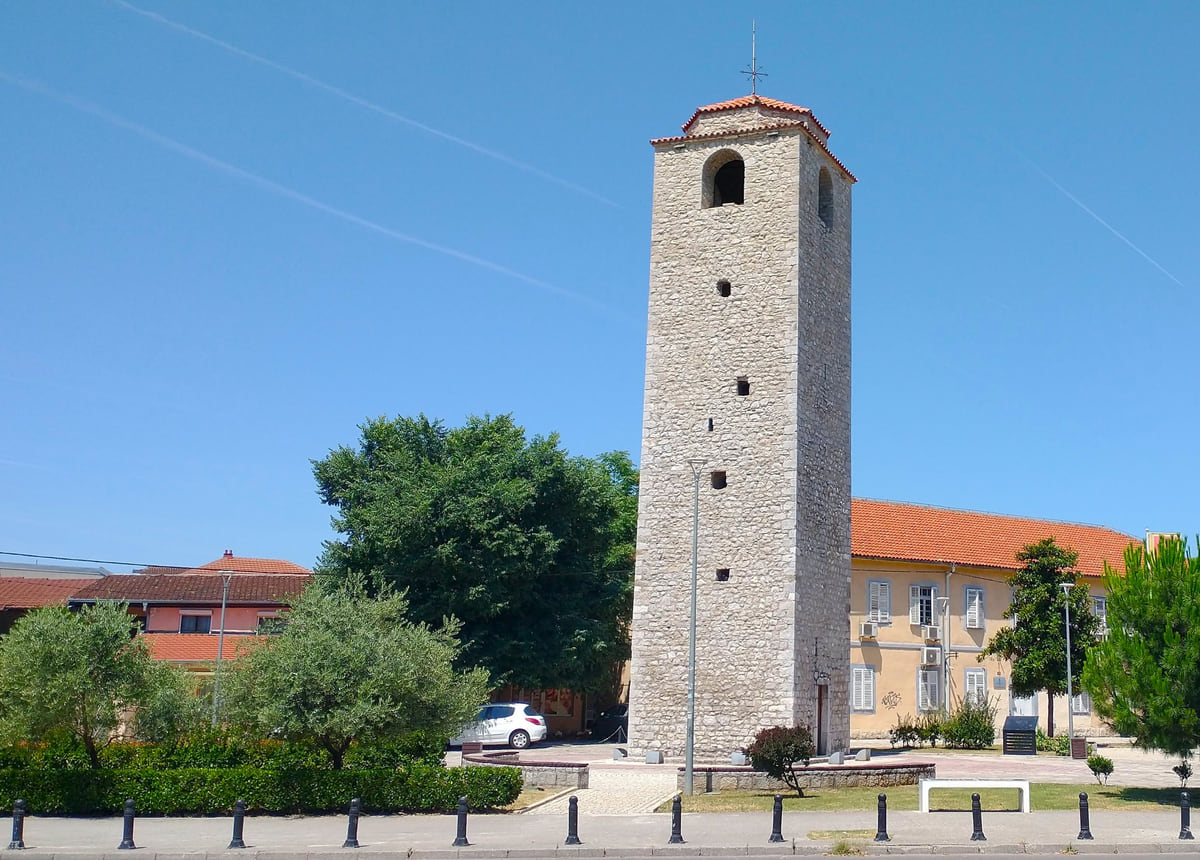
The December 2023 census
Montenegro's population: how many people, and where
Montenegro's population is 623,633, according to the final results of the December 2023 census published by MONSTAT. That's 306,807 men and 316,826 women, with an average age of 39.73, and nearly three in ten live in the municipality of Podgorica, home to 179,505 people.
In 30 seconds
Full read: 2 min
- Montenegro has 623,633 people according to the final 2023 census.
- The municipality of Podgorica accounts for 179,505, or 28.78%.
- 41.12% declare themselves Montenegrin and 32.93% Serbian.
- The figure of 633,158 is the preliminary count, since revised by MONSTAT.
If you need the figure for anything, use the final one, 623,633. Plenty of sites still quote the preliminary January 2024 count of 633,158, which MONSTAT revised when the full results came out.

Before you go
What I would keep in mind
-
01 My tip
Watch out for the preliminary figure
The January 2024 early release gave 633,158. The final result of the same census is 623,633, and that's the number I use throughout this guide.
-
02 Most beautiful
Three in ten live in Podgorica
The capital's municipality has 179,505 residents, 28.78% of the country. Next come Nikšić with 65,705 and Bar with 45,812.
cities in Montenegro -
03 My tip
A country of several communities
In the census, 41.12% declared themselves Montenegrin, 32.93% Serbian, 9.45% Bosniak and 4.97% Albanian. These are personal declarations and I report them as they are.
religion in Montenegro -
04 Getting there
Far more visitors than residents
There were 2,606,854 tourist arrivals in 2024, over four times the population. Budva, with 27,445 residents, recorded 848,515 of them.
regions of Montenegro -
05 Getting there
13,883 km² for 623,633 people
MONSTAT gives 13,883 km² in its 2025 yearbook, a provisional figure until the land register is finished. Nikšić is the largest municipality, at 2,087 km².
how big Montenegro is
What I would book
Montenegro is a country of few people, and you notice it as soon as you leave the coast. The December 2023 census counted 623,633, a figure that has barely moved since 2011, when it was 620,029. Here’s how that population is spread out, using the final results from MONSTAT, the national statistics office.
623,633, not 633,158
First, a warning I think matters. In January 2024 MONSTAT released an early count of 633,158, and that number still gets quoted. The final results of the same census came down to 623,633, with 306,807 men and 316,826 women and an average age of 39.73. That’s the figure I use throughout this guide and the only one worth quoting.
Where people live
The population is heavily concentrated. Podgorica’s municipality has 179,505 residents, 28.78% of the country, followed by Nikšić with 65,705, Bar with 45,812 and Bijelo Polje with 38,662. At the other end are Šavnik with 1,569, Plužine with 2,177 and Žabljak with 2,941, all three in the northern mountains. Counting every municipality, the census lists 1,462 settlements. The full table, with area and visitor numbers for each, is in cities in Montenegro.
For a visitor that has a practical upshot. Away from Podgorica and the coast, villages are small, and up north you’ll pass hamlets with only a few dozen residents. Plan fuel stops and meals with that in mind.
If you are staying the night, see the best hotel deals in Podgorica for your dates: the well-placed rooms go fast.
Communities, as the census records them
Montenegro is home to several communities, and the census asks each person which one they identify with. In 2023, 41.12% declared themselves Montenegrin, 32.93% Serbian, 9.45% Bosniak and 4.97% Albanian, with smaller groups of Russians, Muslims as a nationality, Roma and Croats. There are also 640 people who call themselves ‘Bokelji’, from the Bay of Kotor. These are personal declarations, and in a travel guide I simply pass them on.
Religion and language are separate questions. Most people declare themselves Orthodox, with a Muslim minority and a Catholic one, as I explain in religion in Montenegro. For mother tongue, Serbian and Montenegrin are the two most declared, which is covered in the Montenegro language guide.
Foreign residents and dual nationals
The census also records citizenship. 90.73% hold Montenegrin citizenship, 10,691 people have dual citizenship and 46,878 have foreign citizenship only. Among foreign residents, the biggest groups are from Russia (13,550), Serbia (13,031) and Bosnia and Herzegovina (5,050).
So you do not lose the morning at the ticket office, browse tickets and tours in Podgorica on GetYourGuide.
More visitors than residents
The comparison that strikes me most is tourism. In 2024 Montenegro recorded 2,606,854 tourist arrivals, more than four times its population, and 111,844 of them came from the UK. Budva, a municipality of 27,445 people, saw 848,515 arrivals. That’s why the coast feels like a different country in August while the interior stays so quiet, and why it pays to understand Montenegro’s three regions before choosing where to stay.
If you are staying the night, see the best hotel deals in Podgorica for your dates: the well-placed rooms go fast.
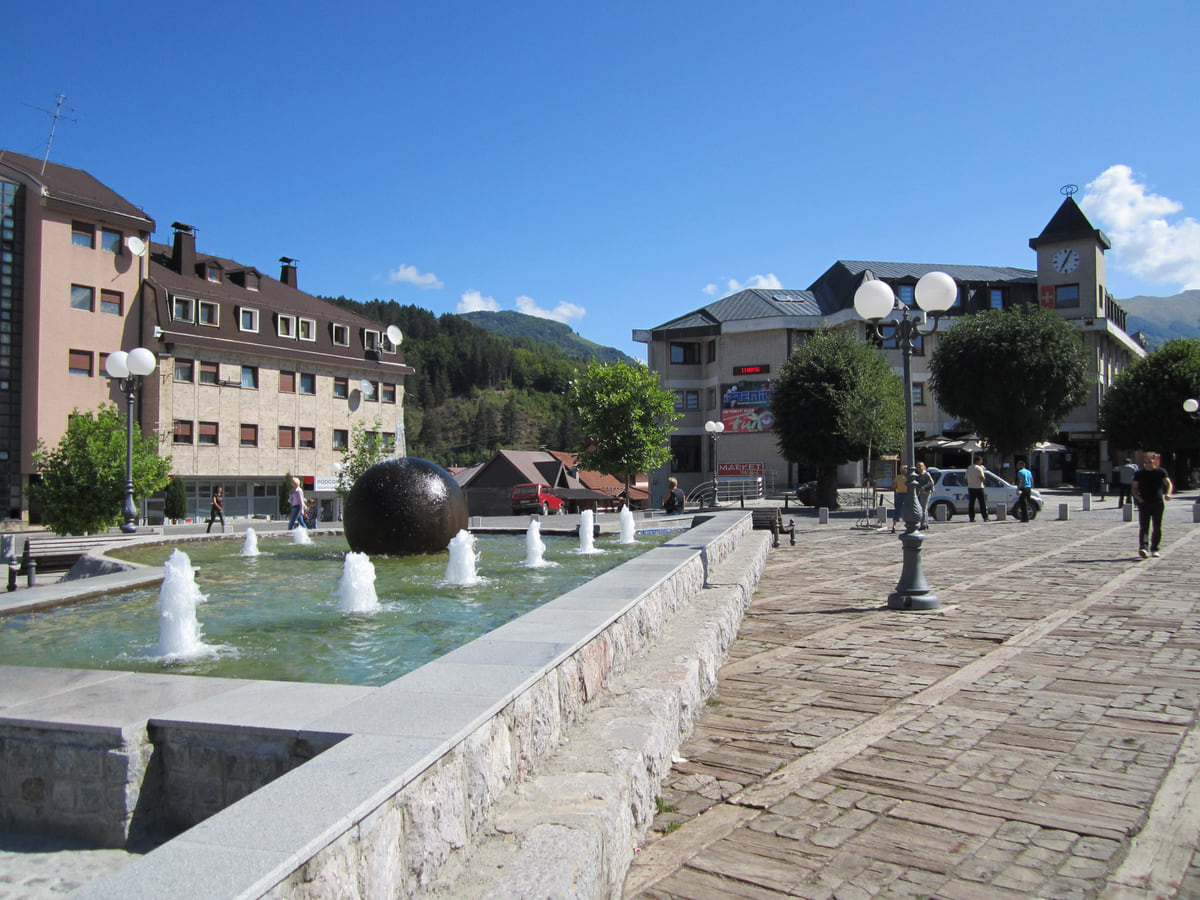
The main square in Kolašin with a fountain, a large stone sphere and mountain-style buildings under a clear sky
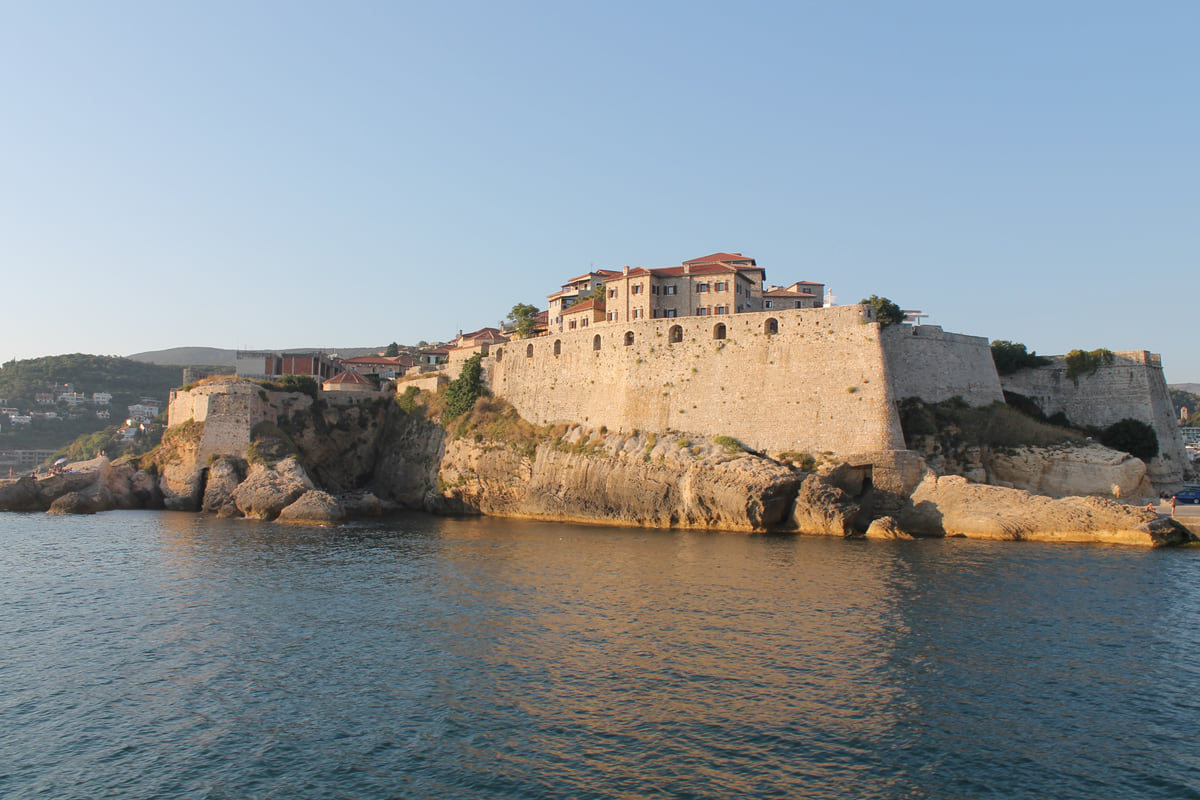
Ulcinj old town on its rocky headland, with walls and stone houses lit by the late afternoon sun
National communities in the 2023 census
| Declared as | People | Share |
|---|---|---|
| Montenegrin | 256,436 | 41.12% |
| Serbian | 205,370 | 32.93% |
| Bosniak | 58,956 | 9.45% |
| Albanian | 30,978 | 4.97% |
| Russian | 12,824 | 2.06% |
| Muslim (as a nationality) | 10,162 | 1.63% |
| Roma | 5,629 | 0.9% |
| Croatian | 5,150 | 0.83% |
MONSTAT, 2023 census, second release, table 1. These are individual declarations; the remainder is split among other communities and those who didn't declare. Checked on 10-10-2026.
Most and least populated municipalities
| Municipality | Population 2023 |
|---|---|
| Podgorica | 179,505 |
| Nikšić | 65,705 |
| Bar | 45,812 |
| Bijelo Polje | 38,662 |
| Žabljak | 2,941 |
| Plužine | 2,177 |
| Šavnik | 1,569 |
MONSTAT, 2023 census, first release.
Test yourself
True or false?
0/3 Pick before you peek.
-
Montenegro has more than a million inhabitants.
See the answer
False. It has 623,633 according to MONSTAT's final 2023 census.
-
Nearly three in ten people live in the municipality of Podgorica.
See the answer
True. That's 179,505 people, 28.78% of the national total.
-
Šavnik is the least populated municipality in Montenegro.
See the answer
True. It had 1,569 residents at the 2023 census, behind Plužine (2,177) and Žabljak (2,941).
- Population at the 2023 census
- 623,633
- Average age, in years
- 39.73
- Share living in Podgorica municipality
- 28.78%
- Settlements in the country
- 1,462
0 of 278 Montenegro guides
Your next stamp
- Cities
- Religion
- Šavnik
- Central Montenegro
- Podgorica
- Size
- Map
- Aman Sveti Stefan
- Budva Old Town
- Haj-Nehaj
- Kotor
- Lučice Beach
- Montenegro's coast
- Peaks of the Balkans
- Porto Montenegro
- Sea Dance Festival
- Splendid Conference & Spa Resort
- Stari Bar
- Ulcinj Old Town
- Bay of Kotor
- Budva Riviera
- Heroj submarine
- Iberostar Bellevue
- Independence Day
- Old olive tree of Mirovica
- Tivat
- Velika plaža
- Ada Bojana
- Beaches in Budva
- Eurostars Queen of Montenegro
- Herceg Novi
- Kotor Old Town
- Mount Rumija
- Igalo
- Kotor city walls
- Mogren Beach
- Montenegro Beach Resort
- Svač
- Vrmac
- Hiking
- Jaz Beach
- Kanli kula
- Luštica peninsula
- St Tryphon Cathedral
- Ulcinj salt pans
- Forte Mare
- Gornja Lastva
- Maritime Museum, Kotor
- Slovenska Beach
- Drobni Pijesak Beach
- Kotor viewpoints
- Mamula
- Žanjic beach
- Kotor cruise port
- Orjen
- Plavi horizonti beach
- Sveti Nikola Island
- Blue Cave
- Restaurants in Budva
- Restaurants in Kotor
- Canyoning
- Hotels
- Perast
- Sutomore
- Sveti Stefan
- Čanj
- Luxury hotels
- Our Lady of the Rocks
- Pržno
- Things to do
- Activities
- All-inclusive hotels
- Bar Riviera
- Bečići
- Hotel Palma
- St George island
- Dobrota
- Hladna uvala
- Most beautiful places
- Petrovac
- Crvena stijena
- Prčanj
- Prettiest villages
- Cycling
- Risan
- UNESCO sites
- Heritage Grand Perast
- Hyatt Regency Kotor Bay
- Where is it?
- Regions
- Beaches in Bar
- Budva
- Hotels in Budva
- Hotels in Kotor
- Iberostar Waves Herceg Novi
- Kitesurfing
- The name
- Beaches in Ulcinj
- Flag
- Hotels in Perast
- Palmon Bay Hotel & Spa
- Cathedral of the Resurrection
- One&Only Portonovi
- Sandy beaches
- Azul Beach Resort Montenegro
- Naturist beaches
- Stara Varoš
- Doclea
- Language
- Mimosa Festival
- Medun
- Zipline
- Currency
- Museums in Podgorica
- Dajbabe Monastery
- EU membership
- History
- Restaurants in Podgorica
- Hotels in Podgorica
- Public holidays
- Avala Resort & Villas
- Bar
- Beaches in Kotor
- Birdwatching
- Hotels in Ulcinj
- Kotor carnival
- Time zone
- Tivat beaches
- Tuzi
- Boka Night
- Dukley Hotel & Resort
- Facts
- Hotels in Tivat
- Zeta
- Caves
- Herceg Novi beaches
- National parks
- Šipčanik
- Hotels in Herceg Novi
- Monasteries
- Fortresses
- Fly fishing
- Museums
- Canyons and waterfalls
- Lakes
- Mountains
- Montenegro and Croatia
- Beaches
- Boat trips
- Cetinje
- Montenegro and Albania
- Nightlife
- Ulcinj
- Weather
- Best time to visit
- Cetinje Monastery
- Kayaking
- Montenegro and the Balkans
- How to get there
- In summer
- King Nikola's Palace
- Sailing
- Biljarda
- Flights
- In winter
- Airports
- Museums in Cetinje
- New Year's Eve
- Lovćen
- Paragliding
- Tivat Airport
- Njegoš Mausoleum
- Podgorica Airport
- Dubrovnik to Kotor
- Kotor serpentine
- Belgrade to Montenegro
- Njeguši
- Ferry to Italy
- Njeguši prosciutto
- Border crossings
- In January
- Lipa Cave
- Where to stay
- In February
- Kamenari-Lepetane ferry
- Pavlova strana
- Getting around
- In March
- Rijeka Crnojevića
- In April
- Trains
- Buses
- In May
- Car hire
- In June
- Driving
- In July
- In August
- Taxis
- Distances
- In September
- In October
- Road trip
- Food
- In November
- Lake Skadar
- Scenic drives
- In December
- Kotor cable car
- Virpazar
- Where to eat
- Budva to Kotor
- Godinje
- Wine
- Podgorica to Kotor
- Vranjina
- Besac fortress
- Prices and budget
- On a budget
- Žabljak Crnojevića
- Danilovgrad
- Entry requirements
- Ostrog Monastery
- Tourist registration
- Customs
- Nikšić
- Crvena Stijena cave
- Safety
- Events
- Healthcare
- Northern Montenegro
- Mobile and roaming
- Žabljak
- Durmitor
- Plugs
- Black Lake
- With kids
- Bobotov Kuk
- Holidays
- Day trips
- Stećci tombstones
- Hotels in Žabljak
- Three-day itinerary
- Five-day itinerary
- Skiing in Montenegro
- One-week itinerary
- Skiing in Žabljak
- Ten-day itinerary
- Nevidio Canyon
- Tara Canyon
- Tara rafting
- Đurđevića Tara Bridge
- Plužine
- Lake Piva
- Piva Monastery
- Mojkovac
- Brskovo
- Pljevlja
- Husein Pasha Mosque
- Kolašin
- Hotels in Kolašin
- Skiing in Kolašin
- Biogradska Gora National Park
- Komovi
- Morača Monastery
- Morača Canyon
- Bijelo Polje
- Đalovića Cave
- Berane
- Andrijevica
- Petnjica
- Rožaje
- Plav
- Lake Plav
- Gusinje
- Vusanje
- Prokletije National Park
Frequently asked questions
What is the population of Montenegro?
623,633, according to the final December 2023 census published by MONSTAT. In 2011 it was 620,029, so the population has barely changed in twelve years.
What is Montenegro's population in 2025?
The latest complete official figure is the December 2023 census, 623,633. There hasn't been a comparable count since, and the 633,158 you'll see on some sites is the preliminary estimate, since revised.
What is the population of Podgorica?
The municipality of Podgorica has 179,505 people according to the 2023 census, 28.78% of the national total. The town itself, without the rest of the municipality, had 173,024 in the preliminary count.
What is the Muslim population of Montenegro?
In the 2023 census, 124,668 people gave Islam as their religion, 19.99% of the population. Orthodox Christians were 71.1% and Catholics 3.27%, according to MONSTAT.
How many foreigners live in Montenegro?
MONSTAT counts 46,878 people with foreign citizenship only and 10,691 with dual citizenship. The largest groups are from Russia (13,550), Serbia (13,031) and Bosnia and Herzegovina (5,050).
What is the population of Budva?
The municipality of Budva had 27,445 residents in the 2023 census, yet it recorded 848,515 tourist arrivals in 2024, almost a third of the national total.
By
Tourism graduate with a master’s in Tourism Management and Planning from the University of Málaga, who has travelled across Europe. He writes every guide from official sources and his own judgement.
Published on . Facts checked on .
Sources
Some links in this guide are affiliate links: if you book through them, the site earns a commission at no extra cost to you. Affiliate disclosure
Photos: MOs810 (CC BY 4.0); Pythonax (CC BY-SA 3.0); Mjuzikxhankej (CC BY-SA 3.0), via Wikimedia Commons.