Lake Šas, inland from Ulcinj
Svač, the town said to have a church for every day of the year
Svač, also known as Šas, is an abandoned town on an 85-metre hill north of Lake Šas, in Ulcinj municipality. Founded by the Illyrians in the 4th century BC, it became a bishop's seat in the Middle Ages and grew bigger than Kotor. Its walls and the remains of around fifteen churches survive, looking out over the Bojana delta.
In 30 seconds
Full read: 2 min
- Svač is an abandoned medieval town on an 85-metre hill by Lake Šas, in Ulcinj municipality.
- Founded by the Illyrians in the 4th century BC, it became a bishop's seat larger than Kotor.
- The walls survive, along with the remains of about fifteen churches, two of them large.
- There are no published hours or prices; it's an open-air site.
Svač is for anyone who likes ruins without a ticket office or crowds, in a landscape of lake and plain that few people associate with Montenegro. I'd go up late in the afternoon in proper shoes, with water, and finish down by the lake.

Before you go
What I would keep in mind
-
01 Most beautiful
Lake Skadar in miniature
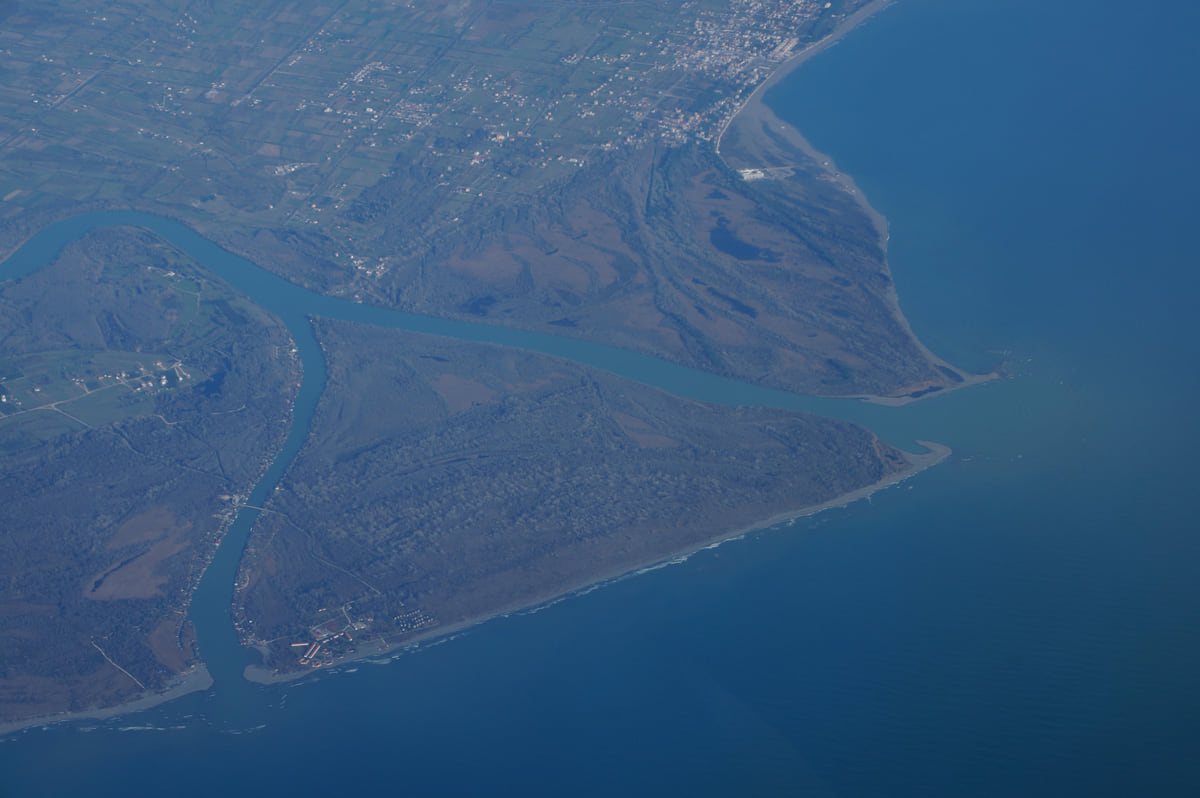
From the hilltop, the national tourist board likens Lake Šas to a small-scale Lake Skadar, with the Bojana meandering lazily towards the sea.
-
02 My tip
The 365 churches are a legend
Tradition says Svač had as many churches as there are days in the year. The Ulcinj tourist board points out that about fifteen have actually been found.
-
03 Getting there
Inland from Ulcinj
Svač lies inland by the village of Šas, close to Velika plaža and Ada Bojana. It slots neatly into a driving day around the south of the municipality.
Ulcinj
What I would book
Most people see Ulcinj’s coast with their eyes on the sea, but a few kilometres inland there’s a quiet lake and, above it, an entire town that has stood empty for four centuries. Svač, Šas to the locals, is one of those ruins that never make the postcards, and I think that’s precisely what makes it special.
Where it is
The ruins crown an 85-metre hill north of Lake Šas, which covers 3.6 km² according to MONSTAT. The national tourist board calls the lake a miniature Lake Skadar and recommends the climb for the view, which takes in the lake and the Bojana winding slowly down towards the sea and Ada Bojana. The village of Šas sits at the foot of the hill, home to 244 people in the preliminary 2023 census. The Ulcinj tourist board lists the lake among the natural riches of the municipality, alongside the Bojana, Ada and the Valdanos olive grove.
A thousand years and four destructions
The Ulcinj tourist board dates the first settlement to the 4th century BC and the Labeates, an Illyrian people who lived around Lake Skadar. A new town went up in the 6th century, only to be wiped out by the Avars in the mid-7th. Svač stood on the old road from Olcinium to Shkodër and was the hub of its district. It peaked in the Middle Ages as a bishop’s seat, one of the dioceses placed under the Archdiocese of Bar in 1089, and grew bigger than Kotor. Then came the blows. Stefan Nemanja took it in 1183, the Mongols sacked it in 1242 and the Ottomans laid it waste in 1571. In the early 17th century around 700 people were still living there.
Once your dates are set, check which hotels are still free in Ulcinj before prices climb.
Churches and coins
Legend has it that Svač had as many churches as there are days in the year. The reality, according to the Ulcinj tourist board, is about fifteen medieval churches, two of them monumental even in ruins. St John’s, Shën Gjoni, from the late 13th century, stands inside the fortress. St Mary’s, Shën Mrise, from the 14th century, lies outside to the north-east. It measures 16.6 by 7.1 metres, is Gothic and, judging by its layout, may have been a monastery. The town minted coins inscribed «sovacii civitas», and they’re prized because they show what Svač looked like, with three-storey buildings, colonnades and towers.
Visiting
The Ulcinj tourist board publishes no ticket office, opening hours or prices. These are open-air ruins on a hilltop, so wear sturdy shoes, take water and don’t go up in the midday heat of summer. If abandoned towns appeal, the big one on this coast is Stari Bar, far larger and with an entry fee, and for more of the area’s history there’s Ulcinj Old Town. Svač pairs well with an afternoon by the lake and a fish supper on Ada Bojana.
If you would rather have a local show you round, book a guided tour in Svač and choose by the reviews.
Once your dates are set, check which hotels are still free in Ulcinj before prices climb.
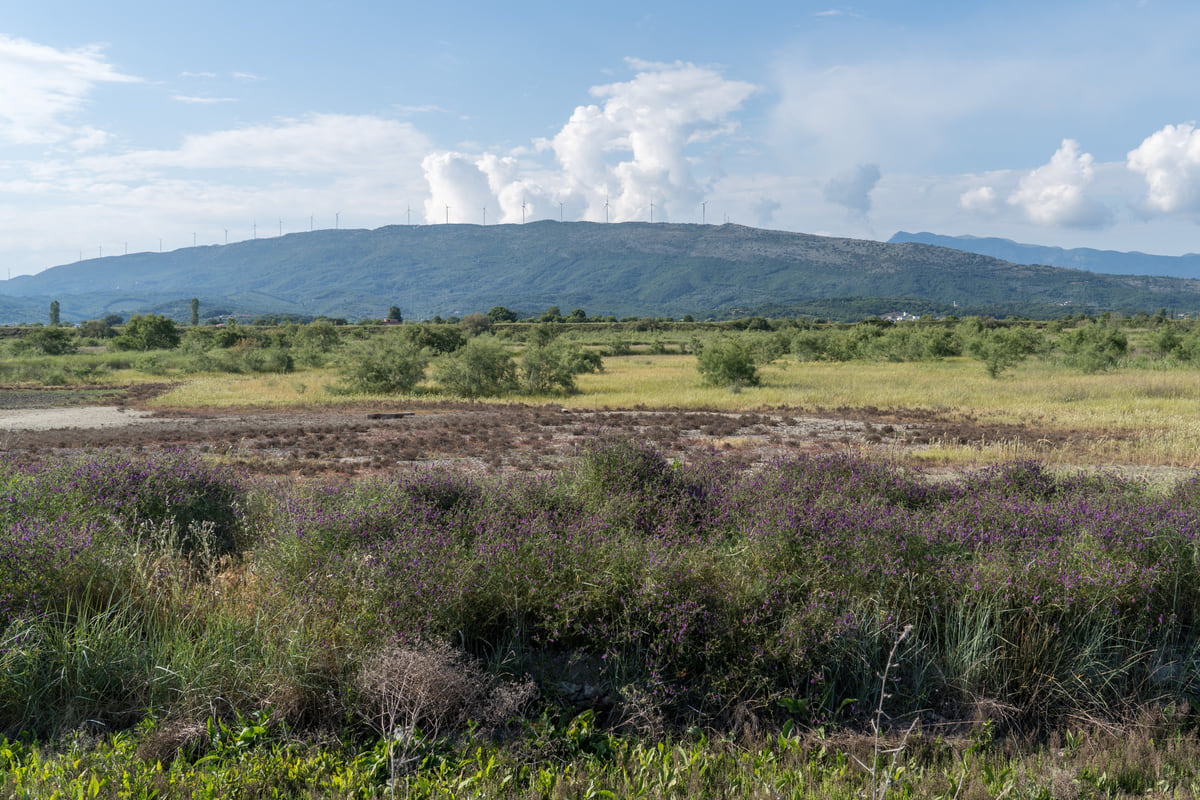
The old Ulcinj salt pans in spring, with purple-flowered scrub, dried-out pools and the wind-turbine ridge in the distance
Svač through the centuries
| Date | What happened |
|---|---|
| 4th century BC | First settlement, by the Illyrian Labeates |
| 6th and 7th centuries | A new town, destroyed by the Avars in the mid-7th century |
| 1089 | Diocese under the Archdiocese of Bar |
| 1183 | Conquered by Stefan Nemanja |
| 1242 | Sacked by the Mongols |
| 1571 | Devastated by the Ottomans |
| Early 17th century | Still home to about 700 people |
Ulcinj Tourist Organisation, Svač page, and Bar Tourist Organisation, archdiocese listing, checked on 11-10-2026.
Test yourself
True or false?
0/3 Pick before you peek.
-
Archaeologists have found 365 churches at Svač.
See the answer
False. That's the legend. The Ulcinj tourist board says the remains of about fifteen medieval churches have been found.
-
Svač minted its own coins.
See the answer
True. Its coins bore the inscription «sovacii civitas» and show the town with three-storey buildings, colonnades and towers, according to the national tourist board.
-
In the Middle Ages Svač was bigger than Kotor.
See the answer
True. The Ulcinj tourist board says that at its height, as a bishop's seat, it was larger than Kotor.
Map
Where Svač is
The Adriatic coast runs from Herceg Novi to Ulcinj; the centre holds Podgorica, Cetinje and Lake Skadar, and the north, Durmitor and the Tara Canyon. Every number opens its guide.
 1Ulcinj Old Town 2Velika plaža 3Ada Bojana 4Svač 5Ulcinj salt pans 6Azul Beach Resort Montenegro 7Ulcinj
 Map data © OpenStreetMap contributors (ODbL)
- 1Ulcinj Old TownUlcinj, southern Montenegro
- 2Velika plažaUlcinj, southern Montenegro
- 3Ada BojanaMouth of the Bojana, Ulcinj municipality
- 4SvačLake Šas, inland from Ulcinj
- 5Ulcinj salt pansUlcinj, next to Velika plaža
- 6Azul Beach Resort MontenegroBeach resort in Ulcinj
- 7UlcinjSouthern Montenegro, by the Albanian border
0 of 278 Montenegro guides
Your next stamp
- Ulcinj
- Ulcinj Old Town
- Velika plaža
- Beaches in Ulcinj
- Šavnik
- Aman Sveti Stefan
- Budva Old Town
- Haj-Nehaj
- Kotor
- Lučice Beach
- Montenegro's coast
- Peaks of the Balkans
- Porto Montenegro
- Sea Dance Festival
- Splendid Conference & Spa Resort
- Stari Bar
- Bay of Kotor
- Budva Riviera
- Heroj submarine
- Iberostar Bellevue
- Independence Day
- Old olive tree of Mirovica
- Tivat
- Ada Bojana
- Beaches in Budva
- Eurostars Queen of Montenegro
- Herceg Novi
- Kotor Old Town
- Mount Rumija
- Igalo
- Kotor city walls
- Mogren Beach
- Montenegro Beach Resort
- Vrmac
- Hiking
- Jaz Beach
- Kanli kula
- Luštica peninsula
- St Tryphon Cathedral
- Ulcinj salt pans
- Forte Mare
- Gornja Lastva
- Maritime Museum, Kotor
- Slovenska Beach
- Drobni Pijesak Beach
- Kotor viewpoints
- Mamula
- Žanjic beach
- Kotor cruise port
- Orjen
- Plavi horizonti beach
- Sveti Nikola Island
- Blue Cave
- Restaurants in Budva
- Restaurants in Kotor
- Canyoning
- Hotels
- Perast
- Sutomore
- Sveti Stefan
- Čanj
- Luxury hotels
- Our Lady of the Rocks
- Pržno
- Things to do
- Activities
- All-inclusive hotels
- Bar Riviera
- Bečići
- Hotel Palma
- St George island
- Dobrota
- Hladna uvala
- Most beautiful places
- Petrovac
- Crvena stijena
- Prčanj
- Prettiest villages
- Cycling
- Risan
- UNESCO sites
- Heritage Grand Perast
- Map
- Hyatt Regency Kotor Bay
- Where is it?
- Regions
- Cities
- Beaches in Bar
- Budva
- Central Montenegro
- Hotels in Budva
- Hotels in Kotor
- Iberostar Waves Herceg Novi
- Kitesurfing
- The name
- Flag
- Hotels in Perast
- Palmon Bay Hotel & Spa
- Podgorica
- Cathedral of the Resurrection
- One&Only Portonovi
- Population
- Sandy beaches
- Azul Beach Resort Montenegro
- Naturist beaches
- Size
- Stara Varoš
- Doclea
- Language
- Mimosa Festival
- Medun
- Religion
- Zipline
- Currency
- Museums in Podgorica
- Dajbabe Monastery
- EU membership
- History
- Restaurants in Podgorica
- Hotels in Podgorica
- Public holidays
- Avala Resort & Villas
- Bar
- Beaches in Kotor
- Birdwatching
- Hotels in Ulcinj
- Kotor carnival
- Time zone
- Tivat beaches
- Tuzi
- Boka Night
- Dukley Hotel & Resort
- Facts
- Hotels in Tivat
- Zeta
- Caves
- Herceg Novi beaches
- National parks
- Šipčanik
- Hotels in Herceg Novi
- Monasteries
- Fortresses
- Fly fishing
- Museums
- Canyons and waterfalls
- Lakes
- Mountains
- Montenegro and Croatia
- Beaches
- Boat trips
- Cetinje
- Montenegro and Albania
- Nightlife
- Weather
- Best time to visit
- Cetinje Monastery
- Kayaking
- Montenegro and the Balkans
- How to get there
- In summer
- King Nikola's Palace
- Sailing
- Biljarda
- Flights
- In winter
- Airports
- Museums in Cetinje
- New Year's Eve
- Lovćen
- Paragliding
- Tivat Airport
- Njegoš Mausoleum
- Podgorica Airport
- Dubrovnik to Kotor
- Kotor serpentine
- Belgrade to Montenegro
- Njeguši
- Ferry to Italy
- Njeguši prosciutto
- Border crossings
- In January
- Lipa Cave
- Where to stay
- In February
- Kamenari-Lepetane ferry
- Pavlova strana
- Getting around
- In March
- Rijeka Crnojevića
- In April
- Trains
- Buses
- In May
- Car hire
- In June
- Driving
- In July
- In August
- Taxis
- Distances
- In September
- In October
- Road trip
- Food
- In November
- Lake Skadar
- Scenic drives
- In December
- Kotor cable car
- Virpazar
- Where to eat
- Budva to Kotor
- Godinje
- Wine
- Podgorica to Kotor
- Vranjina
- Besac fortress
- Prices and budget
- On a budget
- Žabljak Crnojevića
- Danilovgrad
- Entry requirements
- Ostrog Monastery
- Tourist registration
- Customs
- Nikšić
- Crvena Stijena cave
- Safety
- Events
- Healthcare
- Northern Montenegro
- Mobile and roaming
- Žabljak
- Durmitor
- Plugs
- Black Lake
- With kids
- Bobotov Kuk
- Holidays
- Day trips
- Stećci tombstones
- Hotels in Žabljak
- Three-day itinerary
- Five-day itinerary
- Skiing in Montenegro
- One-week itinerary
- Skiing in Žabljak
- Ten-day itinerary
- Nevidio Canyon
- Tara Canyon
- Tara rafting
- Đurđevića Tara Bridge
- Plužine
- Lake Piva
- Piva Monastery
- Mojkovac
- Brskovo
- Pljevlja
- Husein Pasha Mosque
- Kolašin
- Hotels in Kolašin
- Skiing in Kolašin
- Biogradska Gora National Park
- Komovi
- Morača Monastery
- Morača Canyon
- Bijelo Polje
- Đalovića Cave
- Berane
- Andrijevica
- Petnjica
- Rožaje
- Plav
- Lake Plav
- Gusinje
- Vusanje
- Prokletije National Park
Frequently asked questions
What is Svač?
An abandoned medieval town in Ulcinj municipality, on an 85-metre hill north of Lake Šas. It was a bishop's seat, minted its own coins and is now one of the best-known dead towns on the eastern Adriatic.
Where are the Svač ruins?
By the village of Šas, inland from Ulcinj's Velika plaža, on the hill overlooking Lake Šas and the Bojana delta.
Is there an entrance fee for Svač?
The Ulcinj tourist board doesn't publish opening hours or prices. These are open-air ruins on a hilltop.
Which churches survive at Svač?
The two largest are St John's, from the late 13th century, inside the fortress, and St Mary's, a 14th-century Gothic church measuring 16.6 by 7.1 metres, which may have been a monastery.
Why was Svač abandoned?
After a string of destructions. Stefan Nemanja took it in 1183, the Mongols sacked it in 1242 and the Ottomans in 1571; in the early 17th century around 700 people still lived there.
By
Tourism graduate with a master’s in Tourism Management and Planning from the University of Málaga, who has travelled across Europe. He writes every guide from official sources and his own judgement.
Published on . Facts checked on .
Sources
Some links in this guide are affiliate links: if you book through them, the site earns a commission at no extra cost to you. Affiliate disclosure
Photos: Albinfo (CC BY-SA 4.0); Alexkom000 (CC BY 4.0), via Wikimedia Commons.