UNESCO painted church
Panagia Podithou, Italo-Byzantine art at Galata

- Entry
- Free
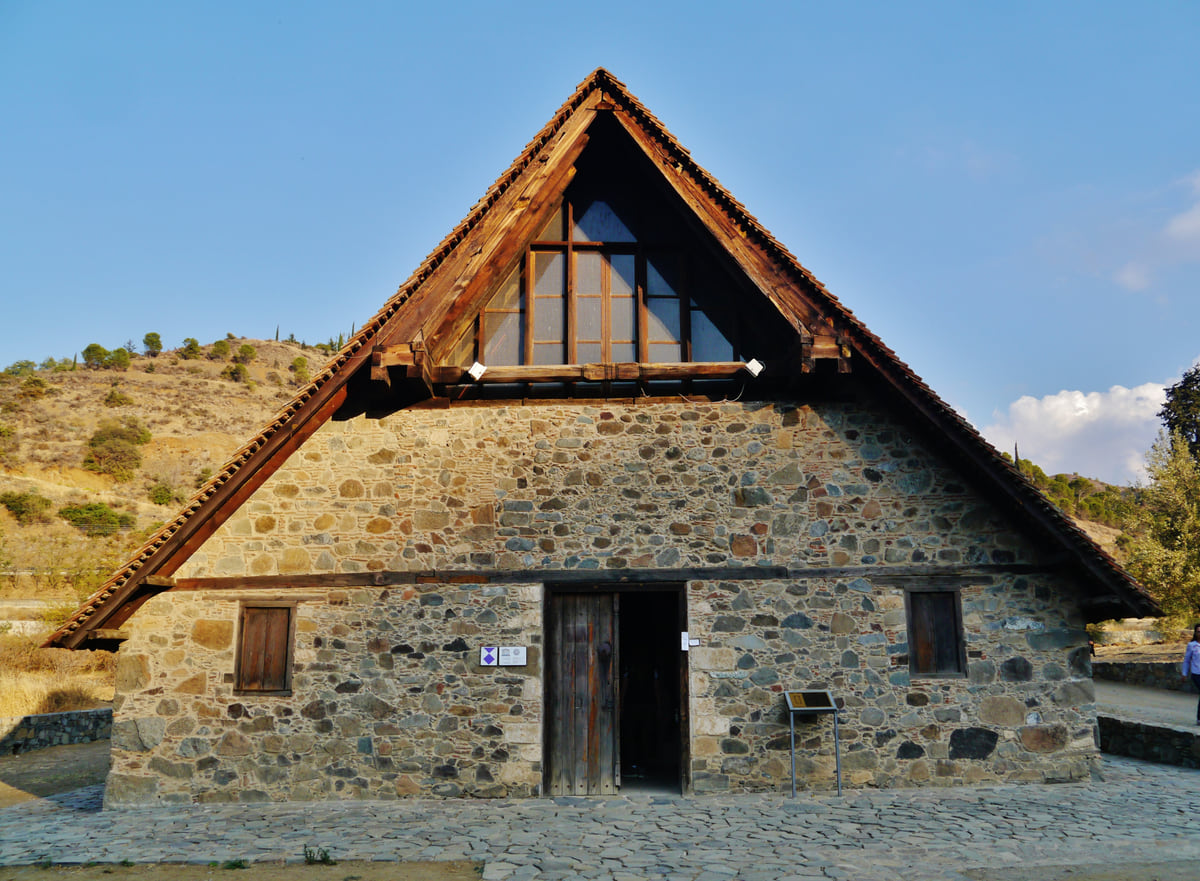
Panagia Podithou is one of the ten painted churches of the Troodos that UNESCO lists as World Heritage. It stands north of Galata, in the Solea valley, and according to its inscription was built in 1502 as a monastery church. Its paintings are Italo-Byzantine, and one shows the donors offering the church to the Virgin. It's free to visit.
Is Panagia Podithou worth it?
Yes
Yes, especially on the same route as Stegis or Asinou. Its 1502 Italo-Byzantine style differs from the others and it doesn't take long to see.
Who will enjoy it and who will not
Yes, if…
- Anyone touring the Solea valley
- Anyone keen to compare Byzantine painting styles
Better not, if…
- Anyone with time for only one painted church
- Anyone without a car
Podithou shows another side of the painted churches, early 16th-century art with an Italian influence. I'd see it right after Agios Nikolaos tis Stegis, to notice the difference.
In 30 seconds
Full read: 2 min
- Panagia Podithou is a UNESCO painted church north of Galata.
- It was built in 1502 as a monastery church.
- Its paintings are Italo-Byzantine in style.
- Entry is free, as at the other nine.
My key points
What I would keep in mind
-
01 Most beautiful
The donors in paint
One of its murals shows the donor, as an old man, with his wife, offering the Virgin a model of the church.
painted churches of Troodos -
02 My tip
Galata has more
The same village has other painted churches, such as Agios Sozomenos, from 1513, and the chapel of the Virgin, with frescoes from 1514.
Galata -
03 To save money
Free to visit
Like the other nine of the property, it can be visited without paying, according to UNESCO.
UNESCO World Heritage in Cyprus
What I would book
Panagia Podithou came late to the story of the painted churches, at the start of the 16th century, and you can tell. Its paintings have an Italian air you don’t expect in a mountain church. What follows mixes UNESCO’s data, the description the mountains’ development company gives and my own way of seeing it.
What to see inside
The highlight is the iconostasis, of carved and gilded wood, surrounded by Italo-Byzantine murals. The company notes that the apostles Peter and Paul are painted on the north wall, with biblical scenes on the rest. The mural that catches the eye is the donors’, an elderly man with his wife offering the Virgin a model of the church. That custom of portraying whoever paid for the church recurs in other churches of the group, such as Archangelos Michael at Pedoulas, and it’s a detail I love about them.
A monastery church of 1502
The church stands north of Galata, in the Solea valley. According to its own inscription it was built in 1502, and it was a monastery church. It’s one of the ten painted churches of Troodos that UNESCO inscribed in 1985, all with the steep wooden roof that sets them apart.
If you are staying the night, see the best hotel deals in Kakopetria for your dates: the well-placed rooms go fast.
How I’d see it
Entry costs nothing, according to UNESCO, and the church is still used for worship. Its opening hours aren’t published by an official source, so I’d visit early, without cutting it fine. Bear in mind people still worship there, so cover up a little and keep your voice down. I’d pair it with Agios Nikolaos tis Stegis, a much older church a few kilometres away, because comparing them is the best art history lesson you can get in one valley. To round off the day, Galata’s folk art museum and the Kyrillos watermill, which still grinds wheat, show the rural life of the area. The rest of the valley is in the Solea valley.
One stop on the Solea route
The company groups Podithou with Asinou and Stegis, Solea’s other UNESCO churches, in a 138 kilometre route through Nikitari, Galata and Kakopetria. The furthest out is Panagia Asinou, near Nikitari, with frescoes going back to the 12th century. If you want to see all three in one day, Podithou sits in the middle and needs the smallest detour.
So you do not lose the morning at the ticket office, browse tickets and tours in Panagia Podithou on GetYourGuide.
Galata, a village of churches
Podithou isn’t alone. Galata, at 620 metres and with 571 residents in 2021, has other painted churches within the village. Among them, the company picks out a chapel of the Virgin painted in 1514 and the church of Agios Sozomenos, from 1513, while the main church, Panagia Odigitria, only dates from 1930. I cover them all, with the museum and the mill, on the Galata page.
If you would rather go at your own pace, see the car hire deals in Limassol: the earlier you book, the more cars are left to choose from.
If you are staying the night, see the best hotel deals in Kakopetria for your dates: the well-placed rooms go fast.
Visiting details
| Item | Detail | Source |
|---|---|---|
| Location | North of Galata, Solea valley | Troodos Development Company |
| Built | 1502, according to its inscription; former monastery church | Troodos Development Company |
| Iconostasis | Carved and gilded wood | Troodos Development Company |
| Paintings | Italo-Byzantine; Peter and Paul on the north wall | Troodos Development Company |
| Entry | Free | UNESCO |
Checked on 4 October 2026. Hours: no data in the official sources checked.
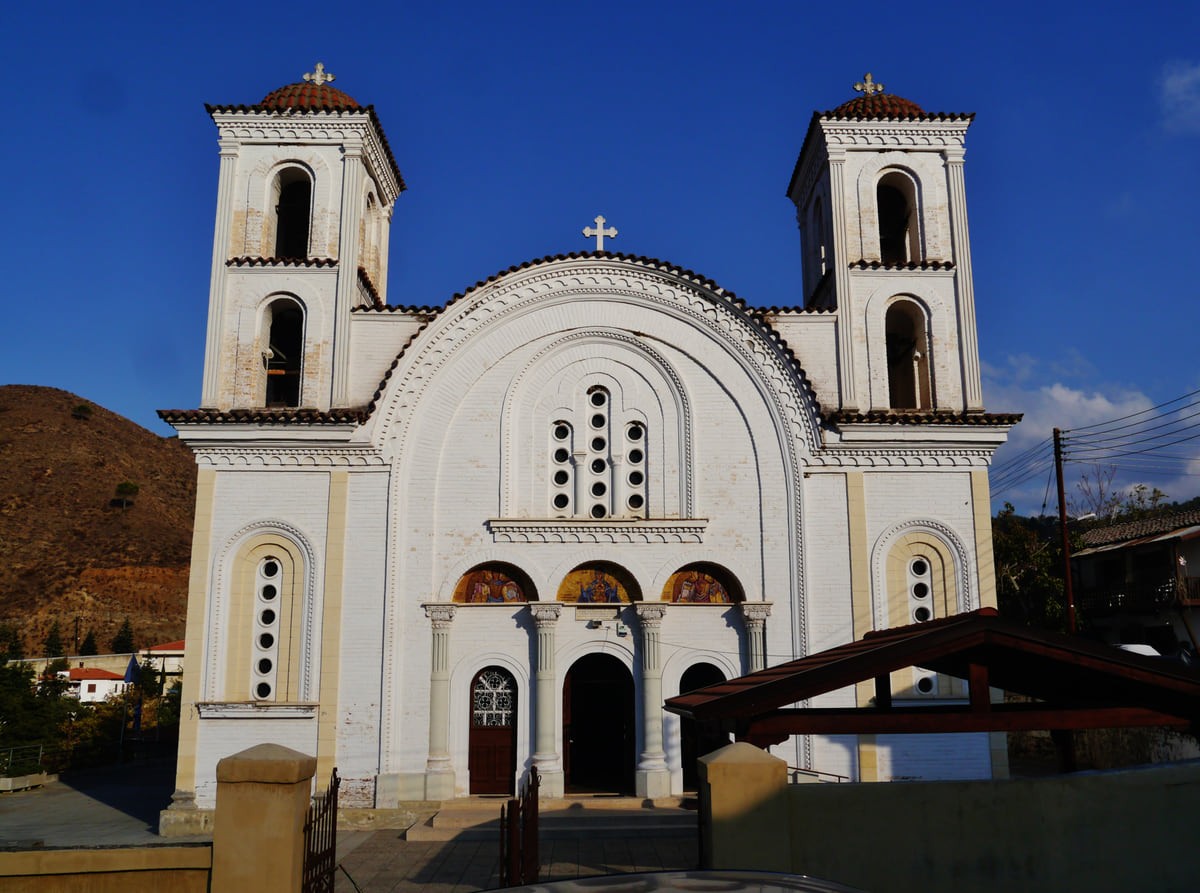
The church of Panagia Odigitria in Galata, white with twin bell towers and a dome, in the Solea valley of the Troodos
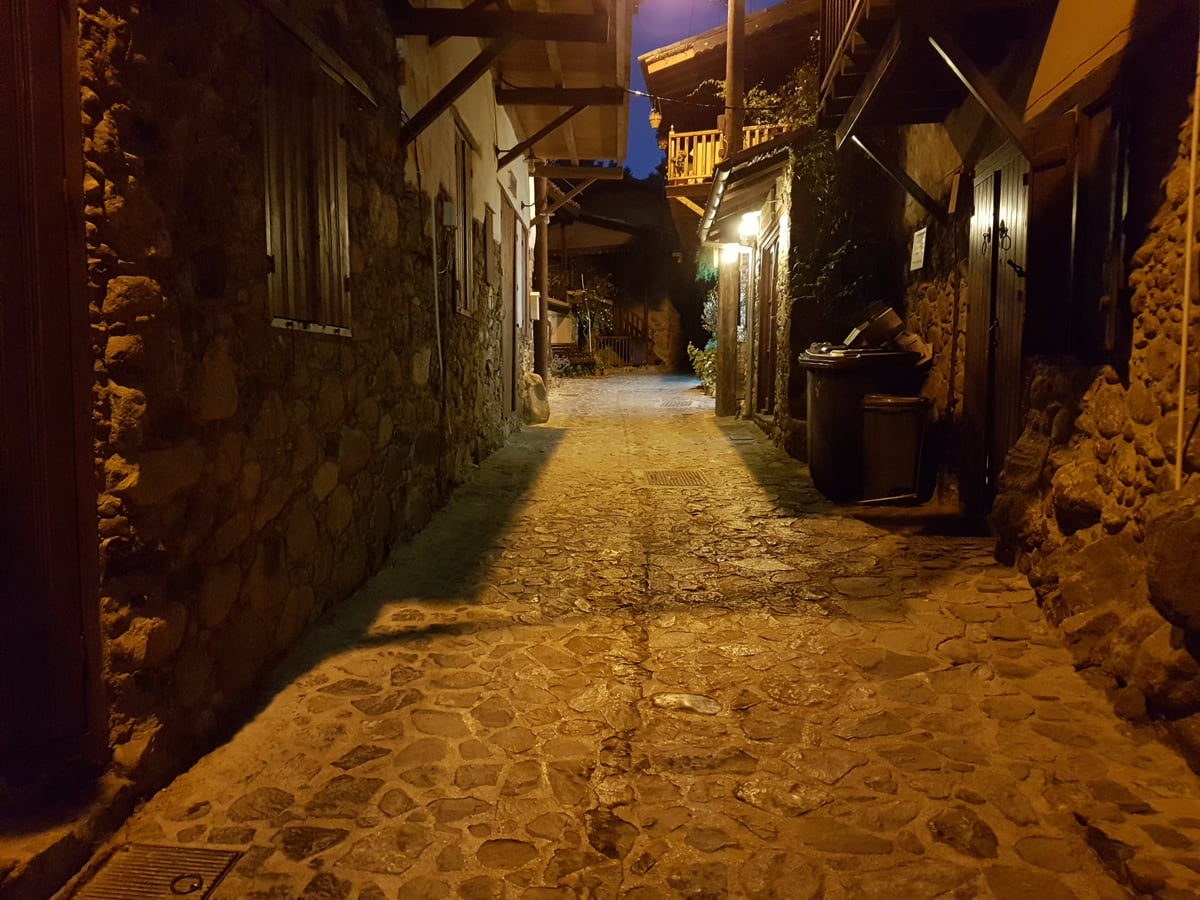
A stone alley in Kakopetria at night, lit by street lamps between old houses with overhanging wooden balconies
Test yourself
True or false?
0/3 Pick before you peek.
-
Panagia Podithou was built in the 11th century.
See the answer
False. Its inscription dates it to 1502, at the start of the 16th century.
-
Its paintings show Italian influence.
See the answer
True. The Troodos Development Company describes them as Italo-Byzantine in style.
-
It was always a parish church.
See the answer
False. It was a monastery church, according to the Troodos Development Company.
Map
Where Panagia Podithou is
The grey strip with green dashes across the island is the UN buffer zone, the Green Line; to the north is the part of the island not under the control of the Government of the Republic. The Troodos fill the centre and west. Every number opens its guide.
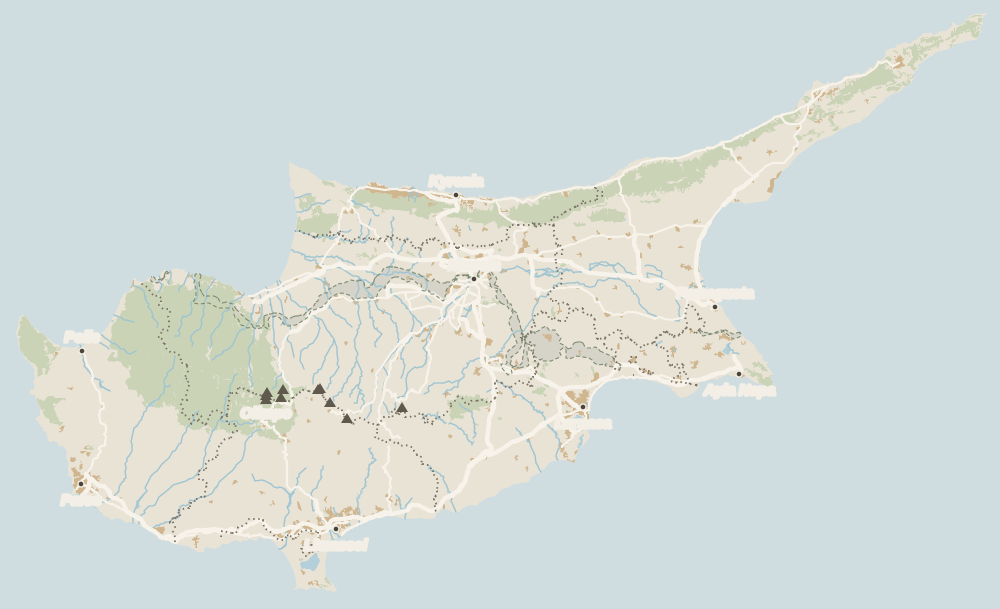 1Agios Nikolaos tis Stegis 2Panagia Asinou 3Panagia Podithou 4Archangelos Michael, Pedoulas 5Panagia tou Moutoulla 6Agios Ioannis Lampadistis 7Stavros tou Agiasmati 8Panagia tou Araka 9Timios Stavros, Pelendri 10Transfiguration church, Palaichori
Map data © OpenStreetMap contributors (ODbL)
- 1Agios Nikolaos tis StegisUNESCO painted church
- 2Panagia AsinouUNESCO painted church
- 3Panagia PodithouUNESCO painted church
- 4Archangelos Michael, PedoulasUNESCO painted church
- 5Panagia tou MoutoullaUNESCO painted church
- 6Agios Ioannis LampadistisUNESCO painted monastery
- 7Stavros tou AgiasmatiUNESCO painted church
- 8Panagia tou ArakaUNESCO painted church
- 9Timios Stavros, PelendriUNESCO painted church
- 10Transfiguration church, PalaichoriUNESCO painted church
- Year built
- 1502
- World Heritage
- 1985
- Galata residents (2021)
- 571
- Entry
- €0
Panagia Podithou: questions and answers
Where is Panagia Podithou?
North of the village of Galata, in the Solea valley, on the northern slopes of the Troodos and in Nicosia district.
When was Panagia Podithou built?
According to the church's own inscription, in 1502. It was a monastery church.
What makes it special?
Its Italo-Byzantine paintings, the carved and gilded wooden iconostasis, and the portrait of the donors offering the church to the Virgin.
How much does it cost to go in?
Nothing. UNESCO states that the ten painted churches of the Troodos are free to visit.
What else is there to see in Galata?
The church of Agios Sozomenos, from 1513, the chapel of the Virgin with frescoes from 1514, the folk art museum and the Kyrillos watermill, which still works.
0 of 424 Cyprus guides
Your next stamp
- Galata
- Panagia tou Moutoulla
- Panagia Asinou
- Painted churches of Troodos
- Chrysorrogiatissa Monastery
- Panagia tou Araka
- Stavros tou Agiasmati
- Lagoudera
- Almyra Hotel
- Anassa Hotel
- Anastasia Beach
- Aphrodite Hills Resort
- Apostolos Andreas
- Bellapais Abbey
- Cap St Georges
- Church of St Lazarus
- Columbia Beach Resort
- Commandaria
- Coral Beach Hotel
- Cypriot food
- Dome Beach
- Four Seasons Limassol
- Golden Bay
- Grecian Park
- Hilton Nicosia
- Kourion
- Kyrenia Castle
- Larnaca
- Lefkara lace
- Limassol
- Limassol Carnival
- Meze
- Omodos
- Panagia Angeloktisti
- Places to visit
- Selimiye Mosque
- Soli
- St Barnabas Monastery
- Weather
- Wine routes
- Atlantica Miramare
- Büyük Han
- Cheap eats
- Cyprus in winter
- Finikoudes
- Halloumi
- Kantara Castle
- Kataklysmos
- Limassol Castle
- Narcissos
- Nissi Beach Resort
- Olympic Lagoon Paphos
- Othello Tower
- Sanctuary of Apollo Hylates
- Sea temperature
- Things to do
- Vouni
- Vouni Palace
- Alion Beach
- Cypriot desserts
- Cyprus in spring
- Elias Beach
- Golden Coast
- Koilani
- Kolossi Castle
- Lala Mustafa Pasha Mosque
- Larnaca Castle
- Leonardo Laura Beach
- Limassol old town
- Limassol Wine Festival
- Most beautiful places
- Souvla
- St Hilarion Castle
- Arsos
- Buffavento Castle
- Crystal Springs
- Cypriot wine
- Cyprus in summer
- Easter in Cyprus
- Episkopi
- Kition
- Kleftiko
- Limanaki Beach
- Molos promenade
- Pafos Aphrodite Festival
- Pagona
- Prettiest villages
- St Raphael Resort
- Adams Beach
- Akrotiri peninsula
- Alasia Hotel
- Bellapais
- Cyprus in autumn
- Elysium Hotel
- Green Monday
- Independence Day
- Limassol Marina
- Pierides Museum
- Sheftalia
- Sunrise Pearl
- UNESCO World Heritage
- Vasa Koilaniou
- Akrotiri salt lake
- Amathus Beach
- Christmas
- Cyprus in January
- Grecian Bay
- Larnaca Archaeological Museum
- Limassol old port
- Lofou
- Map
- Venus Beach Hotel
- Vrissiana
- Asterias Beach
- Capo Bay
- Cypriot coffee
- Cyprus in February
- Kamares Aqueduct
- Kefalos Beach
- Lania
- Limassol Archaeological Museum
- Parklane
- St Nicholas of the Cats
- Where is Cyprus
- Alexander the Great
- Carob Mill
- Cyprus in March
- Districts
- Hala Sultan Tekke
- Lady's Mile
- Tsokkos Gardens
- Zivania
- Beer
- Cavo Maris
- Cyprus in April
- Germasogeia
- King Evelthon
- Larnaca Salt Lake
- Pissouri
- Towns and villages
- Amathus
- Anogyra
- Athena Beach
- Cyprus in May
- Mackenzie beach
- Population
- Archaeological sites
- Cyprus in June
- King Jason
- Limassol beaches
- Size
- Zenobia wreck
- Aliathon Resort
- Castles in Cyprus
- Cyprus in July
- Governor's Beach
- Languages
- Larnaca beaches
- Annabelle Hotel
- Cyprus in August
- Monasteries in Cyprus
- Name
- Azia Resort
- Cyprus in September
- Museums in Cyprus
- Capital Coast Resort
- Cyprus in October
- Pyla
- Cyprus in November
- Kiti
- Cyprus in December
- Lefkara
- Choirokoitia
- Tochni
- Flag
- How to get there
- Kalavasos
- Krasochoria
- Salamis
- Aphrodite
- Flights
- Karpas Peninsula
- Stavrovouni Monastery
- Kornos
- Larnaca Airport
- Limassol District
- Larnaca district
- Paphos Airport
- Pyrga
- Airport transfers
- Athienou
- Ferry
- Odou
- Cruises
- Kato Drys
- Getting around
- Vavla
- Buses
- Zygi
- Psematismenos
- Taxis
- Agios Irakleidios
- Car hire
- Paphos district
- Driving
- Paphos
- Kato Paphos
- Parking
- Cycling
- Paphos old town (Ktima)
- Paphos Archaeological Park
- Road trip
- Distances
- Tombs of the Kings
- Agia Kyriaki and St Paul's Pillar
- Paphos Byzantine Museum
- Paphos beaches
- Geroskipou
- Cyprus Wine Museum
- Greek or Turkish?
- Peyia (Pegeia)
- Coral Bay
- History
- Sea caves, Peyia
- The division
- Agios Georgios, Peyia
- Political system
- Akamas peninsula
- Religion
- Blue Lagoon, Akamas
- Public holidays
- Baths of Aphrodite
- Time
- Currency and payments
- Lara beach
- Avakas Gorge
- EU and Schengen
- Entry requirements
- Polis Chrysochous
- Facts
- Latchi
- Neo Chorio
- Aphrodite's Rock
- Palaepaphos (Kouklia)
- Paphos Castle
- Paphos Archaeological Museum
- Agia Solomoni Catacomb
- Kathikas
- Drouseia
- Ineia
- Diarizos Valley
- Pano Panagia
- The north
- Where to eat
- Where to stay
- Crossing to the north
- Hotels in Ayia Napa
- Agios Neophytos Monastery
- Green Line
- Hotels in Protaras
- British bases
- Hotels in Limassol
- Tala
- Ercan airport
- Hotels in Larnaca
- Lempa
- Hotels in Paphos
- Hotels in the north
- Pano Arodes
- Hotels in Coral Bay
- Kritou Terra
- Kyrenia district
- Hotels in Polis and Latchi
- Kyrenia
- Lysos
- Hotels in Nicosia
- Lapithos
- Pomos
- Cedar Valley
- Hotels in the Troodos
- Ayia Napa
- Best time to visit
- Famagusta district
- Luxury hotels
- North Nicosia
- Agrotourism
- All-inclusive hotels
- Famagusta
- Thalassa Museum
- Adults-only hotels
- Apartments
- Ayia Napa Monastery
- Varosha
- Ayia Napa Sculpture Park
- Family hotels
- Morphou
- Boutique hotels
- Nissi Beach
- Beachfront hotels
- Casinos in Cyprus
- Events
- Makronissos
- Ayia Napa sea caves
- Cheap hotels
- Love Bridge
- Villas
- Ayia Napa beaches
- Campsites
- Cape Greco
- Safety
- Konnos Bay
- Scams and pitfalls
- Cyclops Cave
- Healthcare
- Mobile and roaming
- Free things to do
- What to buy
- With a dog
- Accessible Cyprus
- Plugs
- Tipping
- Protaras
- Tourist information
- Fig Tree Bay
- Packing list
- Prices and budget
- Profitis Ilias Church
- Cyprus on a budget
- Protaras beaches
- Shopping
- Paralimni
- With kids
- Deryneia
- For couples
- Kokkinochoria
- Weddings
- Nightlife
- Sotira
- Liopetri
- Package holidays
- Day trips
- Frenaros
- Nicosia district
- Avgorou
- Boat trips
- Nicosia
- Jeep safari
- Venetian walls
- Famagusta Gate
- Ledra Street
- Laiki Geitonia
- Cyprus Museum
- Byzantine Museum, Nicosia
- St John's Cathedral
- Archbishop's Palace
- 3 days
- Museums in Nicosia
- 5 days
- Chrysaliniotissa
- Leventis Museum
- One week
- 10 days
- Leventis Gallery
- Kornesios house
- Two weeks
- National Struggle Museum
- Ömeriye Mosque
- Faneromeni Church
- Shacolas observatory
- Tamassos
- Idalion
- Machairas Monastery
- Fikardou
- Lythrodontas
- Tilliria
- Kato Pyrgos
- Troodos Mountains
- Mount Olympus
- Troodos Square
- Skiing in Cyprus
- Troodos Geopark
- Kykkos Monastery
- Makarios's tomb
- Trooditissa Monastery
- Platres
- Prodromos
- Foini
- Treis Elies
- Marathasa valley
- Solea valley
- Agios Nikolaos tis Stegis
- Archangelos Michael, Pedoulas
- Agios Ioannis Lampadistis
- Kalopanayiotis
- Pedoulas
- Moutoullas
- Kakopetria
- Evrychou
- Pitsilia
- Timios Stavros, Pelendri
- Transfiguration church, Palaichori
- Palaichori
- Askas
- Polystypos
- Alona
- Agros
- Kyperounta
- Louvaras
- Hiking in Cyprus
- Artemis Trail
- Atalante Trail
- Persephone Trail
- Teisia tis Madaris
- Waterfalls in Cyprus
- Caledonia Waterfall
- Nature parks in Cyprus
- Viewpoints in Cyprus
- Cyprus beaches
- Diving in Cyprus
- Water sports in Cyprus
- Water parks in Cyprus
- Golf in Cyprus
- Mazotos Camel Park

Questions about Panagia Podithou? Write to me
I read every email. If a fact is wrong or missing, tell me and I will check it.
My email sergiolepone@gmail.com
By
Tourism graduate with a master’s in Tourism Management and Planning from the University of Málaga, who has travelled across Europe. He writes every guide from official sources and his own judgement.
Published on . Updated on . Facts checked on .
Sources
Some links in this guide are affiliate links: if you book through them, the site earns a commission at no extra cost to you. Affiliate disclosure
Photos: Zairon (CC BY-SA 4.0); Zairon (CC BY-SA 4.0); FocalPoint (CC BY-SA 4.0), via Wikimedia Commons.