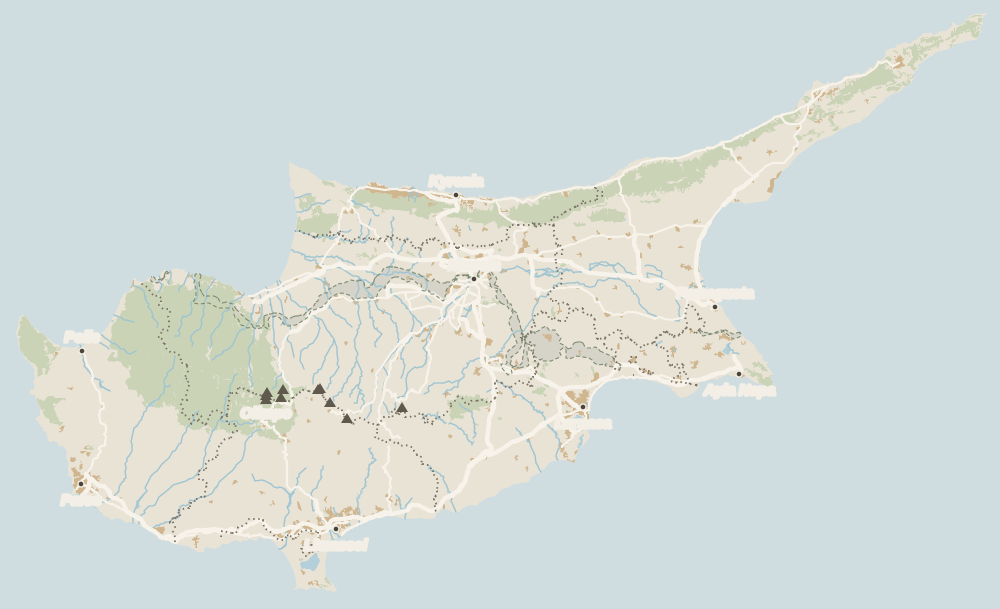
The grey strip with green dashes across the island is the UN buffer zone, the Green Line; to the north is the part of the island not under the control of the Government of the Republic. The Troodos fill the centre and west. Every number opens its guide.
Limassol (Lemesos) is Cyprus's second city and the main port on the south coast, with 107,970 residents in its municipality in 2021. What to see in Limassol is concentrated in the medieval castle, the old town, the Molos promenade with its sculpture park and the marina, all walkable. It's also the best base for Kourion, Amathus and the wine villages.
If you're here for the town, I wouldn't stay far from the centre. Castle, old town, old port and Molos are all walkable in a day, and the tourist board's free route saves you a guide.
Sergio LeponeMy advice for Limassol
Limassol: the quick answer
Full read: 4 min
Limassol is Cyprus's second city and its main southern port.
Its municipality had 107,970 residents in 2021.
The castle, old town and Molos are walkable in a day.
The tourist board offers a free 20-stop walking route.
Kourion and Amathus are under 15 km away.
Notebook
Worth knowing about Limassol
01 To save money
A guided walk that costs nothing
In September 2026 the tourist board published a free self-guided route through the historic centre with 20 stops, 2.06 km and about two and a half hours.
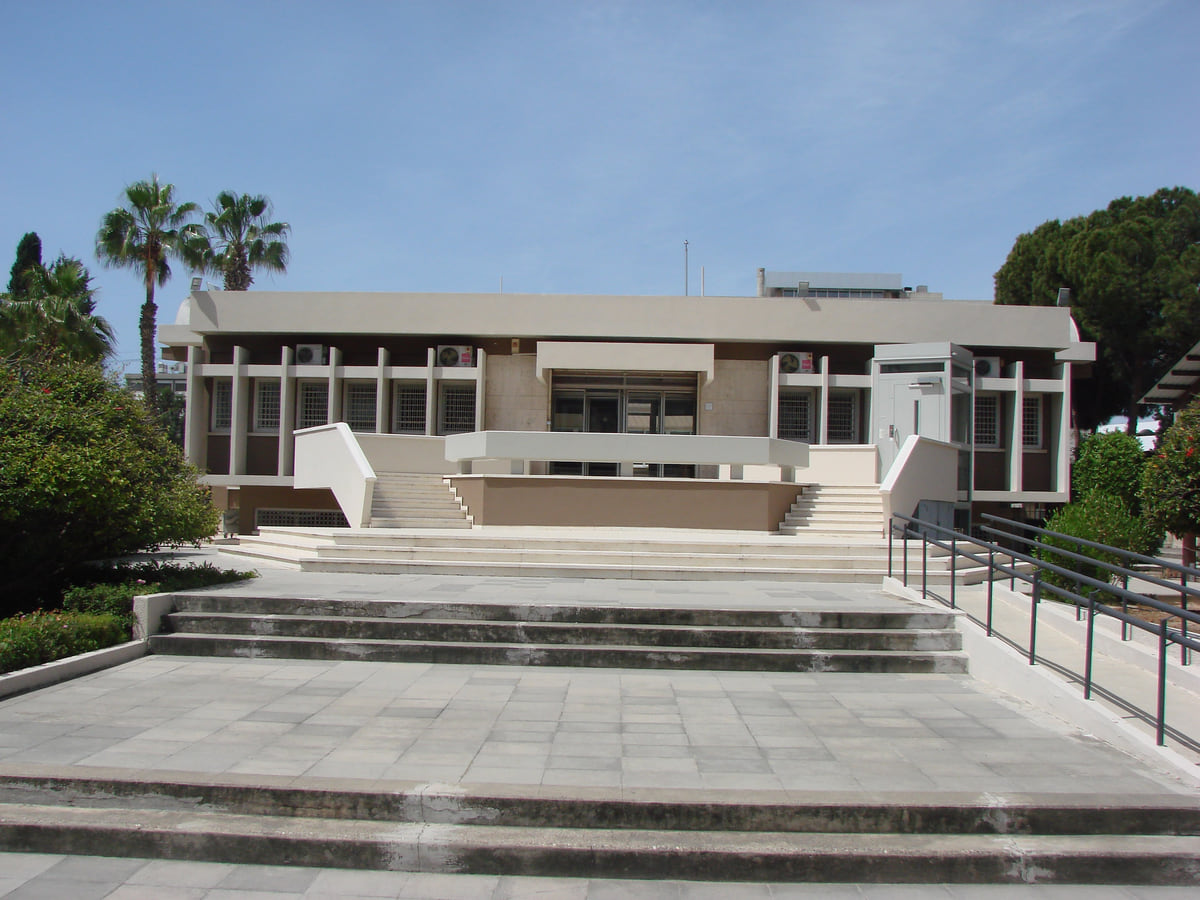
Finds from across the district, Neolithic to Roman, including votive offerings linked to the cult of Aphrodite. The ideal companion to Amathus and Kourion.
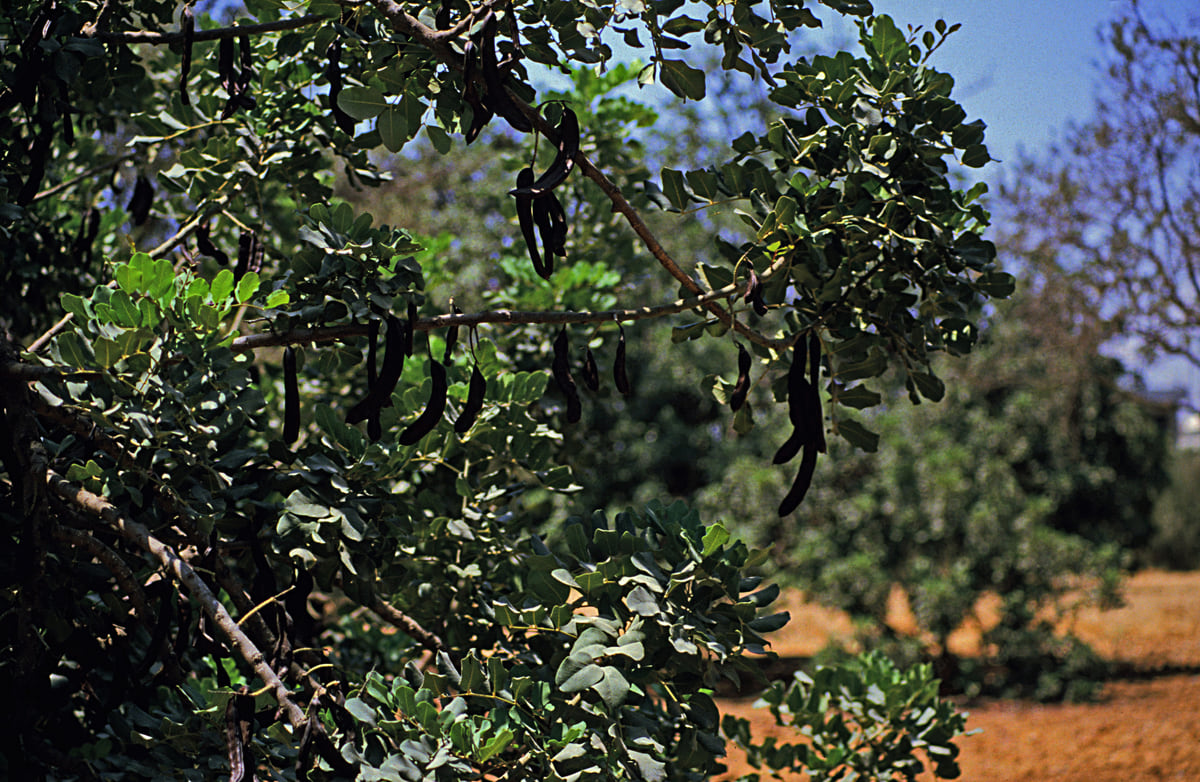
The old carob mill, with its original machinery and free entry, a few steps from the castle.
7.0 out of 10
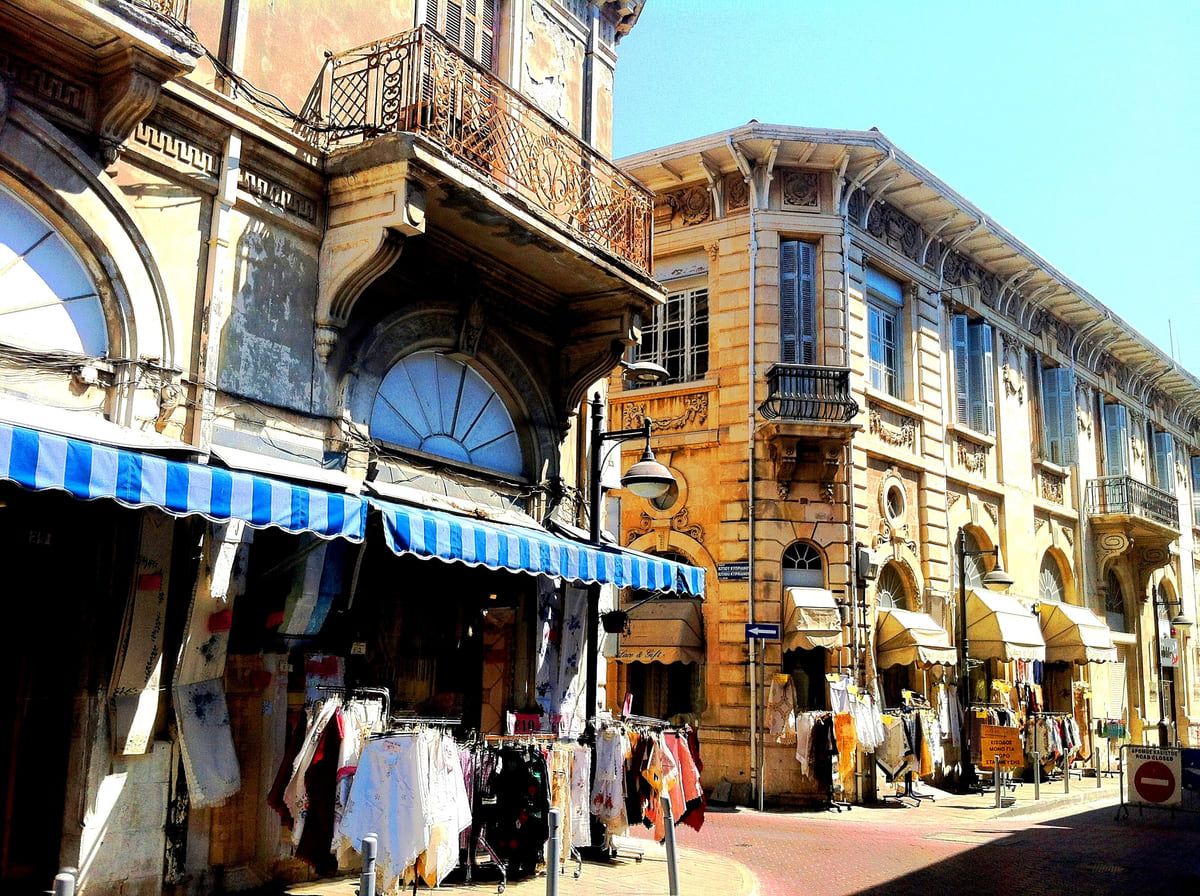
Limassol is the Cypriot city I find hardest to pigeonhole. It has towers along the sea and, two streets back, an old town of cobbled lanes, overhanging balconies and small shops. It has a medieval castle with a royal legend attached and a yacht harbour next door. Its biggest strength, to my mind, is a practical one, because from here almost the whole island is a day trip. That makes it the base for my 3 days in Cyprus route. Below is what I would see, in order.
What to see in Limassol’s centre
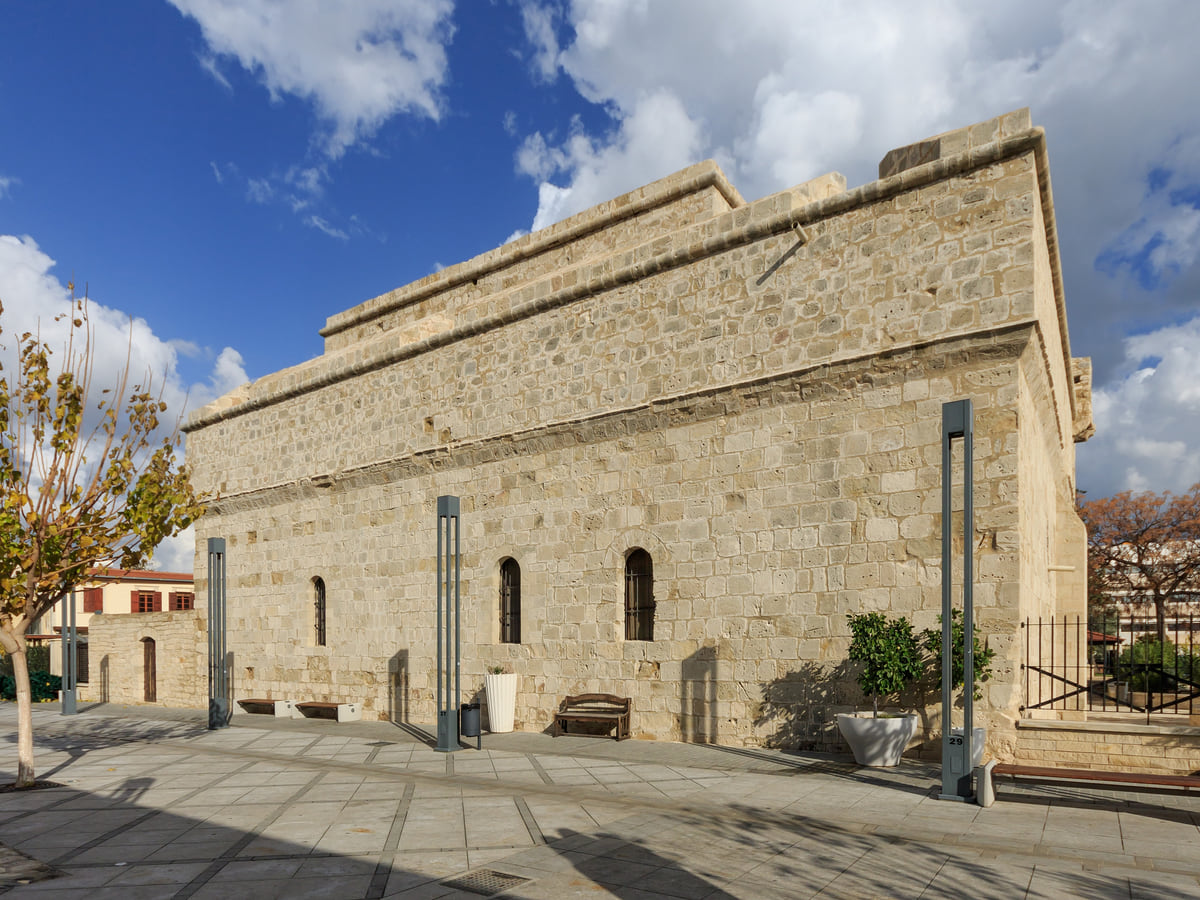
The focal point is Limassol Castle, right above the old port. From there you can walk to the Kebir Mosque, the Turkish baths, the Orthodox cathedral of Agia Napa and the shopping streets of Anexartisias, with Saripolou, which the board describes as the creative, student quarter. I lay all of that out in Limassol old town, and shop opening hours in shopping in Cyprus.
If museums are your thing, the old Carob Mill is beside the castle, and a little further out is the Limassol Archaeological Museum, with finds from all over the district. The board also lists a Folk Art Museum with more than 500 exhibits, the municipal gallery with over 600 works of modern Cypriot art and the Pattichion municipal museum, covering the town’s story since the 18th century. They sit alongside the rest of the island’s in museums in Cyprus. This is also KEO’s home town, brewing here since 1951, as I cover in Cypriot beer.
The sea on the doorstep
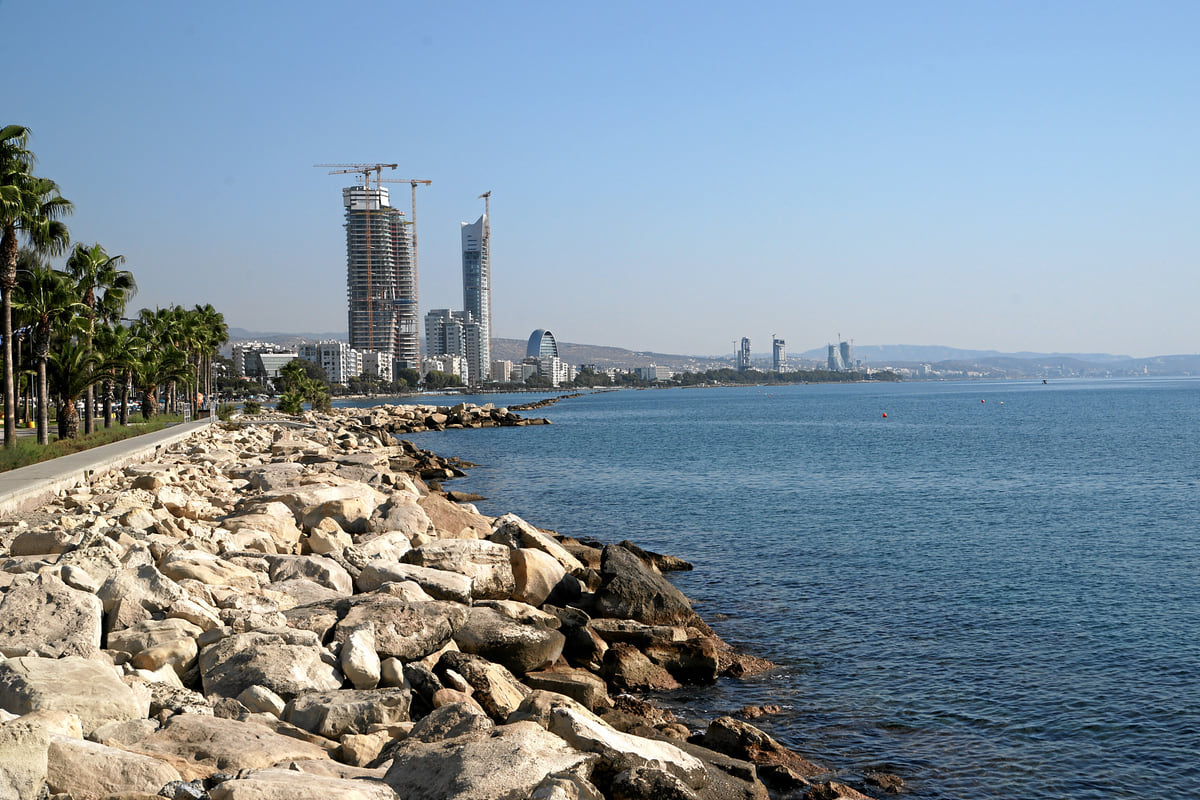
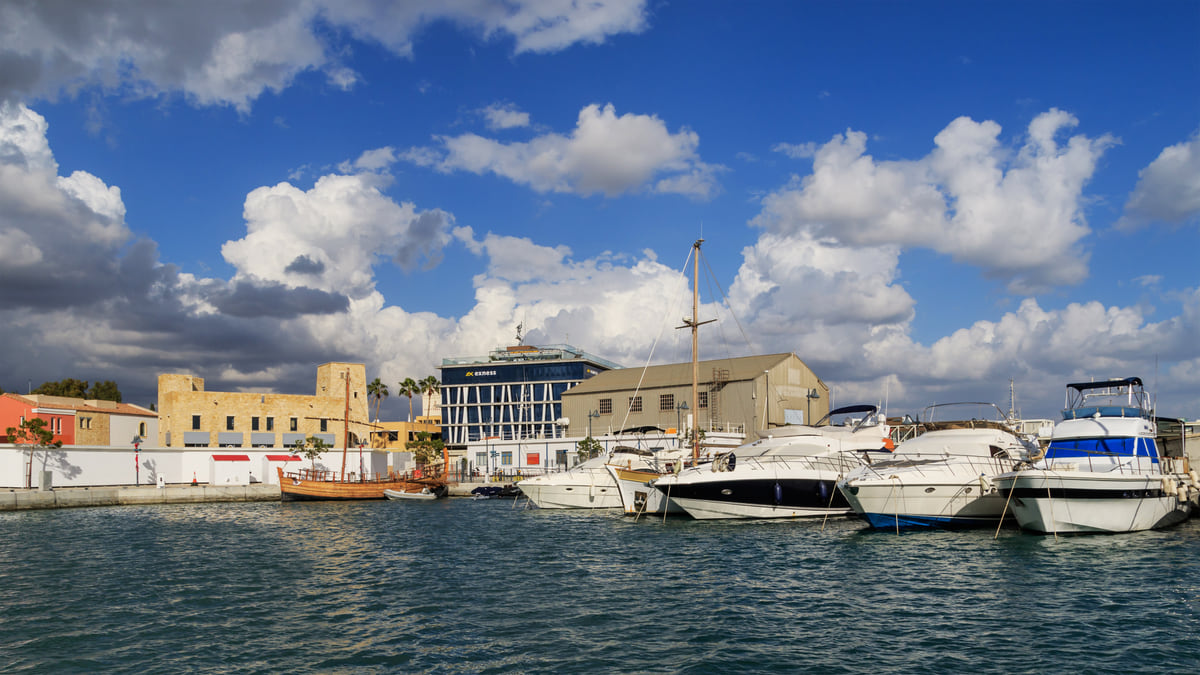
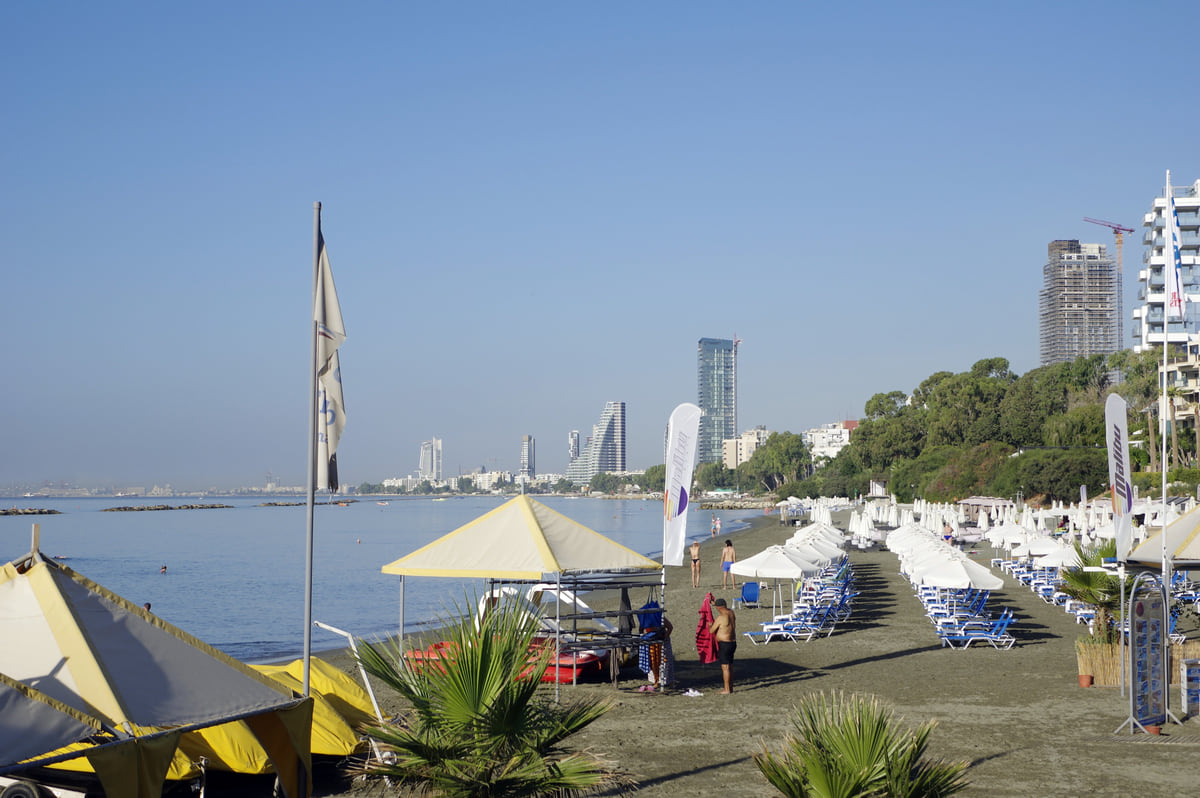
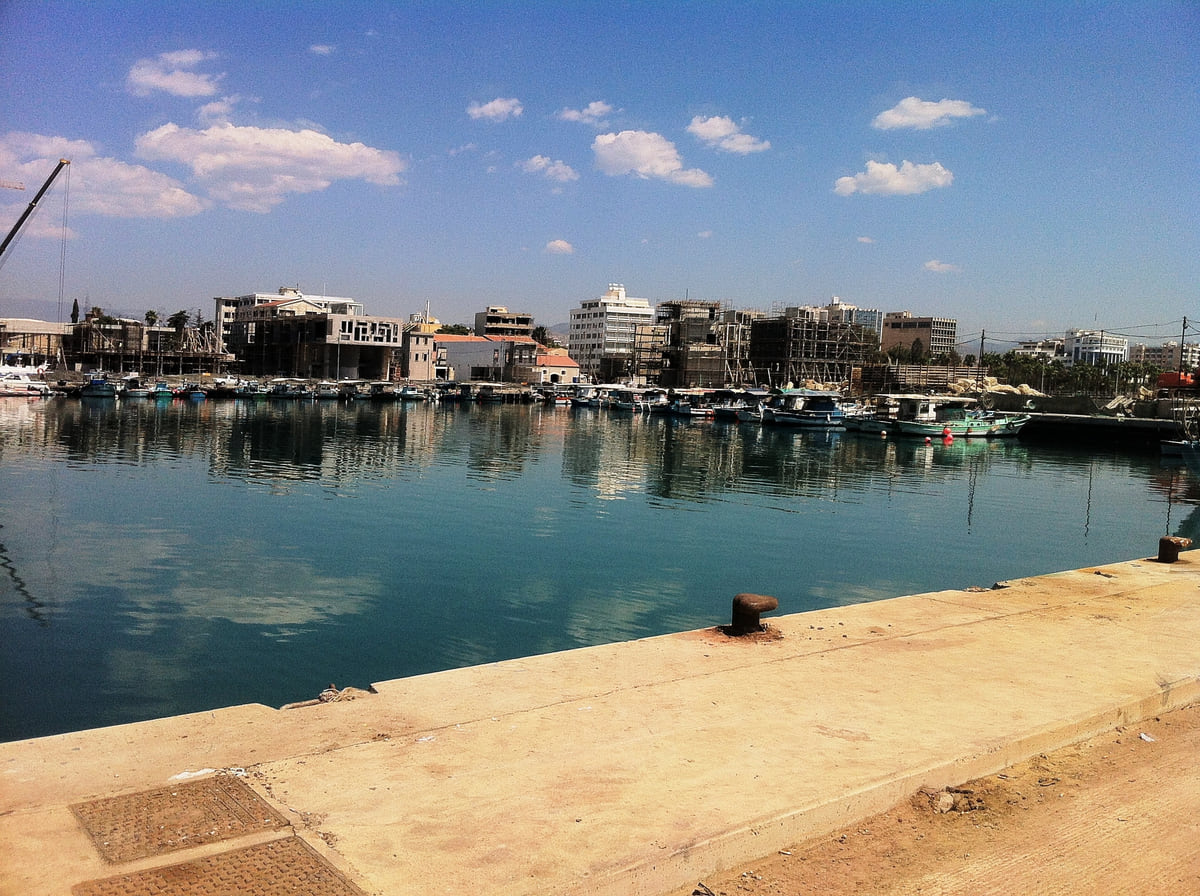
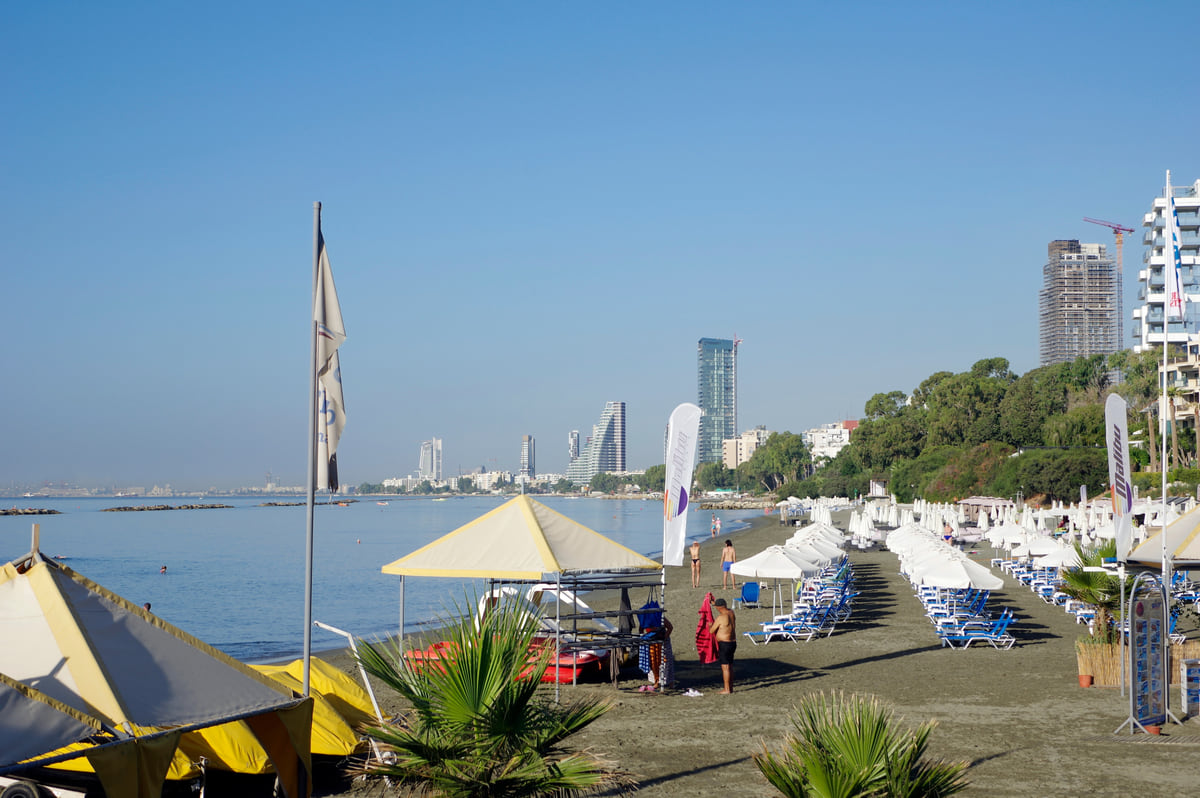
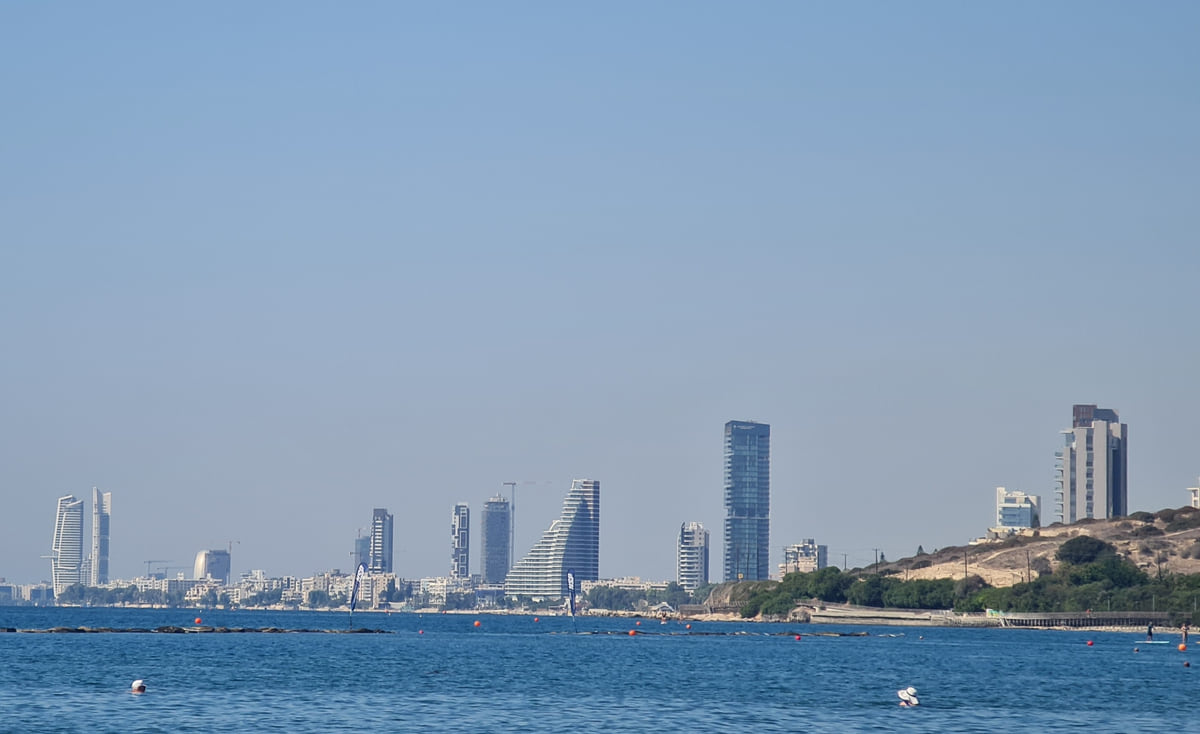
Limassol faces the water. The Molos promenade links the old port with Akti Olympion, the town beach, and is lined with over twenty big sculptures. On the other side of the castle are the Limassol old port, restored as a place to stroll and sit in a café, and Limassol Marina, with the yachts. For evenings out, bar closing times and the usual warnings are in Cyprus nightlife, and the casino resort on the south-west edge of town is in casinos in Cyprus.
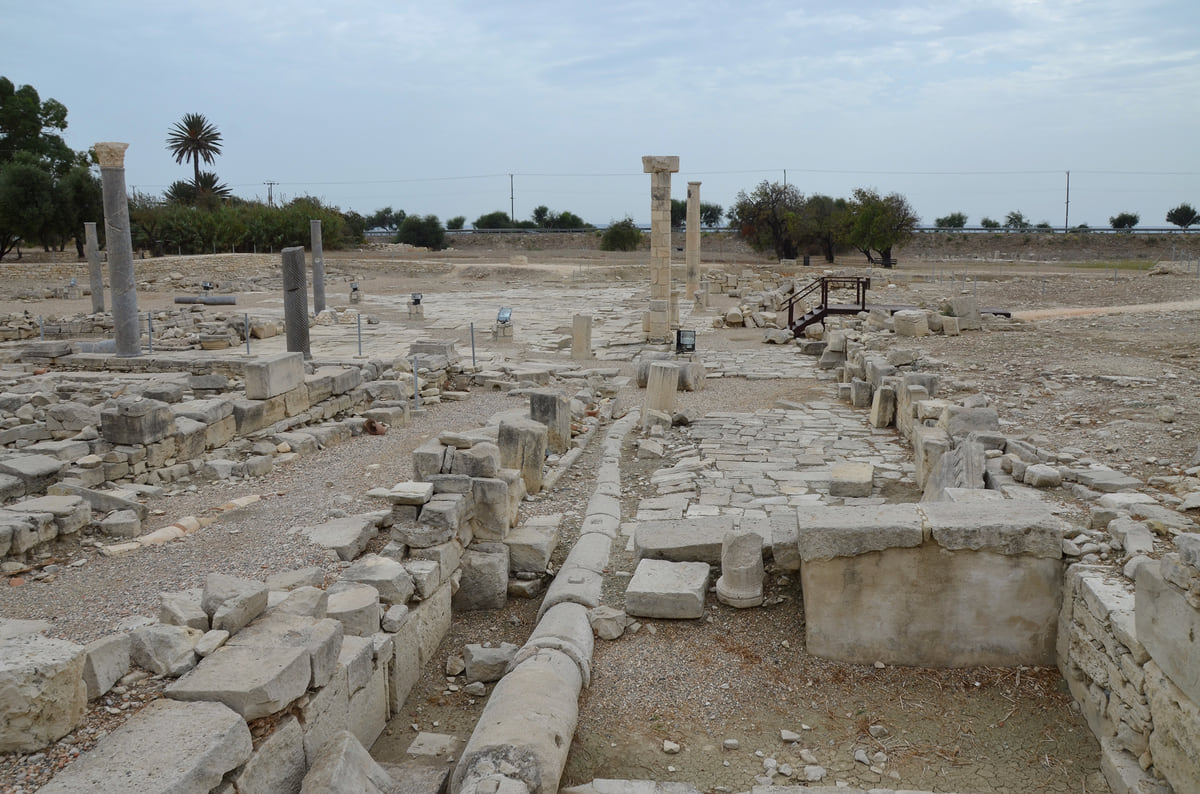
The town coastline runs to about 16 km, according to the board, and to the east the town merges into the hotel area of Germasogeia. If you’re after a beach, I compare them in Limassol beaches, and about 10 km east, beside the coast road, the ruins of Amathus pair well with a swim. Akti Olympion and Dasoudi have wheelchair access, covered in accessible travel in Cyprus.
This is my money-saving tip. In September 2026 the tourist board put a self-guided route through the historic centre on its website, free, with 20 stops, 2.06 km and about two and a half hours at an easy pace. You follow it on your phone and it explains every building. According to the same page, the municipality also runs a free guided walk round the old town every Thursday. The tourist information office at the old port is open Monday to Friday, 08:30 to 16:00, with maps and leaflets, and the rest across town and island are listed in tourist information in Cyprus.
Getting there and getting around
Limassol sits between the two airports. By the tourist board’s reckoning it’s 67 km, about 52 minutes, from Larnaca and 59 km, around 50 minutes, from Paphos, so flights from Gatwick, Manchester or a regional airport into either will do. Arriving by ship, the cruise berths are a little way out of the centre, as I explain in Cyprus cruises. In town an EMEL bus costs €2.50 since 5 November 2026, though the centre is easy on foot.
For day trips a hire car wins, and the rule of the road is the familiar one, keep left. Kourion and Kolossi Castle lie to the west, Governor’s Beach to the east and the Limassol wine villages roughly 27 km inland. The wider picture is in Limassol district, and the trips I’d make from here, by car or bus, in Cyprus day trips. If you’d rather cycle, the town has nextbike at 15 points and ten published routes, gathered in cycling in Cyprus.
Limassol Carnival is the town’s big party. The tourist board already lists the 2027 edition, running from Thursday 4 March and closing with the big parade on Sunday the 14th. Otherwise I’d pick spring or autumn, when the promenade and the ruins are pleasant without the full heat of summer. If you’re staying over, see hotels in Limassol.
A thousand years round a harbour
The Limassol tourist board is honest about the town’s modest beginnings. There are tombs from the 8th and 4th centuries BC and from the 2nd century BC, but the ancient settlement never really grew, squeezed between two far mightier neighbours, Amathus and Kourion. By the 10th century it appears as Nemesos, the name used by Emperor Constantine Porphyrogenitus.
The date everyone remembers is 1191. Richard the Lionheart seized the island during the Third Crusade, and tradition places his marriage to Berengaria of Navarre in the town, from which she left as Queen of England. If the idea of marrying here appeals, the paperwork and the settings the board suggests, the castle included, are in getting married in Cyprus. Then came nearly three prosperous centuries under the Lusignans, Venice from 1489, the Ottomans from 1570, the British from 1878 and independence in 1960. The board credits the town’s tourist boom to the years after 1974, when Famagusta, one of the island’s big resorts, was no longer open to visitors and hotels went up here instead.
If you would rather go at your own pace, see the car hire deals in Limassol: the earlier you book, the more cars are left to choose from.
The medieval castle, the old town with the Kebir Mosque and Agia Napa cathedral, the Molos promenade and its sculpture park, the old port and the marina. Outside town, Kourion and Amathus are well worth the trip.
Where is Limassol?
In the middle of Cyprus's south coast, roughly 60 km from Larnaca and 57 km from Paphos in a straight line. The tourist board gives 67 km by road from Larnaca airport.
Is Limassol Greek or Turkish?
It's in the Republic of Cyprus, an EU member, in the part of the island under government control. Greek and Turkish are the country's official languages.
What is the population of Limassol?
Lemesos municipality had 107,970 residents in CYSTAT's 2021 census. Including the surrounding municipalities, the district had 262,157.
Are there free walking tours in Limassol?
Yes. According to the tourist board, the municipality runs a free guided walk through the historic centre every Thursday, and there's also a free 20-stop self-guided route on its website.
How do I get from Larnaca airport to Limassol?
It's 67 km and about 52 minutes by car, says the tourist board. There are also shuttles and intercity buses, compared on the airport transfers page.
Questions about Limassol? Write to me
If your question is not answered here, write to me and I will look it up in the official sources.
Tourism graduate with a master’s in Tourism Management and Planning from the University of Málaga, who has travelled across Europe. He writes every guide from official sources and his own judgement.

 1Kourion 2Limassol 3Kolossi Castle 4Episkopi 5Akrotiri peninsula 6Germasogeia 7Pissouri 8Amathus 9Anogyra 10Governor's Beach 11Krasochoria 12Limassol District 13Cyprus Wine Museum