The short answer
Slovenia's customs rules treat arrivals from the UK as coming from outside the EU: 200 cigarettes, 1 litre of spirits, 4 litres of still wine and 16 litres of beer, according to the Slovenian Tourist Board. Cash of €10,000 or more must be declared, and meat and milk products can't be brought in.
On the way home, gov.uk bans most EU meat and all dairy.
At a glance
- Cigarettes from outside the EU
- 200
- Spirits over 22%
- 1 litre
- Still wine
- 4 litres
- Cash
- Declare €10,000 or more
- Medicines
- 3 weeks acute; 3 months chronic
- Bringing food home to GB
- No EU dairy, pork or beef
Slovenia customs rules, in short
Full read: 2 min
- From the UK, non-EU allowances apply, such as 200 cigarettes and 4 litres of still wine.
- Declare €10,000 or more in cash.
- No meat or milk products from outside the EU.
- Going home, no EU cheese, pork or beef products into Great Britain.

Coming from Britain, I'd keep prescription medicines in their packaging with the prescription, and think about the trip home before buying food. Slovenian wine and honey travel back fine; the cheese and the Carniolan sausage stay in Slovenia under the current GB rules.
Notebook
What I would keep in mind
-
01 Money
Allowances from outside the EU
The Tourist Board's limits for non-EU arrivals are 200 cigarettes, 100 cigarillos, 50 cigars, 250 g of tobacco, 1 litre of spirits, 2 litres under 22%, 4 litres of still wine and 16 of beer.
-
02 My tip
Medicines with paperwork
You can bring medicines for three weeks for acute conditions and three months for chronic ones, or up to twelve months with proof shown to customs.
healthcare in Slovenia -
03 Watch out
No meat or milk from outside the EU
Arriving from outside the EU, meat, milk and products made from them are prohibited or heavily restricted, apart from small amounts of baby or medical food up to 2 kg.
-
04 To save money
VAT refund on the way out
Leaving the EU, you can reclaim VAT with the seller's tax-free form, stamped by customs as you exit with the original receipt, within three months of purchase.
Carniolan sausage
Duty-free allowances arriving from outside the EU
| Product | Allowance |
|---|---|
| Cigarettes | 200 |
| Cigarillos (up to 3 g) | 100 |
| Cigars | 50 |
| Smoking tobacco | 250 g |
| Drinks over 22% | 1 litre |
| Drinks under 22% | 2 litres |
| Still wine | 4 litres |
| Beer | 16 litres |
Slovenian Tourist Board, «Border formalities», checked on 17 October 2026.
Step by step
-
Check the allowances before you fly
From the UK you're outside the EU: 200 cigarettes, 1 litre of spirits, 4 litres of still wine and 16 litres of beer.
Non-EU limits
-
Declare large amounts of cash
Carrying €10,000 or more in cash, or the equivalent, means filling in a declaration on arrival.
€10,000+
-
Plan the food you bring home
gov.uk bans most EU meat and all dairy, so leave the sausage and cheese behind and buy wine or honey instead.
Duty-free allowances: tobacco and alcohol
Travellers from outside the EU, which includes the UK, have duty-free allowances much lower than those for travel within the EU. The Tourist Board lists 200 cigarettes, 100 cigarillos of up to 3 g, 50 cigars or 250 g of smoking tobacco, plus 1 litre of drinks over 22% or 2 litres under 22%, 4 litres of still wine and 16 litres of beer. The beer brewed in the country itself is covered in Slovenian beer. Within the EU the limits are far higher, 800 cigarettes or 90 litres of wine, but they only apply to people travelling between member states. The documents you need to get in are a separate matter, covered in Slovenia entry requirements.
What you can take back to the UK
There’s no VAT refund for EU residents, but as a visitor leaving the EU you can reclaim it with the tax-free form the seller fills in, stamped by customs as you leave along with the original receipt, as long as the goods leave within three months; it doesn’t apply to mineral oils, alcohol or tobacco. For food, gov.uk’s current rules allow fish, poultry, eggs and honey from the EU, but not cheese, milk and other dairy, nor pork, beef, lamb, goat or venison and products made from them, such as sausages. So if you buy Carniolan sausage, eat it there. Souvenirs that travel well are listed in what to buy in Slovenia.
Declaring cash
The Tourist Board and gov.uk agree that any amount of cash from €10,000 upwards has to be declared on arrival from outside the EU. For day-to-day spending, the Tourist Board points to an exceptionally high number of cash machines; see money in Slovenia.
To sleep close to everything, search places to stay in Ljubljana on Expedia and filter by area before price.
Bringing medicines
You can bring medicines for yourself, your immediate family, your pet or, with a power of attorney, one other person. The limit is three weeks’ supply for acute conditions and three months for chronic ones, or up to twelve months if you show proof to customs. gov.uk warns that a medicine allowed at home isn’t always regulated the same way abroad. I’d carry the prescription or a doctor’s letter. The health side of the trip is covered in healthcare in Slovenia.
Food and plants you can’t bring in
Arriving from outside the EU, meat, milk and products made from them are prohibited or severely restricted, with exceptions for up to 2 kg of baby food or food for medical purposes. Small amounts of fruit, vegetables, bread, sweets, chocolate or honey are allowed, up to 2 kg, and up to 20 kg of fish. Plants and seeds need a phytosanitary certificate.
If you are short on time, see the best tours in Ljubljana and pick one that fits your day.
Travelling with pets
Dogs and cats need a passport or veterinary certificate showing rabies vaccination, and must be identifiable by a microchip or a legible tattoo. You can bring up to five animals, except for shows and competitions, and the rules vary with the rabies status of the country you’re coming from, so check before you travel.
To sleep close to everything, search places to stay in Ljubljana on Booking.com and filter by area before price.
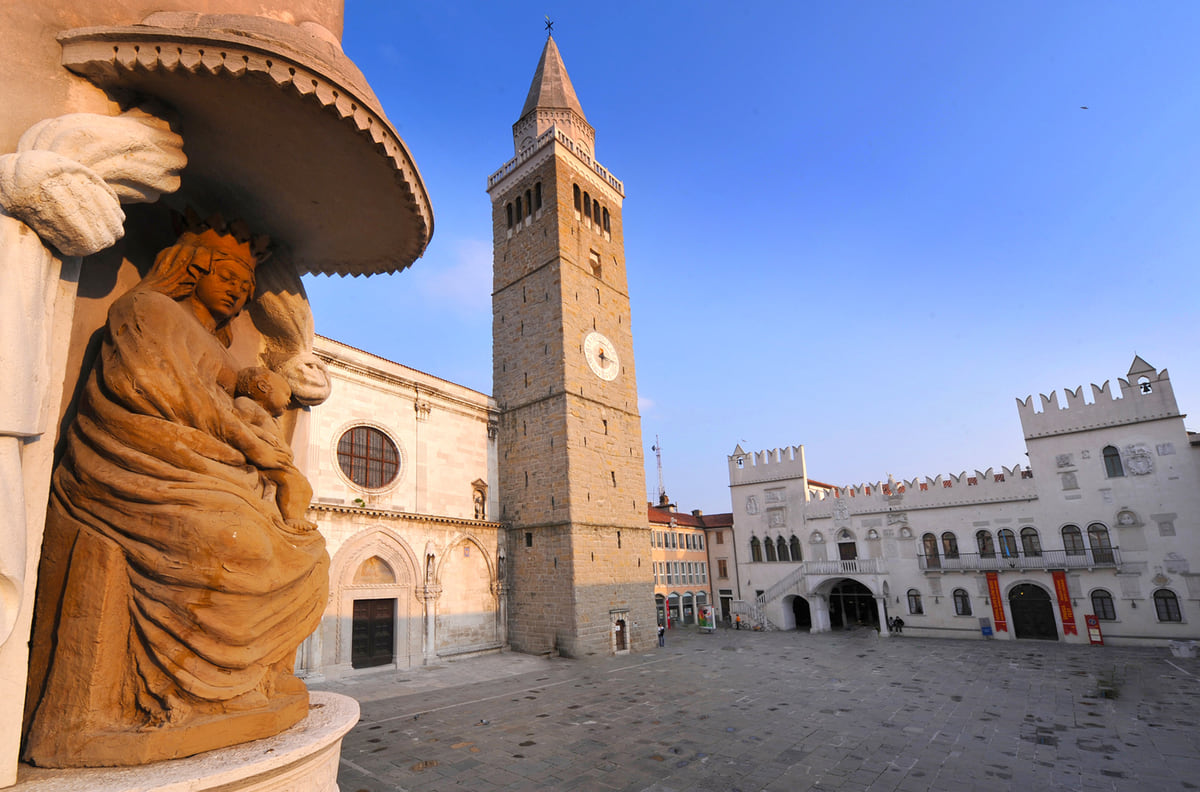
Tito Square in Koper with the cathedral bell tower and the Praetorian Palace, and a stone sculpture in the foreground
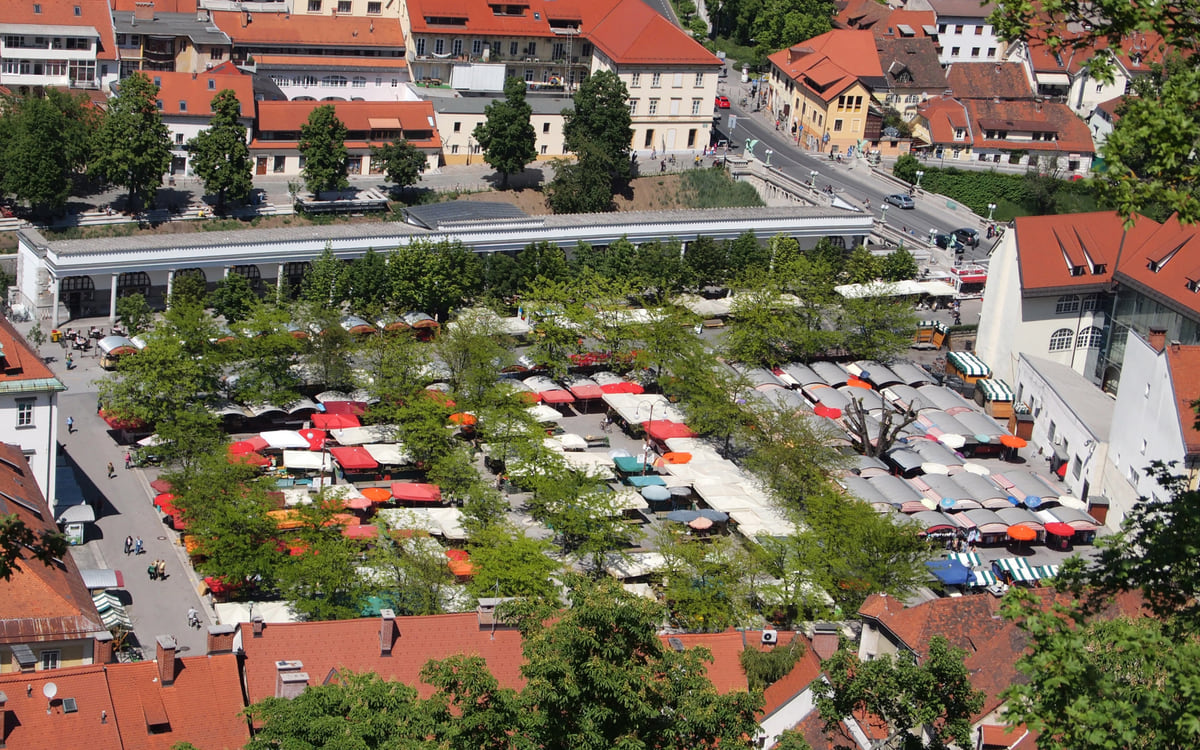
Ljubljana Central Market from the castle, with colourful stall awnings, Plečnik's colonnade and red rooftops
Bringing food home to Great Britain from the EU
| You can bring | You can't bring |
|---|---|
| Fish | Cheese, milk, butter, yoghurt |
| Poultry and its products | Pork, beef, lamb, mutton, goat, venison |
| Eggs and honey | Products made from those meats, such as sausages |
gov.uk, «Bringing food into Great Britain», meat, dairy, fish and animal products, updated on 10 December 2024, checked on 17 October 2026.
Test yourself
True or false?
0/3 Pick before you peek.
-
Travellers from the UK get the same tobacco allowance as EU residents.
See the answer
False. The UK is outside the EU, so the lower non-EU allowances apply, such as 200 cigarettes.
-
Honey from Slovenia can be brought back to Great Britain for personal use.
See the answer
True. gov.uk allows eggs and honey from the EU among other animal products.
-
Visitors leaving the EU can't reclaim VAT on purchases in Slovenia.
See the answer
False. They can, with the tax-free form stamped by customs on exit, within three months.
- Cigarettes from outside the EU
- 200
- Still wine allowance
- 4 l
- Cash to declare
- €10,000
- Maximum number of pets
- 5
0 of 425 Slovenia guides
Your next stamp
- Entry requirements
- EU and Schengen
- Driving
- Tipping
- Currency
- Holidays and tours
- Healthcare
- Bogenšperk Castle
- Bogojina
- Debeli rtič
- Ig pile dwellings
- Jeruzalem
- Kolpa River
- Koper
- Lake Cerknica
- Lipica
- Ljubljana
- Ljubljana to Bled
- Mariborsko Pohorje
- Mount Snežnik
- Palace Portorož
- Park of Military History
- Plečnik House
- Postojna
- Postojna Cave
- Škocjan Caves
- Štanjel
- Tartini Square
- Trbovlje
- Županova jama
- Izola
- Kamnik
- Karst
- Ljubljana to Postojna
- Lovrenc Lakes
- Maribor
- Portorož
- Predjama Castle
- Things to do in Ljubljana
- Travel guide
- Vilenica Cave
- Zagorje ob Savi
- Celje
- Cerknica
- Domžale
- Hrastnik
- Ljubljana in a day
- Ljubljana to Piran
- Piran
- Slovenian Istria
- Strunjan
- Things to do
- Activities
- Ankaran
- Grosuplje
- Litija
- Ljubljana in two days
- Pivka
- Sečovlje salt pans
- Velenje
- Brežice Castle
- Getting around Ljubljana
- Ilirska Bistrica
- Mežica Mine
- Most beautiful places
- Novo mesto
- Sevnica Castle
- Terme Olimia
- Vrhnika
- Žiče Charterhouse
- Dolenjska
- Ig
- Prettiest villages
- Ptuj
- Sežana
- Divača
- Medvode
- Murska Sobota
- Posavje
- World Heritage
- Hrpelje-Kozina
- Logatec
- Map
- Mengeš
- Brezovica
- Komen
- Savinjska
- Where is Slovenia
- Bled
- Brežice
- Čatež ob Savi
- Celje Castle
- Coal Mining Museum
- Gorenjska
- Hotels in Piran
- Hrastovlje
- Karawanken Geopark
- Koroška
- Kostanjevica Cave
- Kostel Castle
- Krokar primeval forest
- Kurentovanje
- Lent
- Ljubljana Castle
- Ljubljana Cathedral
- Logar Valley
- Oldest vine in the world
- Olimje
- Otočec
- Regions
- Rimske Toplice
- Rinka Waterfall
- Rogla
- Sava River
- Slovenj Gradec
- Topolšica
- Velika Planina
- Goriška
- Krško
- Lake Bled
- Municipalities
- Podravje
- Prešeren Square
- Ravne na Koroškem
- Restaurants in Piran
- Škocjan Inlet
- Volčji Potok Arboretum
- Bled Island
- Cities
- Mežica
- Pomurje
- Sevnica
- Socerb Castle
- Bled Castle
- Coast and Karst
- Dravograd
- Kostanjevica na Krki
- Population
- Notranjska
- Ojstrica viewpoint
- Radlje ob Dravi
- Size
- Central Slovenia
- Language
- Mislinja
- Plečnik's Ljubljana
- Slovenska Bistrica
- Vila Bled
- Grand Hotel Toplice
- Ormož
- Zasavje
- Hotel Savica Garni
- Hotels in Bled
- Pohorje
- Haloze
- History
- Restaurants in Bled
- Flag and symbols
- Hoče-Slivnica
- Bizeljsko
- Bohinj
- Christmas in Ljubljana
- City Hotel Ljubljana
- Gorjanci
- Kranj
- Krka River
- Laško
- Moravske Toplice
- Ptuj Castle
- Public holidays
- Rajhenburg Castle
- Šentilj
- Slovenia beaches
- Šmartno pri Litiji
- Uršlja Gora
- Brdo Castle
- Independence Day
- Lake Bohinj
- Ljubljana Festival
- Radenci
- Rogaška Slatina
- Day trips from Ljubljana
- Jesenice
- Lendava
- Podčetrtek
- Savica waterfall
- Time zone
- Dobrna
- Facts
- Ljubljana nightlife
- Ljutomer
- Nova Gorica
- Vogel
- Bohinjska Bistrica
- Gornja Radgona
- Ljubljana Old Town
- Slovenia and Croatia
- Solkan
- Zreče
- Grad
- Sabotin
- Slovenia, Italy and Austria
- Slovenske Konjice
- Stara Fužina
- Trnovo
- Goričko
- Hotels in Bohinj
- Škofja Loka
- Vitanje
- Škofja Loka Castle
- Slovenia or Slovakia
- Šoštanj
- Veržej
- Slovenian phrases
- Slovenia in 3 days
- Bela krajina
- Caves in Slovenia
- Črnomelj
- Dragon Bridge
- Gorje
- Hiking
- Hotels in Maribor
- Kozjansko Regional Park
- Kranjska Gora
- Lake Ptuj
- Ljubljana Marshes
- Slovenia in 5 days
- Vinarium Tower
- Where to stay in Ljubljana
- Žalec
- Metlika
- Slovenia castles
- Slovenia in a week
- Slovenian Mountain Trail
- Triple Bridge
- Vintgar Gorge
- Vršič Pass
- Where to eat in Ljubljana
- Best viewpoints in Slovenia
- Central Market
- Juliana Trail
- Lake Jasna
- Road trip
- Semič
- Žirovnica
- Kočevje
- Metelkova
- Motorhome
- Museums in Slovenia
- Naklo
- Soča rafting
- Tržič
- Zelenci
- Jezersko
- Kostel
- Lake Planšar
- Skiing
- Slovenia with kids
- Slovenian Alpine Museum
- Tivoli Park
- Best time to visit
- Cerklje na Gorenjskem
- Cycling
- Dolenjske Toplice
- Ljubljanica river
- Mojstrana
- Šenčur
- Krvavec
- National Gallery
- Parenzana
- Peričnik waterfall
- Šmarješke Toplice
- Weather
- National and University Library
- Paragliding
- Slovenia in winter
- Strmol Castle
- Trebnje
- Vrata valley
- Climbing
- Events
- Martuljek waterfalls
- Žale
- Fly fishing
- In January
- Ljubljana museums
- National Museum of Slovenia
- Rateče
- Bovec
- Festival Lent
- Golf
- Hotels in Ptuj
- In February
- Kamnik-Savinja Alps
- Nature parks
- Parking in Ljubljana
- Pekel Cave
- Planica
- Snežnik Castle
- Solčava
- Gornji Grad
- In March
- Kranjska Gora ski resort
- Lakes
- Trenta
- Ziplines
- Alpe Adria Trail
- Hotels in Kranjska Gora
- In April
- Kanin
- Nazarje
- Waterfalls
- In May
- Rivers
- Virje waterfall
- Vransko
- Hotels in Bovec
- In June
- Mountains
- Šentjur
- Dobra Vila Bovec
- In July
- Ljubljana Card
- Mozirje
- Spas
- In August
- Nebesa Chalets
- Rečica ob Savinji
- In September
- Kobarid
- Šmartno ob Paki
- In October
- Kobarid Museum
- Hiša Franko
- In November
- In December
- Radovljica
- Železniki
- In spring
- Museum of Apiculture
- Žiri
- In summer
- Kropa
- Tolmin
- Brezje
- In autumn
- Metaldays
- Tolmin Gorges
- Begunje
- Javorca church
- Slovenia in 10 days
- Most na Soči
- Two weeks in Slovenia
- Idrija
- Ljubljana Marathon
- How to get there
- Idrija mercury mine
- Wild Lake
- Cerkno
- Flights
- Laufarji
- Divje babe
- Franja Partisan Hospital
- Ljubljana Airport
- Ajdovščina
- Nearby airports
- Venice to Ljubljana
- Vipava
- Vipavski Križ
- Zagreb to Ljubljana
- Brda
- Trains to Slovenia
- Getting around
- Šmartno
- Dobrovo Castle
- Trains
- Buses
- Julian Alps
- Car hire
- Triglav National Park
- Pokljuka
- Triglav Lakes
- Vignette
- Mount Triglav
- Taxis
- Distances
- Soča Valley
- Soča River
- Trieste to Ljubljana
- Kozjak Waterfall
- Vienna to Ljubljana
- Boka Waterfall
- Budapest to Ljubljana
- Ljubljana to Maribor
- Walk of Peace
- Bled to Bohinj
- Mangart
- Lake Krn
- Prices and budget
- Slovenia on a budget
- Vipava Valley
- Free things to do
- Otlica Natural Window
- Rihemberk Castle
- Safety
- Scams
- Bears
- Mobile and roaming
- Plugs
- Packing list
- What to buy
- Hotels
- Campsites
- Farm stays
- Mountain huts
- Food
- Bled cream cake
- Wine
- Potica
- Prekmurska gibanica
- Štruklji
- Carniolan sausage
- Idrija žlikrofi
- Beer
Slovenia customs rules: questions and answers
How much alcohol can I bring into Slovenia from the UK?
As a non-EU arrival, 1 litre of drinks over 22% or 2 litres under 22%, 4 litres of still wine and 16 litres of beer, according to the Slovenian Tourist Board.
Do I have to declare cash?
Yes, if you bring €10,000 or more from outside the EU, according to the Tourist Board and gov.uk.
Can I take my dog to Slovenia?
With a pet passport or the required health documents, rabies vaccination and a microchip or legible tattoo, and up to five animals. Check the current UK rules for travelling with pets before you go.
Can I bring Slovenian cheese or sausage back to the UK?
Not under the current gov.uk rules, which ban bringing cheese, dairy and products made from pork, beef or lamb, such as sausages, from the EU into Great Britain for personal use.
Can I get a VAT refund?
Yes, as a visitor leaving the EU, with the seller's tax-free form stamped by customs as you leave, within three months of purchase. Not for fuel oils, alcohol or tobacco.

Questions about Slovenia? Write to me
If your question is not answered here, write to me and I will look it up in the official sources.
My email sergiolepone@gmail.com
By
Tourism graduate with a master’s in Tourism Management and Planning from the University of Málaga, who has travelled across Europe. He writes every guide from official sources and his own judgement.
Published on . Updated on . Facts checked on .
Sources
Some links in this guide are affiliate links: if you book through them, the site earns a commission at no extra cost to you. Affiliate disclosure
Photos: Tiia Monto (CC BY-SA 3.0); TICKoper (CC BY-SA 4.0); Tiia Monto (CC BY-SA 3.0), via Wikimedia Commons.