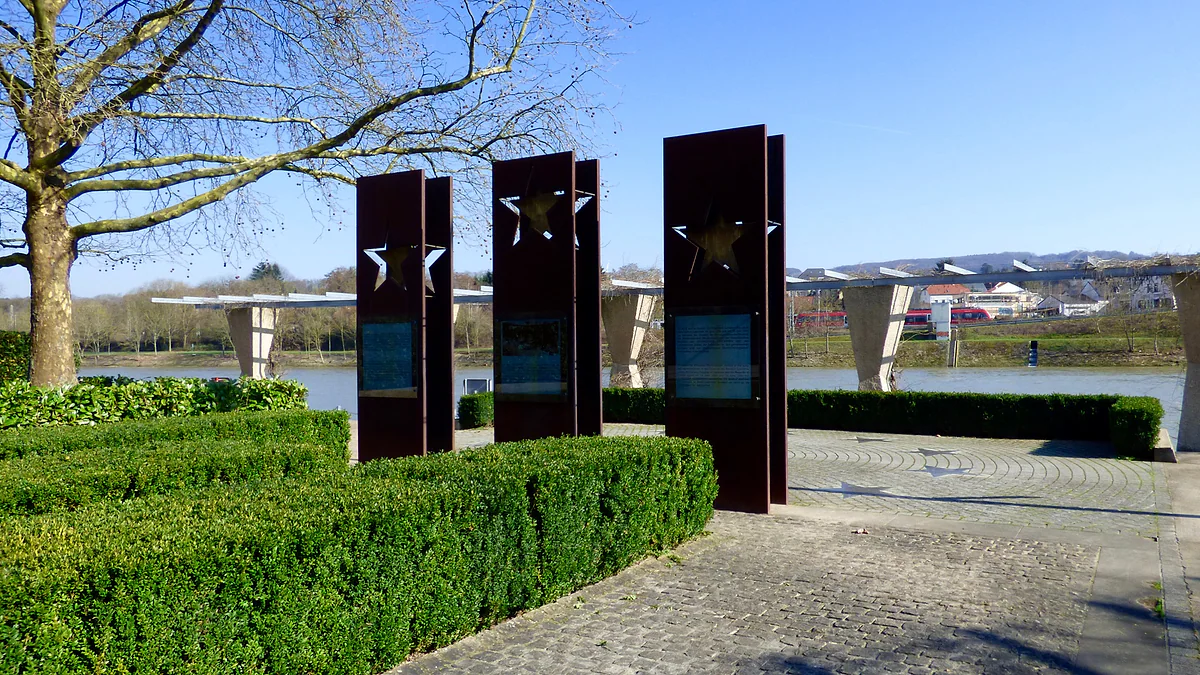
Schengen Museum, on the Moselle
The Schengen Museum and the boat where borders came down
The European Museum in Schengen tells how Europe dropped its internal border checks, in the village where the agreement was signed in 1985. It reopened after a refit on 14 June 2025, and the €5 ticket (as of September 2026) includes the Prinzessin Marie-Astrid Europa, the boat with the signing room. It's open daily from 10:00 to 18:00 and free with the LuxembourgPass.
In 30 seconds
Full read: 3 min
- The European Museum in Schengen reopened on 14 June 2025 after a full refit.
- The €5 adult ticket (September 2026) includes the boat where the agreement was signed.
- It opens daily from 10:00 to 18:00 and closes on 18 October and 1 November 2026.
- All the texts are in English, French and German.
Give it an hour and a half, and head for the boat first if it's quiet, because the signing room works far better without a school group in it. Everything is in English as well as French and German, so this is one Luxembourg museum where a British visitor misses nothing.

On the calendar
The date at a glance
-
Borders, Mobility, and their Human Impact (short films)
Prinzessin Marie-Astrid Europa, Schengen
Before you go
What I would keep in mind
-
01 To save money
Free with the LuxembourgPass
The pass covers the museum and the boat. Without it, it's €5 for adults and €3 for ages 7 to 17 as of September 2026, and under-6s go free.
LuxembourgPass -
02 Most beautiful
The signing room, on board
The upper deck recreates the room where the agreement was signed in 1985, with archive photos, film footage and first-hand accounts from people who were there.
-
03 My tip
Print your own Schengen passport
At the end you can design and print a personalised Schengen passport. Children aged 6 to 12 also get an activity booklet, which makes this an easy one with kids.
Luxembourg with kids -
04 Getting there
Two closing days in autumn 2026
The museum closes on 18 October, the day of the village's Hunnefeier, and on 1 November 2026. Otherwise it opens every day of the year.
My ranking, scored
The best of the museum
My own marks out of 10 for each part of the visit, based on what you take away from it in about an hour and a half.
0 of 4 seen
-
The signing room on the boat
You stand where the agreement was signed. The multimedia installation tells the ceremony as a human story rather than a piece of paperwork.
9.4 out of 10
-
The Cube, stories of Schengen
The centrepiece, a large cube of flags with the voices of people whose lives are shaped by a border. It makes you slow down and listen.
8.8 out of 10
-
The four themed sections
From a Europe of borders to Schengen as a cultural myth, with a section of the Berlin Wall on the way. Clear and very visual.
8.0 out of 10
-
The personalised passport
A free keepsake you print on the way out. A small touch, but it ends the visit on a smile.
7.0 out of 10
For a while the official sources couldn’t agree on whether the Schengen Museum was open or still a building site. The government portal still says it’s being renovated, but the museum’s own website, run by the Centre Européen Schengen, settles it. It reopened on 14 June 2025, forty years to the day after the signing, and on 30 September 2026 it was open daily. Here’s what you’ll find inside and whether it’s worth the detour to the far end of the Moselle.
Not the museum that opened in 2010
The museum first opened on 13 June 2010 and is run by an association set up in 2004 to promote tourism in the area. After fifteen years, with money from the commune and the Ministry of the Economy, it was completely overhauled in 2024 and 2025. The new exhibition, designed by the studio Migliore+Servetto, has done away with display cases. Nearly everything is told through screens, projections and sound.
The route follows four themes. The first shows how borders shaped Europe, the second the leap in 1985 to an area without checks, the third the flip side of external borders and security, and the fourth Schengen as a symbol in art and music. Along the way there’s a section of the Berlin Wall, and at the heart of it all sits The Cube, a large cube of flags where you hear from people who cross a border every day, grew up beside one or work guarding one. For me it’s the best part, because it doesn’t lecture, it makes you listen.
The boat is half the visit
A few steps from the building lies the boat on which the agreement was signed, now renamed Prinzessin Marie-Astrid Europa. Its story reads almost like a novel. According to the government portal, it spent 1992 to 2021 on the Danube as the MS Regensburg until Luxembourg bought it in 2021 and brought it home. Don’t mix it up with the Princesse Marie-Astrid that takes passengers along the river today, which is a different boat from 2010. That one’s trips are in Moselle river cruises.
The signing boat is 40.5 m long, and the refit gave it electric motors, batteries and a lift. The upper deck holds the signing room, restored with period details, archive images, film and personal accounts. Below deck is a space for temporary shows. On 8 October 2026 at 18:30 it opens a programme of five short films, «Borders, Mobility, and their Human Impact».
To sleep close to everything, search places to stay in Remich on Booking.com and filter by area before price.
Tickets, hours and planning
Tickets are €5 for adults and €3 for ages 7 to 17 as of September 2026, and children under 6 don’t pay at all. Holders of the LuxembourgPass get both museum and boat included. It opens seven days a week, 10:00 to 18:00, last entry 17:30, and in 2026 it closes on just two days, 18 October and 1 November. There are lockers by the entrance, and you don’t need headphones.
Good news for a British visitor. Every text is trilingual, English, French and German, so nothing gets lost. If you’re travelling with children aged 6 to 12, ask for the activity booklet, and at the end you can all print a personalised Schengen passport, which is a nicely judged way to finish, and a wry one if you’ve just queued at EES to get here.
Access and bikes
The museum and the boat both have lifts, with tactile signs at the entrances. The museum itself warns that the dock is temporary and it can’t guarantee full access, so wheelchair users should email ahead. The village tourist office sits in the museum entrance, with free EU leaflets, local wines and bike hire, electric bikes included, from March to October.
To sleep close to everything, search places to stay in Remich on Expedia and filter by area before price.
What to see afterwards
The 1997 monument, the flags on the Place des Étoiles and the Markusberg are all a short walk away, and they’re covered in my guide to Schengen village. If what interests you is the bigger picture, what Schengen means for your own trip as a British passport holder is set out in is Luxembourg in the EU. And if you have the afternoon free, the lakes and bird reserve at Remerschen are in the same commune.
If you are short on time, see the best tours in European Museum Schengen and pick one that fits your day.
Where the bus does not go, a car does: compare car hire in Luxembourg before you arrive rather than at the desk.
If you still need a way in, check the best ticket deals to Luxembourg from where you are.
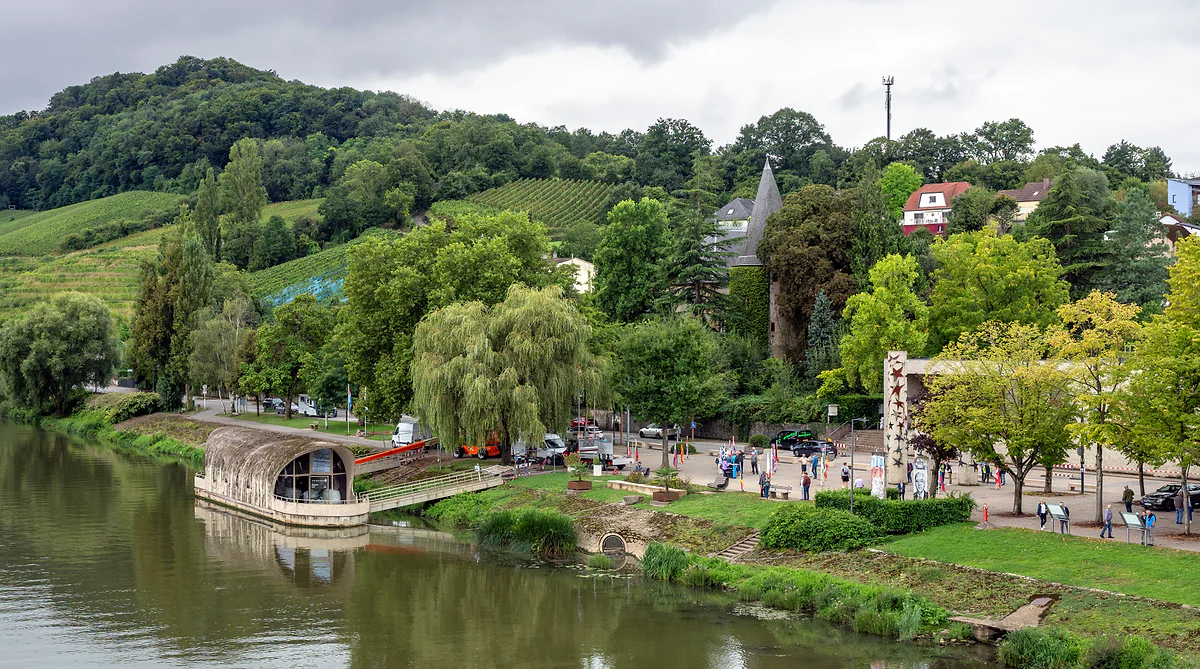
The Moselle riverside at Schengen, with willows, a pontoon and the village below vine-covered hills
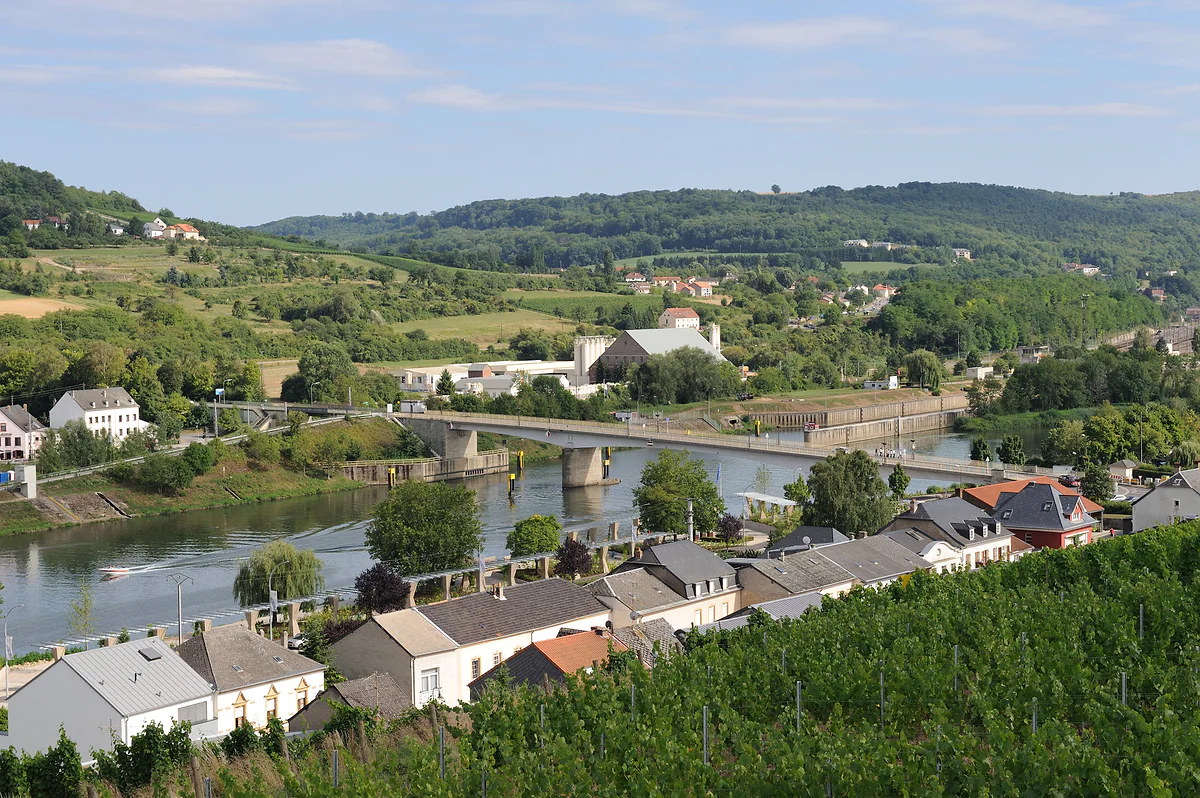
Schengen and the Moselle seen from the Markusberg, with the bridge to Germany and France beyond among vineyards
Museum and boat tickets
| Ticket | Price (Sept 2026) |
|---|---|
| Adult (museum and boat) | €5 |
| Ages 7 to 17 | €3 |
| Up to 6 | Free |
| Kulturpass | €1.50 |
| LuxembourgPass and ICOM | Free |
visitschengen.lu, checked on 30-09-2026. The museum says prices may change without notice.
Hours and facilities
| What | Detail |
|---|---|
| Opening hours | Every day 10:00-18:00; last entry 17:30 |
| Closed in 2026 | 18 October and 1 November |
| School groups | From 9:00, by arrangement |
| Lockers and toilets | Yes, inside the museum |
| Access | Lifts in the museum and on the boat; the dock is temporary |
visitschengen.lu, checked on 30-09-2026.
Test yourself
True or false?
0/3 Pick before you peek.
-
The museum's boat is the same Princesse Marie-Astrid that runs Moselle cruises today.
See the answer
False. The agreement was signed on the second Marie-Astrid, which sailed the Danube from 1992 to 2021 before Luxembourg bought it back in 2021. Today's cruise boat is a different vessel, built in 2010.
-
The Schengen Museum first opened in 2025.
See the answer
False. It has existed since 13 June 2010. In 2025 it reopened after a complete modernisation carried out in 2024 and 2025.
-
The signing boat now runs on electric motors.
See the answer
True. The refit gave it next-generation electric motors and batteries, plus a lift. It's certified for up to 250 people on board.
- Adult ticket, museum and boat
- €5
- Length of the signing boat
- 40.5 m
- Year it reopened
- 2025
- Themes in the exhibition
- 4
Map
Where European Museum Schengen is
The thick dashed line is the border with Belgium, France and Germany, and the fine ones divide the twelve cantons. The Éislek lies to the north and the Moselle to the east. Every number opens its guide.
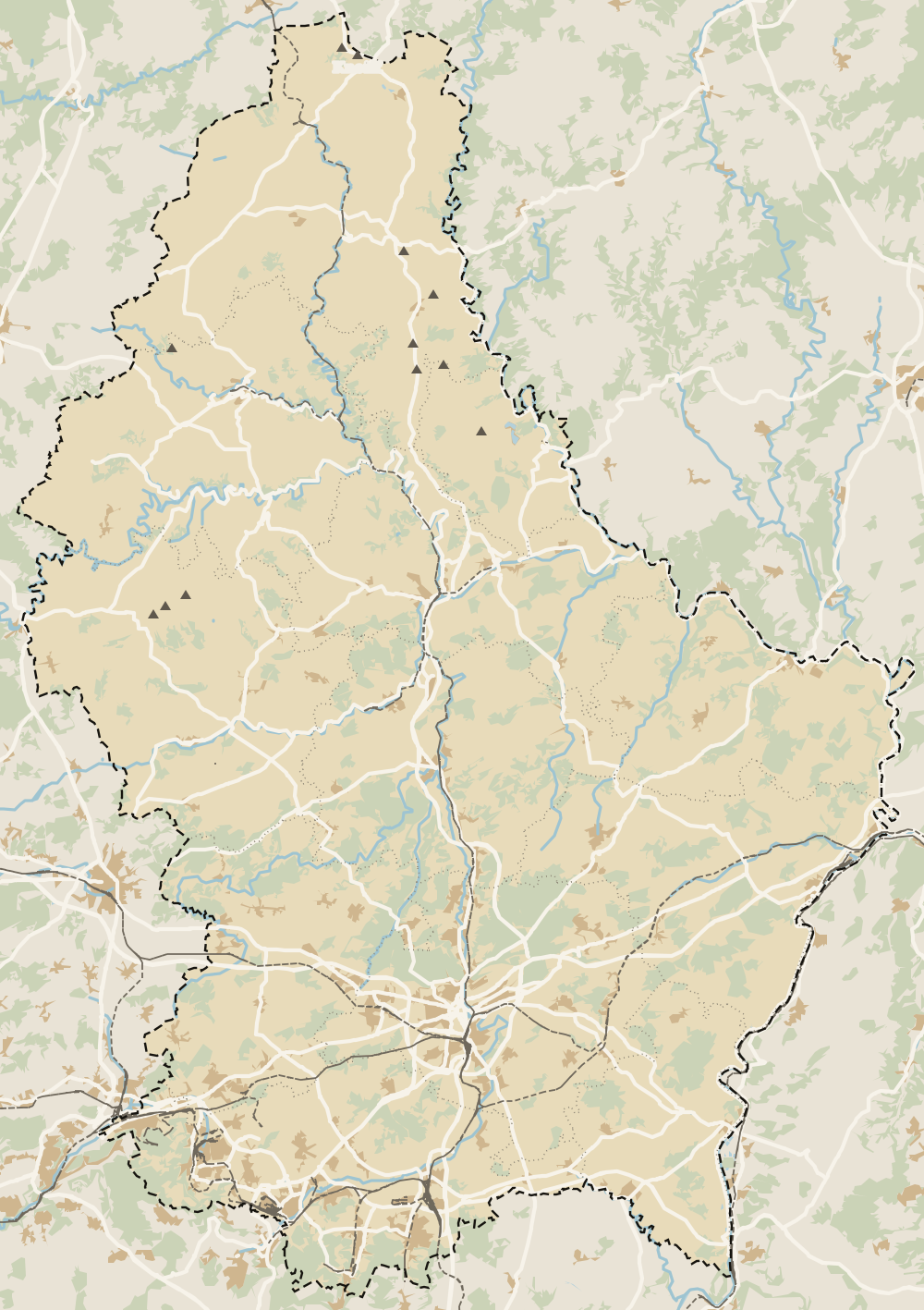 1European Museum Schengen 2Remerschen 3Schwebsingen 4Schengen 5Wellenstein 6Bech-Kleinmacher
 Map data © OpenStreetMap contributors (ODbL)
0 of 425 Luxembourg guides
Your next stamp
- Ehnen Wine Museum
- Schengen
- National Resistance Museum
- A Possen Museum
- American Cemetery
- Ansembourg
- Ansembourg Castles
- Asselborn
- Bascharage
- Beaufort castles
- Belval
- Belval blast furnaces
- Berg Castle
- Bernard-Massard cellars
- Bourglinster Castle
- Bourscheid Castle
- Brandenbourg
- Brandenbourg Castle
- Caves St Martin
- Christmas
- Clervaux Castle
- Echternach
- Echternach Abbey
- Ehnen
- Esch-sur-Alzette
- Esch-sur-Sûre Castle
- Fond-de-Gras
- General Patton Museum
- German war cemetery
- Haff Réimech
- Hohllay
- Hollenfels Castle
- Hosingen
- Kautenbach
- Kneiff
- Koerich Castle
- Larochette Castle
- Lasauvage
- Mersch Castle
- Military History Museum
- Moersdorf
- Mondorf Domaine Thermal
- Munsbach Castle
- National Mining Museum
- Parc Merveilleux
- Park Sënnesräich
- Places to visit
- Remich
- Rindschleiden
- Schiessentümpel
- Septfontaines Castle
- Slate Museum
- Stolzembourg
- Tudor Museum
- Useldange Castle
- Valley of the Seven Castles
- Vianden
- Vianden Castle
- Ville Haute
- Wasserbillig Aquarium
- Weiswampach lakes
- Wiltz Castle
- Ahn
- Berdorf
- Bourscheid-Plage
- Butterfly garden
- Clervaux
- Differdange
- Echternach lake
- Grevenmacher
- Heringer Millen
- Hollenfels
- Luxembourg City
- Luxembourg Science Center
- Meysembourg Castle
- Mullerthal
- National Day
- Perekop
- Remerschen
- Schoenfels Castle
- The Family of Man
- Things to do
- Upper Sûre Lake
- Vianden chairlift
- Wasserbillig
- Clervaux Abbey
- Echternach Roman villa
- Éislek
- Insenborn
- Kallektuffquell
- Machtum
- Most beautiful places
- Our Nature Park
- Pétange
- Pettingen Castle
- Schueberfouer
- Schwebsingen
- Victor Hugo House
- Waldbillig
- Dudelange
- Kuelscheier
- Lultzhausen
- Moselle Valley
- Octave
- Prettiest villages
- Sanem
- Wellenstein
- Wiltz
- Wolfsschlucht
- Beaufort
- Bech-Kleinmacher
- Éimaischen
- Gaalgebierg
- Guttland
- Marnach
- Mondorf-les-Bains
- Putscheid
- Schifflange
- UNESCO World Heritage
- Carnival
- Consdorf
- Ellergronn
- Käerjeng
- Kayl
- Map
- Minett
- Munshausen
- Tandel
- Bech
- Buergbrennen
- Esch-sur-Sûre
- Rumelange
- Where is Luxembourg
- Is it a country?
- Lac de la Haute-Sûre (commune)
- Rosport-Mompach
- Wormeldange
- Larochette
- Mondercange
- Regions
- Bettembourg
- Bock Casemates
- Cantons
- Dancing procession
- Diekirch
- Fischbach
- Garnich
- Mersch
- Moselle wine route
- Ettelbruck
- Grund
- Heffingen
- Kehlen
- Lintgen
- Moselle river cruises
- Pétrusse Casemates
- Towns and villages
- Chemin de la Corniche
- Erpeldange-sur-Sûre
- Junglinster
- Kopstal
- Lorentzweiler
- Nommern
- Pfaffenthal
- Population
- Bissen
- Clausen
- Grand Ducal Palace
- Koerich
- Schieren
- Size
- Vallée de l'Ernz
- Feulen
- Kirchberg
- Languages
- Notre-Dame Cathedral
- Reisdorf
- Steinfort
- Bettendorf
- Habscht
- St Michael's Church
- Helperknapp
- Luxembourgish
- Place Guillaume II
- Name
- Place d'Armes
- History
- Place de la Constitution
- Grand Duke
- Colmar-Berg
- Flaxweiler
- Gare
- Hamm
- Kirchberg funicular
- Luxembourg fortress
- Mamer
- Mertert
- Minett Trail
- Mullerthal Trail
- Neumünster Abbey
- Parc Hosingen
- Pfaffenthal lift
- Political system
- Redange
- The Passerelle
- Wine festivals
- Winseler
- Beckerich
- Biwer
- EU institutions
- Goesdorf
- Limpertsberg
- Mudam
- Natur Musée
- Pulvermühl
- Stadtbredimus
- Troisvierges
- Wenzel walk
- Bonnevoie
- Bous-Waldbredimus
- Ell
- Flag
- Kiischpelt
- Manternach
- Philharmonie
- Vauban circuit
- Weiswampach
- Betzdorf
- Boulaide
- Dräi Eechelen Museum
- Facts
- Hollerich
- Lenningen
- Useldange
- Wincrange
- Bourscheid
- Dalheim
- Gasperich
- Public holidays
- Red Bridge
- Saeul
- Belair
- Second World War
- Vichten
- Battle of the Bulge
- Merl
- Préizerdaul
- Cents
- EU and Schengen
- Groussbus-Wal
- Entry requirements
- Neudorf
- Rambrouch
- Currency and payments
- Mertzig
- Weimerskirch
- Adolphe Bridge
- Beggen
- Escapardenne
- How to get there
- International March of Diekirch
- MNHA (National Museum)
- Rock climbing
- Sandweiler
- Bridges
- Eich
- Flights
- Golf
- Hesperange
- Lëtzebuerg City Museum
- Canoeing and kayaking
- Dommeldange
- Luxembourg airport
- Strassen
- Villa Vauban
- Airport to city centre
- Bertrange
- Casino Luxembourg
- Mühlenbach
- Swimming pools
- From Brussels
- Pétrusse Valley
- Rollingergrund
- Walferdange
- Cessange
- Day trip from Brussels
- Municipal Park
- Steinsel
- Free walking tours
- From Paris
- Niederanven
- From Frankfurt
- Schuttrange
- Sightseeing train and bus
- By train
- Contern
- By coach
- Weiler-la-Tour
- Driving
- Luxembourg in one day
- Pretzel Sunday
- Rham Plateau
- Tour de Luxembourg
- Candlemas (Liichtmëssdag)
- Car hire
- Luxembourg in two days
- Saint-Esprit Plateau
- Luxembourg in three days
- Melusina statue
- Parking
- St Nicholas Day (Kleeschen)
- Fête de la Musique
- Luxembourg in four days
- Museums in Luxembourg
- Petrol
- Place de Clairefontaine
- A week in Luxembourg
- Getting around
- Luxembourg Marathon
- Tram and Bus Museum
- Free public transport
- Parks in Luxembourg City
- Road trip
- Belgium and Luxembourg
- Tram
- Buses
- Viewpoints
- Trains
- Luxembourg station
- Cycling
- LuxembourgPass
- Prices and budget
- On a budget
- Free things to do
- Mobile and roaming
- Healthcare
- Safety
- Scams
- Tourist information
- Packing list
- Swimming lakes
- With a dog
- Markets
- Tipping
- Shopping
- What to buy
- Shopping centres
- With kids
- For couples
- Playgrounds
- Adventure parks
- Nightlife
- Castles
- Theatres and concert venues
- Leudelange
- Nature parks
- Where to stay
- City-centre hotels
- Hiking
- Nature reserves
- Reckange-sur-Mess
- Hotels near the station
- Roeser
- Frisange
- Hotels in Kirchberg
- Airport hotels
- Dippach
- Hotels in Vianden
- Hotels in Echternach
- Hotels in Clervaux
- Hotels in Mondorf-les-Bains
- Hotels in Esch-sur-Alzette
- Hotels on the Moselle
- Mullerthal hotels
- Upper Sûre lake hotels
- Hotels in Diekirch and Ettelbruck
- Cheap hotels
- Luxury hotels
- Boutique hotels
- Spa hotels
- Family hotels
- Apartments
- Weather
- Youth hostels
- Best time to visit
- Campsites
- Holiday cottages
- In winter
- Castle hotels
- In spring
- Day trips
- In summer
- Around Luxembourg
- In autumn
- Ice skating
- Trier day trip
- Metz day trip
- Arlon day trip
- In January
- In February
- In March
- In April
- In May
- In June
- In July
- In August
- In September
- Food
- In October
- In November
- Where to eat
- In December
- Michelin restaurants
- Cheap eats
- Judd mat Gaardebounen
- Bouneschlupp
- Gromperekichelcher
- Kniddelen
- Quetschentaart
- Rieslingspaschtéit
- Events
- Wine
- Crémant
- Beer
Frequently asked questions
Is the Schengen Museum open?
Yes. It was modernised in 2024 and 2025 and reopened on 14 June 2025, the 40th anniversary of the agreement. It opens every day from 10:00 to 18:00, except 18 October and 1 November 2026.
How much is the Schengen Museum in Luxembourg?
€5 for adults and €3 for ages 7 to 17 as of September 2026, boat included. Under-6s and LuxembourgPass holders go free.
Can you go aboard the boat where the Schengen Agreement was signed?
Yes, it's on the museum ticket. The Prinzessin Marie-Astrid Europa is moored a few steps away, restored, with the signing room recreated on the upper deck and a lift between levels.
How long do you need at the Schengen Museum?
An hour and a half for the museum and boat without rushing. Add the monument, the Place des Étoiles and the walk up the Markusberg and it becomes half a day.
Is the Schengen Museum in English?
Yes. Every text in the exhibition is in English, French and German, and the installations have built-in audio, so you don't need your own headphones.
How do I get to the Schengen Museum from Luxembourg City?
By bus to the Schengen, Ennen am Doref stop, free within Luxembourg, or by train to Perl/Schengen station in Germany and a kilometre on foot. By car, take the A3 and A13, exit Schengen/Remich.
By
Tourism graduate with a master’s in Tourism Management and Planning from the University of Málaga, who has travelled across Europe. He writes every guide from official sources and his own judgement.
Published on . Updated on . Facts checked on .
Sources
Some links in this guide are affiliate links: if you book through them, the site earns a commission at no extra cost to you. Affiliate disclosure
Photos: Denise Hastert (CC BY-SA 4.0); Cayambe (CC BY-SA 4.0); Cayambe (CC BY-SA 3.0), via Wikimedia Commons.