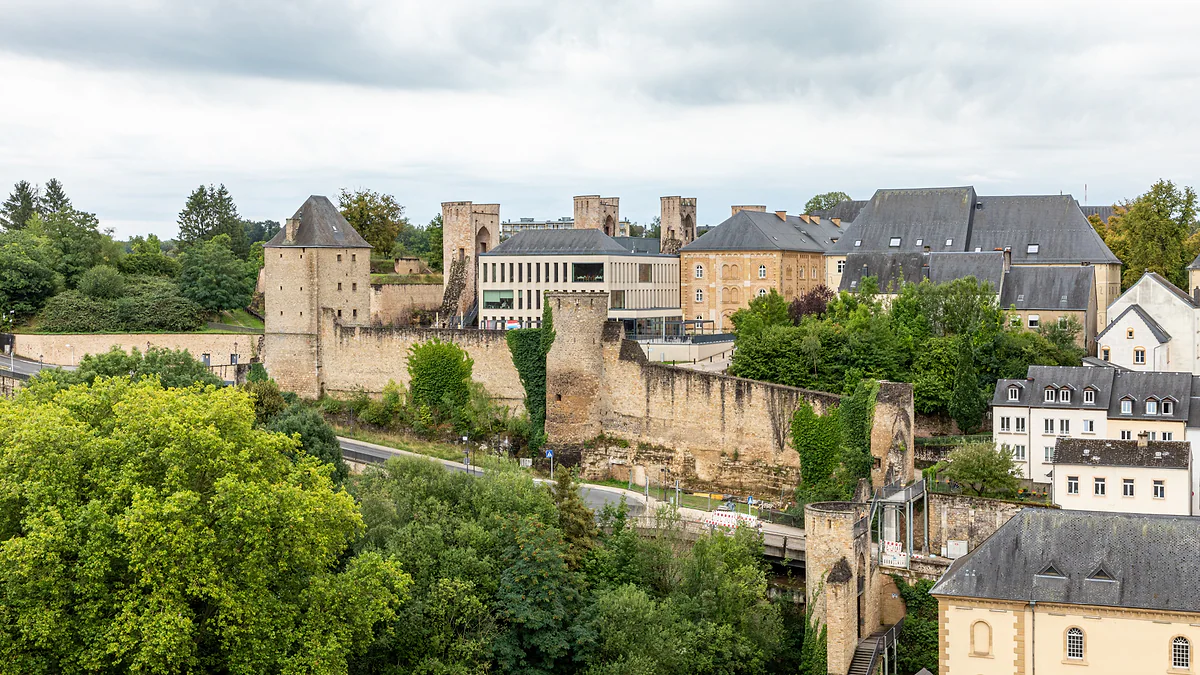
UNESCO World Heritage since 1994
Luxembourg fortress, the Gibraltar of the North and what's left of it
From the 16th century until it was dismantled in 1867, Luxembourg fortress was one of Europe's greatest fortified sites, according to UNESCO. Burgundians, Habsburgs, the French, Austrians and Prussians strengthened it until it earned the nickname Gibraltar of the North. Casemates, gates, towers, bastions and forts survive, listed as World Heritage in 1994.
In 30 seconds
Full read: 4 min
- Luxembourg fortress was one of Europe's greatest from the 16th century until 1867, according to UNESCO.
- Burgundians, Habsburgs, the French, Austrians and Prussians strengthened it until it was called the Gibraltar of the North.
- The 1867 Treaty of London ordered it dismantled; casemates, gates, towers, bastions and forts survive.
- You can explore it on the Wenzel and Vauban walks, in the Bock Casemates and at the Dräi Eechelen museum.
I'd get to grips with it in three steps. First, inside the rock at the Bock Casemates; then on foot along one of the two waymarked walks; and on a wet afternoon, in the Dräi Eechelen museum, which tells the whole story with models and objects.

Before you go
What I would keep in mind
-
01 Worth the splurge
Go inside the rock
The Bock Casemates are part of a 23 km network of galleries. As of September 2026 they're shown on a one-hour guided tour by the city tourist office for €20. It's the most direct way to feel the fortress.
Bock Casemates -
02 To save money
Two free, waymarked walks
The Wenzel walk packs 1,000 years of history into 2.5 km and the Vauban circuit covers 5.16 km, both in around three hours according to the government's portal. You can do them on your own, for free.
Wenzel walk -
03 Most beautiful
The Three Towers gate
Its square central tower belongs to the second town wall, probably around 1200, and the two round towers flanking it date from the 14th century. You'll find it on boulevard Victor Thorn.
-
04 My tip
The museum that puts it in order
The Dräi Eechelen museum, in the keep of Fort Thüngen, tells the fortress story with around 600 objects. It costs €7 and opens daily except Monday from 10:00 to 18:00, until 20:00 on Wednesdays.
Dräi Eechelen Museum
What I would book
My ranking, scored
What's left of the fortress, in order of interest
My own marks out of 10, weighing how much of the fortress you grasp at each spot and how much you see for free. Everything is inside the UNESCO site or around it.
0 of 6 seen
-
Bock Casemates
Galleries and gun ports in the rock where the city began. The fortress from the inside.
9.3 out of 10
-
Chemin de la Corniche
17th-century ramparts turned into a promenade, with the Grund below. The fortress from above.
9.1 out of 10
-
Dräi Eechelen museum and Fort Thüngen
The keep of an 18th-century fort with its three round towers, and inside, the fortress story from 1443 to 1903.
8.7 out of 10
-
Wenceslas wall and the Rham towers
The third town wall, 14th century, once 875 m long with 37 towers and 15 gates. The four Rham towers have been restored.
8.5 out of 10
-
Vauban towers in the Pfaffenthal
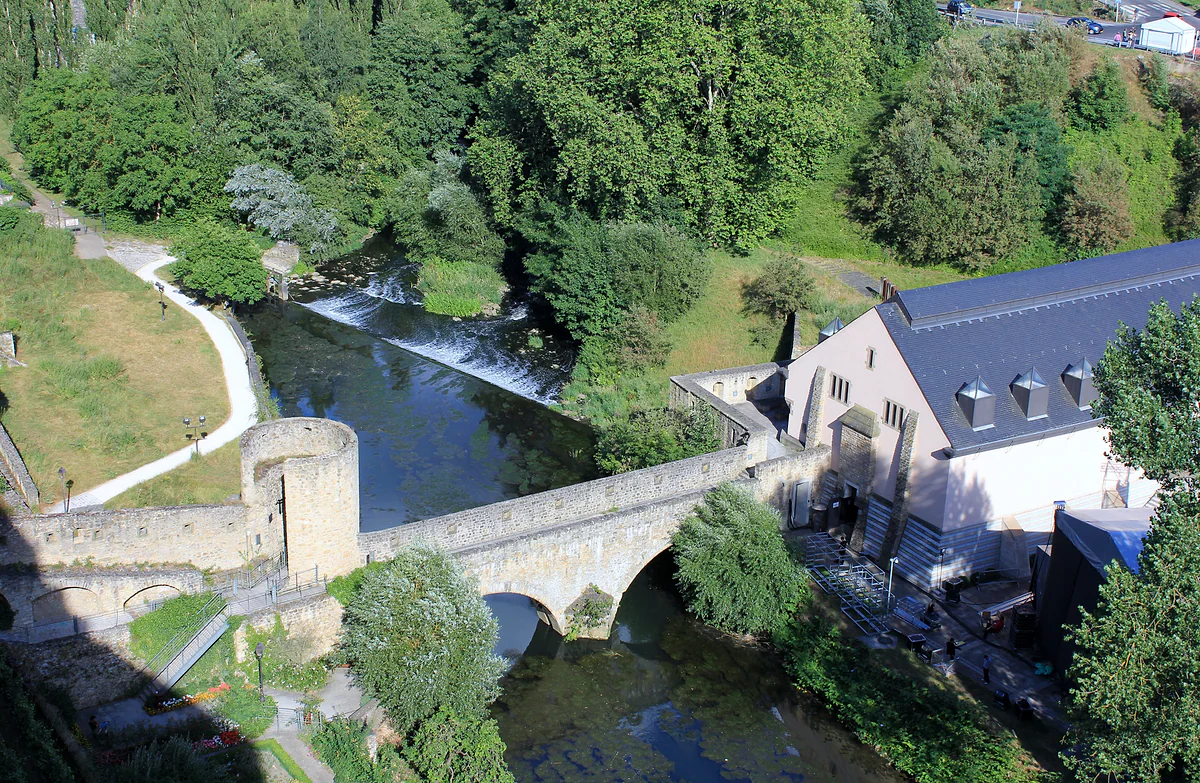
Two defensive towers that closed the Alzette valley, linked by a wall that bridges the river.
8.2 out of 10
-
Three Towers gate
A gate of the medieval wall with a tower from around 1200. You pass it on the way down to the Pfaffenthal.
7.8 out of 10
Nearly everything you’ll see in Luxembourg’s old town has to do with a fortress that no longer exists as such. The walls above the Grund, the galleries in the Bock, the towers in the Pfaffenthal and even the squares are remains or traces of one of Europe’s largest fortified sites. Here’s the short version of its story and where to see it today.
A thousand years of building on a rock
UNESCO sums up the beginning in a sentence. At first the city was just a small castle, built shortly after the middle of the 10th century on an almost inaccessible rock. That’s the Bock, which Sigefroi acquired in 963. In the 12th century the settlement that grew beside it was protected by a stone wall, extended in the 14th and 15th centuries.
Sieges set the rhythm. The city tourist office notes that the town rarely fell to a siege before 1443, when Philip the Good, Duke of Burgundy, took it by surprise, and that the French capture of 1684 came at the end of a memorable siege led by Vauban himself. So in 1443 Burgundian troops took it, and through inheritance it passed to the Habsburgs and Spain until 1684. During that period, according to UNESCO, the site became a true fortress. Louis XIV captured it in 1684 and his engineer Vauban extended and reinforced it. In the 18th century the Austrians carried on his work and created the so-called Gibraltar of the North. After the Congress of Vienna, the Prussians, who garrisoned it, added new military structures.
1867, the year it was condemned
The crisis of 1867, with Napoleon III trying to buy the country, ended with the Treaty of London of 11 May. The Prussian garrison left, Luxembourg was declared perpetually neutral and the fortress was to be dismantled. Most of the fortifications came down, but UNESCO notes that many remains from every era survive, among them gates, forts, bastions, redoubts and casemates.
That’s the part I find most interesting. Without the demolition there’d be no Corniche, since the view over the Grund only opened up when the battlements fell, and no municipal park, which was laid out on land the fortress left free. Today’s city is, to a large extent, what was built on its ruins.
To sleep close to everything, search places to stay in Luxembourg on Booking.com and filter by area before price.
What still stands?
The most impressive part is underground. The Bock Casemates are just one stretch of the 23 km of passages hollowed out of the rock. Above them run the 17th-century ramparts of the Chemin de la Corniche, and across the valley rise the restored towers of the Rham plateau, part of the Wenceslas wall.
Some stand-alone pieces deserve a stop. The Three Towers gate on boulevard Victor Thorn has a square tower from around 1200 flanked by two round ones from the 14th century. In the Pfaffenthal stand the Vauban towers, which closed off the Alzette valley. And on Kirchberg, Fort Thüngen keeps its keep with three round towers crowned by golden stone acorns, which give the Dräi Eechelen museum its name.
Lambert Redoubt and the Grünewald forts
Two pieces hardly anyone looks for, and I would. The Lambert Redoubt, from 1685, belonged to the fort of the same name on the open plain to the west. It was a two-storey pentagon ringed by casemates, flattened in the demolitions of 1868 to 1874, and its remains came to light when the Monterey underground car park was dug, beside the municipal park.
Across the Alzette, on the Grünewald heights, the Dräi Eechelen museum documents the Kirchberg forts. Vauban set his gun batteries at Niedergrünewald during the 1684 attack, then turned it into a crownwork with three bastions and 56 mine chambers; its partly rebuilt keep can be visited from the Vauban walk. Obergrünewald was the old Parc hornwork, renamed by the Austrians in 1716, and a gallery cut through the rock linked it to Fort Thüngen.
To sleep close to everything, search places to stay in Luxembourg on Expedia and filter by area before price.
Two walks to explore it on foot
There are two official routes, each with its own page on visitluxembourg and the government’s portal, which I’d do before any paid visit. The Wenzel walk follows the medieval wall of Wenceslas II, from the Bock along the Corniche to the Grund and the Rham plateau, and packs 1,000 years of history into 2.5 km and about three hours, according to the government’s portal. The Vauban circuit is longer, 5.16 km in three hours, taking in the Pfaffenthal and the Grünewald forts, with panoramic views over the upper town.
If you only do one, I’d choose the Wenzel, shorter and with the Corniche included. I’d keep the Vauban for a second day or for anyone who enjoys a climb.
Where does it all make sense?
At the Dräi Eechelen museum. It sits inside the keep of Fort Thüngen, covers 1443 to 1903 through around 600 objects, and a ticket is €7, or €12 if you pair it with the Nationalmusée. It shuts on Mondays and stays open later on Wednesdays. It’s what I’d do on a rainy day, and what I’d suggest before the walks if you’re travelling with teenagers, so they know what they’re looking at afterwards.
All of this heritage is why the old town and its fortifications have been World Heritage since 1994, under UNESCO’s criterion iv, which recognises the role the city played in European history over several centuries.
One last suggestion. If you’d like to see the fortress from a distance before walking it, stand on the edge of Fort Obergrünewald on Kirchberg, where visitluxembourg notes the panoramic view over the upper town and the Bock with its broken gun ports.
If you are short on time, see the best tours in Luxembourg and pick one that fits your day.
Where the bus does not go, a car does: compare car hire in Luxembourg before you arrive rather than at the desk.
If you still need a way in, check the best ticket deals to Luxembourg from where you are.
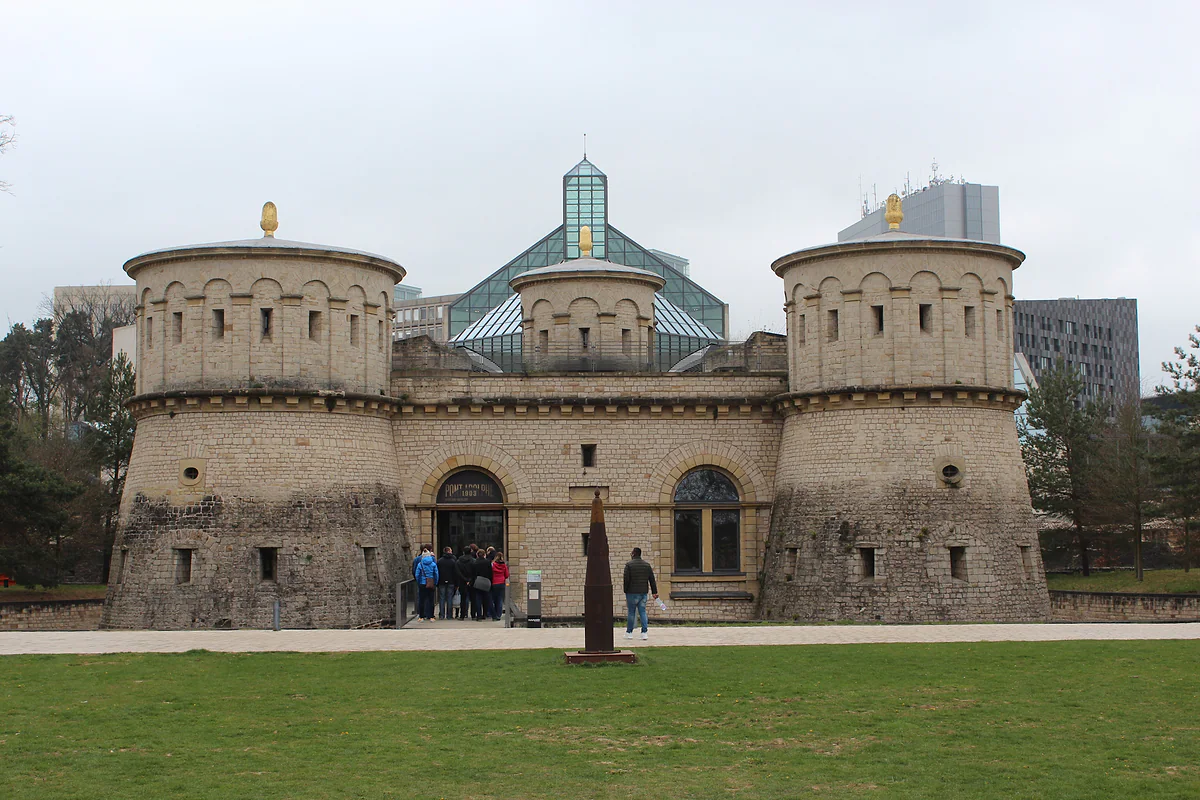
Fort Thüngen with its two round towers and golden acorns, home of the Dräi Eechelen museum in Kirchberg
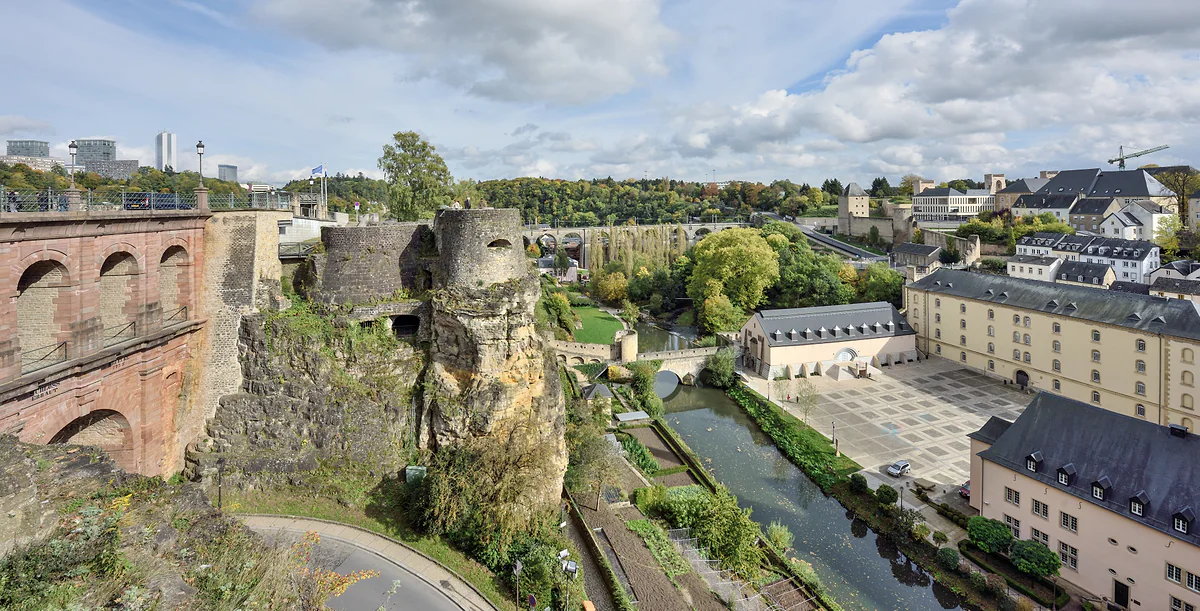
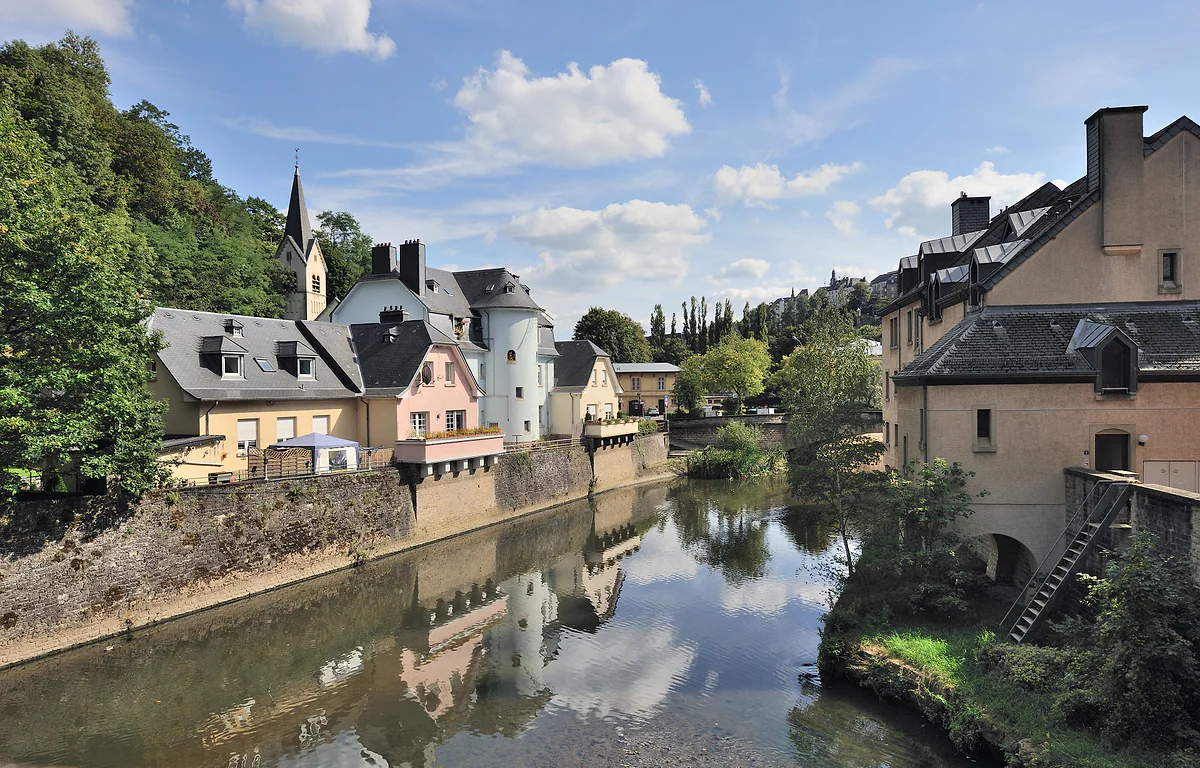
The Bock rock with remains of the fortress, the River Alzette and the buildings of the Grund below the upper town
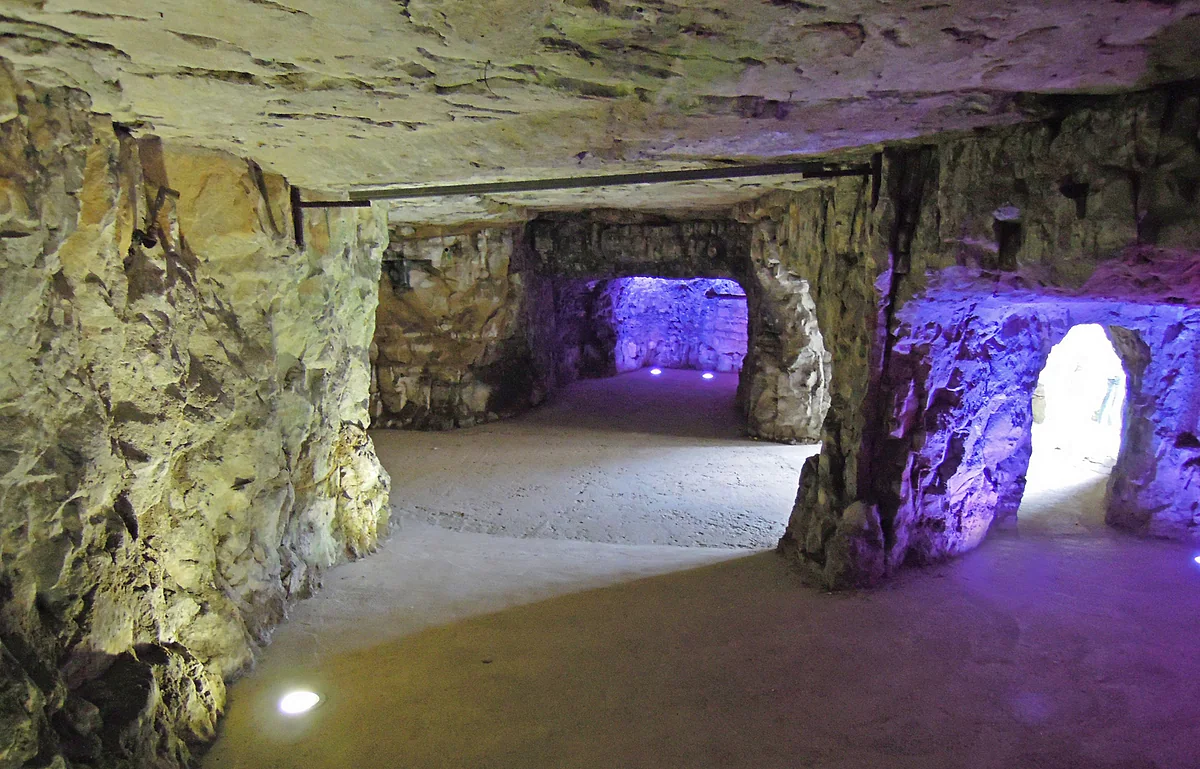
A gallery cut into the rock of the Bock Casemates, with passages lit in shades of purple and gold
The fortress through time
| Period | What happened |
|---|---|
| 963 | Sigefroi builds a small castle on the Bock |
| 12th century | First stone wall, extended in the 14th and 15th centuries |
| 1443 | Taken by Burgundy; later passes to the Spanish Habsburgs |
| 1684 | Louis XIV captures the city and Vauban extends the defences |
| 18th century | The Austrians carry on the work; the Gibraltar of the North is born |
| 1815-1867 | Federal fortress with a Prussian garrison |
| 1867 | The Treaty of London orders it dismantled |
| 1994 | Old quarters and fortifications join the World Heritage list |
UNESCO (whc.unesco.org/en/list/699) and luxembourg.public.lu, checked on 29-09-2026.
Ways to explore it
| Option | Distance or time | Price |
|---|---|---|
| Wenzel walk | 2.5 km, about 3 hours | Free on your own; private guide from €200 |
| Vauban circuit | 5.16 km, about 3 hours | Free |
| Bock Casemates | 1 hour with a guide | €20 (September 2026) |
| Dräi Eechelen museum | Self-guided | €7; €12 combined with the MNHA |
luxembourg.public.lu, the city tourist office and m3e.public.lu, checked on 29-09-2026.
Test yourself
True or false?
0/3 Pick before you peek.
-
Luxembourg fortress was dismantled under an international treaty.
See the answer
True. The Treaty of London of 11 May 1867 ordered it dismantled, withdrew the Prussian garrison and declared the country perpetually neutral.
-
Vauban built Luxembourg fortress from scratch.
See the answer
False. When Louis XIV took the city in 1684, the fortress had been growing for centuries. Vauban extended and reinforced it, according to UNESCO.
-
The Wenceslas wall once had dozens of towers.
See the answer
True. According to visitluxembourg, it was 875 m long with 37 towers and 15 gates.
- Sigefroi's castle on the Bock
- 963
- Treaty of London and dismantling
- 1867
- Network of underground galleries
- 23 km
- UNESCO listing
- 1994
Map
Where Luxembourg fortress is
The thick dashed line is the border with Belgium, France and Germany, and the fine ones divide the twelve cantons. The Éislek lies to the north and the Moselle to the east. Every number opens its guide.
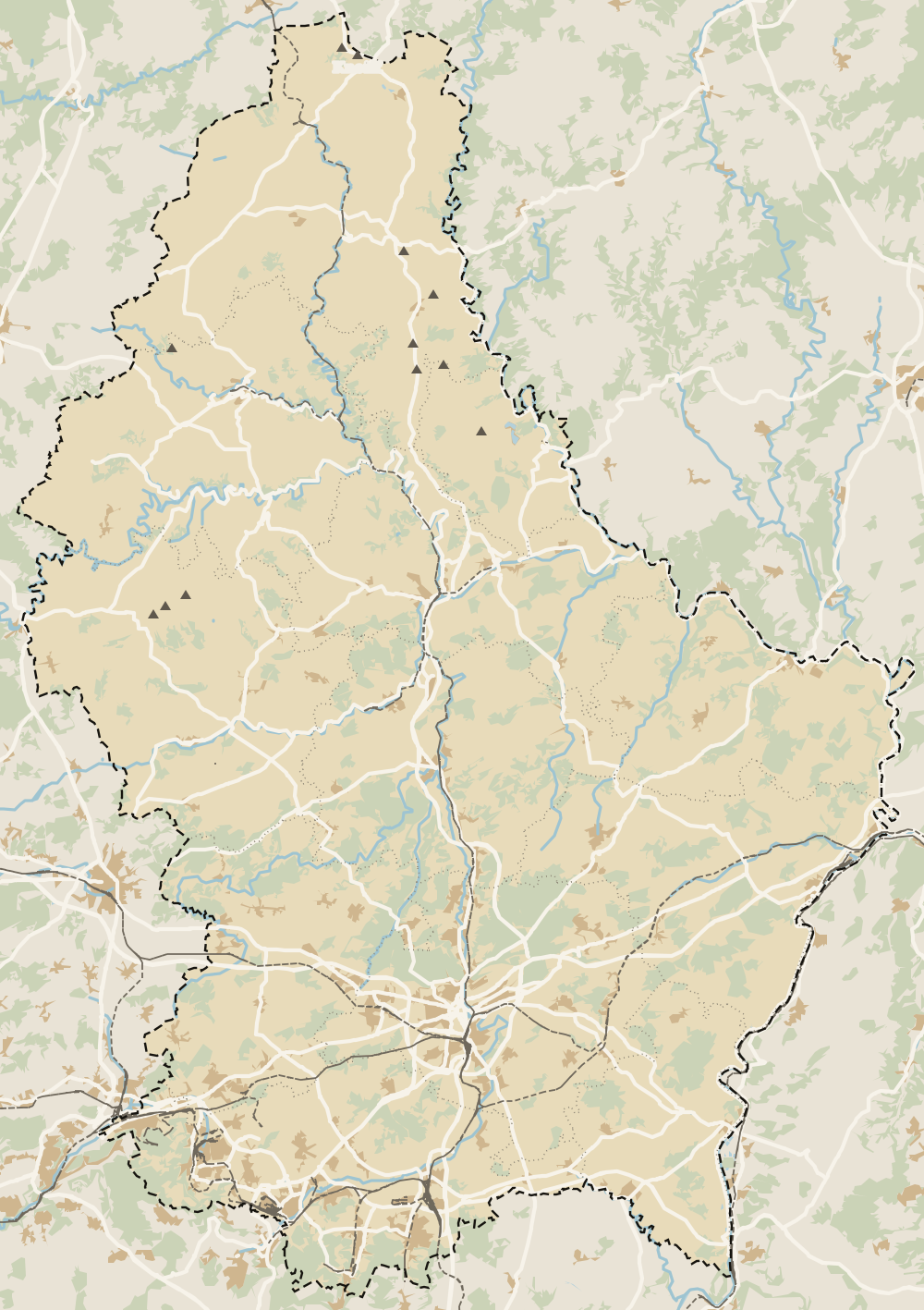 1Ville Haute 2Luxembourg City 3Grund 4Pfaffenthal 5Clausen 6Kirchberg 7Gare 8Hamm 9Luxembourg fortress 10Limpertsberg 11Pulvermühl 12Bonnevoie 13Hollerich 14Gasperich 15Belair 16Merl 17Cents 18Neudorf 19Weimerskirch 20Beggen 21Eich 22Dommeldange 23Mühlenbach 24Pétrusse Valley 25Rollingergrund 26Cessange 27Rham Plateau 28Tram and Bus Museum
 Map data © OpenStreetMap contributors (ODbL)
- 1Ville HauteA district of Luxembourg City
- 2Luxembourg CityCapital of the Grand Duchy
- 3GrundLuxembourg City district on the Alzette
- 4PfaffenthalLuxembourg City district in the Alzette valley
- 5ClausenLuxembourg City district in the Alzette valley
- 6KirchbergLuxembourg City's European and business district
- 7GareLuxembourg City district south of the Pétrusse
- 8HammDistrict on the eastern side of Luxembourg City
- 9Luxembourg fortressUNESCO World Heritage since 1994
- 10LimpertsbergLuxembourg City district north of the Ville Haute
- 11PulvermühlLuxembourg City's smallest district
- 12BonnevoieBonnevoie-Nord / Verlorenkost and Bonnevoie-Sud
- 13HollerichLuxembourg City district west of the Gare
- 14GasperichDistrict in the south of Luxembourg City
- 15BelairResidential district west of the Ville Haute
- 16MerlResidential district on the capital's west side
- 17CentsResidential district east of the city centre
- 18NeudorfAlzette valley district below Kirchberg
- 19WeimerskirchNorthern district on the Alzette valley slope
- 20BeggenDistrict at the northern tip of the capital
- 21EichNorthern district in the Alzette valley
- 22DommeldangeNorthern district with a village centre
- 23MühlenbachNorthern district on the edge of the Bambësch
- 24Pétrusse ValleyPark and walk between the old town and the Gare
- 25RollingergrundNorth-west district, including Belair-Nord
- 26CessangeSouth-west district of the capital
- 27Rham PlateauLuxembourg City fortifications
- 28Tram and Bus MuseumMuseum in Hollerich
What to see
What to see in Luxembourg fortress
0 of 425 Luxembourg guides
Your next stamp
- History
- Second World War
- Luxembourg City
- Ville Haute
- Beaufort castles
- UNESCO World Heritage
- Place de la Constitution
- Brandenbourg Castle
- A Possen Museum
- American Cemetery
- Ansembourg
- Ansembourg Castles
- Asselborn
- Bascharage
- Belval
- Belval blast furnaces
- Berg Castle
- Bernard-Massard cellars
- Bourglinster Castle
- Bourscheid Castle
- Brandenbourg
- Caves St Martin
- Christmas
- Clervaux Castle
- Echternach
- Echternach Abbey
- Ehnen
- Ehnen Wine Museum
- Esch-sur-Alzette
- Esch-sur-Sûre Castle
- European Museum Schengen
- Fond-de-Gras
- General Patton Museum
- German war cemetery
- Haff Réimech
- Hohllay
- Hollenfels Castle
- Hosingen
- Kautenbach
- Kneiff
- Koerich Castle
- Larochette Castle
- Lasauvage
- Mersch Castle
- Military History Museum
- Moersdorf
- Mondorf Domaine Thermal
- Munsbach Castle
- National Mining Museum
- Parc Merveilleux
- Park Sënnesräich
- Places to visit
- Remich
- Rindschleiden
- Schiessentümpel
- Septfontaines Castle
- Slate Museum
- Stolzembourg
- Tudor Museum
- Useldange Castle
- Valley of the Seven Castles
- Vianden
- Vianden Castle
- Wasserbillig Aquarium
- Weiswampach lakes
- Wiltz Castle
- Ahn
- Berdorf
- Bourscheid-Plage
- Butterfly garden
- Clervaux
- Differdange
- Echternach lake
- Grevenmacher
- Heringer Millen
- Hollenfels
- Luxembourg Science Center
- Meysembourg Castle
- Mullerthal
- National Day
- National Resistance Museum
- Perekop
- Remerschen
- Schoenfels Castle
- The Family of Man
- Things to do
- Upper Sûre Lake
- Vianden chairlift
- Wasserbillig
- Clervaux Abbey
- Echternach Roman villa
- Éislek
- Insenborn
- Kallektuffquell
- Machtum
- Most beautiful places
- Our Nature Park
- Pétange
- Pettingen Castle
- Schueberfouer
- Schwebsingen
- Victor Hugo House
- Waldbillig
- Dudelange
- Kuelscheier
- Lultzhausen
- Moselle Valley
- Octave
- Prettiest villages
- Sanem
- Schengen
- Wellenstein
- Wiltz
- Wolfsschlucht
- Beaufort
- Bech-Kleinmacher
- Éimaischen
- Gaalgebierg
- Guttland
- Marnach
- Mondorf-les-Bains
- Putscheid
- Schifflange
- Carnival
- Consdorf
- Ellergronn
- Käerjeng
- Kayl
- Map
- Minett
- Munshausen
- Tandel
- Bech
- Buergbrennen
- Esch-sur-Sûre
- Rumelange
- Where is Luxembourg
- Is it a country?
- Lac de la Haute-Sûre (commune)
- Rosport-Mompach
- Wormeldange
- Larochette
- Mondercange
- Regions
- Bettembourg
- Bock Casemates
- Cantons
- Dancing procession
- Diekirch
- Fischbach
- Garnich
- Mersch
- Moselle wine route
- Ettelbruck
- Grund
- Heffingen
- Kehlen
- Lintgen
- Moselle river cruises
- Pétrusse Casemates
- Towns and villages
- Chemin de la Corniche
- Erpeldange-sur-Sûre
- Junglinster
- Kopstal
- Lorentzweiler
- Nommern
- Pfaffenthal
- Population
- Bissen
- Clausen
- Grand Ducal Palace
- Koerich
- Schieren
- Size
- Vallée de l'Ernz
- Feulen
- Kirchberg
- Languages
- Notre-Dame Cathedral
- Reisdorf
- Steinfort
- Bettendorf
- Habscht
- St Michael's Church
- Helperknapp
- Luxembourgish
- Place Guillaume II
- Name
- Place d'Armes
- Grand Duke
- Colmar-Berg
- Flaxweiler
- Gare
- Hamm
- Kirchberg funicular
- Mamer
- Mertert
- Minett Trail
- Mullerthal Trail
- Neumünster Abbey
- Parc Hosingen
- Pfaffenthal lift
- Political system
- Redange
- The Passerelle
- Wine festivals
- Winseler
- Beckerich
- Biwer
- EU institutions
- Goesdorf
- Limpertsberg
- Mudam
- Natur Musée
- Pulvermühl
- Stadtbredimus
- Troisvierges
- Wenzel walk
- Bonnevoie
- Bous-Waldbredimus
- Ell
- Flag
- Kiischpelt
- Manternach
- Philharmonie
- Vauban circuit
- Weiswampach
- Betzdorf
- Boulaide
- Dräi Eechelen Museum
- Facts
- Hollerich
- Lenningen
- Useldange
- Wincrange
- Bourscheid
- Dalheim
- Gasperich
- Public holidays
- Red Bridge
- Saeul
- Belair
- Vichten
- Battle of the Bulge
- Merl
- Préizerdaul
- Cents
- EU and Schengen
- Groussbus-Wal
- Entry requirements
- Neudorf
- Rambrouch
- Currency and payments
- Mertzig
- Weimerskirch
- Adolphe Bridge
- Beggen
- Escapardenne
- How to get there
- International March of Diekirch
- MNHA (National Museum)
- Rock climbing
- Sandweiler
- Bridges
- Eich
- Flights
- Golf
- Hesperange
- Lëtzebuerg City Museum
- Canoeing and kayaking
- Dommeldange
- Luxembourg airport
- Strassen
- Villa Vauban
- Airport to city centre
- Bertrange
- Casino Luxembourg
- Mühlenbach
- Swimming pools
- From Brussels
- Pétrusse Valley
- Rollingergrund
- Walferdange
- Cessange
- Day trip from Brussels
- Municipal Park
- Steinsel
- Free walking tours
- From Paris
- Niederanven
- From Frankfurt
- Schuttrange
- Sightseeing train and bus
- By train
- Contern
- By coach
- Weiler-la-Tour
- Driving
- Luxembourg in one day
- Pretzel Sunday
- Rham Plateau
- Tour de Luxembourg
- Candlemas (Liichtmëssdag)
- Car hire
- Luxembourg in two days
- Saint-Esprit Plateau
- Luxembourg in three days
- Melusina statue
- Parking
- St Nicholas Day (Kleeschen)
- Fête de la Musique
- Luxembourg in four days
- Museums in Luxembourg
- Petrol
- Place de Clairefontaine
- A week in Luxembourg
- Getting around
- Luxembourg Marathon
- Tram and Bus Museum
- Free public transport
- Parks in Luxembourg City
- Road trip
- Belgium and Luxembourg
- Tram
- Buses
- Viewpoints
- Trains
- Luxembourg station
- Cycling
- LuxembourgPass
- Prices and budget
- On a budget
- Free things to do
- Mobile and roaming
- Healthcare
- Safety
- Scams
- Tourist information
- Packing list
- Swimming lakes
- With a dog
- Markets
- Tipping
- Shopping
- What to buy
- Shopping centres
- With kids
- For couples
- Playgrounds
- Adventure parks
- Nightlife
- Castles
- Theatres and concert venues
- Leudelange
- Nature parks
- Where to stay
- City-centre hotels
- Hiking
- Nature reserves
- Reckange-sur-Mess
- Hotels near the station
- Roeser
- Frisange
- Hotels in Kirchberg
- Airport hotels
- Dippach
- Hotels in Vianden
- Hotels in Echternach
- Hotels in Clervaux
- Hotels in Mondorf-les-Bains
- Hotels in Esch-sur-Alzette
- Hotels on the Moselle
- Mullerthal hotels
- Upper Sûre lake hotels
- Hotels in Diekirch and Ettelbruck
- Cheap hotels
- Luxury hotels
- Boutique hotels
- Spa hotels
- Family hotels
- Apartments
- Weather
- Youth hostels
- Best time to visit
- Campsites
- Holiday cottages
- In winter
- Castle hotels
- In spring
- Day trips
- In summer
- Around Luxembourg
- In autumn
- Ice skating
- Trier day trip
- Metz day trip
- Arlon day trip
- In January
- In February
- In March
- In April
- In May
- In June
- In July
- In August
- In September
- Food
- In October
- In November
- Where to eat
- In December
- Michelin restaurants
- Cheap eats
- Judd mat Gaardebounen
- Bouneschlupp
- Gromperekichelcher
- Kniddelen
- Quetschentaart
- Rieslingspaschtéit
- Events
- Wine
- Crémant
- Beer
Frequently asked questions
Why is Luxembourg called the Gibraltar of the North?
Because of its fortress, which had a reputation for being impregnable. UNESCO explains that the great European powers strengthened it for centuries, and that in the 18th century the Austrians completed what became known as the Gibraltar of the North.
What's left of Luxembourg fortress?
Most of it was demolished after 1867, but gates, forts, bastions, redoubts and casemates survive, according to UNESCO. The most visited are the Bock Casemates, the Corniche, the Three Towers gate, the Vauban towers and Fort Thüngen.
What is the Three Towers gate?
A gate in the medieval wall on boulevard Victor Thorn. The square central tower belongs to the second town wall, probably around 1200, and the two round towers were added in the 14th century.
When was Luxembourg fortress dismantled?
The Treaty of London of 11 May 1867 withdrew the Prussian garrison, declared the country perpetually neutral and ordered the fortress dismantled. Much of the walls came down in the years that followed.
Where can you learn the history of the fortress?
At the Dräi Eechelen museum, inside Fort Thüngen on Kirchberg, which covers 1443 to 1903 with around 600 objects. It costs €7 and closes on Mondays.
Is Luxembourg fortress a UNESCO World Heritage Site?
Yes. In 1994 UNESCO listed the City of Luxembourg, its old quarters and fortifications, under criterion iv, for the role it played in European history over several centuries.
By
Tourism graduate with a master’s in Tourism Management and Planning from the University of Málaga, who has travelled across Europe. He writes every guide from official sources and his own judgement.
Published on . Updated on . Facts checked on .
Sources
- UNESCO, City of Luxembourg: its Old Quarters and Fortifications
- luxembourg.public.lu, the capital
- luxembourg.public.lu, rebirth of a country
- Luxembourg City Tourist Office, Three Towers
- visitluxembourg, Wenzel walk
- Musée Dräi Eechelen, practical information
- Musée Dräi Eechelen, Fort Niedergrünewald
- Musée Dräi Eechelen, Fort Obergrünewald
- Luxembourg City Tourist Office, Lambert Redoubt
- Luxembourg City Tourist Office, history of the city
Some links in this guide are affiliate links: if you book through them, the site earns a commission at no extra cost to you. Affiliate disclosure
Photos: Dietmar Rabich (CC BY-SA 4.0); Zinneke (CC BY-SA 3.0); Cayambe (CC BY-SA 4.0); LoKiLeCh (CC BY-SA 3.0), via Wikimedia Commons.