The Moselle Valley, Luxembourg's only wine country
The Luxembourg Moselle Valley is the strip of the country along the river that forms the German border, from Schengen to Wasserbillig, about 20 km from the capital. It's Luxembourg's only wine region, with 1,189 hectares of vines and 234 growers in 2025, and it takes in Remich, Grevenmacher, Schengen and Mondorf-les-Bains, the crémant houses and the passenger boats.
In 30 seconds
Full read: 3 min
The Luxembourg Moselle runs from Schengen to Wasserbillig along the German border, about 20 km from the capital.
It's the country's only wine region, with 1,189 hectares of vines in 2025.
Remich, Grevenmacher, Schengen and Mondorf-les-Bains are the four main stops.
You can see it by free bus, by boat or along the 115 km wine route.
I'd do the Moselle without a car, because the buses are free. Remich in the morning, a boat or a cellar at lunchtime, Schengen in the afternoon. It's the easiest region in the country to enjoy slowly, and the only one where the wine in your glass was made a few hundred yards away.
Sergio LeponeMy advice
Before you go
What I would keep in mind
01 Most beautiful
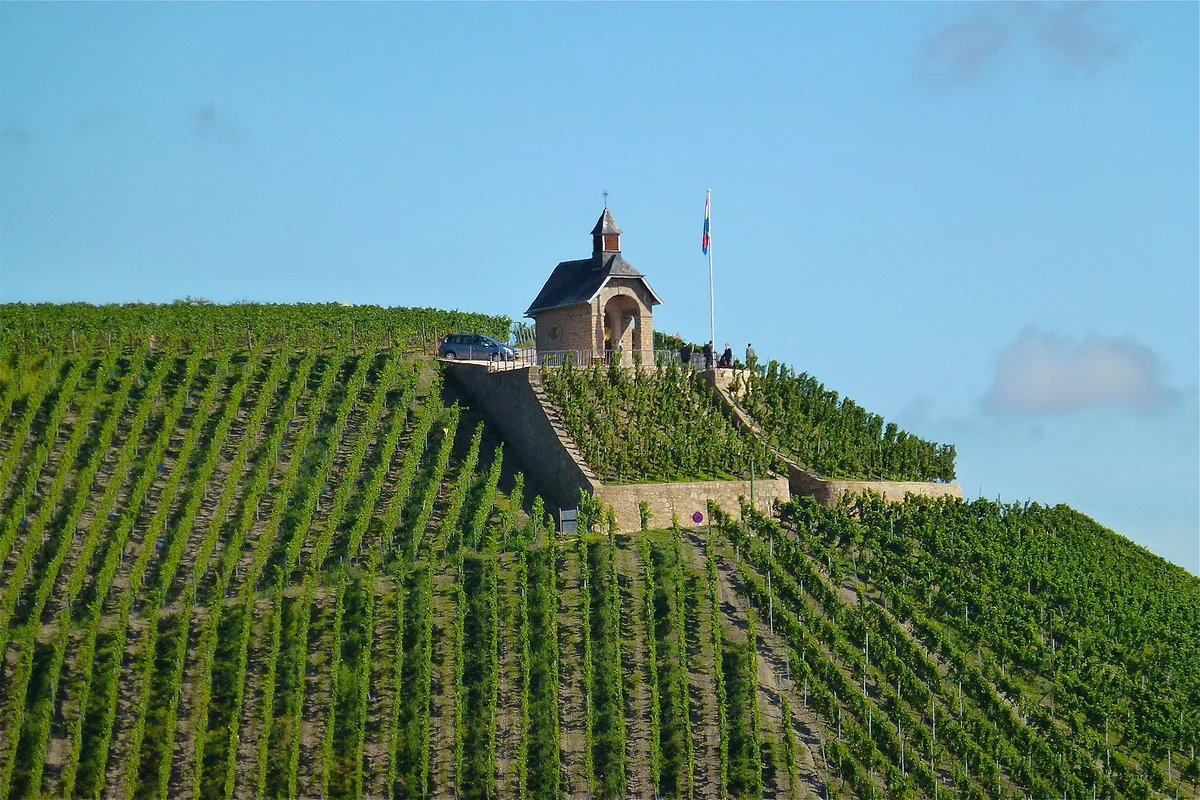
The Koeppchen above Wormeldange
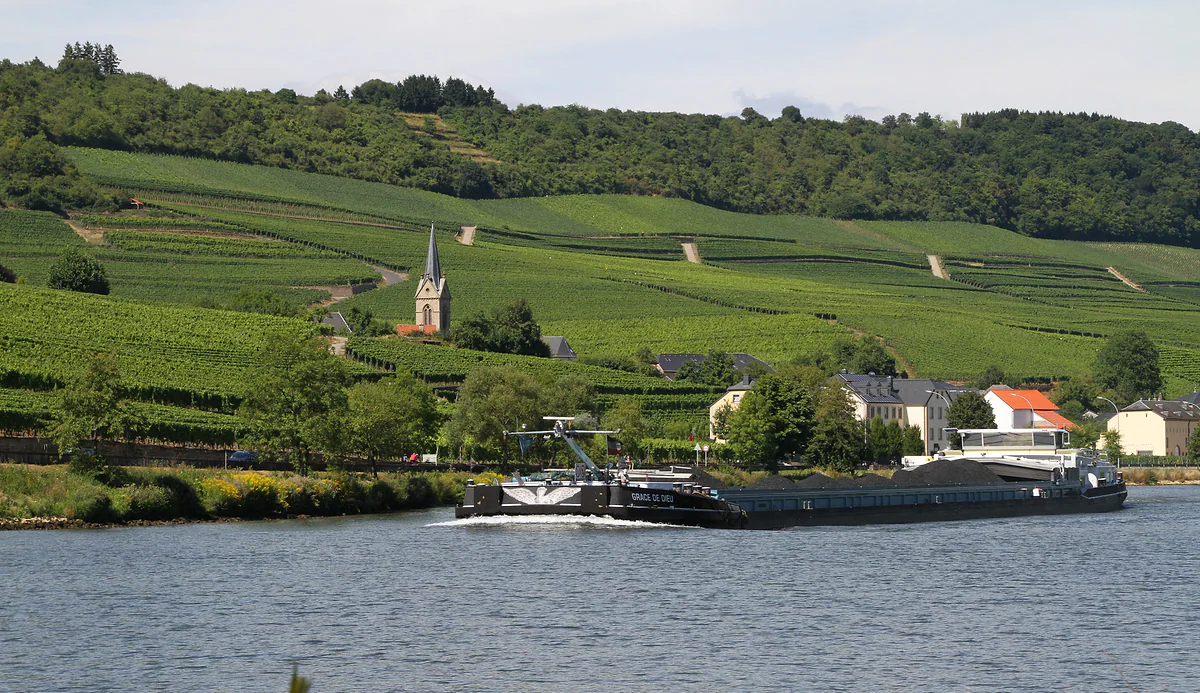
One of the best-known vineyards in the country, with St Donatus' chapel of 1925 on top of steep limestone slopes. If I had to pick one view of the valley, it would be this.
Public transport costs nothing inside the country, and the LuxembourgPass covers the cellar tour with a glass at Caves St Martin and Bernard-Massard, plus the Schengen museum and the butterfly garden.
A day cruise leaves Remich all year for Sierck-les-Bains and Ehnen, at €33 an adult as of September 2026. It's the laziest and prettiest way to see the valley.
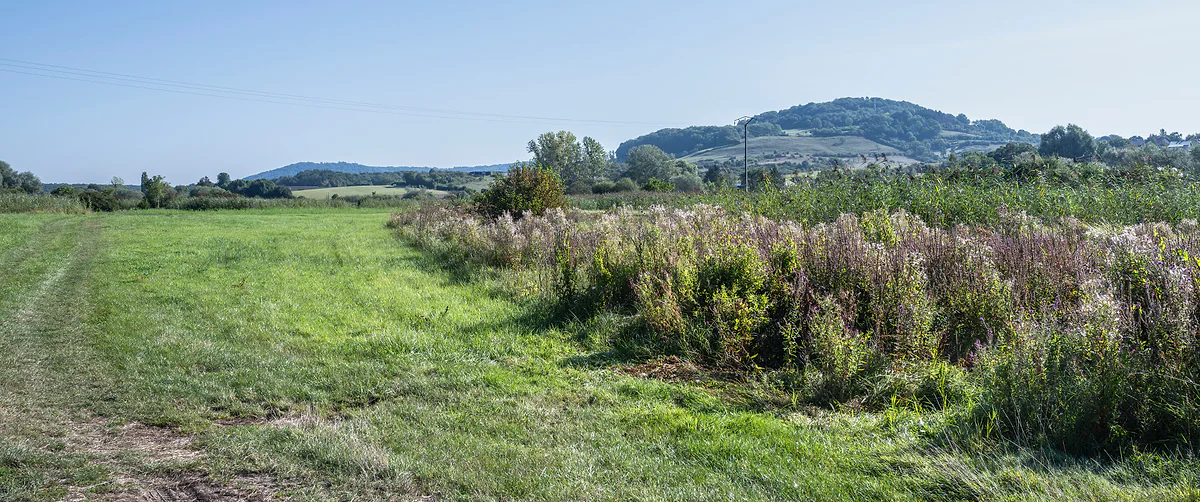
Most people picture Luxembourg as banks, EU buildings and a capital perched over a gorge. The Moselle is the opposite. A ribbon of vine-covered slopes, villages with terraces on the water and passenger boats going up and down a river that is a border without looking like one. Locals call it d’Musel, and for me it’s the best half-day trip in the country.
A border you barely notice
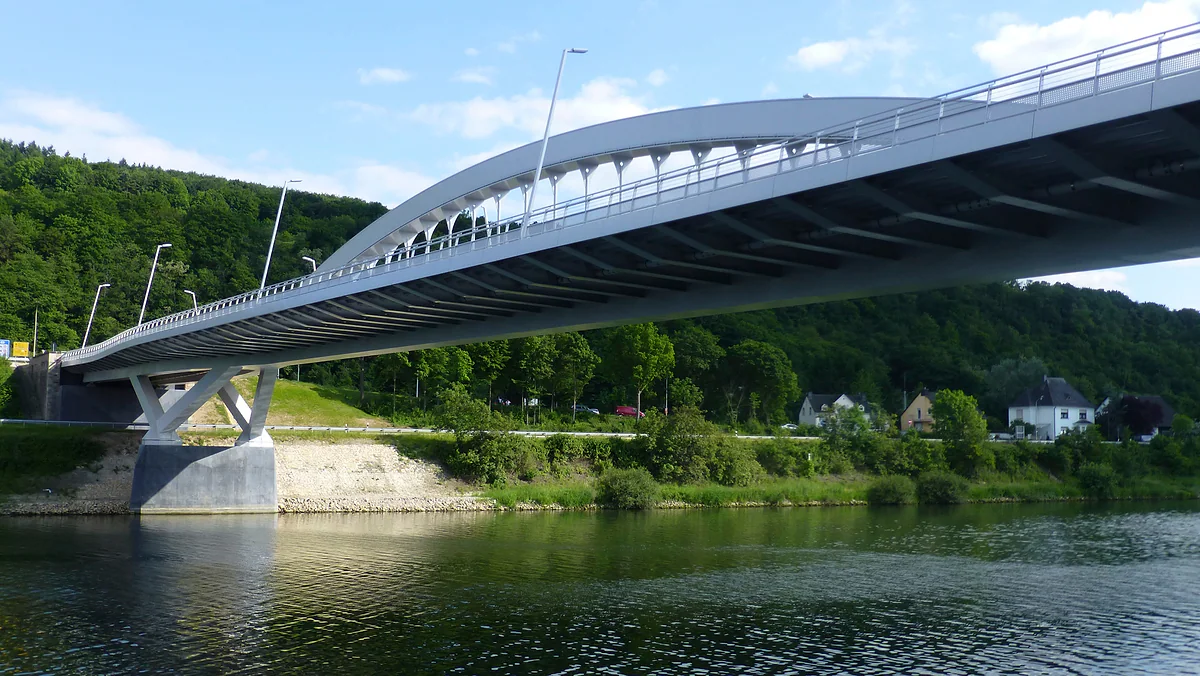
The river separates Luxembourg from Germany from Schengen in the south, where France and the Benelux also meet, to Wasserbillig in the north, where the Sûre joins it. How long that stretch is depends on which official page you read (the government portal gives 42 km on one and 37.3 km on another), so I’ll stick to what matters. It’s short, it’s about 20 km from the capital, and bridges take you over to Germany at several villages.
The geology changes halfway along, and you can taste it. From Schengen to Greiveldange the valley is open, the slopes gentle and the soil clay, which gives rounder wines. In the canton of Grevenmacher limestone takes over, the slopes steepen and the wines turn sharper, as the portal itself puts it.
White wine and crémant country
Every vine in the country is here, 1,189 hectares and 234 growers in 2025, according to STATEC. In order of acreage it’s Rivaner and Auxerrois, Pinot Gris, Pinot Blanc and Riesling, and the name that travels furthest is crémant, the traditional-method sparkling wine that has been an appellation since 1991. Grapes, labels and the appellation itself are covered in Luxembourg wine, because this page is about where to go.
There’s no shortage of cellars. The government portal counts more than 40 wineries and estates, from the Vinsmoselle co-operative, founded in 1921 and the country’s biggest producer, to family houses in their fifth generation. How to string them together by road, on foot or by bike is on the Luxembourg Moselle wine route page.
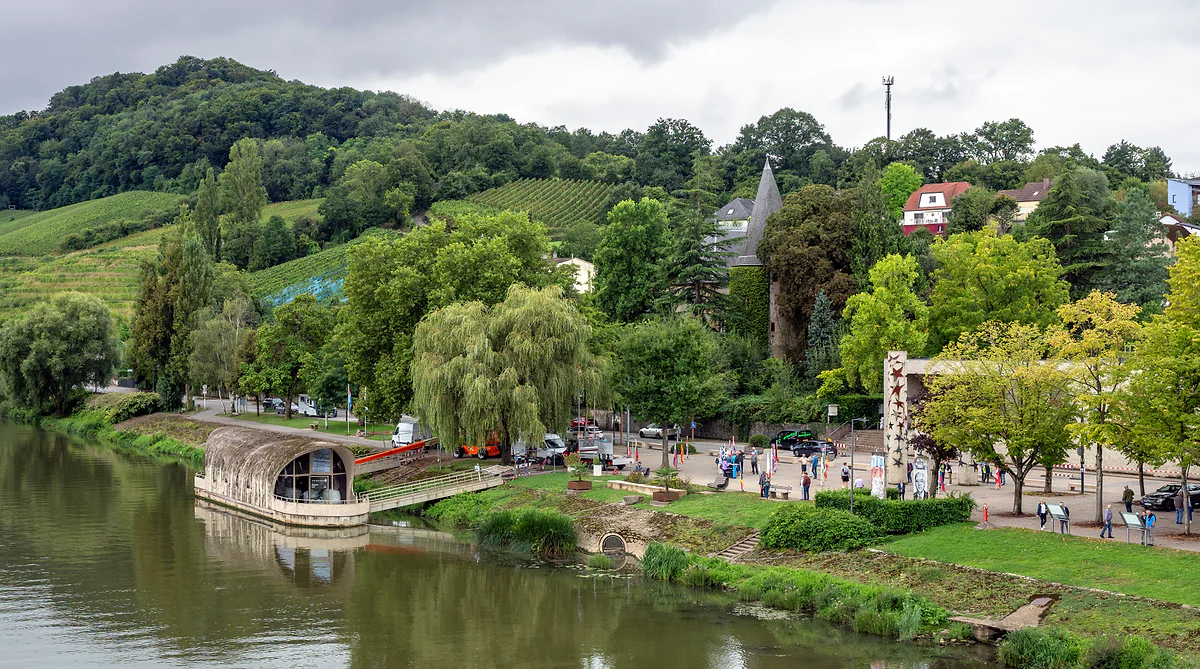
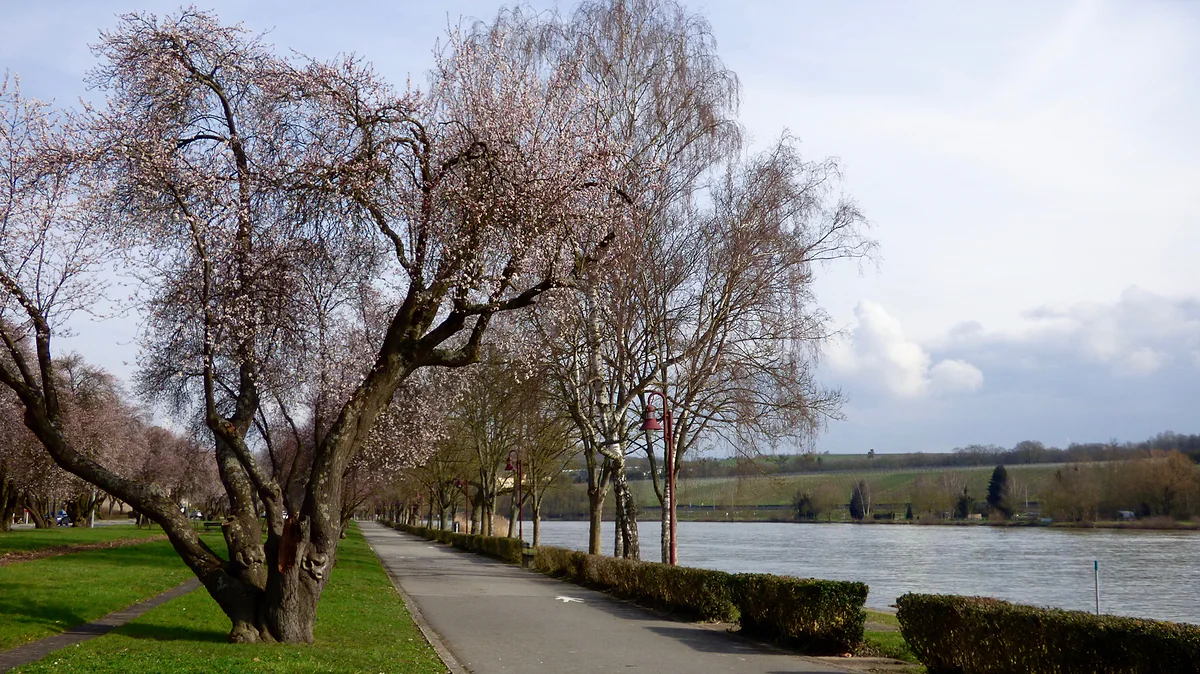
Remich is the postcard. Three kilometres of riverside walk shaded by limes and cherries, the landing stage for the boats and, on the way out of town, Caves St Martin, with almost a kilometre of galleries cut into the rock. If you only have half a day, come here.
Grevenmacher is the nearest the valley has to a town, with a pedestrian centre, a cinema and a pool. Bernard-Massard bottles almost 3.5 million bottles a year there, and beside the river promenade there’s a tropical glasshouse with thirty to forty species of butterfly flying free.
Mondorf-les-Bains isn’t on the riverbank but a little inland, and it belongs to the trip all the same. It has the country’s only thermal spring, a park of more than 45 hectares and Luxembourg’s only casino.
Boat, bike or bus
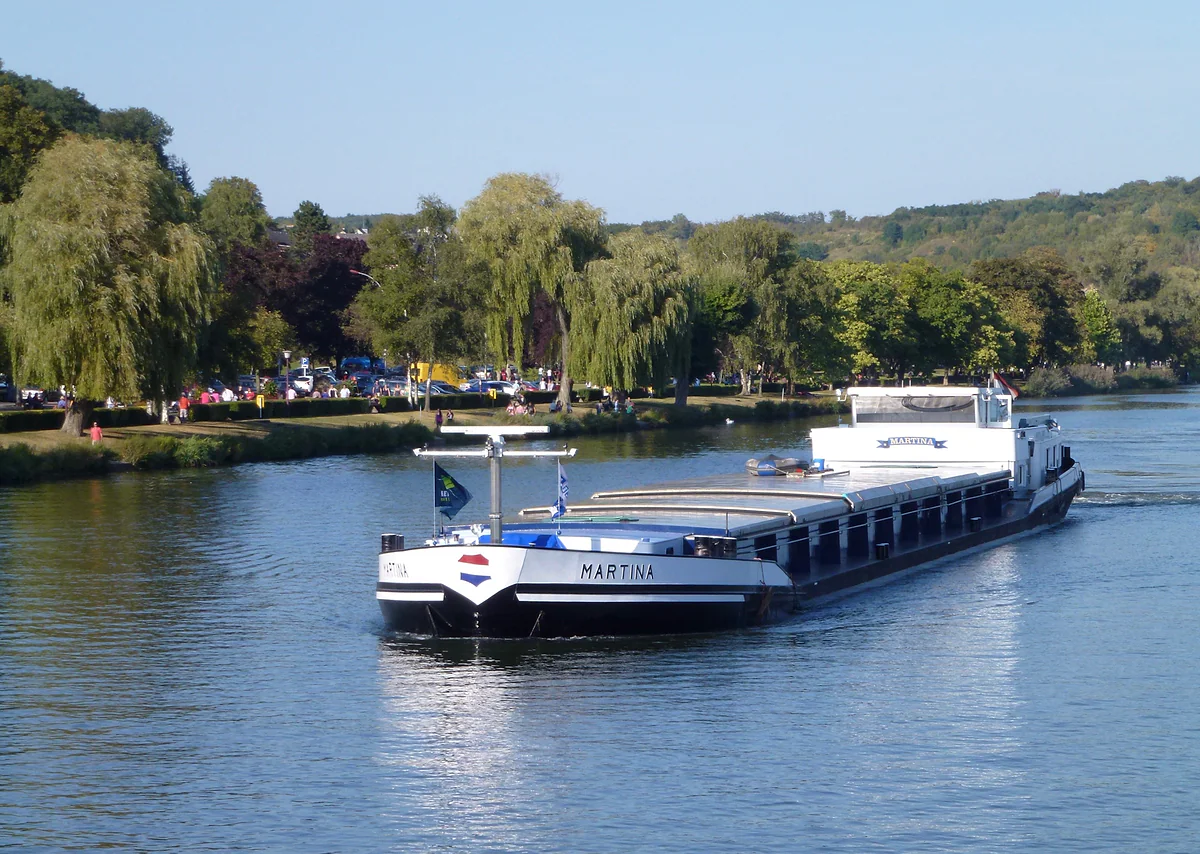
You can see the river from the water. One-hour trips leave Remich from March to October, a day cruise runs all year, and the Princesse Marie-Astrid sails to Trier or Saarburg in season. Prices and dates are on Moselle river cruises.
If you’d rather cycle, the regional tourist board hires out ordinary and electric bikes from stations along the valley, and there are trails for every level, from the 4.8 km crémant walk to the three Traumschleifen, certified premium paths. It works well without a car too. Buses are free inside the country, though only Mertert and Wasserbillig have a railway station. Coming by train from London via Brussels or Paris, you switch to a bus in Luxembourg City for the last stretch.
May to October. That’s when the boats run, the terraces open and nearly every weekend brings a wine festival somewhere. The harvest arrives in September and October with Fiederwäissen, a new wine that hasn’t finished fermenting, and Schengen’s Hunnefeier closes it on the third weekend of October. In winter the valley goes very quiet, which I rather like, although many cellars switch to appointment only.
Beds are scarce, 16 hotels across the region in 2025 according to STATEC. They’re sorted village by village in hotels on the Luxembourg Moselle.
St Donatus Chapel on top of the Koeppchen at Wormeldange, surrounded by steep vineyards above the Moselle
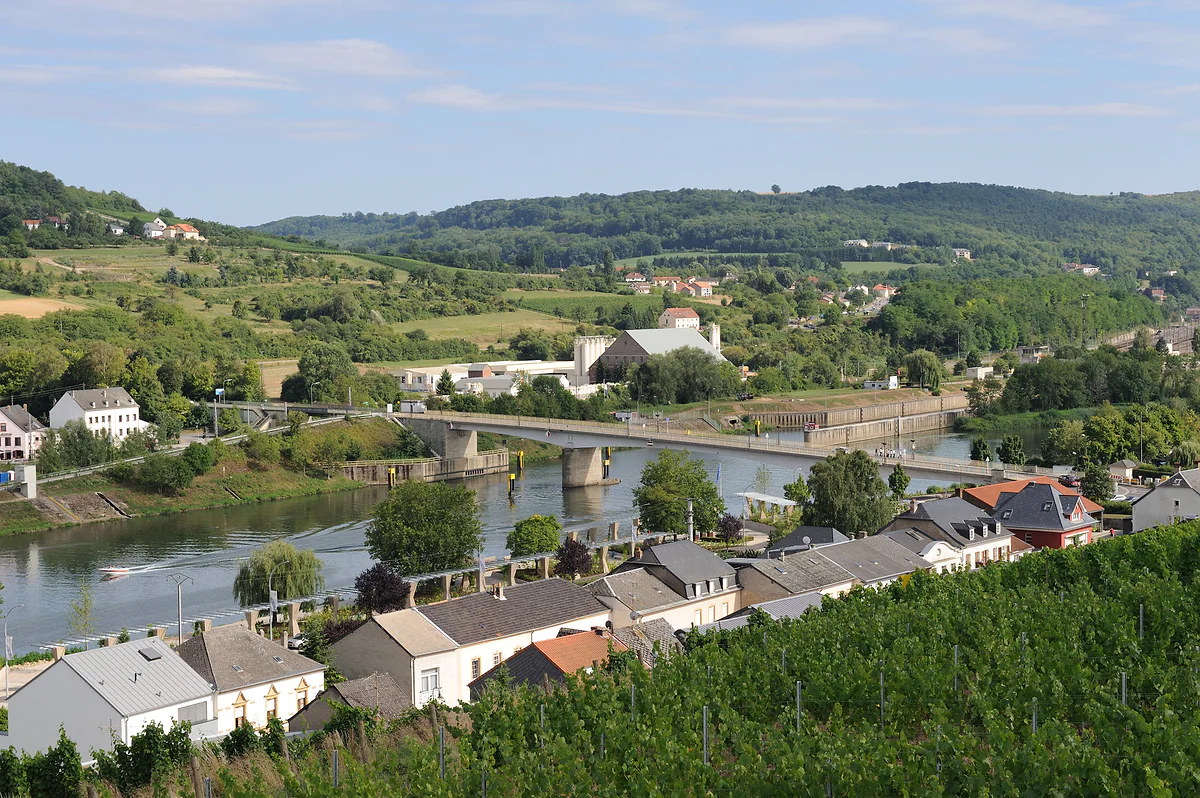
Schengen and the Moselle seen from the Markusberg, with the bridge to Germany and France beyond among vineyards
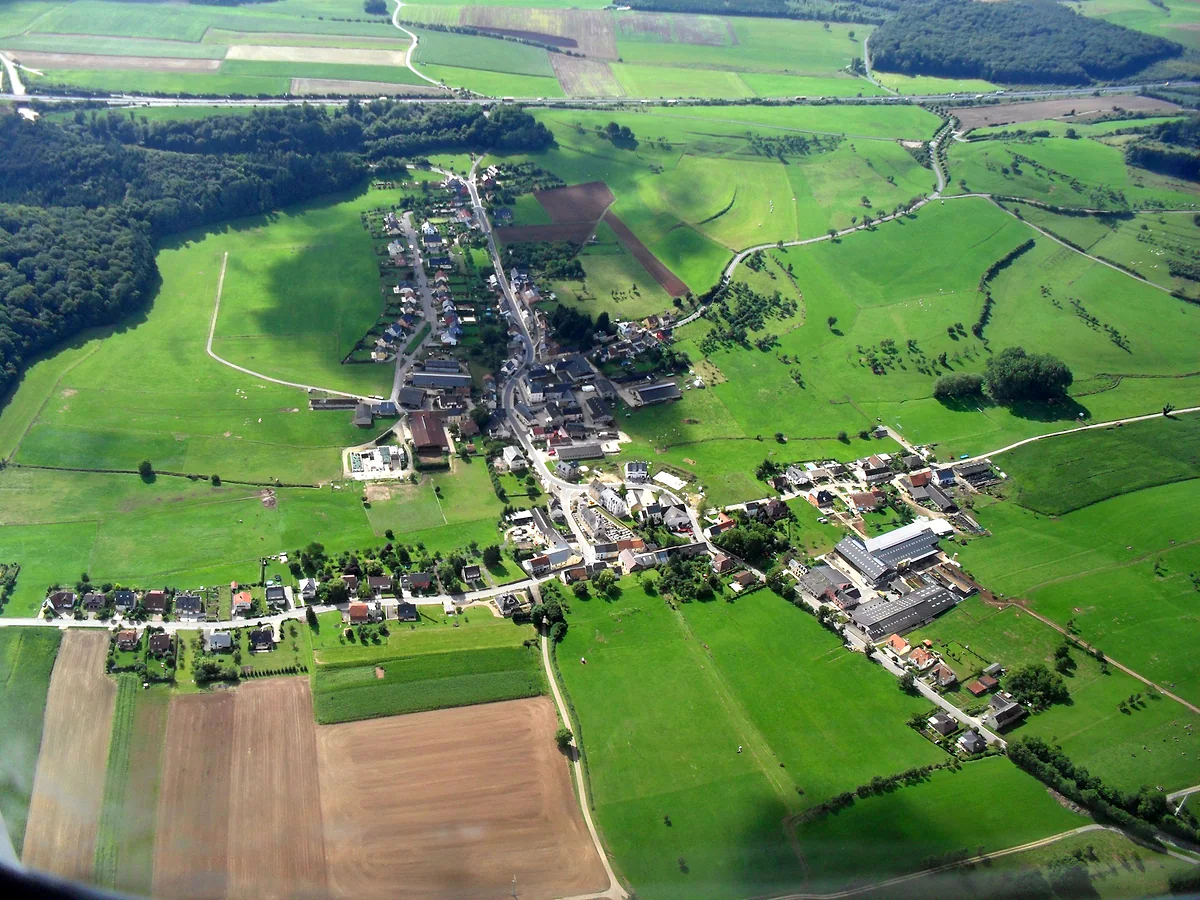
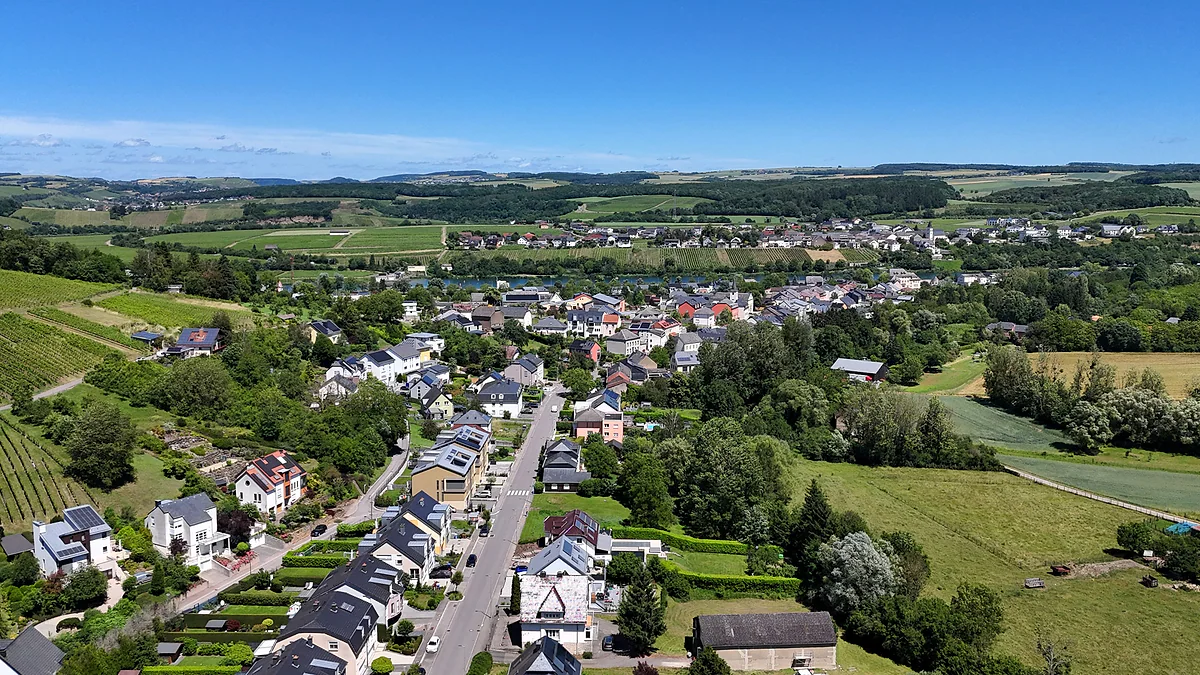
Aerial view of Stadtbredimus with its houses, hillside vineyards and the rolling Moselle countryside to the horizon
The tree-lined promenade at Remich beside the Moselle in late winter, with blossoming trees, lawns and the river
The key places in the valley
Place
What it has
Residents (1-1-2026)
Remich
3 km riverside promenade, Caves St Martin, boats
4,156
Grevenmacher
Bernard-Massard, butterfly garden, Kulturhuef
5,297
Wormeldange
The Koeppchen, Ehnen, Ahn and the Palmberg trail
3,249
Schengen (commune)
Museum and monument, Remerschen lakes, crémant villages
5,265
Mondorf-les-Bains
Spa, 45 ha park, casino
5,524
STATEC residents by commune. The regional tourist board doesn't publish a list of its communes; these are the ones its offices and the government portal mention.
Moselle tourist information points
Office
Address
Centre Visit Remich
1 Route du Vin, Remich
Tourist Info Ehnen
115 Route du Vin, Ehnen
Tourist Info Grevenmacher
10 Route du Vin, Grevenmacher
Tourist Info Mondorf-les-Bains
25 Allée St Christophe
Tourist Info Schengen
Schengen Museum, 1 rue Robert Goebbels
German-Luxembourg tourist office
1 Moselstrasse, Wasserbilligerbrück (Germany)
visitmoselle.lu, checked on 29-09-2026. Remich and Schengen open daily 10:00 to 18:00 as of September 2026.
Test yourself
True or false?
0/3Pick before you peek.
The Moselle is Luxembourg's only wine region.
See the answer
True. That's how the regional tourist board describes it, and the country's vineyards, 1,189 hectares in 2025 according to STATEC, all run along that river.
Riesling is the most planted grape on the Luxembourg Moselle.
See the answer
False. In 2025 Rivaner and Auxerrois each covered 17.9 % of the vineyard. Riesling, at 13.1 %, came fifth.
Remich has a railway station.
See the answer
False. In the region only Mertert and Wasserbillig appear on CFL's list of stations. Remich is reached by bus, free inside the country.
Of vineyards in 2025
1,189 ha
Wine growers
234
Wine route
115 km
Nights' average hotel stay
2.38
Map
Where Moselle Valley is
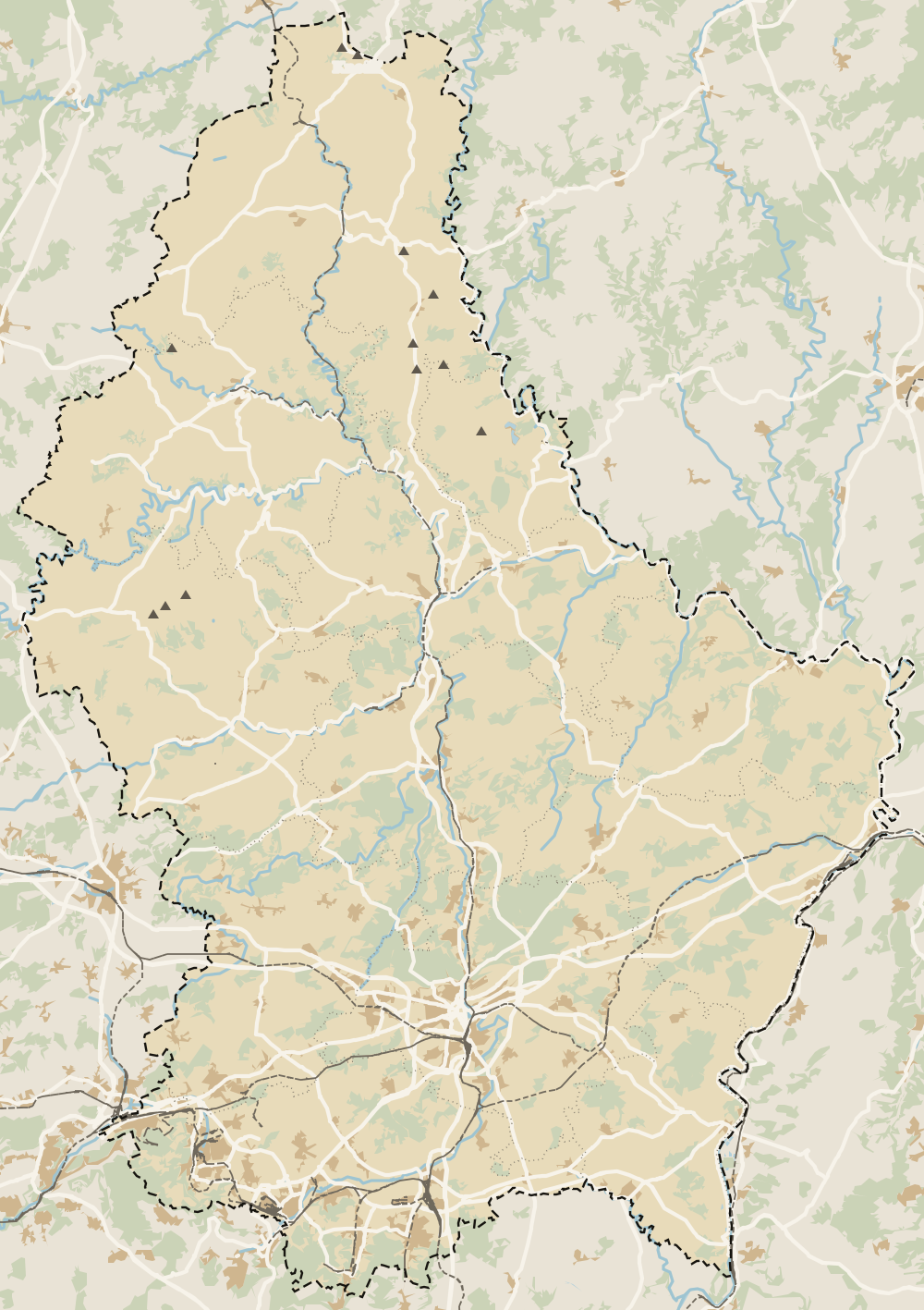
The thick dashed line is the border with Belgium, France and Germany, and the fine ones divide the twelve cantons. The Éislek lies to the north and the Moselle to the east. Every number opens its guide.
What is there to see in the Luxembourg Moselle Valley?
Remich and its riverside promenade, the crémant cellars in Remich and Grevenmacher, the Koeppchen at Wormeldange, Schengen village and its museum, the Haff Réimech nature reserve and the spa town of Mondorf-les-Bains. A well-planned day covers the highlights.
Where is the Moselle in Luxembourg?
In the east. The river forms the border with Germany from Schengen, where Luxembourg, France and Germany meet, to Wasserbillig, where the Sûre flows into it. The region is about 20 km from Luxembourg City.
How do I get to the Moselle from Luxembourg City without a car?
By bus, which is free inside the country. Only Mertert and Wasserbillig have CFL stations; Remich, Grevenmacher, Schengen and Mondorf are reached by bus, with times on mobiliteit.lu. Schengen is also about 1 km from the German station at Perl.
What wine do they make on the Luxembourg Moselle?
Mostly whites, still and sparkling. In 2025 the most planted grapes were Rivaner and Auxerrois, followed by Pinot Gris, Pinot Blanc and Riesling, and Crémant de Luxembourg has existed as an appellation since 1991.
When is the best time to visit the Moselle Valley?
May to October, when the boats run, the terraces open and there's a wine festival most weekends. September and October bring the harvest and Fiederwäissen, the young wine that's still fermenting.
Can you bring wine back to the UK from Luxembourg?
Yes, within your allowance. gov.uk sets 18 litres of still wine per person, plus either 4 litres of spirits or 9 litres of drinks up to 22 %, which includes sparkling wine such as crémant.
Tourism graduate with a master’s in Tourism Management and Planning from the University of Málaga, who has travelled across Europe. He writes every guide from official sources and his own judgement.

 1Remich 2Grevenmacher 3Moselle Valley 4Schengen 5Mondorf-les-Bains 6Wormeldange 7Flaxweiler 8Mertert 9Biwer 10Stadtbredimus 11Bous-Waldbredimus 12Manternach 13Betzdorf 14Lenningen 15Dalheim