Éislek, the Luxembourg Ardennes of castles, valleys and lakes
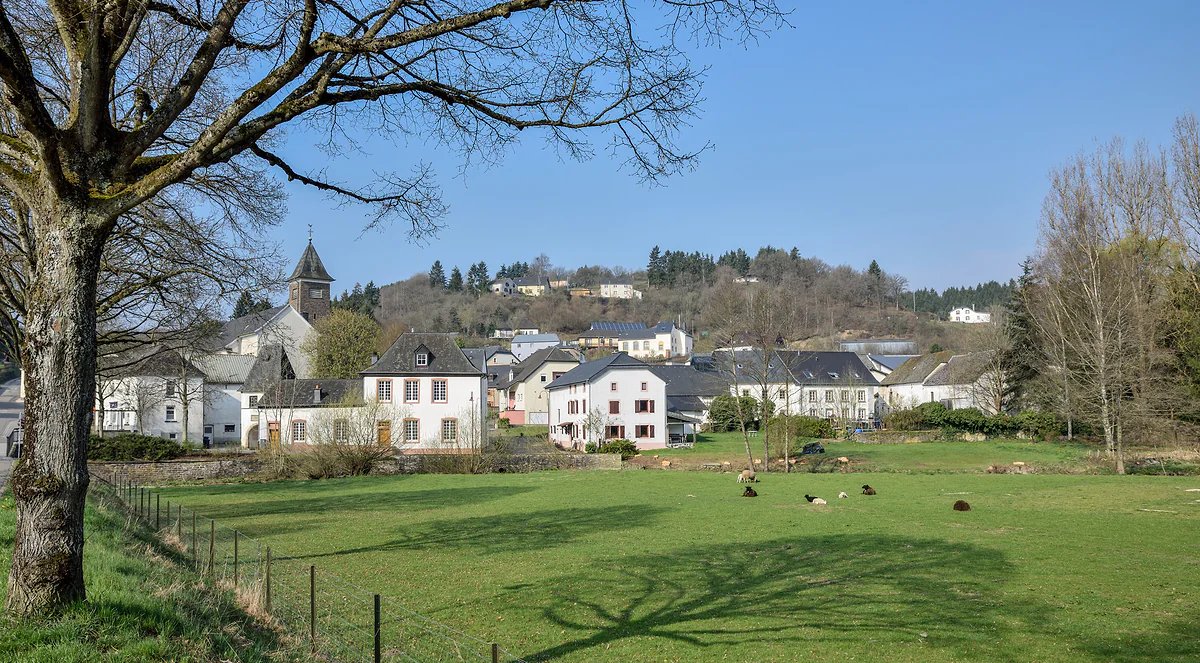
The Éislek, called Ardennes in French and Ösling in German, is northern Luxembourg. It covers 828 km², 32% of the country, and has two nature parks, the Our and the Upper Sûre, Luxembourg's largest lake, castles such as Vianden, Clervaux and Bourscheid, and the memory of the Battle of the Bulge in 1944.
In 30 seconds
Full read: 3 min
The Éislek is northern Luxembourg, 828 km² or 32% of the country.
It has two nature parks, the Our and the Upper Sûre, and the country's largest lake.
Vianden, Clervaux, Bourscheid and Wiltz are its big castles.
Railway line 10 crosses it from south to north, free within Luxembourg.
It was the stage for the Battle of the Bulge from 16 December 1944.
With two days for the north, I'd spend one night in Vianden and one in Clervaux, and keep a car for the Upper Sûre and Bourscheid. With one, Vianden. What I wouldn't do is try to see it all on a day trip from the capital, because the Éislek is best taken slowly.
Sergio LeponeMy advice
Before you go
What I would keep in mind
01 Most beautiful
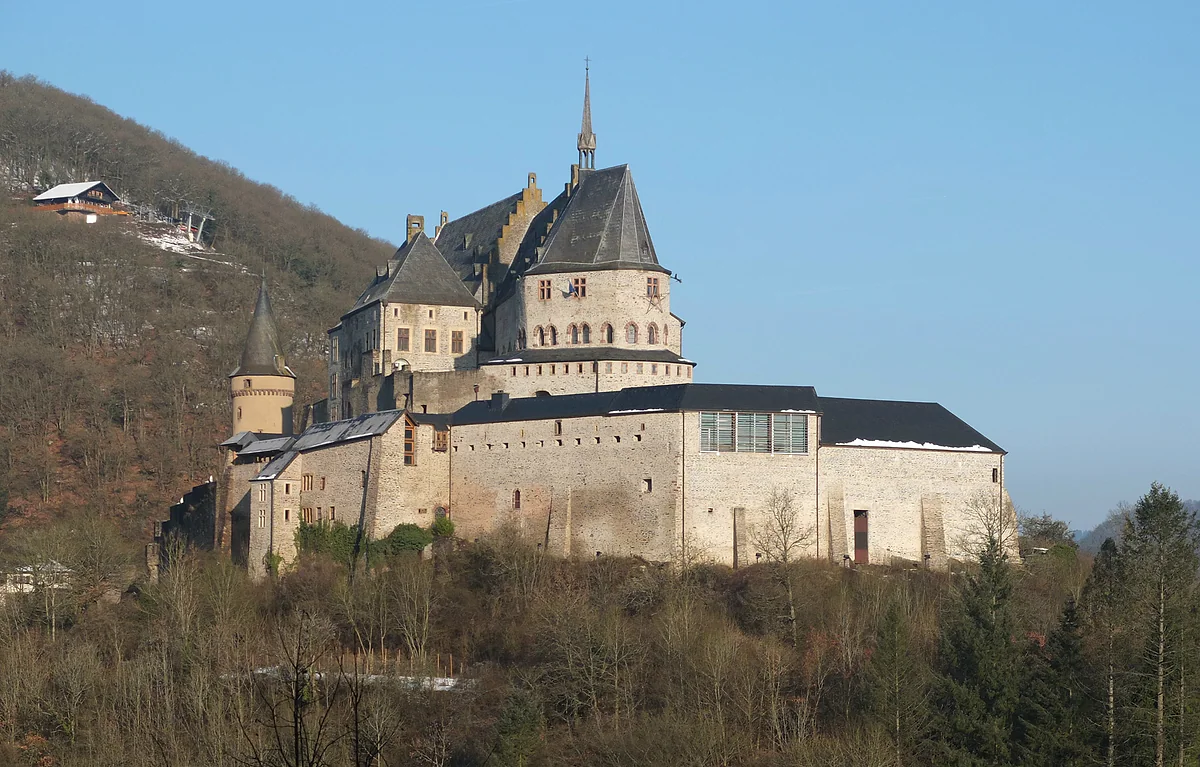
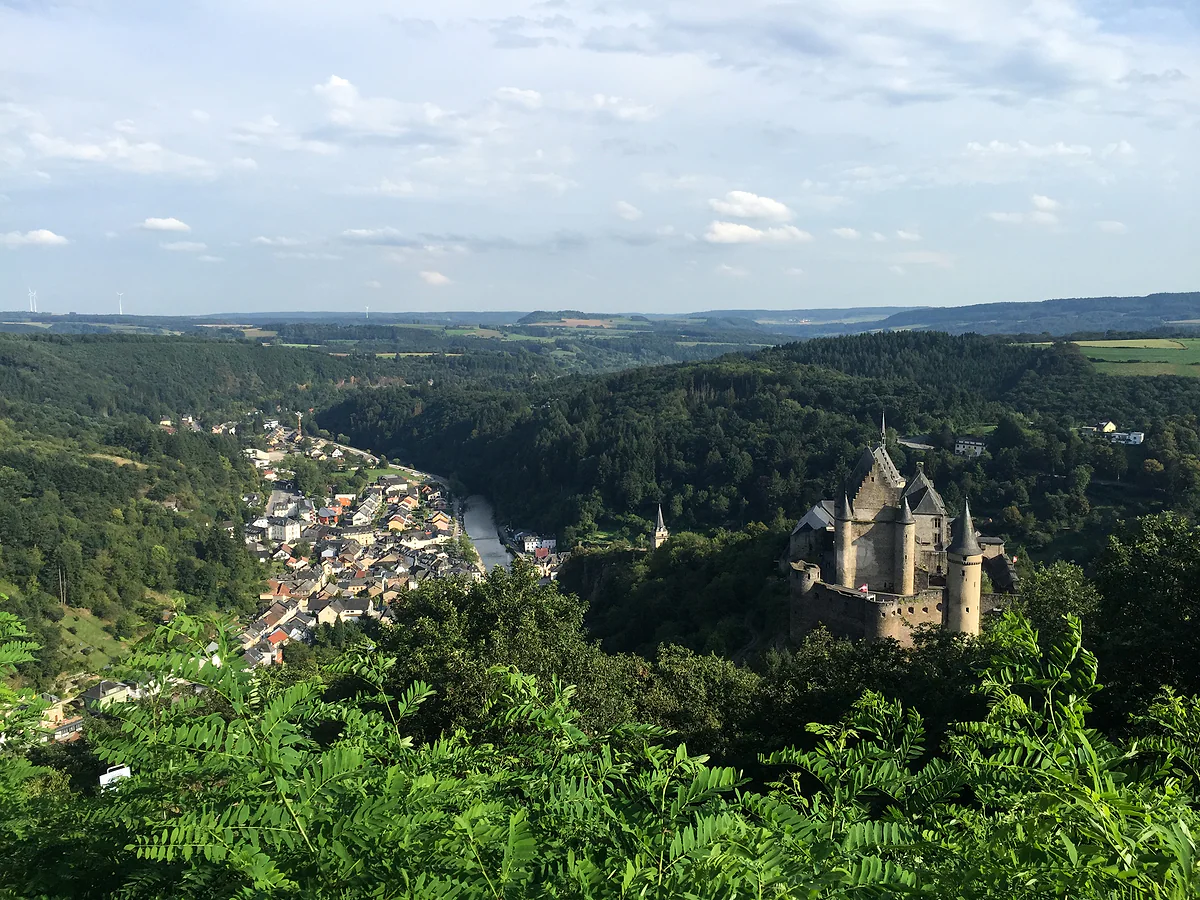
Vianden, the castle everyone photographs
Built between the 11th and 14th centuries and state-owned since 1977, it's the image of the north. In October 2026 it opens 10am to 5pm and costs €13.
Trains from the capital climb via Ettelbruck and Wiltz to Troisvierges and Gouvy, free in second class. On the weekends of 10-11 and 17-18 October 2026 a replacement bus runs.
Vianden Castle, the chairlift, the Victor Hugo House, The Family of Man and the Stolzembourg mine are all free with the pass. A day in Vianden alone covers it.
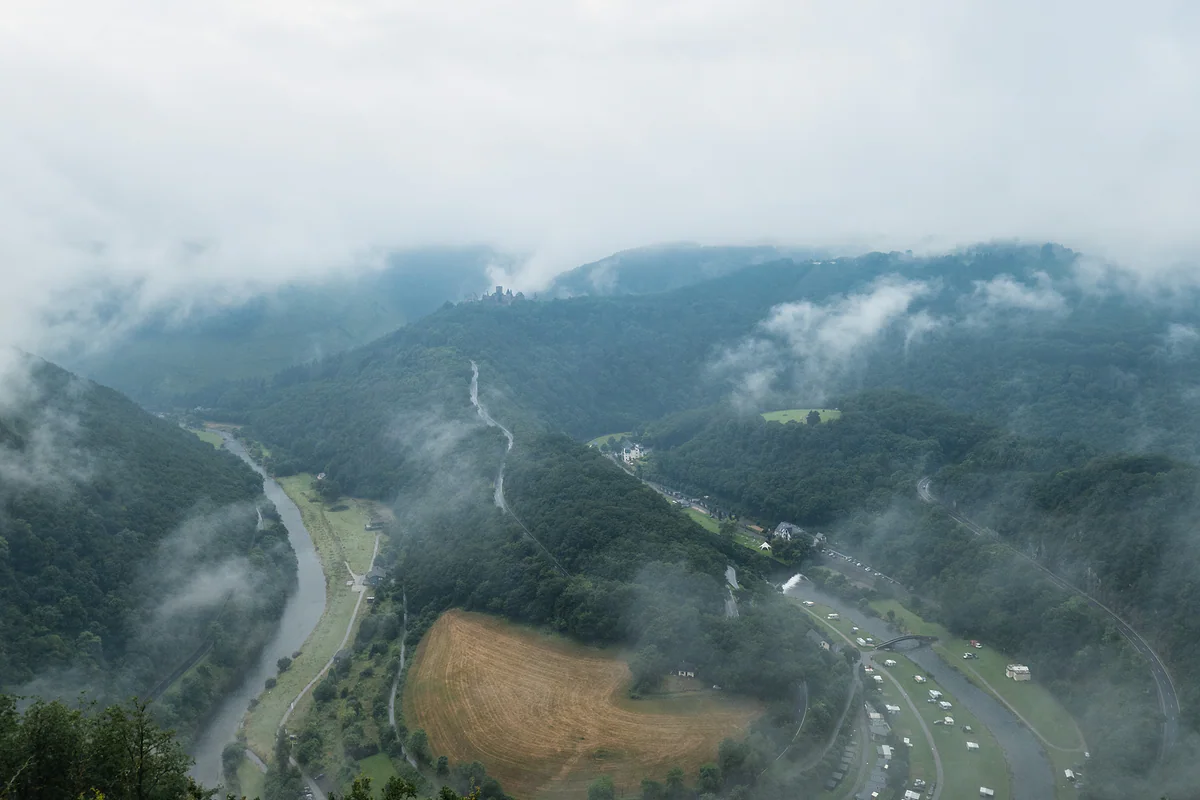
Luxembourg has two very different halves, and the Éislek is the northern one. STATEC gives it 828 km², 32% of the country, against 1,758 for the Gutland, the good land of the south. The official portal presents it as the region of the great outdoors and of remembrance, which I think sums it up well. This is where you’ll find the most photographed castles, the tightest valleys, the largest lake and the villages that bore the full brunt of the Battle of the Bulge.
One region, four names
In Luxembourgish it’s Éislek; in French, Ardennes; in German, Ösling. In English we tend to say the Luxembourg Ardennes, because it’s the slice of the Ardennes massif that falls inside the country. There’s no official list of communes for the tourist region, so to place them I go by the two nature parks, which do publish one, and by visitluxembourg, which adds Diekirch, Ettelbruck, Bourscheid and Colmar-Berg to the region.
Two nature parks and the largest lake
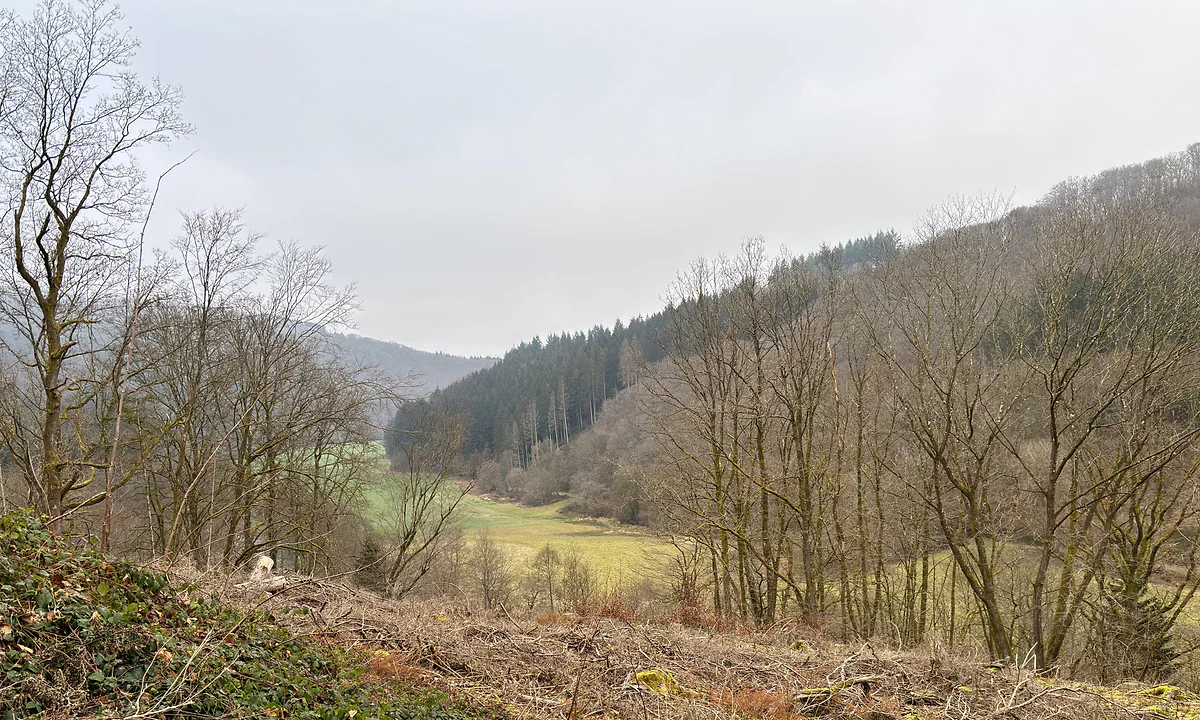
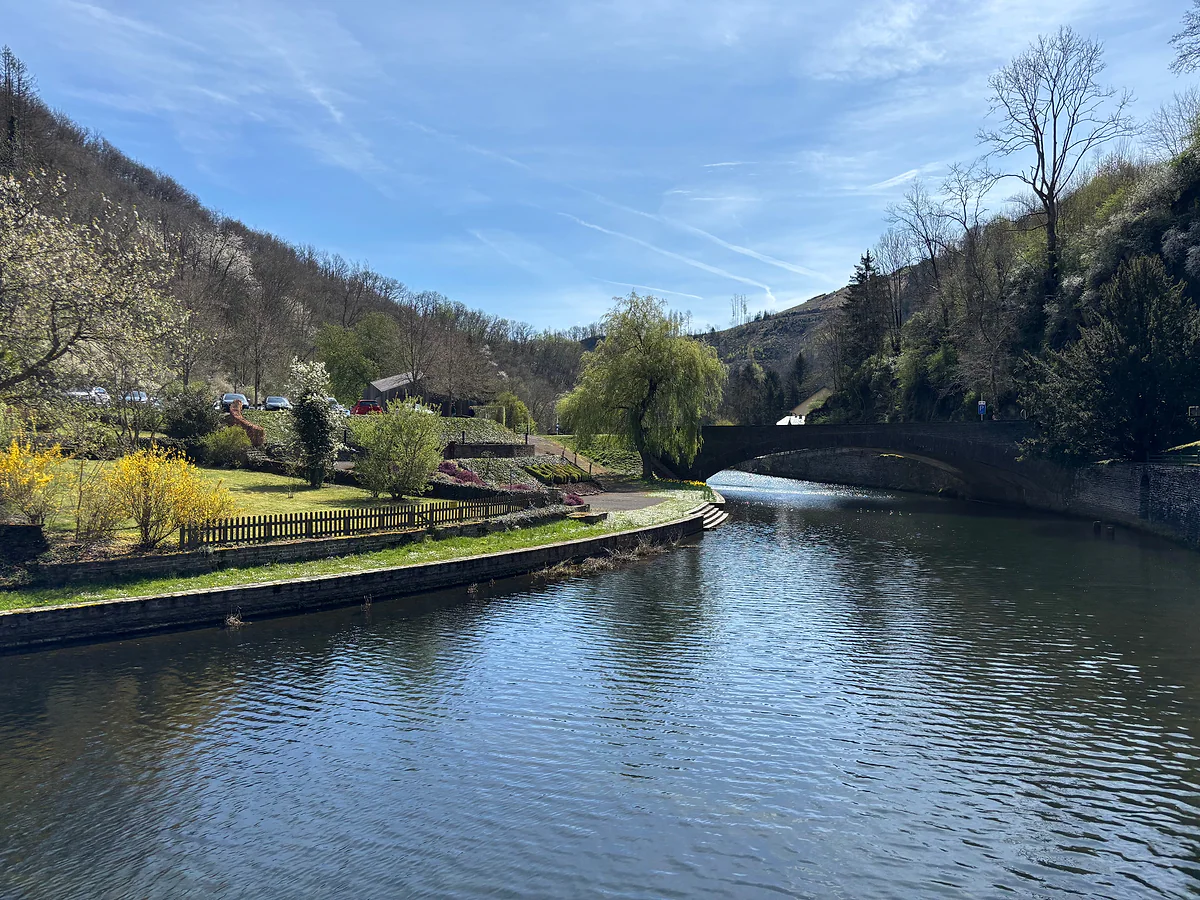
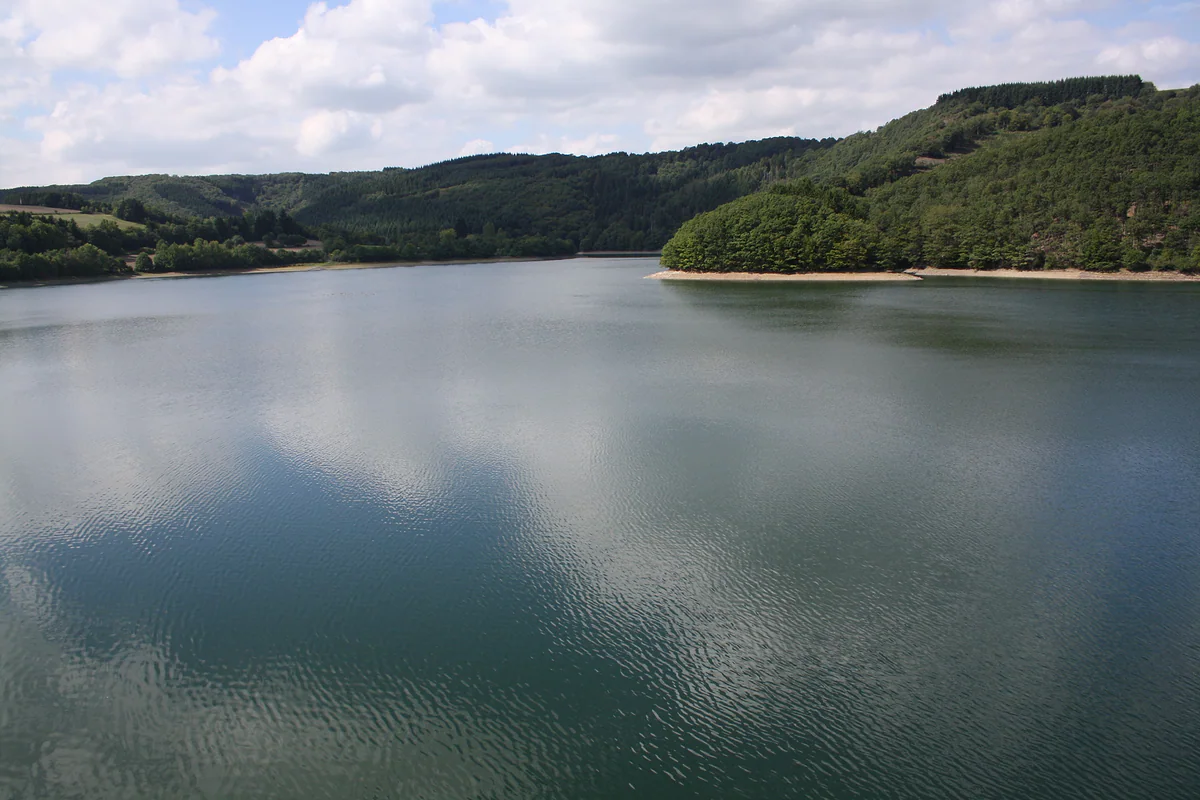
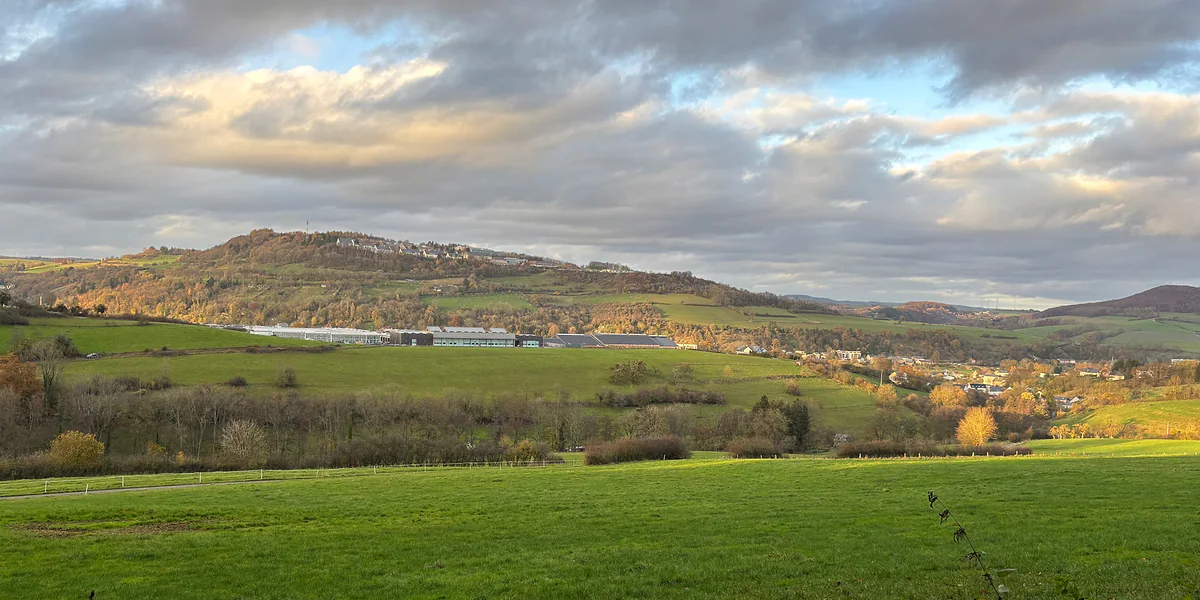
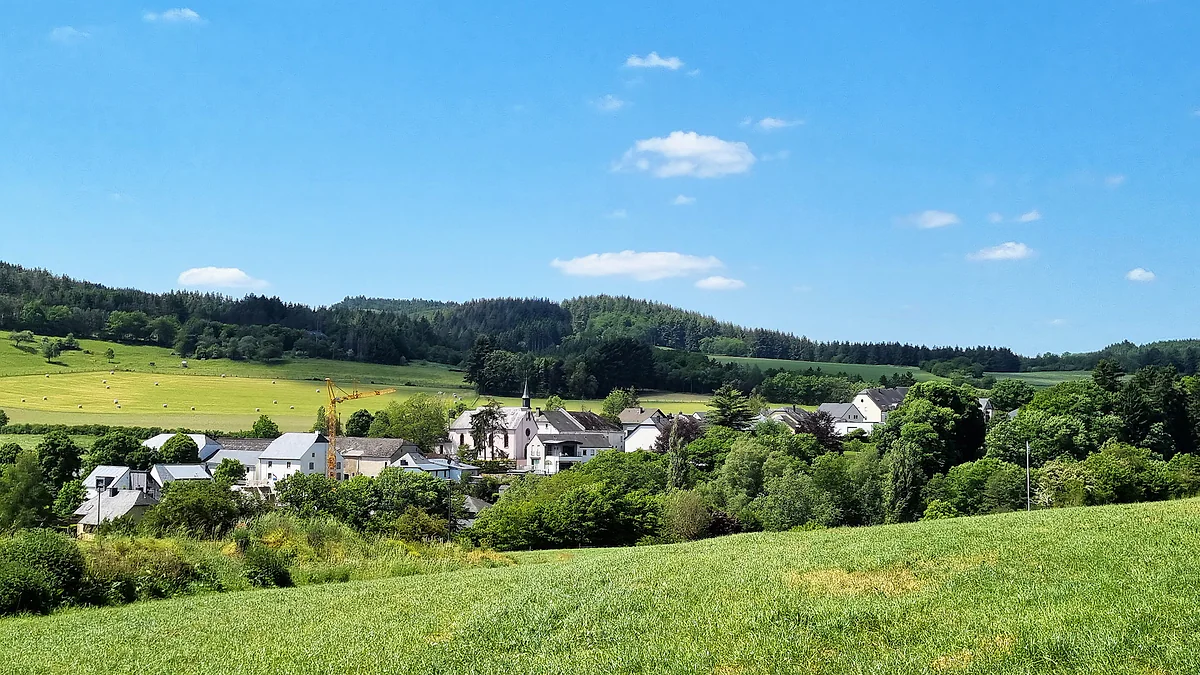
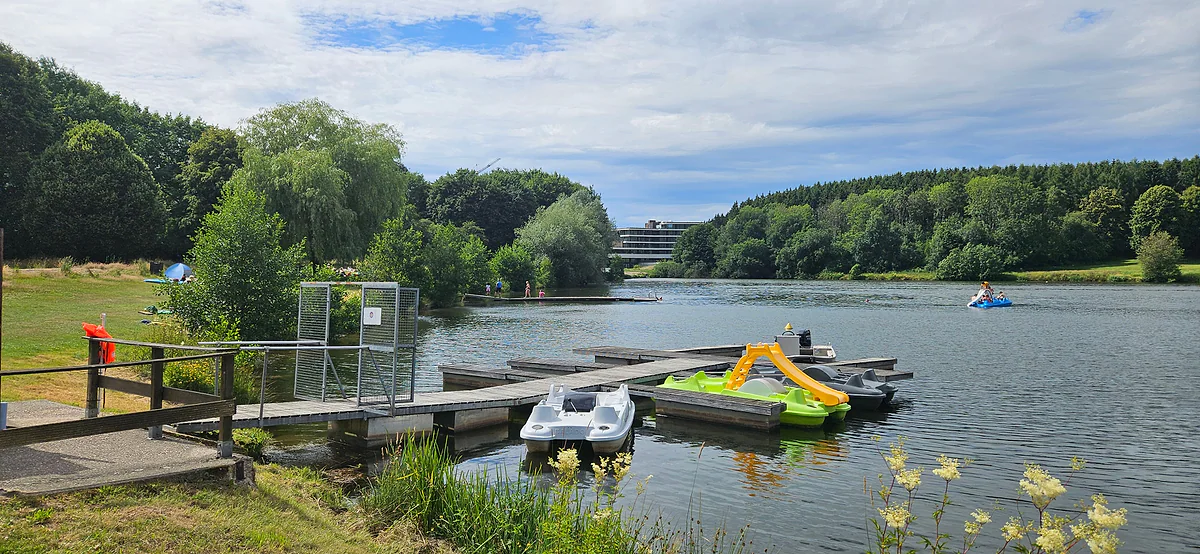
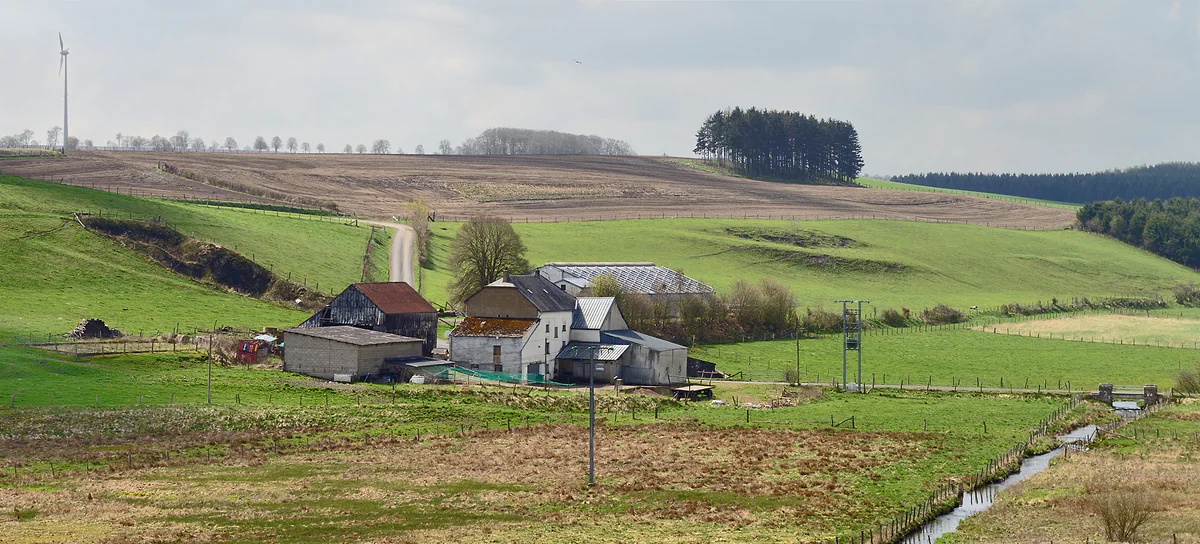
The landscape is a high plateau sliced by narrow valleys. In the north and east lies the Our Nature Park, 420 km², with the Our valley forming the border with Germany. In the south-west, the Naturpark Öewersauer, 200 km², is shaped by the Sûre and the Upper Sure Lake, the country’s largest. The 1961 dam holds back a 380-hectare reservoir that is the source of tap water for close to 70% of residents, according to the official portal, yet you can still swim in the approved areas from 1 May to 30 September, paddle a kayak from Lultzhausen or take a guided trip on a solar-powered boat. Several lakeside lawns double as bathing spots, reached from the car parks or by the Stauséi-Navette shuttle, and a few of them involve a walk of several minutes. The park around the lake, created in 2005, is home to about 15,500 people across five communes.
In the far north, in the commune of Troisvierges, is the Kneiff, at 560 metres the highest point in Luxembourg. STATEC places it at Wilwerdange, with the Buurgplaatz, one metre lower, at Huldange.
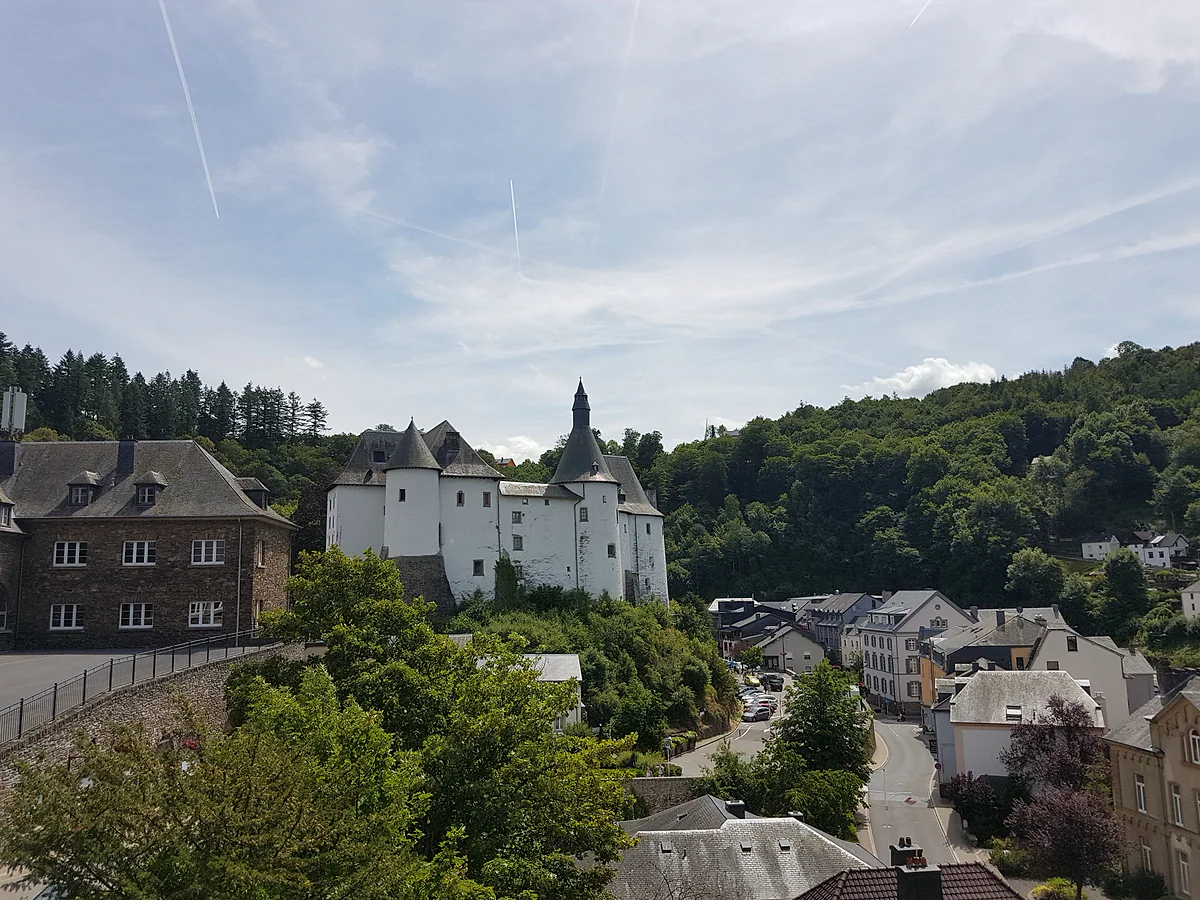
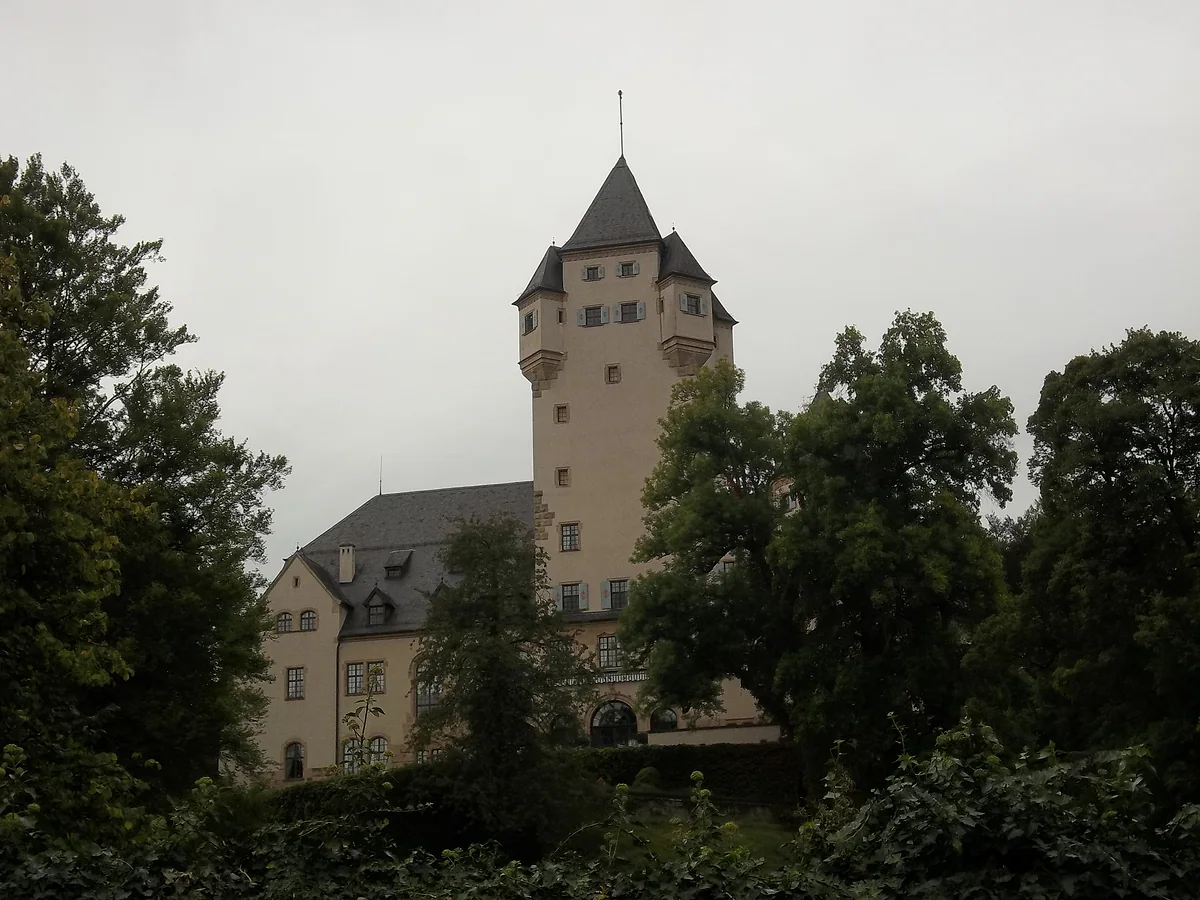
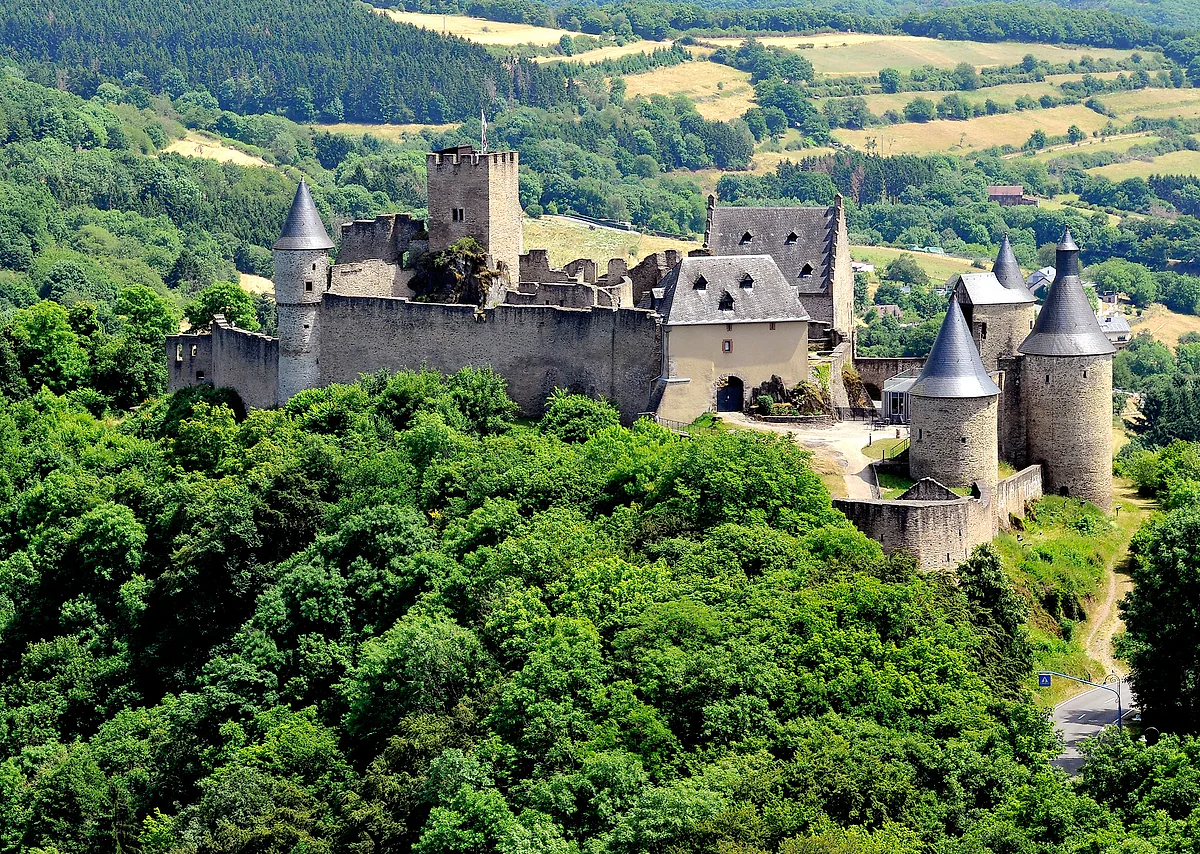
The Éislek is big-castle country. Vianden is the best known, fully restored since it passed to the state in 1977. Clervaux keeps The Family of Man in its castle, inscribed by UNESCO in 2003. Bourscheid, the biggest of the lot according to the government, looks down on the Sûre with its eleven towers. And Wiltz castle hosts a festival every summer in its amphitheatre, as well as a brewing museum and a battle museum. Alongside them are free-to-roam ruins such as Brandenbourg and Esch-sur-Sûre.
Walking in the Éislek
The official portal mentions more than 200 clearly waymarked trails, so there’s something for every level. For serious walkers there’s the Escapardenne trail, 159 km in all. The Éislek Trail, 106 km in five stages, runs from Kautenbach to La Roche-en-Ardenne in Belgium, with about 50 km in Luxembourg. The Lee Trail, about 55 km in three stages, links Ettelbruck with Kautenbach and climbs some 2,000 metres in total. Both call for hiking experience.
For something shorter, the 8.5 km Ourdall between Vianden and Stolzembourg is the one I’d do first.
In the last months of the war, the Battle of the Bulge ravaged the north of the country. The German offensive began on 16 December 1944, with fighting in Wiltz, Clervaux, Diekirch, Ettelbruck and other towns, until Patton’s army retook the area by the end of January 1945. Today there are museums in Clervaux, Wiltz, Diekirch and Ettelbruck, and paths such as the Schumannseck near Nothum, 2.8 km and about two hours among the remains of shelters. The full context is in the guide to the Battle of the Bulge in Luxembourg.
Getting around and where to stay
Line 10 trains cross the region from the capital, calling at Mersch, Ettelbruck, Diekirch, Wiltz and Troisvierges before reaching Gouvy, with second class free inside the country. Engineering work means buses stand in between Ettelbruck, Wiltz, Kautenbach and Gouvy over the October 2026 weekends of the 10th-11th and 17th-18th. Diekirch also hosts the annual International March of Diekirch, with routes of up to 40 km a day.
For beds, STATEC counted 34 hotels and 37 campsites in its Ardennes tourist region in 2025, with an average hotel stay of 1.80 nights. That’s too short for my liking. If you can, give the north at least two nights, split between the hotels in Vianden and those in Clervaux.
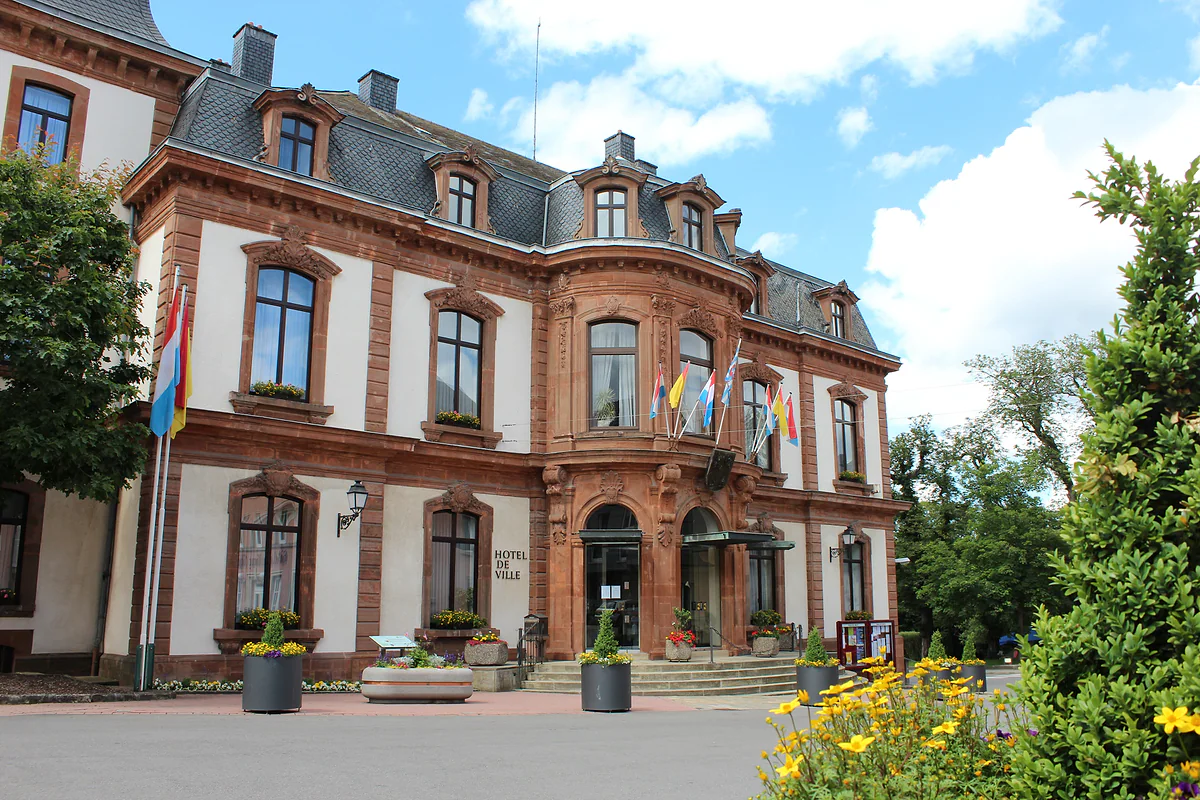
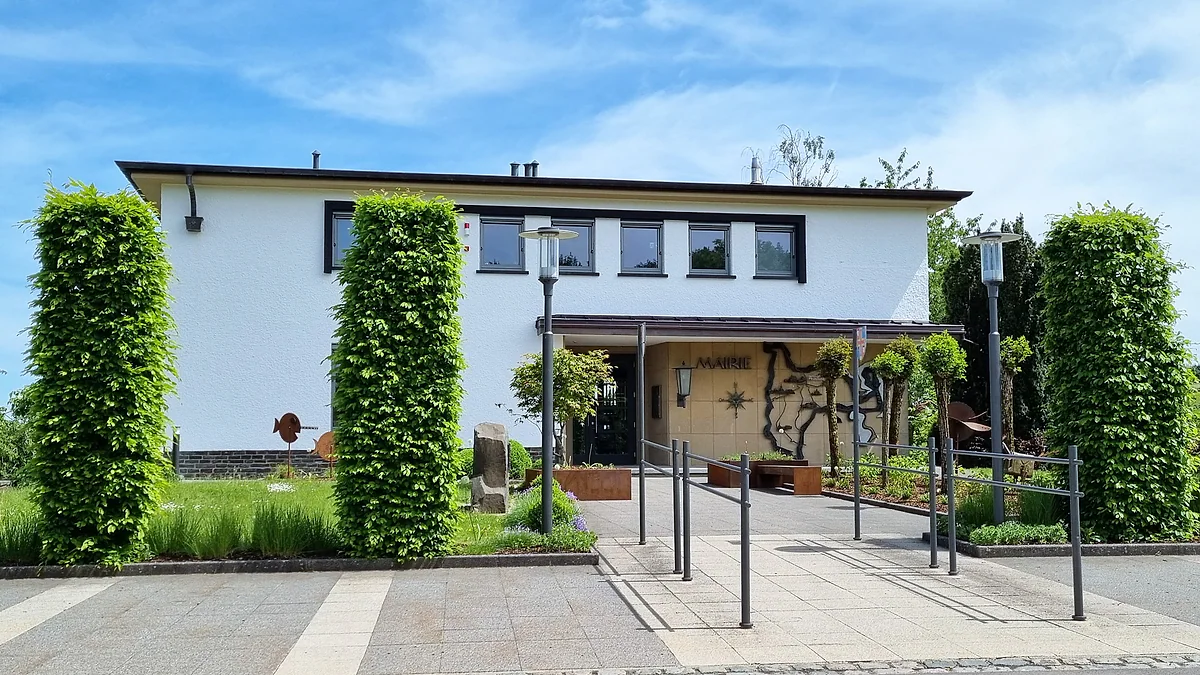
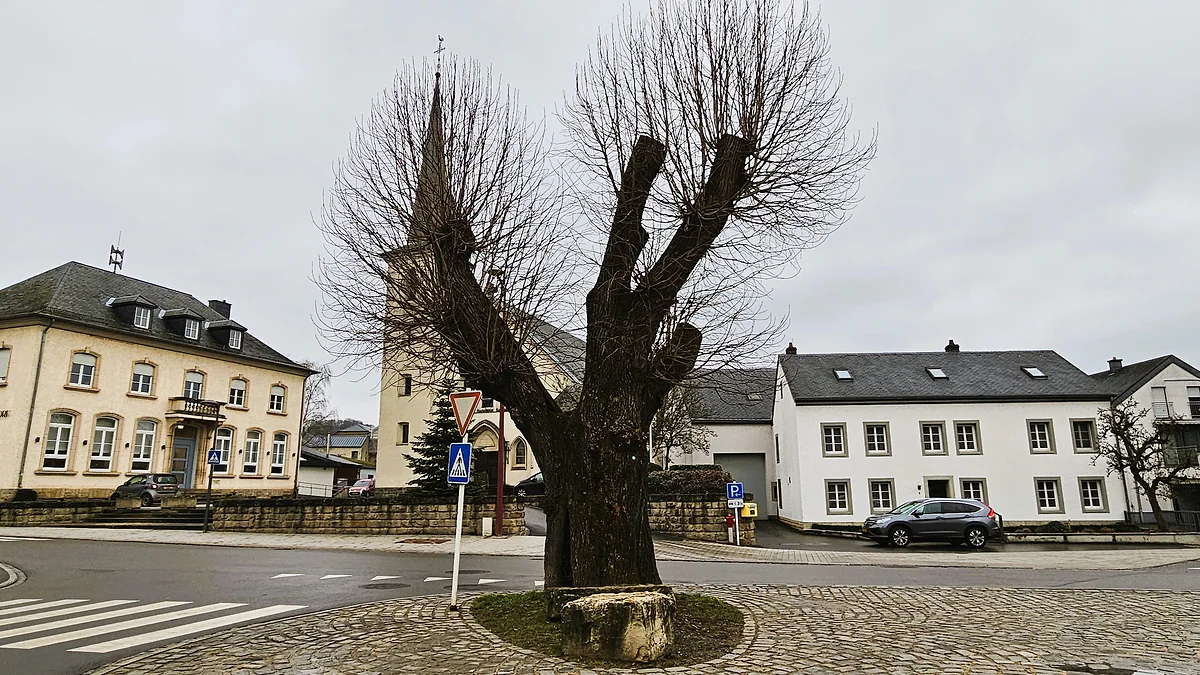
Boulaide, Esch-sur-Sûre, Lac de la Haute-Sûre, Wiltz, Winseler (Goesdorf joining)
Luxembourg.public.lu. Visit Éislek doesn't publish a list of the region's communes; visitluxembourg also places Diekirch, Ettelbruck, Bourscheid and Colmar-Berg in the Éislek.
Staying in the Ardennes (STATEC, 2025)
Type
Establishments
Bed places
Hotels and similar
34
2,293
Campsites
37
16,473
Average hotel stay
1.80 nights
STATEC's Ardennes tourist region, which doesn't publish the communes it includes.
Test yourself
True or false?
0/3Pick before you peek.
The Éislek covers more than half of Luxembourg.
See the answer
False. It's 828 km² out of 2,586, or 32%. The rest of the country is the Gutland to the south.
Luxembourg's largest lake is in the Éislek.
See the answer
True. It's the Upper Sûre lake, formed by the dam at Esch-sur-Sûre, in the nature park of the same name.
The Éislek has just one long-distance trail.
See the answer
False. It has the Escapardenne, made up of the Éislek Trail and the Lee Trail, plus more than 200 waymarked paths according to the official portal.
They're the Éislek, northern Luxembourg, the part of the Ardennes massif inside the country. It covers 828 km², 32% of Luxembourg, and is defined by a high plateau cut by narrow valleys.
What is there to see in the Luxembourg Ardennes?
The castles of Vianden, Clervaux, Bourscheid and Wiltz, The Family of Man, the Upper Sûre lake, the Our valley and the Battle of the Bulge sites, plus trails such as the Escapardenne.
How do you get to the Luxembourg Ardennes without a car?
By train on CFL line 10, running from the capital to Ettelbruck, Wiltz, Clervaux and Troisvierges, free in second class. Vianden is reached by bus from Diekirch.
Where should I stay in the Luxembourg Ardennes?
Vianden and Clervaux each had seven hotels in 2025, according to STATEC. The whole Ardennes tourist region had 34 hotels and 37 campsites.
What's the highest point in the Luxembourg Ardennes?
The Kneiff, at 560 metres, in Wilwerdange in the commune of Troisvierges. It's also the country's highest point; the Buurgplaatz, in the same commune, reaches 559.
What happened in the Luxembourg Ardennes in the Second World War?
The German offensive known as the Battle of the Bulge began there on 16 December 1944. There was fighting in Wiltz, Clervaux, Diekirch, Ettelbruck and other towns, and by the end of January 1945 Patton's army had retaken the area.
Tourism graduate with a master’s in Tourism Management and Planning from the University of Málaga, who has travelled across Europe. He writes every guide from official sources and his own judgement.