Diekirch, the Battle of the Bulge in dioramas
The National Museum of Military History, Diekirch
The National Museum of Military History (MNHM) in Diekirch tells the story of the 1944-45 Battle of the Bulge from the American, German and civilian points of view, with 50 life-size dioramas, around 50 vehicles and more than 100,000 objects. It opens Tuesday to Sunday from 10:00 to 18:00; entry is €5, or free with the LuxembourgPass.
In 30 seconds
Full read: 3 min
- The MNHM in Diekirch tells the Battle of the Bulge through 50 life-size dioramas.
- Open Tuesday to Sunday, 10:00-18:00; closed Mondays, 1 Jan, 25 Dec and Carnival Sunday.
- Entry is €5, free with the LuxembourgPass and for under-10s.
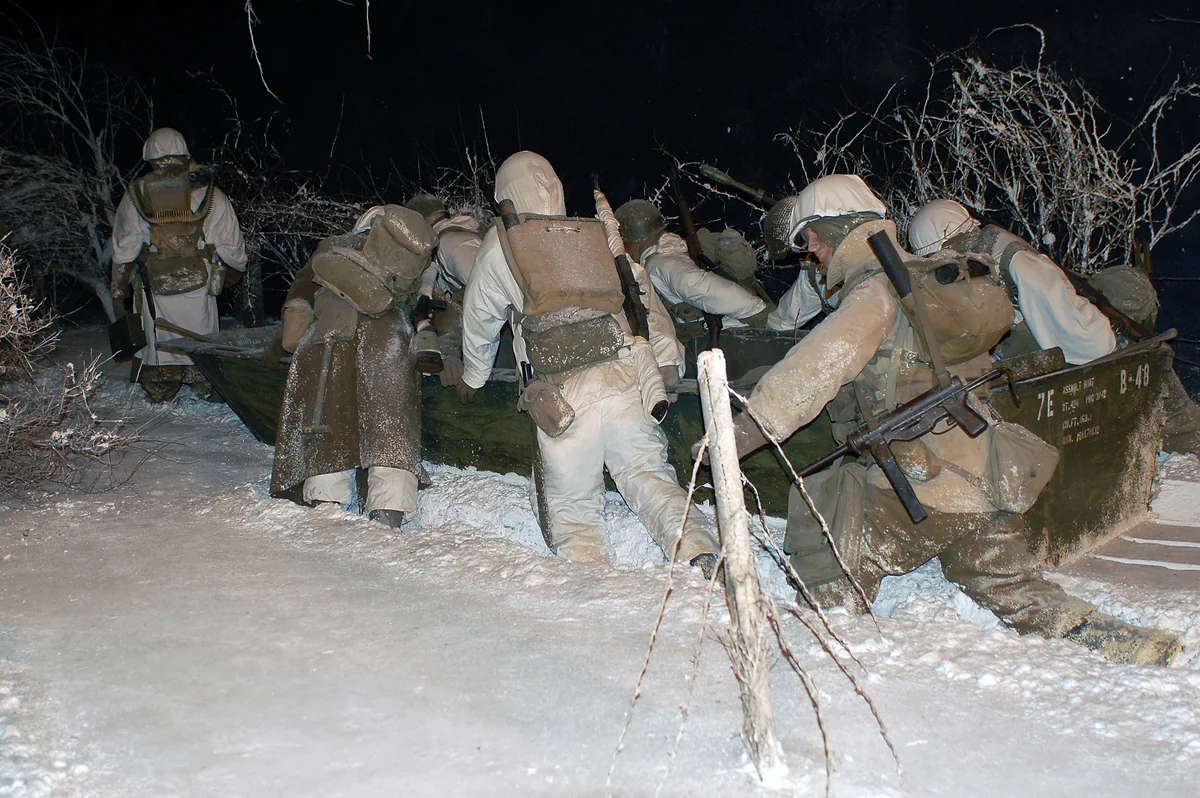
- The centrepiece is the crossing of the Sûre at Diekirch on 18 January 1945.
If you only have time for one war museum in Luxembourg, make it this one. I'd allow a good two hours and start with the night crossing of the Sûre, the scene that best explains what happened here.

Before you go
What I would keep in mind
-
01 Most beautiful
The night crossing of the Sûre
The museum calls its centrepiece the detailed mock-up of the night crossing of the Sûre at Diekirch on 18 January 1945 by units of the US 5th Infantry Division.
-
02 To save money
Free with the LuxembourgPass
The €5 ticket is covered by the LuxembourgPass. Under-10s and visitors with special needs get in free anyway.
LuxembourgPass -
03 My tip
Closed on Carnival Sunday
As well as Mondays, the museum closes on 1 January, 25 December and Carnival Sunday, which is also the day of the Diekirch Cavalcade.
Diekirch -
04 Getting there
The Patton museum is on the same line
The General Patton Memorial Museum is in Ettelbruck, on the same railway line. You can do both in a day, with Patton in the afternoon since it closes at 17:00.
General Patton museum in Ettelbruck
The MNHM, or National Museum of Military History, was started in Diekirch in 1982 by a handful of enthusiasts and volunteers. Today, according to its own website, it covers more than 3,000 m² and has an international reputation for exactly what it set out to do, telling the story of the 1944-45 Battle of the Bulge without black-and-white simplifications, from the American side, the German side and that of the civilians caught in between.
Why Diekirch, and why this museum
The Ardennes offensive destroyed much of the centre of Diekirch, visitluxembourg notes, and it’s also a garrison town, with the Härebierg barracks at the heart of the Luxembourg army since 1955. It makes sense for the national war museum to be here. It was built up in close cooperation with hundreds of veterans from both sides and countless civilian witnesses, and you can see it in the personal belongings, letters, photos and maps displayed alongside the heavy kit.
What wins me over is the approach. It isn’t a museum of trophies, it’s a museum of people, soldiers and local families who spent one of the harshest winters of the war on the front line.
The dioramas, the reason to go
There are 50 life-size dioramas, tens of thousands of exhibits and around 50 vehicles from both sides, wheeled and tracked. visitluxembourg puts the collection at more than 100,000 military objects. The dioramas recreate soldiers’ daily lives and the fighting around the town.
The centrepiece, the museum says, is the detailed mock-up of the night crossing of the Sûre at Diekirch on 18 January 1945 by units of the US 5th Infantry Division. I’d start there, because it places everything else on the map of the town you’ve just walked through.
To sleep close to everything, search places to stay in Diekirch on Booking.com and filter by area before price.
Beyond the battle
A large part of the museum covers the Luxembourg army, from the Volunteer Company, which existed from 1881 to 1944, to the post-war army and its UN peacekeeping missions. There are rooms on Luxembourgers who fought in Allied armies in both world wars and in Korea, where, according to the museum, 85 volunteers served within the Belgian contingent of the United Nations Command. One diorama shows a bunker on White Horse Hill, near Chorwon, in 1952-53.
British visitors may linger over one piece in particular. After the grand-ducal family fled the German invasion in May 1940, Prince Jean joined the British Army and trained at Sandhurst, and the museum displays the uniform he wore with the Irish Guards during the liberation of the Grand Duchy in September 1944. Next to it is a revolver with an engraved crown, a gift from Luxembourg volunteers in the Allied armies when he was commissioned as a lieutenant in July 1943. The collection reaches back to the First World War too, with a German Pickelhaube of boiled and lacquered leather.
The museum also makes a point that may surprise you. Luxembourg’s present-day army is not even 75 years old, founded as the Second World War ended, yet the country’s military story reaches back to the early 19th century, and Diekirch, as a traditional garrison town, is where that story is told.
Hours, prices and getting there
The museum is open Tuesday to Sunday, 10:00 till 18:00, and closed on Mondays and on New Year’s Day, Carnival Sunday and Christmas Day. An adult ticket is €5, and €3 if you’re 10 to 18 or have a student card. Under-10s and visitors with special needs go free, and groups of ten or more pay €3 each. With the LuxembourgPass it’s free. Dogs on a lead are allowed, there’s an audio guide to hire and guided group tours are booked separately.
Take the train to Diekirch on CFL line 10; the museum is at 10 rue Bamertal.
To sleep close to everything, search places to stay in Diekirch on Expedia and filter by area before price.
Building a Battle of the Bulge day
The museum’s visit page suggests two nearby trails with traces of the war, the historic trail between Bettendorf and Reisdorf, remembering how the battle began in 1944, and the Schumann’s Eck memorial trail near Wiltz, scene of some of the bloodiest fighting of the offensive.
I’d do Diekirch in the morning and the Patton museum in Ettelbruck in the afternoon, as it closes at 17:00. With another day, the American cemetery at Hamm, where Patton is buried, completes the picture. For the wider context, read up on the Battle of the Bulge in Luxembourg. Finally, if you enjoy walking, look at the International March of Diekirch, which began in 1968 with army roots.
If you are short on time, see the best tours in Military History Museum and pick one that fits your day.
Where the bus does not go, a car does: compare car hire in Luxembourg before you arrive rather than at the desk.
If you still need a way in, check the best ticket deals to Luxembourg from where you are.
Prices
| Ticket | Price |
|---|---|
| Adults | €5 |
| Ages 10 to 18 | €3 |
| Students with ID | €3 |
| Under 10 | Free |
| Visitors with special needs | Free |
| Groups of 10 or more | €3 per person |
mnhm.net, checked on 30 September 2026. Guided group tours are booked separately and charged on top of entry. Free with the LuxembourgPass.
What's inside
| Section | Contents |
|---|---|
| Battle of the Bulge | Life-size dioramas, weapons, uniforms, wheeled and tracked vehicles, personal effects, photos and maps |
| Luxembourg army | From the Volunteer Company (1881-1944) to the post-war army and UN missions |
| Korean War | Bunker diorama at White Horse Hill; 85 Luxembourg volunteers |
| Collection | Prince Jean's Irish Guards uniform and other pieces |
Museum website (mnhm.net).
Test yourself
True or false?
0/3 Pick before you peek.
-
The museum tells the battle only from the American side.
See the answer
False. Its stated aim is a balanced account from the American, German and civilian points of view.
-
Luxembourg sent volunteers to the Korean War.
See the answer
True. According to the museum, 85 Luxembourgers fought in Korea as part of the Belgian contingent of the United Nations Command.
-
The museum is open every day of the year.
See the answer
False. It closes on Mondays, 1 January, 25 December and Carnival Sunday.
- Life-size dioramas
- 50
- Military objects in the collection
- 100,000
- Year volunteers started the museum
- 1982
- Luxembourg volunteers in Korea
- 85
Map
Where Military History Museum is
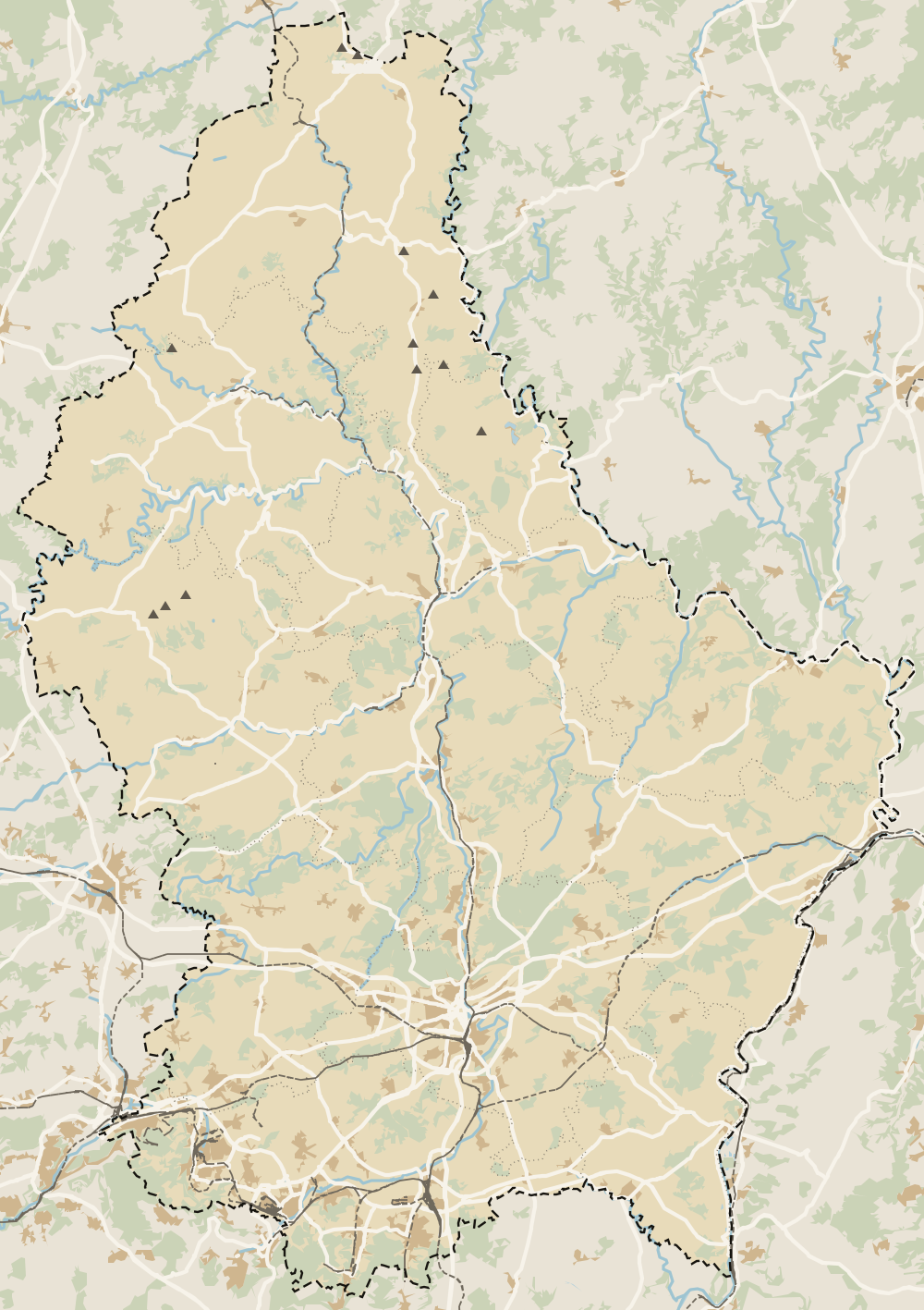
The thick dashed line is the border with Belgium, France and Germany, and the fine ones divide the twelve cantons. The Éislek lies to the north and the Moselle to the east. Every number opens its guide.
0 of 425 Luxembourg guides
Your next stamp
- Diekirch
- Battle of the Bulge
- Wiltz Castle
- Clervaux Castle
- International March of Diekirch
- Natur Musée
- National Resistance Museum
- A Possen Museum
- American Cemetery
- Ansembourg
- Ansembourg Castles
- Asselborn
- Bascharage
- Beaufort castles
- Belval
- Belval blast furnaces
- Berg Castle
- Bernard-Massard cellars
- Bourglinster Castle
- Bourscheid Castle
- Brandenbourg
- Brandenbourg Castle
- Caves St Martin
- Christmas
- Echternach
- Echternach Abbey
- Ehnen
- Ehnen Wine Museum
- Esch-sur-Alzette
- Esch-sur-Sûre Castle
- European Museum Schengen
- Fond-de-Gras
- General Patton Museum
- German war cemetery
- Haff Réimech
- Hohllay
- Hollenfels Castle
- Hosingen
- Kautenbach
- Kneiff
- Koerich Castle
- Larochette Castle
- Lasauvage
- Mersch Castle
- Moersdorf
- Mondorf Domaine Thermal
- Munsbach Castle
- National Mining Museum
- Parc Merveilleux
- Park Sënnesräich
- Places to visit
- Remich
- Rindschleiden
- Schiessentümpel
- Septfontaines Castle
- Slate Museum
- Stolzembourg
- Tudor Museum
- Useldange Castle
- Valley of the Seven Castles
- Vianden
- Vianden Castle
- Ville Haute
- Wasserbillig Aquarium
- Weiswampach lakes
- Ahn
- Berdorf
- Bourscheid-Plage
- Butterfly garden
- Clervaux
- Differdange
- Echternach lake
- Grevenmacher
- Heringer Millen
- Hollenfels
- Luxembourg City
- Luxembourg Science Center
- Meysembourg Castle
- Mullerthal
- National Day
- Perekop
- Remerschen
- Schoenfels Castle
- The Family of Man
- Things to do
- Upper Sûre Lake
- Vianden chairlift
- Wasserbillig
- Clervaux Abbey
- Echternach Roman villa
- Éislek
- Insenborn
- Kallektuffquell
- Machtum
- Most beautiful places
- Our Nature Park
- Pétange
- Pettingen Castle
- Schueberfouer
- Schwebsingen
- Victor Hugo House
- Waldbillig
- Dudelange
- Kuelscheier
- Lultzhausen
- Moselle Valley
- Octave
- Prettiest villages
- Sanem
- Schengen
- Wellenstein
- Wiltz
- Wolfsschlucht
- Beaufort
- Bech-Kleinmacher
- Éimaischen
- Gaalgebierg
- Guttland
- Marnach
- Mondorf-les-Bains
- Putscheid
- Schifflange
- UNESCO World Heritage
- Carnival
- Consdorf
- Ellergronn
- Käerjeng
- Kayl
- Map
- Minett
- Munshausen
- Tandel
- Bech
- Buergbrennen
- Esch-sur-Sûre
- Rumelange
- Where is Luxembourg
- Is it a country?
- Lac de la Haute-Sûre (commune)
- Rosport-Mompach
- Wormeldange
- Larochette
- Mondercange
- Regions
- Bettembourg
- Bock Casemates
- Cantons
- Dancing procession
- Fischbach
- Garnich
- Mersch
- Moselle wine route
- Ettelbruck
- Grund
- Heffingen
- Kehlen
- Lintgen
- Moselle river cruises
- Pétrusse Casemates
- Towns and villages
- Chemin de la Corniche
- Erpeldange-sur-Sûre
- Junglinster
- Kopstal
- Lorentzweiler
- Nommern
- Pfaffenthal
- Population
- Bissen
- Clausen
- Grand Ducal Palace
- Koerich
- Schieren
- Size
- Vallée de l'Ernz
- Feulen
- Kirchberg
- Languages
- Notre-Dame Cathedral
- Reisdorf
- Steinfort
- Bettendorf
- Habscht
- St Michael's Church
- Helperknapp
- Luxembourgish
- Place Guillaume II
- Name
- Place d'Armes
- History
- Place de la Constitution
- Grand Duke
- Colmar-Berg
- Flaxweiler
- Gare
- Hamm
- Kirchberg funicular
- Luxembourg fortress
- Mamer
- Mertert
- Minett Trail
- Mullerthal Trail
- Neumünster Abbey
- Parc Hosingen
- Pfaffenthal lift
- Political system
- Redange
- The Passerelle
- Wine festivals
- Winseler
- Beckerich
- Biwer
- EU institutions
- Goesdorf
- Limpertsberg
- Mudam
- Pulvermühl
- Stadtbredimus
- Troisvierges
- Wenzel walk
- Bonnevoie
- Bous-Waldbredimus
- Ell
- Flag
- Kiischpelt
- Manternach
- Philharmonie
- Vauban circuit
- Weiswampach
- Betzdorf
- Boulaide
- Dräi Eechelen Museum
- Facts
- Hollerich
- Lenningen
- Useldange
- Wincrange
- Bourscheid
- Dalheim
- Gasperich
- Public holidays
- Red Bridge
- Saeul
- Belair
- Second World War
- Vichten
- Merl
- Préizerdaul
- Cents
- EU and Schengen
- Groussbus-Wal
- Entry requirements
- Neudorf
- Rambrouch
- Currency and payments
- Mertzig
- Weimerskirch
- Adolphe Bridge
- Beggen
- Escapardenne
- How to get there
- MNHA (National Museum)
- Rock climbing
- Sandweiler
- Bridges
- Eich
- Flights
- Golf
- Hesperange
- Lëtzebuerg City Museum
- Canoeing and kayaking
- Dommeldange
- Luxembourg airport
- Strassen
- Villa Vauban
- Airport to city centre
- Bertrange
- Casino Luxembourg
- Mühlenbach
- Swimming pools
- From Brussels
- Pétrusse Valley
- Rollingergrund
- Walferdange
- Cessange
- Day trip from Brussels
- Municipal Park
- Steinsel
- Free walking tours
- From Paris
- Niederanven
- From Frankfurt
- Schuttrange
- Sightseeing train and bus
- By train
- Contern
- By coach
- Weiler-la-Tour
- Driving
- Luxembourg in one day
- Pretzel Sunday
- Rham Plateau
- Tour de Luxembourg
- Candlemas (Liichtmëssdag)
- Car hire
- Luxembourg in two days
- Saint-Esprit Plateau
- Luxembourg in three days
- Melusina statue
- Parking
- St Nicholas Day (Kleeschen)
- Fête de la Musique
- Luxembourg in four days
- Museums in Luxembourg
- Petrol
- Place de Clairefontaine
- A week in Luxembourg
- Getting around
- Luxembourg Marathon
- Tram and Bus Museum
- Free public transport
- Parks in Luxembourg City
- Road trip
- Belgium and Luxembourg
- Tram
- Buses
- Viewpoints
- Trains
- Luxembourg station
- Cycling
- LuxembourgPass
- Prices and budget
- On a budget
- Free things to do
- Mobile and roaming
- Healthcare
- Safety
- Scams
- Tourist information
- Packing list
- Swimming lakes
- With a dog
- Markets
- Tipping
- Shopping
- What to buy
- Shopping centres
- With kids
- For couples
- Playgrounds
- Adventure parks
- Nightlife
- Castles
- Theatres and concert venues
- Leudelange
- Nature parks
- Where to stay
- City-centre hotels
- Hiking
- Nature reserves
- Reckange-sur-Mess
- Hotels near the station
- Roeser
- Frisange
- Hotels in Kirchberg
- Airport hotels
- Dippach
- Hotels in Vianden
- Hotels in Echternach
- Hotels in Clervaux
- Hotels in Mondorf-les-Bains
- Hotels in Esch-sur-Alzette
- Hotels on the Moselle
- Mullerthal hotels
- Upper Sûre lake hotels
- Hotels in Diekirch and Ettelbruck
- Cheap hotels
- Luxury hotels
- Boutique hotels
- Spa hotels
- Family hotels
- Apartments
- Weather
- Youth hostels
- Best time to visit
- Campsites
- Holiday cottages
- In winter
- Castle hotels
- In spring
- Day trips
- In summer
- Around Luxembourg
- In autumn
- Ice skating
- Trier day trip
- Metz day trip
- Arlon day trip
- In January
- In February
- In March
- In April
- In May
- In June
- In July
- In August
- In September
- Food
- In October
- In November
- Where to eat
- In December
- Michelin restaurants
- Cheap eats
- Judd mat Gaardebounen
- Bouneschlupp
- Gromperekichelcher
- Kniddelen
- Quetschentaart
- Rieslingspaschtéit
- Events
- Wine
- Crémant
- Beer
Frequently asked questions
What are the opening hours of the Diekirch military museum?
Tuesday to Sunday, 10:00 to 18:00. It closes on Mondays, 1 January, Carnival Sunday and 25 December.
How much is entry?
€5 for adults and €3 for ages 10 to 18 and students with ID. Under-10s go free, and everyone gets in free with the LuxembourgPass.
How long do I need?
The museum doesn't give a visit time. Given its size, over 3,000 m² and 50 dioramas, I'd allow at least two hours if you read the panels.
Can I bring my dog?
Yes, the museum's website says dogs on a lead are welcome.
How do I get there from Luxembourg City?
Take CFL line 10 to Diekirch; second class is free. The museum is at 10 rue Bamertal, in town.
Is there a British connection?
Among the museum's highlights is the uniform Prince Jean of Luxembourg wore with the Irish Guards during the liberation in September 1944. He had trained as an officer at Sandhurst.
By
Tourism graduate with a master’s in Tourism Management and Planning from the University of Málaga, who has travelled across Europe. He writes every guide from official sources and his own judgement.
Published on . Facts checked on .
Sources
Some links in this guide are affiliate links: if you book through them, the site earns a commission at no extra cost to you. Affiliate disclosure
Photos: U.S. Air Force photo by Iris Reiff (Public domain), via Wikimedia Commons.