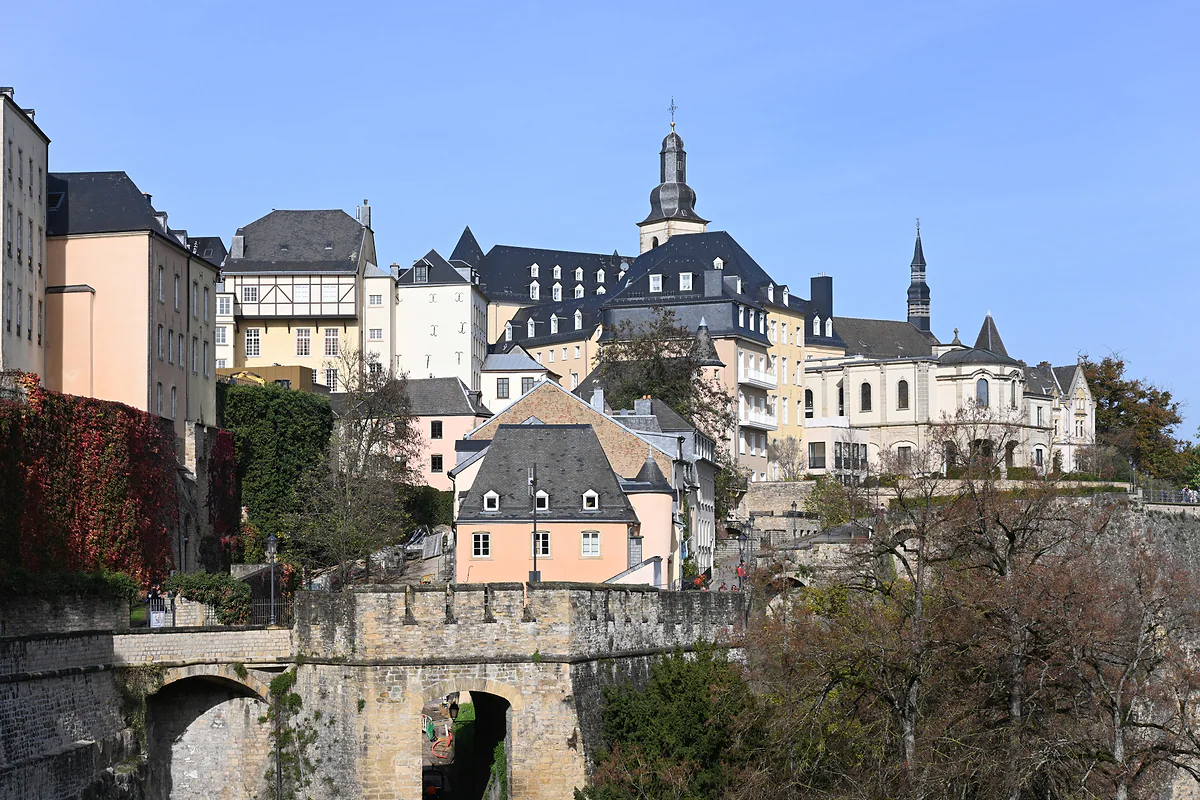
One World Heritage site and several more labels
Luxembourg and UNESCO, label by label
Luxembourg has just one World Heritage site in the strict sense, the capital's old quarters and fortifications, listed in 1994. On top of that, The Family of Man at Clervaux has been on the Memory of the World register since 2003, the Echternach dancing procession has been intangible heritage since 2010, the Minett a biosphere reserve since 2020 and the Mëllerdall a geopark since 2022.
I wouldn't get hung up on the tally, because every website counts the labels differently. What I would do is see the three you can actually visit, the old town, The Family of Man and the geopark rocks, and if the dates line up, get to Echternach on Whit Tuesday.

Before you go
What I would keep in mind
-
01 Most beautiful
A fortress UNESCO has protected since 1994
The site listed as the City of Luxembourg, its Old Quarters and Fortifications, covers 29.94 hectares, plus a 108.73-hectare buffer zone. UNESCO notes it was one of Europe's greatest fortified sites until the walls came down in 1867.
Luxembourg fortress -
02 To save money
The Family of Man is free up to age 21
Full price is €6 and the reduced rate €4. It opens from 18 March 2026 to 1 January 2027, Wednesday to Sunday from 12:00 to 18:00, inside Clervaux Castle.
The Family of Man in Clervaux -
03 My tip
The procession falls on Whit Tuesday
Echternach's dancing procession takes place every year on the Tuesday after Whitsun, with around 8,000 dancers. I haven't seen the 2027 date published yet, so I wouldn't build a trip round it until it is.
Echternach dancing procession
What I would book
- Places to stayBooking.com Sleep inside the World Heritage site Staying in or next to the upper town puts the Corniche and the Bock on your doorstep first thing, before the groups.
- Places to stayBooking.com Clervaux, for The Family of Man The exhibition opens from 12:00 to 18:00, so staying over lets you walk in the morning and see the castle in the afternoon.
Few questions about Luxembourg get as many different answers as this one. One website says five sites, another talks of ten treasures, and both have a point because they’re mixing different UNESCO lists. I’m going to pull them apart, because for a visitor a place you can walk round is not the same thing as a tradition you can only see one day a year.
One World Heritage site, and it’s the capital
On the World Heritage List, the one most people have in mind, Luxembourg has a single entry. It’s listed as the City of Luxembourg, its Old Quarters and Fortifications, and UNESCO inscribed it in 1994 under criterion (iv). The listing sums it up in one line. Because of its strategic position, the city was one of Europe’s greatest fortified sites from the 16th century until 1867, when its walls were dismantled.
The site covers 29.94 hectares, with another 108.73 of buffer zone around it. In practice, inside you’ve got the upper town with the Bock rock and the Corniche, and in the buffer zone the lower districts, the Grund, the Pfaffenthal and Clausen, plus the Plateau Bourbon by the station. It’s all walkable, and the detail is in Luxembourg fortress and Luxembourg old town. If you only go underground once, make it the casemates.
The Family of Man, Memory of the World in a castle
The second label comes from a different list, Memory of the World, which protects documents and archives. In Luxembourg’s case it’s a photography exhibition. The Family of Man brings together 503 images by 273 photographers from 68 countries and has been installed in Clervaux Castle, in the north, since 1994. It joined the register in 2003. In 2026 it opens from 18 March to 1 January 2027, Wednesday to Sunday from 12:00 to 18:00, for €6, and under-21s go free.
If you are staying the night, see the best hotel deals in Luxembourg for your dates: the well-placed rooms go fast.
Which Luxembourg traditions are intangible heritage?
The best known is the Echternach dancing procession, inscribed in 2010. It takes place every Whit Tuesday and has done since the late 15th century, and the official portal talks of about 8,000 dancers and some 10,000 pilgrims and spectators. I cover it properly in the Echternach dancing procession.
The intangible list has further entries. The musical art of hunting horn players went on in 2020; transhumance, midwifery and the traditional irrigation of meadows, known as Fléizen, in 2023; and dry stone walling in 2024. In 2026 another nomination is under way, for the Saint Barbara celebrations and mining traditions. None of this is a monument you can visit, but it helps you understand the country.
Nature with a UNESCO label
The last two recognitions are about landscape. The Minett, the old red-earth mining south, has been a biosphere reserve since 28 October 2020. It spans 11 communes, including Esch-sur-Alzette, Differdange and Dudelange, and 200 km² where almost a third of the population lives. I explain it in Minett Luxembourg.
The Natur- & Geopark Mëllerdall, in the Mullerthal, has been a UNESCO Global Geopark since April 2022. It covers 256 km² across 11 communes and has 22 geosites, rocks and formations picked out for their geological interest. This is the country of sandstone passages and the Schiessentümpel waterfall.
It helps to know what you’re visiting. visitluxembourg makes clear that the geopark isn’t a protected zone or a fenced park but a lived-in territory of about 25,500 people that looks after and explains its geological heritage. There’s no ticket office and no gate. To get your bearings before walking, I’d stop at its exhibition in Beaufort, at 6 rue de l’Auberge, which in the week of 29 September 2026 opened from 10am to 5pm with free entry. The rocks and trails themselves are in my guide to the Mullerthal region.
If you are staying the night, see the best hotel deals in Luxembourg for your dates: the well-placed rooms go fast.
Seeing them all in one trip
You can fit them into four days without a car. Day one, the capital on foot, from the Corniche down to the Grund. Day two, the train to Clervaux, bearing in mind The Family of Man is shut on Mondays and Tuesdays. Day three, the bus to Echternach to walk a stretch of the Mullerthal Trail through the geopark. Day four, the south, with the Belval blast furnaces or a stage of the Minett Trail, which crosses the reserve in 90 km and ten stages. The Echternach procession you’ll only catch if you travel at Whitsun.
So how many labels does Luxembourg have?
My honest answer is that it depends which lists you count. The government portal talks of «dix trésors labellisés» adding them all together, and the national tourist board says five sites. I’d stick to the distinction that matters to a traveller. One World Heritage site you can stroll, one exhibition you can visit, two natural areas you can hike, and a handful of traditions you experience on their day. The full list of places, scored, is in places to visit in Luxembourg.
So you do not lose the morning at the ticket office, browse tickets and tours in Luxembourg on GetYourGuide.
If you would rather go at your own pace, see the car hire deals in Luxembourg: the earlier you book, the more cars are left to choose from.
Before you fix your dates, compare tickets to Luxembourg: the same journey can cost very different amounts from one day to the next.
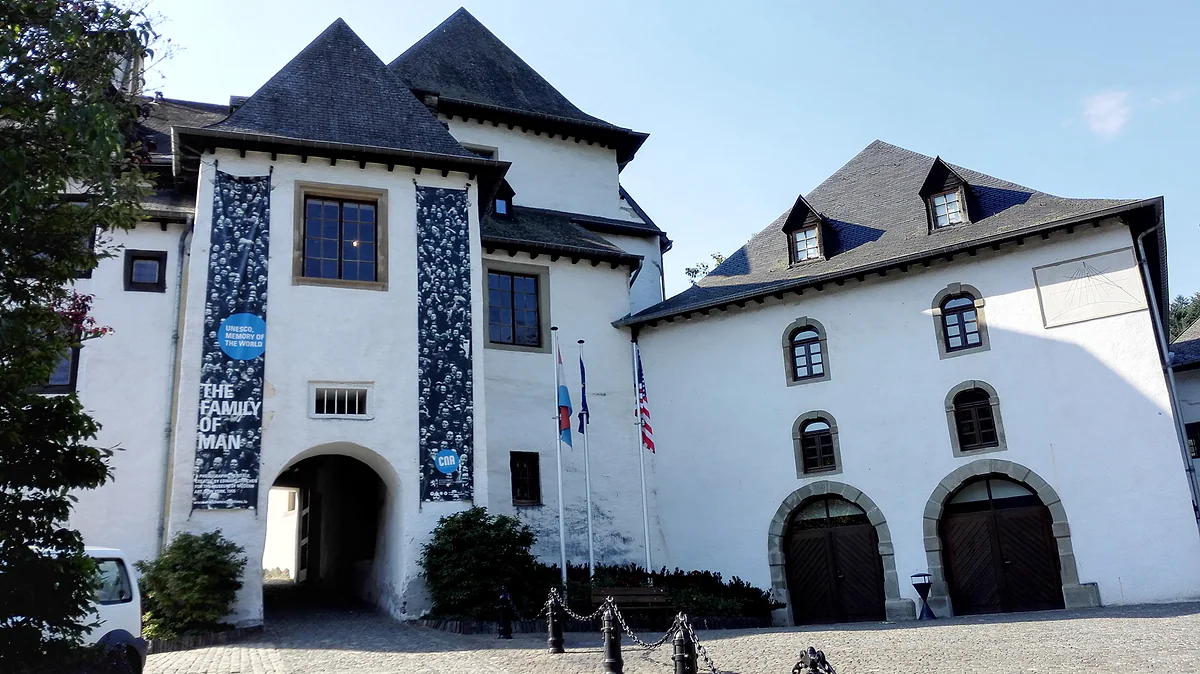
The entrance to Clervaux Castle, home of The Family of Man, with exhibition banners on the white façade
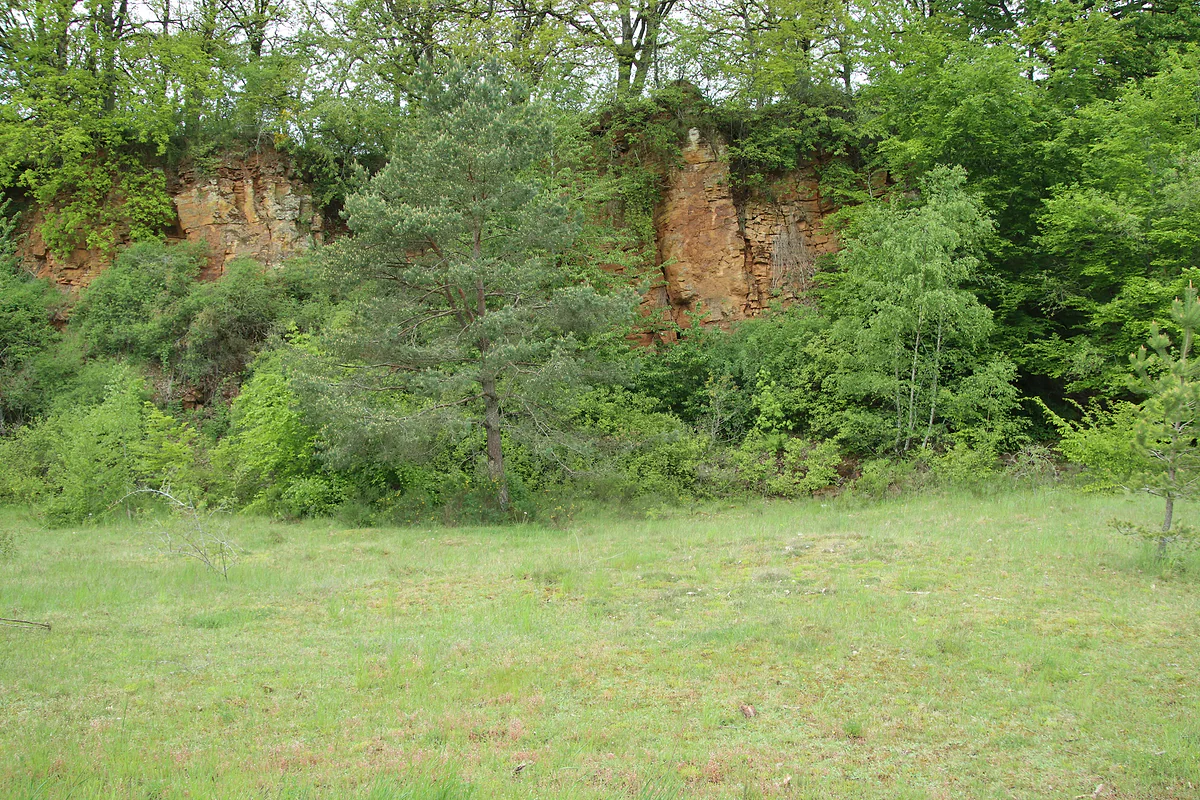
A reddish outcrop of minette ironstone in the Léiffrächen nature reserve at Kayl, among trees and grassland
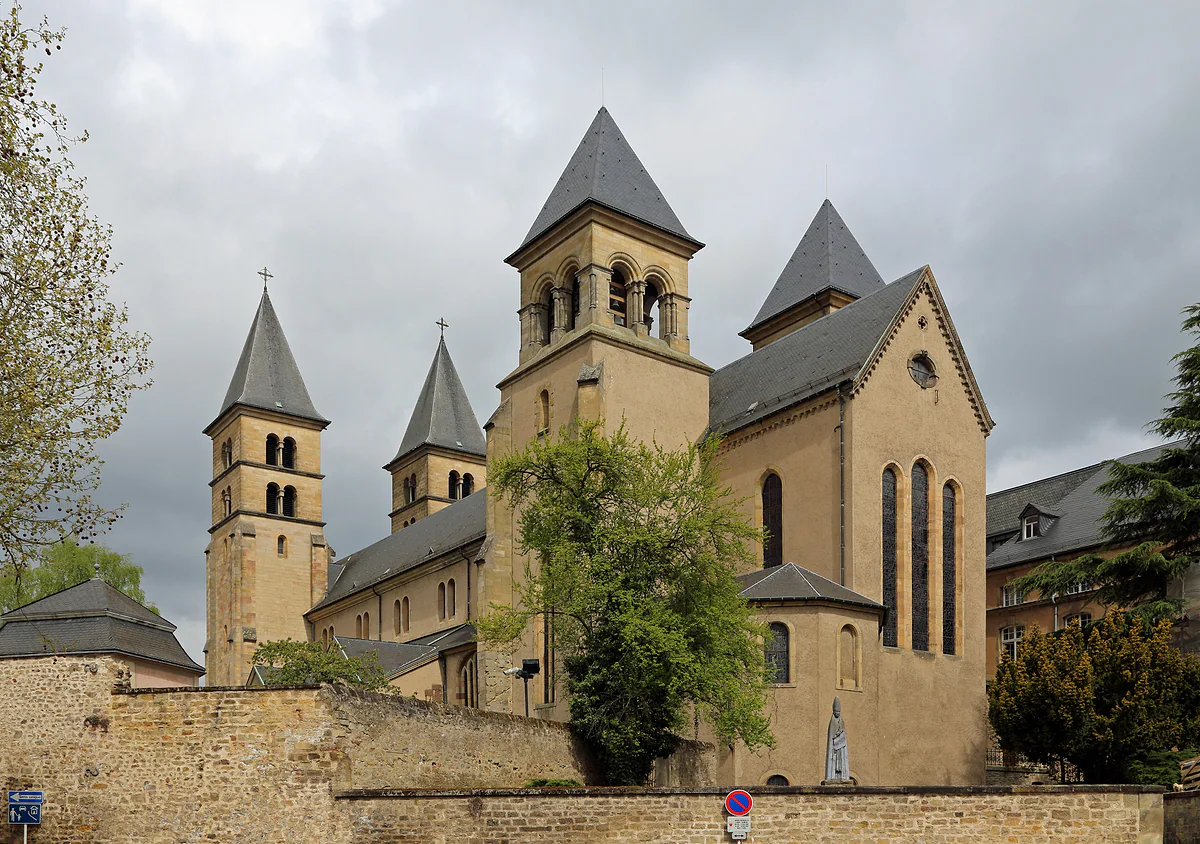
The Romanesque Basilica of St Willibrord in Echternach seen from the south, with its four pointed towers
Luxembourg's UNESCO labels
| Recognition | What it is | Year |
|---|---|---|
| World Heritage | City of Luxembourg: its Old Quarters and Fortifications | 1994 |
| Memory of the World | The Family of Man exhibition, Clervaux | 2003 |
| Intangible heritage | Hopping procession of Echternach | 2010 |
| Intangible heritage | Musical art of hunting horn players | 2020 |
| Intangible heritage | Transhumance, midwifery and traditional meadow irrigation (Fléizen) | 2023 |
| Intangible heritage | Dry stone walling | 2024 |
| Biosphere reserve | Minett UNESCO Biosphere, 11 southern communes | 2020 |
| Global Geopark | Natur- & Geopark Mëllerdall | 2022 |
Figures from whc.unesco.org, ich.unesco.org and luxembourg.public.lu, checked on 29-09-2026.
Test yourself
True or false?
0/4 Pick before you peek.
-
Luxembourg has several places on the World Heritage List.
See the answer
False. Only the City of Luxembourg with its old quarters and fortifications is on the World Heritage List, since 1994. The other labels belong to different UNESCO programmes.
-
The Echternach procession is on UNESCO's intangible heritage list.
See the answer
True. It was inscribed in 2010 as the «Hopping procession of Echternach». It takes place on Whit Tuesday and dates back to the late 15th century.
-
The Minett is a national park.
See the answer
False. It's a UNESCO biosphere reserve, since 28 October 2020, covering 11 communes and 200 km² of the old mining south.
-
Luxembourg's fortress walls were demolished in the 19th century.
See the answer
True. The Treaty of London of 11 May 1867 required the fortress to be dismantled and declared the country perpetually neutral.
0 of 425 Luxembourg guides
Your next stamp
- Minett
- Ville Haute
- Luxembourg fortress
- Nature reserves
- Steinfort
- Museums in Luxembourg
- Holiday cottages
- A Possen Museum
- American Cemetery
- Ansembourg
- Ansembourg Castles
- Asselborn
- Bascharage
- Beaufort castles
- Belval
- Belval blast furnaces
- Berg Castle
- Bernard-Massard cellars
- Bourglinster Castle
- Bourscheid Castle
- Brandenbourg
- Brandenbourg Castle
- Caves St Martin
- Christmas
- Clervaux Castle
- Echternach
- Echternach Abbey
- Ehnen
- Ehnen Wine Museum
- Esch-sur-Alzette
- Esch-sur-Sûre Castle
- European Museum Schengen
- Fond-de-Gras
- General Patton Museum
- German war cemetery
- Haff Réimech
- Hohllay
- Hollenfels Castle
- Hosingen
- Kautenbach
- Kneiff
- Koerich Castle
- Larochette Castle
- Lasauvage
- Mersch Castle
- Military History Museum
- Moersdorf
- Mondorf Domaine Thermal
- Munsbach Castle
- National Mining Museum
- Parc Merveilleux
- Park Sënnesräich
- Places to visit
- Remich
- Rindschleiden
- Schiessentümpel
- Septfontaines Castle
- Slate Museum
- Stolzembourg
- Tudor Museum
- Useldange Castle
- Valley of the Seven Castles
- Vianden
- Vianden Castle
- Wasserbillig Aquarium
- Weiswampach lakes
- Wiltz Castle
- Ahn
- Berdorf
- Bourscheid-Plage
- Butterfly garden
- Clervaux
- Differdange
- Echternach lake
- Grevenmacher
- Heringer Millen
- Hollenfels
- Luxembourg City
- Luxembourg Science Center
- Meysembourg Castle
- Mullerthal
- National Day
- National Resistance Museum
- Perekop
- Remerschen
- Schoenfels Castle
- The Family of Man
- Things to do
- Upper Sûre Lake
- Vianden chairlift
- Wasserbillig
- Clervaux Abbey
- Echternach Roman villa
- Éislek
- Insenborn
- Kallektuffquell
- Machtum
- Most beautiful places
- Our Nature Park
- Pétange
- Pettingen Castle
- Schueberfouer
- Schwebsingen
- Victor Hugo House
- Waldbillig
- Dudelange
- Kuelscheier
- Lultzhausen
- Moselle Valley
- Octave
- Prettiest villages
- Sanem
- Schengen
- Wellenstein
- Wiltz
- Wolfsschlucht
- Beaufort
- Bech-Kleinmacher
- Éimaischen
- Gaalgebierg
- Guttland
- Marnach
- Mondorf-les-Bains
- Putscheid
- Schifflange
- Carnival
- Consdorf
- Ellergronn
- Käerjeng
- Kayl
- Map
- Munshausen
- Tandel
- Bech
- Buergbrennen
- Esch-sur-Sûre
- Rumelange
- Where is Luxembourg
- Is it a country?
- Lac de la Haute-Sûre (commune)
- Rosport-Mompach
- Wormeldange
- Larochette
- Mondercange
- Regions
- Bettembourg
- Bock Casemates
- Cantons
- Dancing procession
- Diekirch
- Fischbach
- Garnich
- Mersch
- Moselle wine route
- Ettelbruck
- Grund
- Heffingen
- Kehlen
- Lintgen
- Moselle river cruises
- Pétrusse Casemates
- Towns and villages
- Chemin de la Corniche
- Erpeldange-sur-Sûre
- Junglinster
- Kopstal
- Lorentzweiler
- Nommern
- Pfaffenthal
- Population
- Bissen
- Clausen
- Grand Ducal Palace
- Koerich
- Schieren
- Size
- Vallée de l'Ernz
- Feulen
- Kirchberg
- Languages
- Notre-Dame Cathedral
- Reisdorf
- Bettendorf
- Habscht
- St Michael's Church
- Helperknapp
- Luxembourgish
- Place Guillaume II
- Name
- Place d'Armes
- History
- Place de la Constitution
- Grand Duke
- Colmar-Berg
- Flaxweiler
- Gare
- Hamm
- Kirchberg funicular
- Mamer
- Mertert
- Minett Trail
- Mullerthal Trail
- Neumünster Abbey
- Parc Hosingen
- Pfaffenthal lift
- Political system
- Redange
- The Passerelle
- Wine festivals
- Winseler
- Beckerich
- Biwer
- EU institutions
- Goesdorf
- Limpertsberg
- Mudam
- Natur Musée
- Pulvermühl
- Stadtbredimus
- Troisvierges
- Wenzel walk
- Bonnevoie
- Bous-Waldbredimus
- Ell
- Flag
- Kiischpelt
- Manternach
- Philharmonie
- Vauban circuit
- Weiswampach
- Betzdorf
- Boulaide
- Dräi Eechelen Museum
- Facts
- Hollerich
- Lenningen
- Useldange
- Wincrange
- Bourscheid
- Dalheim
- Gasperich
- Public holidays
- Red Bridge
- Saeul
- Belair
- Second World War
- Vichten
- Battle of the Bulge
- Merl
- Préizerdaul
- Cents
- EU and Schengen
- Groussbus-Wal
- Entry requirements
- Neudorf
- Rambrouch
- Currency and payments
- Mertzig
- Weimerskirch
- Adolphe Bridge
- Beggen
- Escapardenne
- How to get there
- International March of Diekirch
- MNHA (National Museum)
- Rock climbing
- Sandweiler
- Bridges
- Eich
- Flights
- Golf
- Hesperange
- Lëtzebuerg City Museum
- Canoeing and kayaking
- Dommeldange
- Luxembourg airport
- Strassen
- Villa Vauban
- Airport to city centre
- Bertrange
- Casino Luxembourg
- Mühlenbach
- Swimming pools
- From Brussels
- Pétrusse Valley
- Rollingergrund
- Walferdange
- Cessange
- Day trip from Brussels
- Municipal Park
- Steinsel
- Free walking tours
- From Paris
- Niederanven
- From Frankfurt
- Schuttrange
- Sightseeing train and bus
- By train
- Contern
- By coach
- Weiler-la-Tour
- Driving
- Luxembourg in one day
- Pretzel Sunday
- Rham Plateau
- Tour de Luxembourg
- Candlemas (Liichtmëssdag)
- Car hire
- Luxembourg in two days
- Saint-Esprit Plateau
- Luxembourg in three days
- Melusina statue
- Parking
- St Nicholas Day (Kleeschen)
- Fête de la Musique
- Luxembourg in four days
- Petrol
- Place de Clairefontaine
- A week in Luxembourg
- Getting around
- Luxembourg Marathon
- Tram and Bus Museum
- Free public transport
- Parks in Luxembourg City
- Road trip
- Belgium and Luxembourg
- Tram
- Buses
- Viewpoints
- Trains
- Luxembourg station
- Cycling
- LuxembourgPass
- Prices and budget
- On a budget
- Free things to do
- Mobile and roaming
- Healthcare
- Safety
- Scams
- Tourist information
- Packing list
- Swimming lakes
- With a dog
- Markets
- Tipping
- Shopping
- What to buy
- Shopping centres
- With kids
- For couples
- Playgrounds
- Adventure parks
- Nightlife
- Castles
- Theatres and concert venues
- Leudelange
- Nature parks
- Where to stay
- City-centre hotels
- Hiking
- Reckange-sur-Mess
- Hotels near the station
- Roeser
- Frisange
- Hotels in Kirchberg
- Airport hotels
- Dippach
- Hotels in Vianden
- Hotels in Echternach
- Hotels in Clervaux
- Hotels in Mondorf-les-Bains
- Hotels in Esch-sur-Alzette
- Hotels on the Moselle
- Mullerthal hotels
- Upper Sûre lake hotels
- Hotels in Diekirch and Ettelbruck
- Cheap hotels
- Luxury hotels
- Boutique hotels
- Spa hotels
- Family hotels
- Apartments
- Weather
- Youth hostels
- Best time to visit
- Campsites
- In winter
- Castle hotels
- In spring
- Day trips
- In summer
- Around Luxembourg
- In autumn
- Ice skating
- Trier day trip
- Metz day trip
- Arlon day trip
- In January
- In February
- In March
- In April
- In May
- In June
- In July
- In August
- In September
- Food
- In October
- In November
- Where to eat
- In December
- Michelin restaurants
- Cheap eats
- Judd mat Gaardebounen
- Bouneschlupp
- Gromperekichelcher
- Kniddelen
- Quetschentaart
- Rieslingspaschtéit
- Events
- Wine
- Crémant
- Beer
Frequently asked questions
Is Luxembourg a UNESCO World Heritage site?
Part of the capital is. The City of Luxembourg's old quarters and fortifications were inscribed in 1994, and it's the country's only site on the World Heritage List. Other UNESCO labels cover The Family of Man, the Echternach procession, the Minett and the Mëllerdall geopark.
How many UNESCO sites does Luxembourg have?
One World Heritage site. Add in Memory of the World, intangible heritage, the biosphere reserve and the geopark and the number depends on who's counting; the government portal and the national tourist board don't agree. That's why I give the list rather than a total.
Which part of Luxembourg City is World Heritage?
The protected site is 29.94 hectares of the upper town and its fortifications, including the Bock and the Corniche. The Grund, the Pfaffenthal, Clausen and the Plateau Bourbon fall within the 108.73-hectare buffer zone.
What is The Family of Man?
An exhibition of 503 photographs by 273 photographers from 68 countries, shown at Clervaux Castle since 1994 and on UNESCO's Memory of the World register since 2003.
When is the Echternach dancing procession?
Every year on Whit Tuesday. It has taken place since the late 15th century and draws around 8,000 dancers and some 10,000 pilgrims and onlookers, according to the official portal.
What is the Minett biosphere reserve?
The old iron-mining south of the country, recognised by UNESCO on 28 October 2020. It spans 11 communes and 200 km², home to almost a third of Luxembourg's population.
By
Tourism graduate with a master’s in Tourism Management and Planning from the University of Málaga, who has travelled across Europe. He writes every guide from official sources and his own judgement.
Published on . Updated on . Facts checked on .
Sources
Some links in this guide are affiliate links: if you book through them, the site earns a commission at no extra cost to you. Affiliate disclosure
Photos: Cayambe (CC BY-SA 4.0); RG72 (CC BY-SA 4.0); Paul Braun (CC0); Marc Ryckaert (CC BY 3.0), via Wikimedia Commons.