Commune in the canton of Esch-sur-Alzette
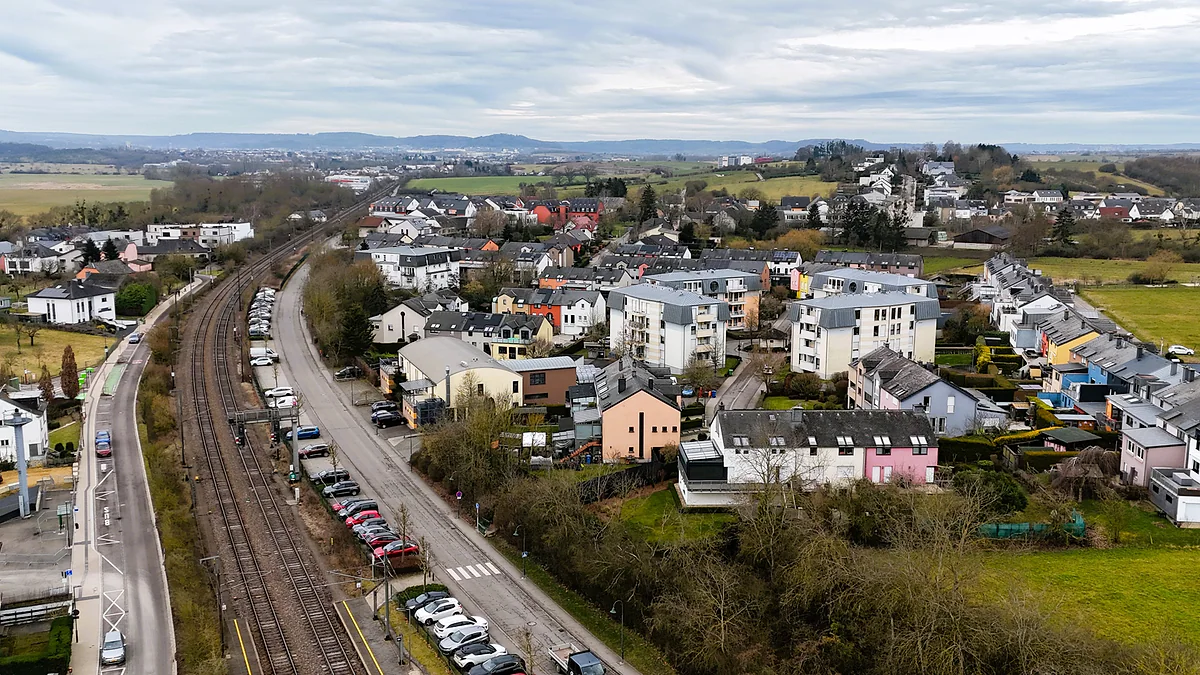
Roeser, the Alzette valley where Edward Steichen was born
Roeser is a commune of 7,184 people in the canton of Esch-sur-Alzette, just south of Luxembourg City, with seven villages on both banks of the Alzette. Peppange has a rural museum and a museum of royal carriages, Kockelscheuer has a campsite, an ice rink and a golf centre, and Bivange is where the photographer Edward Steichen was born in 1879.
In 30 seconds
Full read: 3 min
- Roeser is a commune of 7,184 people in seven villages just south of the capital.
- Peppange has a rural museum and a carriage museum, both free with the LuxembourgPass.
- Kockelscheuer has a campsite, an ice rink and a golf centre.
- Edward Steichen was born in Bivange in 1879.
Roeser has two things few visitors know about that I think work brilliantly with children, the two museums in Peppange, both free with the LuxembourgPass. If you're touring in a motorhome or with a tent, the Kockelscheuer campsite is 4 km from the centre of the capital, with frequent buses.
Before you go
What I would keep in mind
-
01 Most beautiful
Royal carriages in Peppange
The Grand Duchess Charlotte Carriage Museum shows 19th-century horse-drawn carriages, including several from the grand-ducal court and the great gala coupé. It closes in winter.
-
02 To save money
Two museums free with the LuxembourgPass
Peppange's rural and craft museum (€8 for adults) and the carriage museum are both free with the LuxembourgPass, according to visitluxembourg.
LuxembourgPass -
03 Getting there
A campsite 4 km from the centre
Kockelscheuer campsite, top category with 161 pitches, opens from the week before Easter to 31 October and has a bus stop 400 m away with buses every 8 to 10 minutes.
-
04 Worth the splurge
A Michelin star in Roeser
The Michelin Guide awards one star to Fani, an Italian restaurant in Roeser.
Michelin star restaurants in Luxembourg
Roeser is a commune of seven villages on both banks of the Alzette, just south of the capital, and for centuries those two banks barely spoke to each other. The commune’s history explains why. The only road between them was in poor repair and often flooded, until in 1876 the Fentange station moved to Berchem-Bivange and a new link road had to be built. Today 7,184 people live here. In the same canton, Reckange-sur-Mess brings together six villages with churches and chapels from the 18th to the 20th century.
Wars and a photographer
People have lived in the valley since the Stone Age, and the commune lists Bronze Age finds near Peppange, at least five Gallo-Roman villas and Merovingian graves near Bivange. The name Roeser appears in the 7th century. From 1479 to 1795 the Rodenmacher family ruled here. The 17th century was grim, with plague and the Thirty Years’ War, and in 1684 the French marshal Créqui drove the villagers out to Thionville and Longwy for four months. Bivange was burned to the ground.
The name that interests me most is another one. In 1879 Edward Steichen was born in Bivange. He emigrated with his family to the United States and became one of the most celebrated photographers in the world. He never forgot his village, came back to visit in 1965 and died in 1973. A plaque unveiled in 1983 and a street in Bivange remember him. If his work appeals, the exhibition he put together, The Family of Man, is in Clervaux.
What to see in Roeser
Peppange is the village with most to offer. Its rural and craft museum displays ploughs and farm machinery still in working order, a forge, craft workshops and a garden of vegetables, herbs and medicinal plants, with a playground and a brasserie. Adults pay €8. On the same street, the Grand Duchess Charlotte Carriage Museum gathers 19th-century horse-drawn carriages, several from the grand-ducal court among them, plus the great gala coupé, harnesses, trunks and a complete coachbuilder’s workshop. Both are free with the LuxembourgPass, and the carriage museum closes in winter.
If you’re going in October, plan it, because the hours don’t line up. In the week of 3 October 2026 the rural museum opened every afternoon except Monday, while the carriage museum opened only on Sunday, 14:00 to 18:00. I’d go on that Sunday and do both back to back, since they share rue de Crauthem, the rural museum at number 38 and the carriages at 21, and without a pass you’d pay €8 at each. What I like about the carriage museum is that it puts the coaches in context, with harnesses, lanterns and travel trunks, and the coachbuilder’s workshop shows how they were made.
Peppange is also home to the Benedictine convent known for its frescoes, painted by pupils from the German abbey of Maria Laach.
To sleep close to everything, search places to stay in Luxemburgo on Booking.com and filter by area before price.
Kockelscheuer, leisure on the capital’s edge
At Kockelscheuer, on the edge of the city, there’s a leisure centre with an indoor ice rink, a golf training centre, tennis courts and walks, according to visitluxembourg. The campsite, top category with 161 pitches, opens from the week before Easter until 31 October and is 4 km from the centre of the capital, with buses every 8 to 10 minutes from a stop 400 m away. The Ville de Luxembourg places the BGL BNP Paribas Luxembourg Open women’s tennis tournament at Kockelscheuer “in October”, with no 2026 date in what I’ve read. To the north lies the city district of Gasperich.
Eating and staying
The Michelin Guide awards one star to the Italian restaurant Fani in Roeser. Hotels are few, three in 2025 by STATEC’s count. If you’re not camping, I’d stay in Luxembourg City, right next door.
To sleep close to everything, search places to stay in Luxemburgo on Expedia and filter by area before price.
If you are short on time, see the best tours in Luxemburgo and pick one that fits your day.
Where the bus does not go, a car does: compare car hire in Luxembourg before you arrive rather than at the desk.
If you still need a way in, check the best ticket deals to Luxembourg from where you are.
Peppange museums
| Museum | Price | Hours (week of 3 to 9-10-2026) |
|---|---|---|
| Rural and craft museum | €8 adults, including the old iron industry exhibition; guided tour €10; free with a student card and with the LuxembourgPass | Tuesday to Friday 14:00-17:00; weekends 14:00-18:00; closed Monday |
| Grand Duchess Charlotte Carriage Museum | €8 adults; guided tour €10; free with a student card and with the LuxembourgPass | Sunday only 14:00-18:00; closed November to February except for groups by arrangement |
visitluxembourg, checked on 03-10-2026. At both museums under-14s must be with an adult. The carriage museum listing also gives a second version of the winter closure, November to April.
Test yourself
True or false?
0/3 Pick before you peek.
-
Edward Steichen was born in the commune of Roeser.
See the answer
True. He was born in Bivange in 1879, according to the commune's history, which unveiled a plaque to him in 1983.
-
Peppange's carriage museum is open all year round.
See the answer
False. It closes in winter, apart from group bookings, according to visitluxembourg.
-
In 1684 the valley's villagers were driven out of their homes.
See the answer
True. The French marshal Créqui sent them to Thionville and Longwy for four months, and Bivange was burned to the ground, according to the commune.
- Villages in the commune
- 7
- Edward Steichen born in Bivange
- 1879
- Pitches at Kockelscheuer campsite
- 161
- Residents on 1-1-2026
- 7,184
Map
Where Roeser is
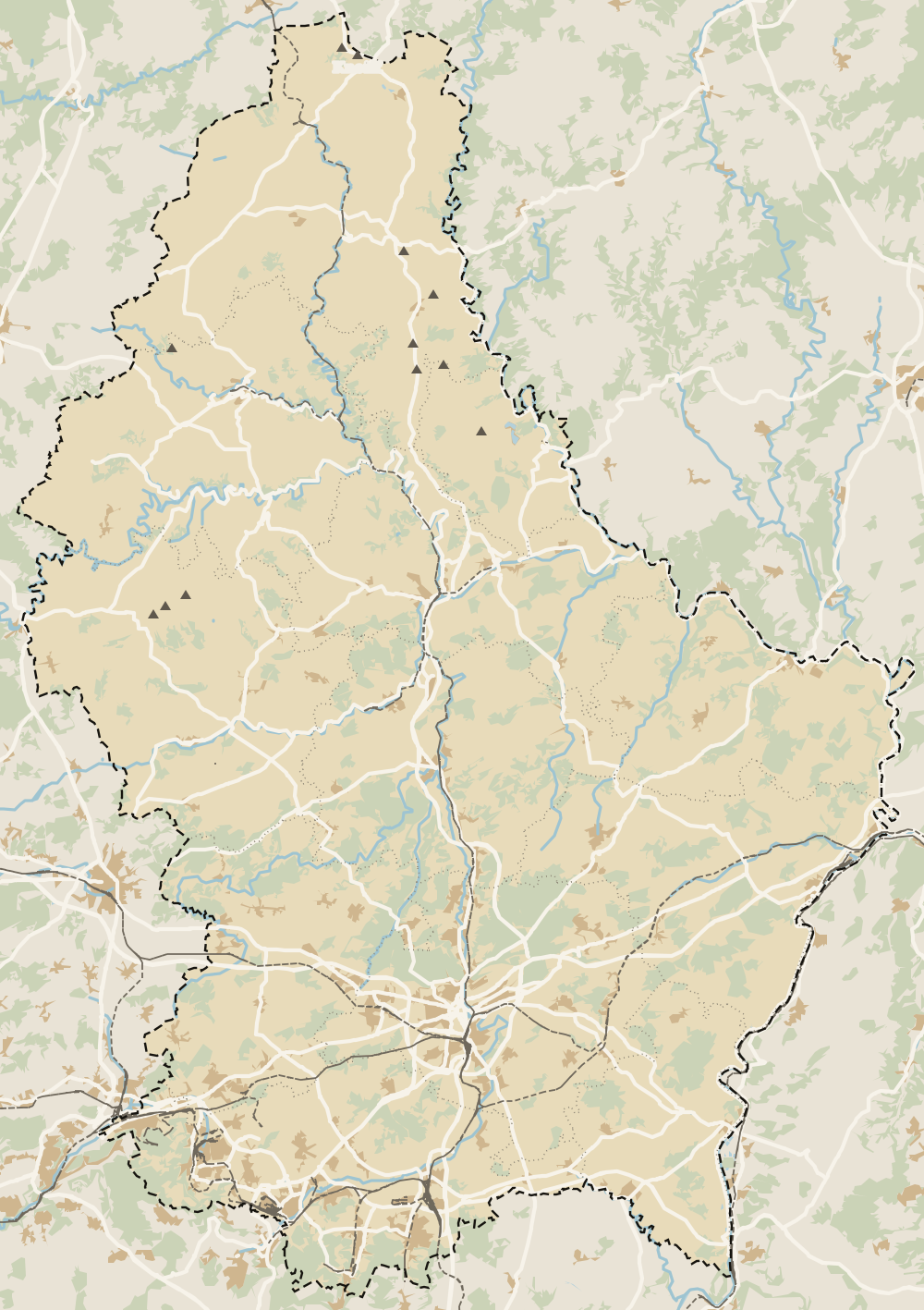
The thick dashed line is the border with Belgium, France and Germany, and the fine ones divide the twelve cantons. The Éislek lies to the north and the Moselle to the east. Every number opens its guide.
0 of 425 Luxembourg guides
Your next stamp
- Wormeldange
- Reckange-sur-Mess
- Walferdange
- Koerich
- Rollingergrund
- Dippach
- Kehlen
- Ville Haute
- A Possen Museum
- American Cemetery
- Ansembourg
- Ansembourg Castles
- Asselborn
- Bascharage
- Beaufort castles
- Belval
- Belval blast furnaces
- Berg Castle
- Bernard-Massard cellars
- Bourglinster Castle
- Bourscheid Castle
- Brandenbourg
- Brandenbourg Castle
- Caves St Martin
- Christmas
- Clervaux Castle
- Echternach
- Echternach Abbey
- Ehnen
- Ehnen Wine Museum
- Esch-sur-Alzette
- Esch-sur-Sûre Castle
- European Museum Schengen
- Fond-de-Gras
- General Patton Museum
- German war cemetery
- Haff Réimech
- Hohllay
- Hollenfels Castle
- Hosingen
- Kautenbach
- Kneiff
- Koerich Castle
- Larochette Castle
- Lasauvage
- Mersch Castle
- Military History Museum
- Moersdorf
- Mondorf Domaine Thermal
- Munsbach Castle
- National Mining Museum
- Parc Merveilleux
- Park Sënnesräich
- Places to visit
- Remich
- Rindschleiden
- Schiessentümpel
- Septfontaines Castle
- Slate Museum
- Stolzembourg
- Tudor Museum
- Useldange Castle
- Valley of the Seven Castles
- Vianden
- Vianden Castle
- Wasserbillig Aquarium
- Weiswampach lakes
- Wiltz Castle
- Ahn
- Berdorf
- Bourscheid-Plage
- Butterfly garden
- Clervaux
- Differdange
- Echternach lake
- Grevenmacher
- Heringer Millen
- Hollenfels
- Luxembourg City
- Luxembourg Science Center
- Meysembourg Castle
- Mullerthal
- National Day
- National Resistance Museum
- Perekop
- Remerschen
- Schoenfels Castle
- The Family of Man
- Things to do
- Upper Sûre Lake
- Vianden chairlift
- Wasserbillig
- Clervaux Abbey
- Echternach Roman villa
- Éislek
- Insenborn
- Kallektuffquell
- Machtum
- Most beautiful places
- Our Nature Park
- Pétange
- Pettingen Castle
- Schueberfouer
- Schwebsingen
- Victor Hugo House
- Waldbillig
- Dudelange
- Kuelscheier
- Lultzhausen
- Moselle Valley
- Octave
- Prettiest villages
- Sanem
- Schengen
- Wellenstein
- Wiltz
- Wolfsschlucht
- Beaufort
- Bech-Kleinmacher
- Éimaischen
- Gaalgebierg
- Guttland
- Marnach
- Mondorf-les-Bains
- Putscheid
- Schifflange
- UNESCO World Heritage
- Carnival
- Consdorf
- Ellergronn
- Käerjeng
- Kayl
- Map
- Minett
- Munshausen
- Tandel
- Bech
- Buergbrennen
- Esch-sur-Sûre
- Rumelange
- Where is Luxembourg
- Is it a country?
- Lac de la Haute-Sûre (commune)
- Rosport-Mompach
- Larochette
- Mondercange
- Regions
- Bettembourg
- Bock Casemates
- Cantons
- Dancing procession
- Diekirch
- Fischbach
- Garnich
- Mersch
- Moselle wine route
- Ettelbruck
- Grund
- Heffingen
- Lintgen
- Moselle river cruises
- Pétrusse Casemates
- Towns and villages
- Chemin de la Corniche
- Erpeldange-sur-Sûre
- Junglinster
- Kopstal
- Lorentzweiler
- Nommern
- Pfaffenthal
- Population
- Bissen
- Clausen
- Grand Ducal Palace
- Schieren
- Size
- Vallée de l'Ernz
- Feulen
- Kirchberg
- Languages
- Notre-Dame Cathedral
- Reisdorf
- Steinfort
- Bettendorf
- Habscht
- St Michael's Church
- Helperknapp
- Luxembourgish
- Place Guillaume II
- Name
- Place d'Armes
- History
- Place de la Constitution
- Grand Duke
- Colmar-Berg
- Flaxweiler
- Gare
- Hamm
- Kirchberg funicular
- Luxembourg fortress
- Mamer
- Mertert
- Minett Trail
- Mullerthal Trail
- Neumünster Abbey
- Parc Hosingen
- Pfaffenthal lift
- Political system
- Redange
- The Passerelle
- Wine festivals
- Winseler
- Beckerich
- Biwer
- EU institutions
- Goesdorf
- Limpertsberg
- Mudam
- Natur Musée
- Pulvermühl
- Stadtbredimus
- Troisvierges
- Wenzel walk
- Bonnevoie
- Bous-Waldbredimus
- Ell
- Flag
- Kiischpelt
- Manternach
- Philharmonie
- Vauban circuit
- Weiswampach
- Betzdorf
- Boulaide
- Dräi Eechelen Museum
- Facts
- Hollerich
- Lenningen
- Useldange
- Wincrange
- Bourscheid
- Dalheim
- Gasperich
- Public holidays
- Red Bridge
- Saeul
- Belair
- Second World War
- Vichten
- Battle of the Bulge
- Merl
- Préizerdaul
- Cents
- EU and Schengen
- Groussbus-Wal
- Entry requirements
- Neudorf
- Rambrouch
- Currency and payments
- Mertzig
- Weimerskirch
- Adolphe Bridge
- Beggen
- Escapardenne
- How to get there
- International March of Diekirch
- MNHA (National Museum)
- Rock climbing
- Sandweiler
- Bridges
- Eich
- Flights
- Golf
- Hesperange
- Lëtzebuerg City Museum
- Canoeing and kayaking
- Dommeldange
- Luxembourg airport
- Strassen
- Villa Vauban
- Airport to city centre
- Bertrange
- Casino Luxembourg
- Mühlenbach
- Swimming pools
- From Brussels
- Pétrusse Valley
- Cessange
- Day trip from Brussels
- Municipal Park
- Steinsel
- Free walking tours
- From Paris
- Niederanven
- From Frankfurt
- Schuttrange
- Sightseeing train and bus
- By train
- Contern
- By coach
- Weiler-la-Tour
- Driving
- Luxembourg in one day
- Pretzel Sunday
- Rham Plateau
- Tour de Luxembourg
- Candlemas (Liichtmëssdag)
- Car hire
- Luxembourg in two days
- Saint-Esprit Plateau
- Luxembourg in three days
- Melusina statue
- Parking
- St Nicholas Day (Kleeschen)
- Fête de la Musique
- Luxembourg in four days
- Museums in Luxembourg
- Petrol
- Place de Clairefontaine
- A week in Luxembourg
- Getting around
- Luxembourg Marathon
- Tram and Bus Museum
- Free public transport
- Parks in Luxembourg City
- Road trip
- Belgium and Luxembourg
- Tram
- Buses
- Viewpoints
- Trains
- Luxembourg station
- Cycling
- LuxembourgPass
- Prices and budget
- On a budget
- Free things to do
- Mobile and roaming
- Healthcare
- Safety
- Scams
- Tourist information
- Packing list
- Swimming lakes
- With a dog
- Markets
- Tipping
- Shopping
- What to buy
- Shopping centres
- With kids
- For couples
- Playgrounds
- Adventure parks
- Nightlife
- Castles
- Theatres and concert venues
- Leudelange
- Nature parks
- Where to stay
- City-centre hotels
- Hiking
- Nature reserves
- Hotels near the station
- Frisange
- Hotels in Kirchberg
- Airport hotels
- Hotels in Vianden
- Hotels in Echternach
- Hotels in Clervaux
- Hotels in Mondorf-les-Bains
- Hotels in Esch-sur-Alzette
- Hotels on the Moselle
- Mullerthal hotels
- Upper Sûre lake hotels
- Hotels in Diekirch and Ettelbruck
- Cheap hotels
- Luxury hotels
- Boutique hotels
- Spa hotels
- Family hotels
- Apartments
- Weather
- Youth hostels
- Best time to visit
- Campsites
- Holiday cottages
- In winter
- Castle hotels
- In spring
- Day trips
- In summer
- Around Luxembourg
- In autumn
- Ice skating
- Trier day trip
- Metz day trip
- Arlon day trip
- In January
- In February
- In March
- In April
- In May
- In June
- In July
- In August
- In September
- Food
- In October
- In November
- Where to eat
- In December
- Michelin restaurants
- Cheap eats
- Judd mat Gaardebounen
- Bouneschlupp
- Gromperekichelcher
- Kniddelen
- Quetschentaart
- Rieslingspaschtéit
- Events
- Wine
- Crémant
- Beer
Frequently asked questions
What is there to see in Roeser?
The two museums in Peppange, the rural and craft museum and the court carriage museum, Peppange's former Benedictine convent and, at Kockelscheuer, the leisure area with an indoor ice rink and golf centre. Bivange has a plaque and a street named after Edward Steichen.
Which villages make up the commune of Roeser?
Seven, according to the national register of localities, Berchem, Bivange, Crauthem, Kockelscheuer, Livange, Peppange and Roeser.
Was Edward Steichen from Roeser?
Yes. He was born in Bivange, in the commune of Roeser, in 1879, emigrated to the United States with his family and came back to visit in 1965. The commune unveiled a plaque to him in 1983 and named a street after him.
Where can I stay in Roeser?
STATEC counted three hotels or similar establishments in the commune in 2025, and there's the Kockelscheuer campsite, open from the week before Easter to 31 October.
How many people live in Roeser?
7,184 on 1 January 2026, according to STATEC, 130 more than a year earlier.
How much is the Peppange carriage museum?
€8 for adults and €10 with a guided tour, the same as the rural museum next door. It's free with a student card and with the LuxembourgPass. It closes from November to February, except for groups by arrangement.
By
Tourism graduate with a master’s in Tourism Management and Planning from the University of Málaga, who has travelled across Europe. He writes every guide from official sources and his own judgement.
Published on . Updated on . Facts checked on .
Sources
Some links in this guide are affiliate links: if you book through them, the site earns a commission at no extra cost to you. Affiliate disclosure
Photos: GilPe (CC BY-SA 4.0), via Wikimedia Commons.