Canton of Diekirch, Niederfeulen and Oberfeulen
Feulen, the commune at the root of Luxembourg City
Feulen is a commune of 2,431 people in the canton of Diekirch, west of Ettelbruck, made up of Niederfeulen and Oberfeulen. Its big story dates from 963, when Count Siegfried traded his Feulen lands to the abbey of St Maximin for the Bock rock, where Luxembourg City was born. Today it's a quiet place with an old tanbark barn turned arts centre.
In 30 seconds
Full read: 2 min
- Feulen has 2,431 residents in Niederfeulen and Oberfeulen, west of Ettelbruck.
- In 963 Count Siegfried swapped his Feulen lands for the Bock, where the capital began.
- The 1827 Hennesbau, once a bark mill, is now its arts centre.
- An American battalion liberated it on 22 December 1944.
Feulen isn't somewhere to travel to specially, but if you're passing, it's a nice stop for anyone who's already seen the Bock in the capital. Closing the loop on where the city came from has a certain charm.

Before you go
What I would keep in mind
-
01 Most beautiful
Where Luxembourg City began
According to the history published by the commune, in 963 Count Siegfried of the Ardennes exchanged his Feulen estates with the abbey of St Maximin in Trier for the Bock rock, laying the foundation stone of the capital.
Bock Casemates -
02 My tip
The Hennesbau, a tanbark mill of 1827
Niederfeulen's arts centre began in 1827 as a bark mill for tanning, an oil mill and a sawmill. The commune bought it in 1979 and kept the look of a bark barn.
-
03 My tip
Feulen and Mertzig, once one
Mertzig was part of the commune of Feulen until 1 January 1875, when a law made it independent. The two sit side by side west of Ettelbruck.
Mertzig
Feulen has a story you wouldn’t expect from a commune of 2,431 people. According to the history on its website, in 963 Count Siegfried of the Ardennes exchanged his Feulen estates with the abbey of St Maximin in Trier for the Bock rock, and with that deal laid the foundation stone of Luxembourg City. If you’ve been round the Bock casemates, you’ve seen the other half of the bargain.
Two villages in the Wark valley
The commune is two villages, Niederfeulen on the Feul stream and Oberfeulen on the Michelbach, both feeding the Wark, across 2,276 hectares west of Ettelbruck. The council’s history says the area was settled long before 963, with a Stone Age tool workshop on the Bucheknapp, Celtic burial mounds and Roman remains, some with underfloor heating. In 893 King Arnulf had already given Feulen, then Fulina, to the abbey of St Maximin.
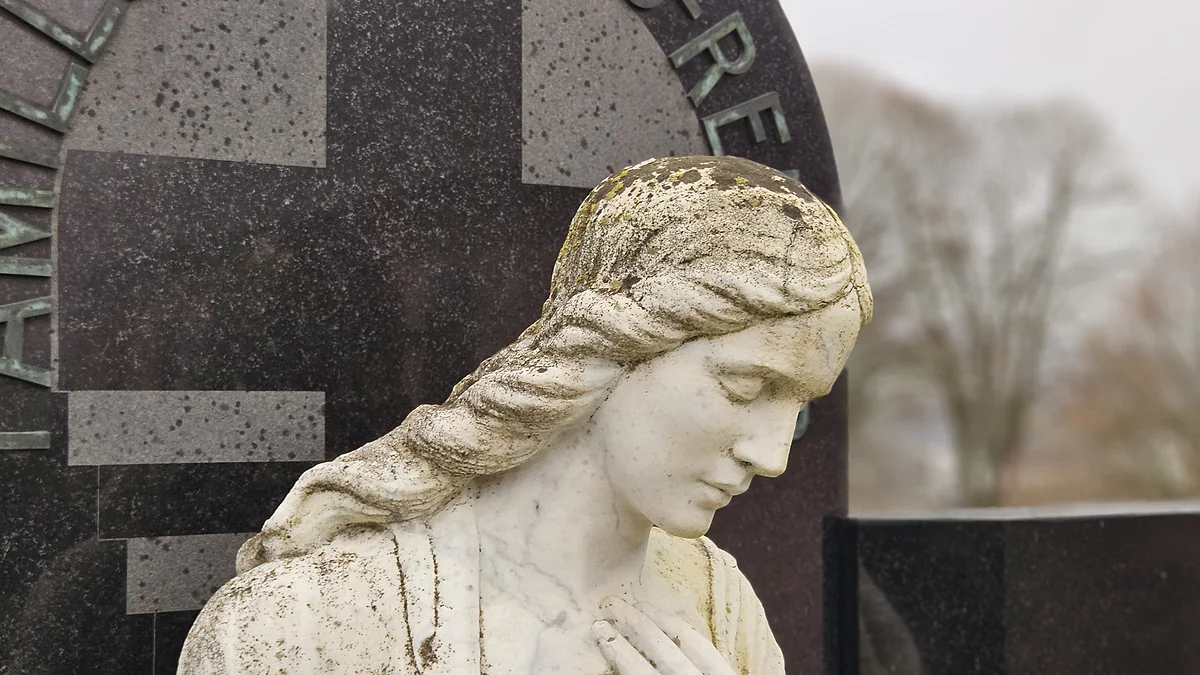
The monks built a first church around the year 1000 on a rise between the two villages, beside a Roman road. The present one dates from 1725. The photo at the top is the old cemetery at Oberfeulen, with its stone crosses.
Tanners, bark and the Hennesbau
In the 19th century Feulen was known across the country for its oak coppices, grown for tanning bark, which covered almost all the farmland. They brought bark mills and tanneries, and from that era survives the Hennesbau in Niederfeulen. The tanner Jean-Henri Elsen built it in 1827 as a bark mill, oil mill and sawmill on the Feul, and in 1851 it was bought by Jean-Pierre Berns of the Hennes house, which gave it its name. The commune acquired it in 1979 and turned it into an arts centre, keeping its bark-barn look. After the First World War came the distilleries, especially in Oberfeulen.
I find a building like this more telling than a castle. It shows you how people actually earned a living.
Once your dates are set, check which hotels are still free in Diekirch before prices climb.
War and liberation
The commune recalls more than four years of Nazi rule and the forced conscription of young people. Feulen was liberated on 22 December 1944 by the 1st Battalion of the US 319th Regiment under Lieutenant Colonel Hiram Dudley Ives, who is an honorary citizen. Seventeen young men from Feulen never came back, and in 1951 a memorial was raised to them by the church and cemetery. Three days later Ettelbruck was freed by the 318th Regiment, as the General Patton museum in Ettelbruck explains.
Feulen and Mertzig
After the French Revolution, Feulen and Mertzig formed a single administrative unit, and Mertzig remained part of the commune of Feulen until 1 January 1875. Today they’re neighbours sharing the same landscape. For a bed, Ettelbruck or Diekirch are the practical choices, both a short drive east.
Once your dates are set, check which hotels are still free in Diekirch before prices climb.
If you would rather have a local show you round, book a guided tour in Diekirch and choose by the reviews.
A car frees you from timetables: search car hire in Luxembourg on DiscoverCars and compare companies.
So you do not pay over the odds, look at trains, coaches and flights to Luxembourg on Omio and pick the one that suits you.
Feulen through the years
| Year | Event |
|---|---|
| 893 | King Arnulf gives Feulen (Fulina) to the abbey of St Maximin |
| 963 | Count Siegfried trades his Feulen estates for the Bock |
| 1725 | Present parish church rebuilt |
| 1827 | Hennesbau built beside the Feul stream |
| 1875 | Mertzig breaks away as its own commune |
| 22 Dec 1944 | Liberated by a battalion of the US 319th Regiment |
Commune website (feulen.lu), and Mertzig's commune website for 1875.
Feulen in figures
| Figure | Value | Source |
|---|---|---|
| Residents on 1 Jan 2026 | 2,431 | STATEC |
| Area | 2,276 ha | Commune of Feulen |
| Official localities | 2 | CACLR |
The commune also lists the hamlets of Feulenerhecken, Hirtzhof and Hubertushof.
Test yourself
True or false?
0/3 Pick before you peek.
-
Luxembourg City was born from a land swap that involved Feulen.
See the answer
True. The commune says that in 963 Count Siegfried exchanged his Feulen estates for the Bock rock.
-
Mertzig has always been separate from Feulen.
See the answer
False. It was part of the commune of Feulen until an 1874 law made it independent from 1 January 1875.
-
The Hennesbau was built as a church.
See the answer
False. It was built in 1827 as a tanning-bark mill, oil mill and sawmill beside the Feul stream.
- Feulen traded for the Bock
- 963
- Residents on 1 January 2026
- 2,431
- Hennesbau built
- 1827
- Young men from Feulen lost in the war
- 17
Map
Where Feulen is
The thick dashed line is the border with Belgium, France and Germany, and the fine ones divide the twelve cantons. The Éislek lies to the north and the Moselle to the east. Every number opens its guide.
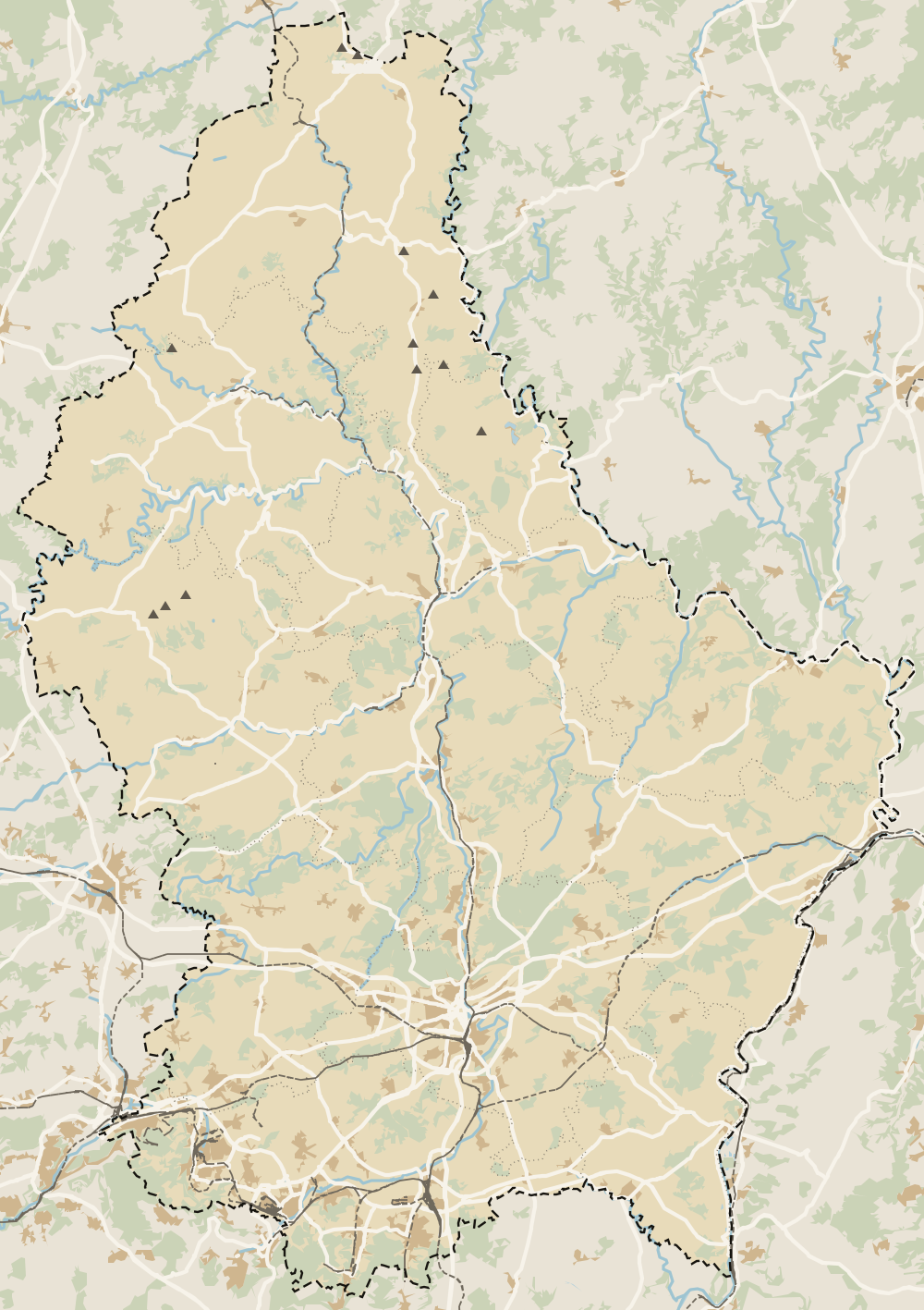 1Vianden 2Clervaux 3Wiltz 4Putscheid 5Tandel 6Esch-sur-Sûre 7Lac de la Haute-Sûre (commune) 8Diekirch 9Ettelbruck 10Erpeldange-sur-Sûre 11Schieren 12Feulen 13Bettendorf 14Colmar-Berg 15Parc Hosingen 16Winseler 17Goesdorf 18Troisvierges 19Kiischpelt 20Weiswampach 21Boulaide 22Wincrange 23Bourscheid
 Map data © OpenStreetMap contributors (ODbL)
- 1ViandenCanton of Vianden, on the River Our
- 2ClervauxCommune of 6,327 people, canton of Clervaux
- 3WiltzCanton of Wiltz, population 8,538
- 4PutscheidCanton of Vianden, 27.13 km²
- 5TandelCanton of Vianden, 11 localities
- 6Esch-sur-SûreCanton of Wiltz, commune population 3,373
- 7Lac de la Haute-Sûre (commune)Canton of Wiltz, population 2,320
- 8DiekirchCanton of Diekirch, the Nordstad
- 9EttelbruckCanton of Diekirch, heart of the Nordstad
- 10Erpeldange-sur-SûreCanton of Diekirch, next to Ettelbruck
- 11SchierenCanton of Diekirch, 3 localities
- 12FeulenCanton of Diekirch, Niederfeulen and Oberfeulen
- 13BettendorfCanton of Diekirch, Bettendorf, Gilsdorf and Moestroff
- 14Colmar-BergCanton of Mersch, 2 localities
- 15Parc HosingenCanton of Clervaux, 272 to 517 m
- 16WinselerCanton of Wiltz, population 1,590
- 17GoesdorfCanton of Wiltz, population 1,682
- 18TroisviergesCanton of Clervaux, the country's far north
- 19KiischpeltCanton of Wiltz, population 1,309
- 20WeiswampachCanton of Clervaux, on the Belgian border
- 21BoulaideCanton of Wiltz, population 1,579
- 22WincrangeCanton of Clervaux, 113.36 km²
- 23BourscheidCanton of Diekirch, 206 to 513 m
0 of 425 Luxembourg guides
Your next stamp
- Rollingergrund
- Bock Casemates
- Groussbus-Wal
- Schieren
- Tandel
- Rambrouch
- St Michael's Church
- Weiler-la-Tour
- A Possen Museum
- American Cemetery
- Ansembourg
- Ansembourg Castles
- Asselborn
- Bascharage
- Beaufort castles
- Belval
- Belval blast furnaces
- Berg Castle
- Bernard-Massard cellars
- Bourglinster Castle
- Bourscheid Castle
- Brandenbourg
- Brandenbourg Castle
- Caves St Martin
- Christmas
- Clervaux Castle
- Echternach
- Echternach Abbey
- Ehnen
- Ehnen Wine Museum
- Esch-sur-Alzette
- Esch-sur-Sûre Castle
- European Museum Schengen
- Fond-de-Gras
- General Patton Museum
- German war cemetery
- Haff Réimech
- Hohllay
- Hollenfels Castle
- Hosingen
- Kautenbach
- Kneiff
- Koerich Castle
- Larochette Castle
- Lasauvage
- Mersch Castle
- Military History Museum
- Moersdorf
- Mondorf Domaine Thermal
- Munsbach Castle
- National Mining Museum
- Parc Merveilleux
- Park Sënnesräich
- Places to visit
- Remich
- Rindschleiden
- Schiessentümpel
- Septfontaines Castle
- Slate Museum
- Stolzembourg
- Tudor Museum
- Useldange Castle
- Valley of the Seven Castles
- Vianden
- Vianden Castle
- Ville Haute
- Wasserbillig Aquarium
- Weiswampach lakes
- Wiltz Castle
- Ahn
- Berdorf
- Bourscheid-Plage
- Butterfly garden
- Clervaux
- Differdange
- Echternach lake
- Grevenmacher
- Heringer Millen
- Hollenfels
- Luxembourg City
- Luxembourg Science Center
- Meysembourg Castle
- Mullerthal
- National Day
- National Resistance Museum
- Perekop
- Remerschen
- Schoenfels Castle
- The Family of Man
- Things to do
- Upper Sûre Lake
- Vianden chairlift
- Wasserbillig
- Clervaux Abbey
- Echternach Roman villa
- Éislek
- Insenborn
- Kallektuffquell
- Machtum
- Most beautiful places
- Our Nature Park
- Pétange
- Pettingen Castle
- Schueberfouer
- Schwebsingen
- Victor Hugo House
- Waldbillig
- Dudelange
- Kuelscheier
- Lultzhausen
- Moselle Valley
- Octave
- Prettiest villages
- Sanem
- Schengen
- Wellenstein
- Wiltz
- Wolfsschlucht
- Beaufort
- Bech-Kleinmacher
- Éimaischen
- Gaalgebierg
- Guttland
- Marnach
- Mondorf-les-Bains
- Putscheid
- Schifflange
- UNESCO World Heritage
- Carnival
- Consdorf
- Ellergronn
- Käerjeng
- Kayl
- Map
- Minett
- Munshausen
- Bech
- Buergbrennen
- Esch-sur-Sûre
- Rumelange
- Where is Luxembourg
- Is it a country?
- Lac de la Haute-Sûre (commune)
- Rosport-Mompach
- Wormeldange
- Larochette
- Mondercange
- Regions
- Bettembourg
- Cantons
- Dancing procession
- Diekirch
- Fischbach
- Garnich
- Mersch
- Moselle wine route
- Ettelbruck
- Grund
- Heffingen
- Kehlen
- Lintgen
- Moselle river cruises
- Pétrusse Casemates
- Towns and villages
- Chemin de la Corniche
- Erpeldange-sur-Sûre
- Junglinster
- Kopstal
- Lorentzweiler
- Nommern
- Pfaffenthal
- Population
- Bissen
- Clausen
- Grand Ducal Palace
- Koerich
- Size
- Vallée de l'Ernz
- Kirchberg
- Languages
- Notre-Dame Cathedral
- Reisdorf
- Steinfort
- Bettendorf
- Habscht
- Helperknapp
- Luxembourgish
- Place Guillaume II
- Name
- Place d'Armes
- History
- Place de la Constitution
- Grand Duke
- Colmar-Berg
- Flaxweiler
- Gare
- Hamm
- Kirchberg funicular
- Luxembourg fortress
- Mamer
- Mertert
- Minett Trail
- Mullerthal Trail
- Neumünster Abbey
- Parc Hosingen
- Pfaffenthal lift
- Political system
- Redange
- The Passerelle
- Wine festivals
- Winseler
- Beckerich
- Biwer
- EU institutions
- Goesdorf
- Limpertsberg
- Mudam
- Natur Musée
- Pulvermühl
- Stadtbredimus
- Troisvierges
- Wenzel walk
- Bonnevoie
- Bous-Waldbredimus
- Ell
- Flag
- Kiischpelt
- Manternach
- Philharmonie
- Vauban circuit
- Weiswampach
- Betzdorf
- Boulaide
- Dräi Eechelen Museum
- Facts
- Hollerich
- Lenningen
- Useldange
- Wincrange
- Bourscheid
- Dalheim
- Gasperich
- Public holidays
- Red Bridge
- Saeul
- Belair
- Second World War
- Vichten
- Battle of the Bulge
- Merl
- Préizerdaul
- Cents
- EU and Schengen
- Entry requirements
- Neudorf
- Currency and payments
- Mertzig
- Weimerskirch
- Adolphe Bridge
- Beggen
- Escapardenne
- How to get there
- International March of Diekirch
- MNHA (National Museum)
- Rock climbing
- Sandweiler
- Bridges
- Eich
- Flights
- Golf
- Hesperange
- Lëtzebuerg City Museum
- Canoeing and kayaking
- Dommeldange
- Luxembourg airport
- Strassen
- Villa Vauban
- Airport to city centre
- Bertrange
- Casino Luxembourg
- Mühlenbach
- Swimming pools
- From Brussels
- Pétrusse Valley
- Walferdange
- Cessange
- Day trip from Brussels
- Municipal Park
- Steinsel
- Free walking tours
- From Paris
- Niederanven
- From Frankfurt
- Schuttrange
- Sightseeing train and bus
- By train
- Contern
- By coach
- Driving
- Luxembourg in one day
- Pretzel Sunday
- Rham Plateau
- Tour de Luxembourg
- Candlemas (Liichtmëssdag)
- Car hire
- Luxembourg in two days
- Saint-Esprit Plateau
- Luxembourg in three days
- Melusina statue
- Parking
- St Nicholas Day (Kleeschen)
- Fête de la Musique
- Luxembourg in four days
- Museums in Luxembourg
- Petrol
- Place de Clairefontaine
- A week in Luxembourg
- Getting around
- Luxembourg Marathon
- Tram and Bus Museum
- Free public transport
- Parks in Luxembourg City
- Road trip
- Belgium and Luxembourg
- Tram
- Buses
- Viewpoints
- Trains
- Luxembourg station
- Cycling
- LuxembourgPass
- Prices and budget
- On a budget
- Free things to do
- Mobile and roaming
- Healthcare
- Safety
- Scams
- Tourist information
- Packing list
- Swimming lakes
- With a dog
- Markets
- Tipping
- Shopping
- What to buy
- Shopping centres
- With kids
- For couples
- Playgrounds
- Adventure parks
- Nightlife
- Castles
- Theatres and concert venues
- Leudelange
- Nature parks
- Where to stay
- City-centre hotels
- Hiking
- Nature reserves
- Reckange-sur-Mess
- Hotels near the station
- Roeser
- Frisange
- Hotels in Kirchberg
- Airport hotels
- Dippach
- Hotels in Vianden
- Hotels in Echternach
- Hotels in Clervaux
- Hotels in Mondorf-les-Bains
- Hotels in Esch-sur-Alzette
- Hotels on the Moselle
- Mullerthal hotels
- Upper Sûre lake hotels
- Hotels in Diekirch and Ettelbruck
- Cheap hotels
- Luxury hotels
- Boutique hotels
- Spa hotels
- Family hotels
- Apartments
- Weather
- Youth hostels
- Best time to visit
- Campsites
- Holiday cottages
- In winter
- Castle hotels
- In spring
- Day trips
- In summer
- Around Luxembourg
- In autumn
- Ice skating
- Trier day trip
- Metz day trip
- Arlon day trip
- In January
- In February
- In March
- In April
- In May
- In June
- In July
- In August
- In September
- Food
- In October
- In November
- Where to eat
- In December
- Michelin restaurants
- Cheap eats
- Judd mat Gaardebounen
- Bouneschlupp
- Gromperekichelcher
- Kniddelen
- Quetschentaart
- Rieslingspaschtéit
- Events
- Wine
- Crémant
- Beer
Frequently asked questions
Where is Feulen?
In the canton of Diekirch in northern Luxembourg, west of Ettelbruck. It's made up of Niederfeulen, on the Feul stream, and Oberfeulen, on the Michelbach, in the Wark valley.
What's Feulen's link with Luxembourg City?
According to the commune, in 963 Count Siegfried exchanged his Feulen lands with the abbey of St Maximin in Trier for the Bock rock, where he built the castle from which the capital grew.
What is the Hennesbau?
Niederfeulen's arts centre, at 15C rue de la Fail. It was built in 1827 as a bark, oil and saw mill, and the commune turned it into a cultural centre after buying it in 1979.
When was Feulen liberated?
On 22 December 1944, by the 1st Battalion of the US 319th Regiment under Lieutenant Colonel Hiram Dudley Ives, now an honorary citizen. A 1951 memorial remembers the 17 young men from Feulen who never came home.
Where should I stay near Feulen?
In Ettelbruck or Diekirch, the nearby towns with hotels, a station and connections across the north.
By
Tourism graduate with a master’s in Tourism Management and Planning from the University of Málaga, who has travelled across Europe. He writes every guide from official sources and his own judgement.
Published on . Facts checked on .
Sources
Some links in this guide are affiliate links: if you book through them, the site earns a commission at no extra cost to you. Affiliate disclosure
Photos: GilPe (CC BY-SA 4.0), via Wikimedia Commons.