Minett, the iron country that became a biosphere reserve
The Minett is southern Luxembourg, the Red Lands, named after minette, the iron ore that made the country rich. Since 28 October 2020 it has been a UNESCO biosphere reserve covering 11 communes, around 200 km² and almost a third of the population. People come for the Belval blast furnaces, the Fond-de-Gras heritage trains and old mines turned into nature reserves.
In 30 seconds
Full read: 3 min
The Minett is Luxembourg's old mining south, the Red Lands.
It has been a UNESCO biosphere reserve since 28-10-2020, with 11 communes and about 200 km².
The highlights are the Belval blast furnaces, Fond-de-Gras and the Resistance Museum.
The train from the capital to Esch, Differdange and Pétange is free in second class.
Nobody comes to the Minett for pretty, they come for the story, and that interests me more than yet another castle. With a single day I'd do Belval in the morning and Fond-de-Gras in the afternoon, and I'd make it a Sunday, because that's when the heritage trains run.
Sergio LeponeMy advice
Before you go
What I would keep in mind
01 Most beautiful
A blast furnace with a platform at 40 m
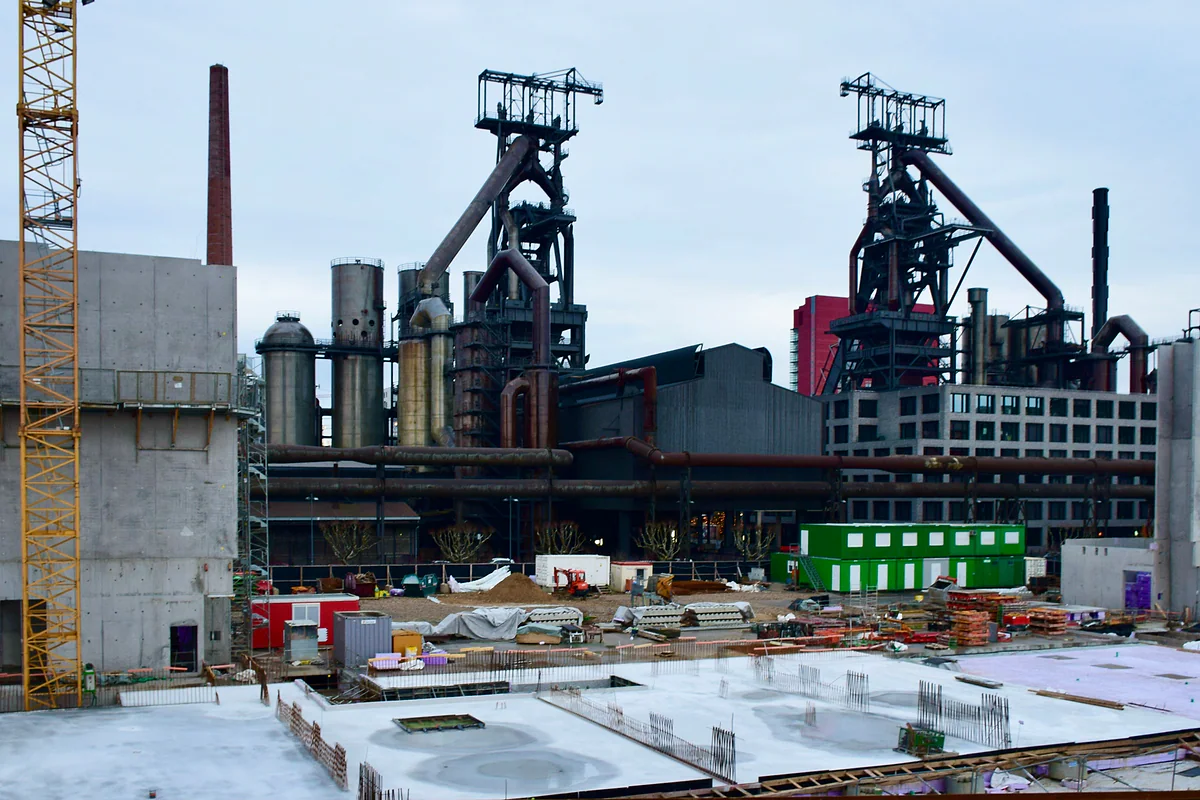
At Belval you climb blast furnace A, the only one open to visitors in Luxembourg, to a platform 40 metres up overlooking the new district, the university and what remains of the works.
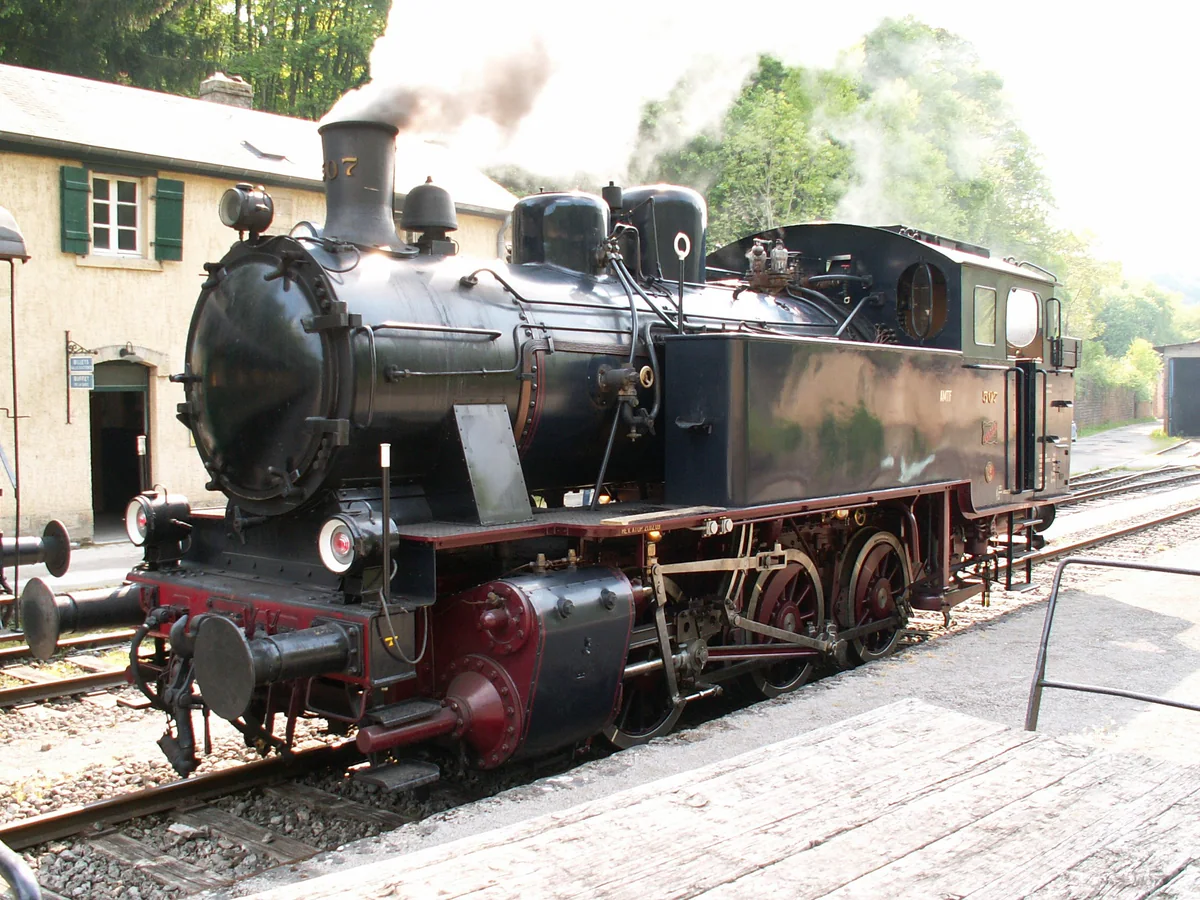
The Train 1900 climbs from Pétange to Fond-de-Gras, and from there the Minièresbunn plunges into a 1,400-metre gallery on its way to Lasauvage. Both only run in season, May to September.
The CFL line from Luxembourg City to Esch, Belval, Differdange and Pétange costs nothing in second class within the country. It covers half the Minett without a hire car.
My own scores out of 10, weighing how unique each place is within Luxembourg and how easy it is to reach without a car. Prices as published in September 2026.
More than a hundred hands-on experiments in Differdange. With children it's the safest rainy-day plan in the south.
Price: €17
7.9 out of 10
Most people leave the Minett out of a first trip to Luxembourg, and I understand why. There are no castles on crags and no chocolate-box villages. What it has is the story of how a farming country got rich on iron and what it did with the works once they closed, and seen on the spot that story is more gripping than you’d expect.
Why the south is red
The region is named after minette, the bright red iron ore that shows through the soil in the south. Luxembourg’s official portal explains that the deposits were found in the 1840s, that they launched the country’s industrial revolution and that iron stayed the backbone of the economy until the crisis of the 1970s. According to visitluxembourg, extraction carried on until the end of that decade.
The industry needed workers, and the south filled up with them. First came farmhands from the north, then waves of Germans, Italians and, from the 1960s, Portuguese. That’s why the Minett towns are the most mixed in the country, and Esch-sur-Alzette alone is home to more than 120 nationalities.
A biosphere reserve in mining country
On 28 October 2020 UNESCO designated the Minett a biosphere reserve. It covers 11 communes and around 200 km² where almost a third of Luxembourg’s people live, according to the government portal. For me it’s the clearest sign of how far the region has come, because the open-cast pits the miners left behind are now reserves full of orchids, butterflies, wild bees and birds.
The biggest is Haard-Hesselsbierg-Staebierg, shared by Dudelange, Kayl and Rumelange, at 600 ha the largest nature reserve in the country. Others are easy to explore, such as Ellergronn, just south of Esch, or Prënzebierg and Giele Botter between Pétange and Differdange, where red earth and green woodland take turns.
First on my list would be the Belval blast furnaces in Esch-sur-Alzette. The ECSC, the European coal and steel community, held its first symbolic casting there in 1953, and Luxembourg steel’s last symbolic casting came in 1997. Today blast furnace A is open to visitors, with a platform 40 metres up, surrounded by the university and research centres that took over the old works.
Second is Fond-de-Gras, a mining valley turned open-air museum. The Train 1900 steams up from Pétange, then the narrow-gauge Minièresbunn carries on through a gallery to the village of Lasauvage. Both run in season, from May to the last weekend of September, mostly on Sundays.
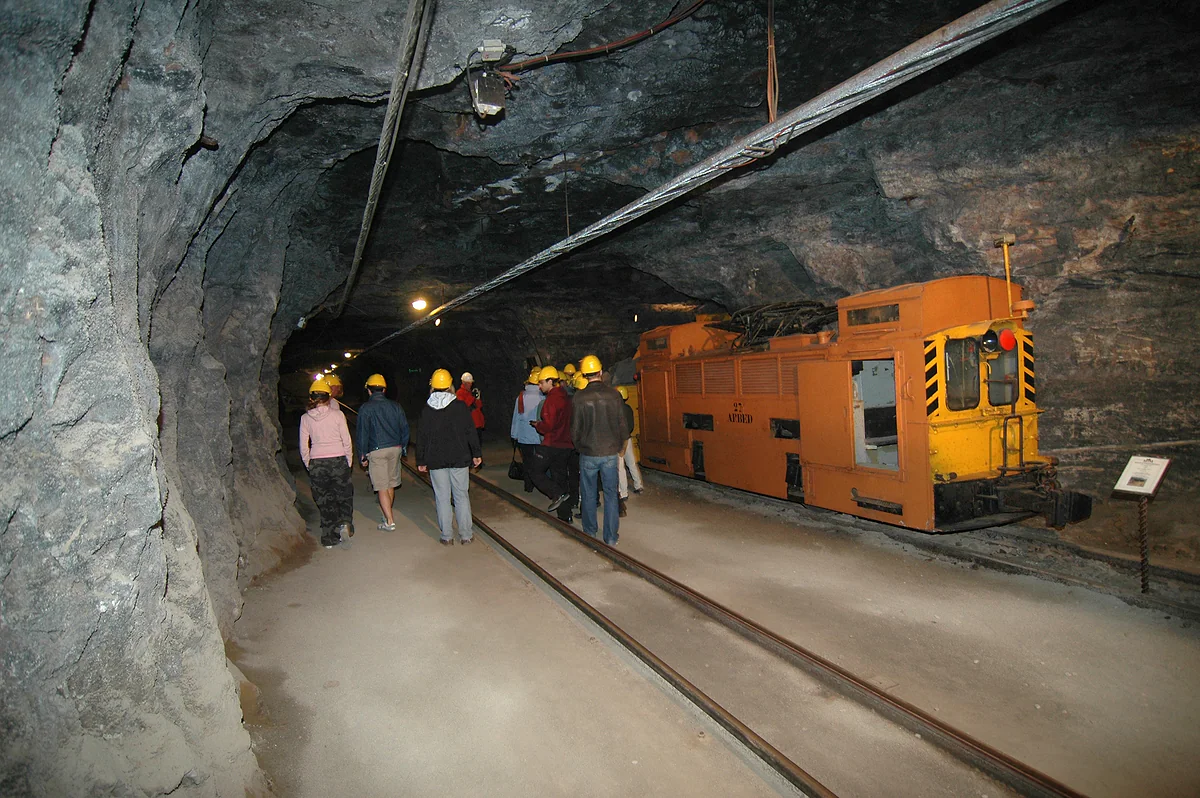
Third is the National Resistance Museum in central Esch, which was renovated and opened a new permanent exhibition in 2024. Beyond this shortlist sits Rumelange, whose National Mining Museum runs a train into an underground mine.
The towns
Esch-sur-Alzette is the capital of the south and, by population, Luxembourg’s second city. Differdange calls itself the Cité du Fer and is home to the Luxembourg Science Center. Pétange is where the Train 1900 departs and the commune of the Celtic hillfort on the Titelberg. Dudelange keeps the Petite Italie district, put up in the late 1800s for the steelworkers, and a documentation centre on human migration. Then come Sanem, Schifflange, Kayl, Rumelange, Mondercange, Bettembourg and Käerjeng, the only one of the eleven outside the canton of Esch.
The CFL line from the capital to Rodange runs through Bettembourg, Schifflange, Esch, Belval-Université, Differdange and Pétange. Second class is free within Luxembourg, so the train is the simplest way to cover the Minett. Just remember that the free fare stops at the border. For Fond-de-Gras, the park itself points out that there’s no public transport into the valley on weekdays, while bus line 6 covers it on Sundays.
On foot, by bike or by car
The Minett Trail runs for 90 km in ten stages linking the main towns, with two branches out of Esch and eleven huts to sleep in, the Kabaisercher. Visit Minett also suggests the Minett Cycle, 150 km by bike, and the Tour am Minett, a 90 km driving loop that isn’t signposted and is followed with a GPX file. Mountain bikers have the RedRock trails, laid out across the old mines.
One well-chosen day covers the essentials, and I’d pick a Sunday in season so as not to miss the trains. With two days I’d add the Rumelange mining museum, a walk through one of the reserves and an evening gig at the Rockhal in Belval. If you plan to stay over, look at the hotels in Esch-sur-Alzette, where almost all the beds are.
Blast furnaces A and B at Belval, rusty steel towers among the modern buildings of the new university quarter
Steam locomotive 507 of the Train 1900 letting off steam at Fond-de-Gras station, beside a stone building
A gallery of the National Mining Museum at Rumelange, with rails, an orange mine locomotive and visitors in helmets
The 11 communes of the biosphere reserve
Commune
Residents on 1-1-2026
What's there
Esch-sur-Alzette
38,275
Belval, Resistance Museum, Rockhal
Differdange
31,421
Science Center, Lasauvage, cooling towers
Dudelange
22,379
Petite Italie, Haard reserve
Pétange
21,290
Train 1900 departures, Titelberg
Sanem
19,611
Belvaux, Soleuvre, part of Belval
Schifflange
11,674
Red Rock skatepark, Alzette valley
Bettembourg
11,651
Parc Merveilleux
Käerjeng
11,343
Bascharage, Bofferding brewery
Kayl
9,989
Léiffrächen, mining reserves
Mondercange
7,312
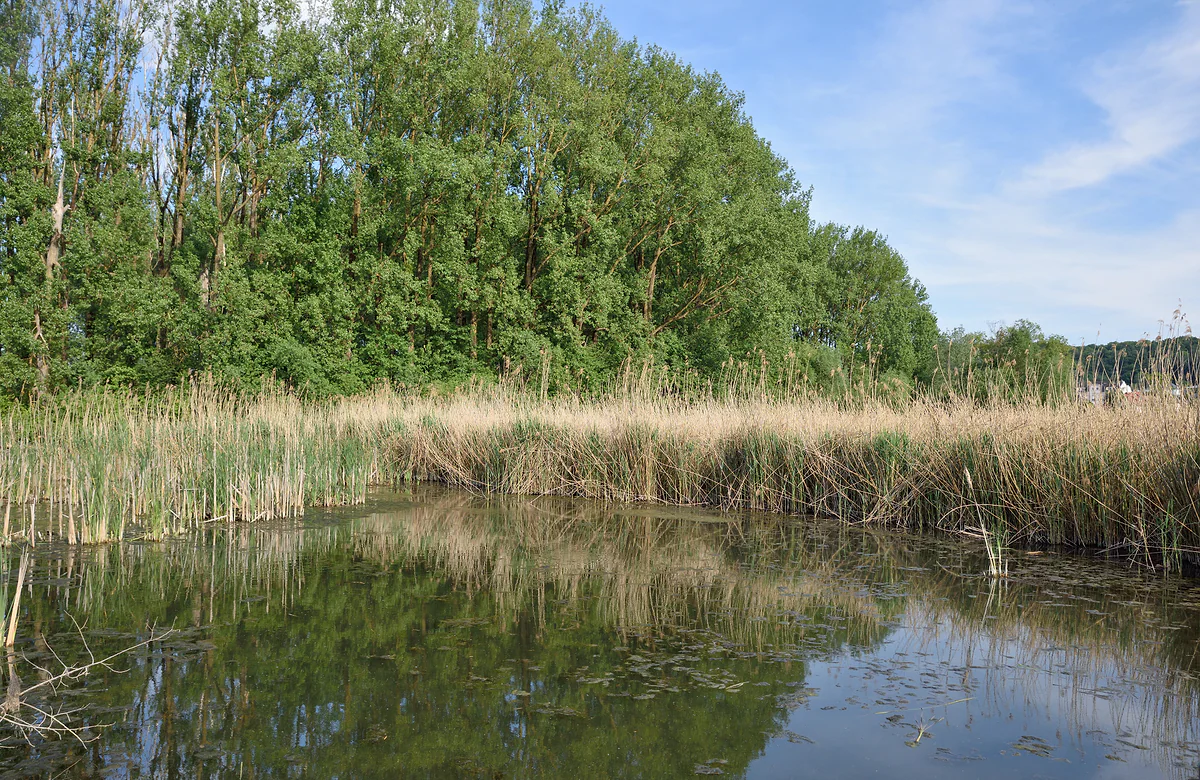
Mettendall pond
Rumelange
5,767
National Mining Museum
Biosphere list from luxembourg.public.lu; population from STATEC. Käerjeng is in the canton of Capellen, the other ten in the canton of Esch-sur-Alzette.
Ways to explore the Minett
Route
How
Length
Minett Trail
On foot, 10 stages
90 km
Minett Cycle
By bike
150 km
Tour am Minett
By car, not signposted
90 km
RedRock Mountainbike Trails
Mountain bike
Several loops
Visit Minett and luxembourg.public.lu, September 2026. The Tour am Minett is followed with the GPX file.
Test yourself
True or false?
0/3Pick before you peek.
The Minett takes its name from a type of iron ore.
See the answer
True. Minette is the bright red iron ore of the south, which gave the region its name and set off Luxembourg's industrial revolution.
The Minett biosphere reserve is made up of all 14 communes in the canton of Esch.
See the answer
False. There are 11 communes, and one of them, Käerjeng, is in the canton of Capellen. Frisange, Leudelange, Reckange-sur-Mess and Roeser are not on the list.
You can climb a blast furnace in the Minett.
See the answer
True. Blast furnace A at Belval is open to visitors and has a platform 40 metres up.
It's the south of the country, also known as the Red Lands after minette, the red iron ore that fed Luxembourg's steel industry. Today it's one of the six tourist regions and has been a UNESCO biosphere reserve since 2020.
Which towns are in the Minett?
The biosphere reserve is made up of 11 communes, Bettembourg, Differdange, Dudelange, Esch-sur-Alzette, Käerjeng, Kayl, Mondercange, Pétange, Rumelange, Sanem and Schifflange. The regional tourist office doesn't publish a separate membership list.
Why is it called the Red Lands?
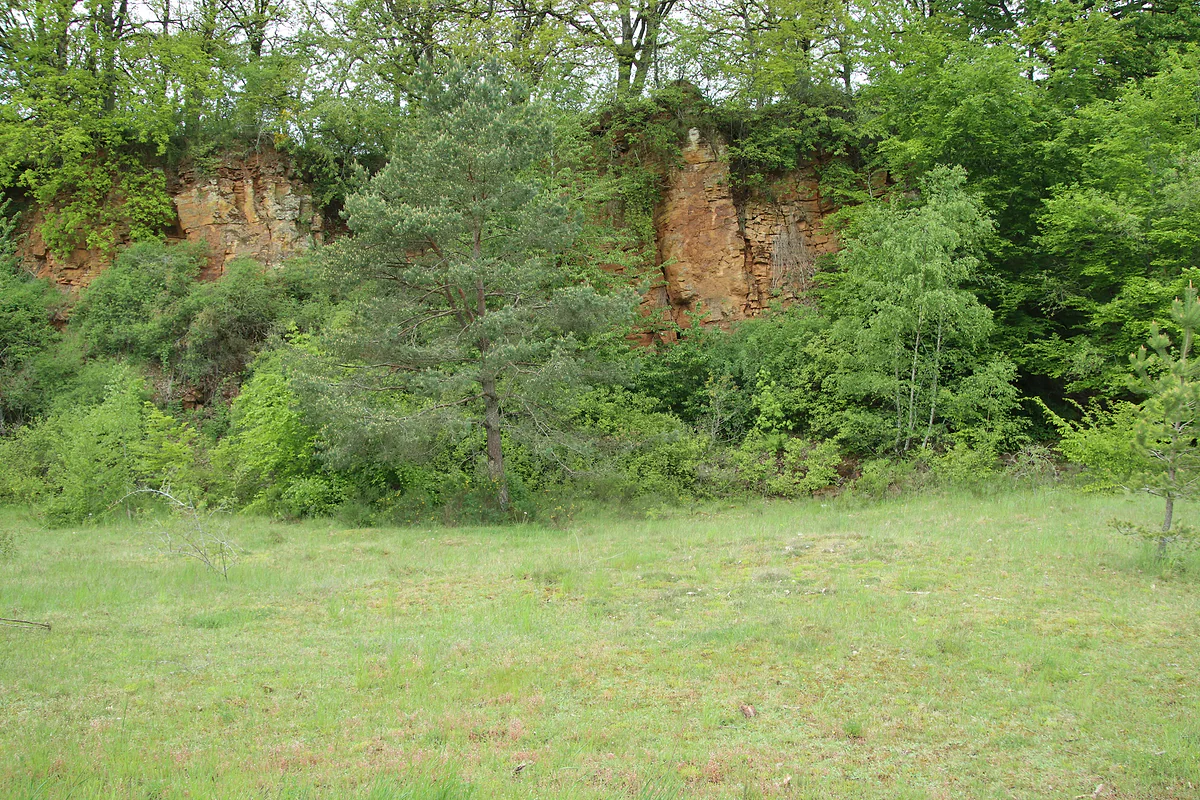
Because of the soil. The local iron ore, minette, is bright red, and the old open-cast workings left reddish rock faces that you still see in the nature reserves.
Is the Minett worth a day trip from Luxembourg City?
Yes, if industrial history appeals. The train is free in second class, Belval is a short ride away, and on a Sunday in season you can add the Fond-de-Gras steam train. Outside the season I'd swap the trains for the Science Center.
How do I get to the Minett from Luxembourg City?
By train on the CFL line to Esch-sur-Alzette, Belval, Differdange, Pétange and Rodange. Second class within the country is free, like all public transport in Luxembourg.
Where should I stay in the Minett?
In Esch-sur-Alzette, which had six hotels in 2025 and a 122-bed youth hostel. Walkers on the Minett Trail can also book one of its eleven huts, the Kabaisercher.
Tourism graduate with a master’s in Tourism Management and Planning from the University of Málaga, who has travelled across Europe. He writes every guide from official sources and his own judgement.