Sant Julià de Lòria, the parish most people drive straight through
Sant Julià de Lòria is Andorra's southernmost parish and the first you reach on the road up from La Seu d'Urgell. It had 10,300 residents on 31 August 2026. It holds Sant Serni de Nagol, consecrated in 1055, the Canòlich Sanctuary at 1,635 m, the car-free village of Auvinyà, the Juberri Gardens, four of the country's five wineries and Naturland at La Rabassa.
In 30 seconds
Full read: 4 min
Sant Julià de Lòria is Andorra's southernmost parish, the first you reach from Spain.
It had 10,300 residents on 31 August 2026.
The highlight is Sant Serni de Nagol, from 1055, with wall paintings and a view over the valley.
It has four of the country's five wineries and Naturland at La Rabassa.
I'd give Sant Julià a well-spent half day before carrying on to the capital. Sant Serni de Nagol for the view in the morning, a stroll round Auvinyà at lunchtime and a winery if there's time left. It's the parish that improves most once you stop thinking of it as the supermarket strip.
Sergio LeponeMy advice
Before you go
What I would keep in mind
01 Most beautiful
A church that looks down on the whole valley
Sant Serni de Nagol was consecrated in 1055 and sits at 1,145 m above the town. Its wall paintings were uncovered in 1978, and in October and November it opens Tuesday to Saturday, free of charge.
Sant Serni, Canòlich and the parish church charge nothing to go in. The Sant Julià Màgica family trail, 3 km long, comes with a free activity book from the tourist office.
03 Worth the splurge
A tasting in wine country
Four of Andorra's five wineries are here, including Borda Sabaté, Casa Beal in Nagol and Casa Auvinyà. Visits are by appointment, and it's the best excuse to stay the night.
Andorra Direct Bus makes its only stop inside the country at Sant Julià, outside the E.Leclerc. Within Andorra, the L1 and the Bus Exprés run up to Andorra la Vella and Escaldes.
My own marks out of 10, for someone with half a day or a full day. I weigh what each place gives back for the detour and if you'd find it in another parish. Personal opinion, nothing more.
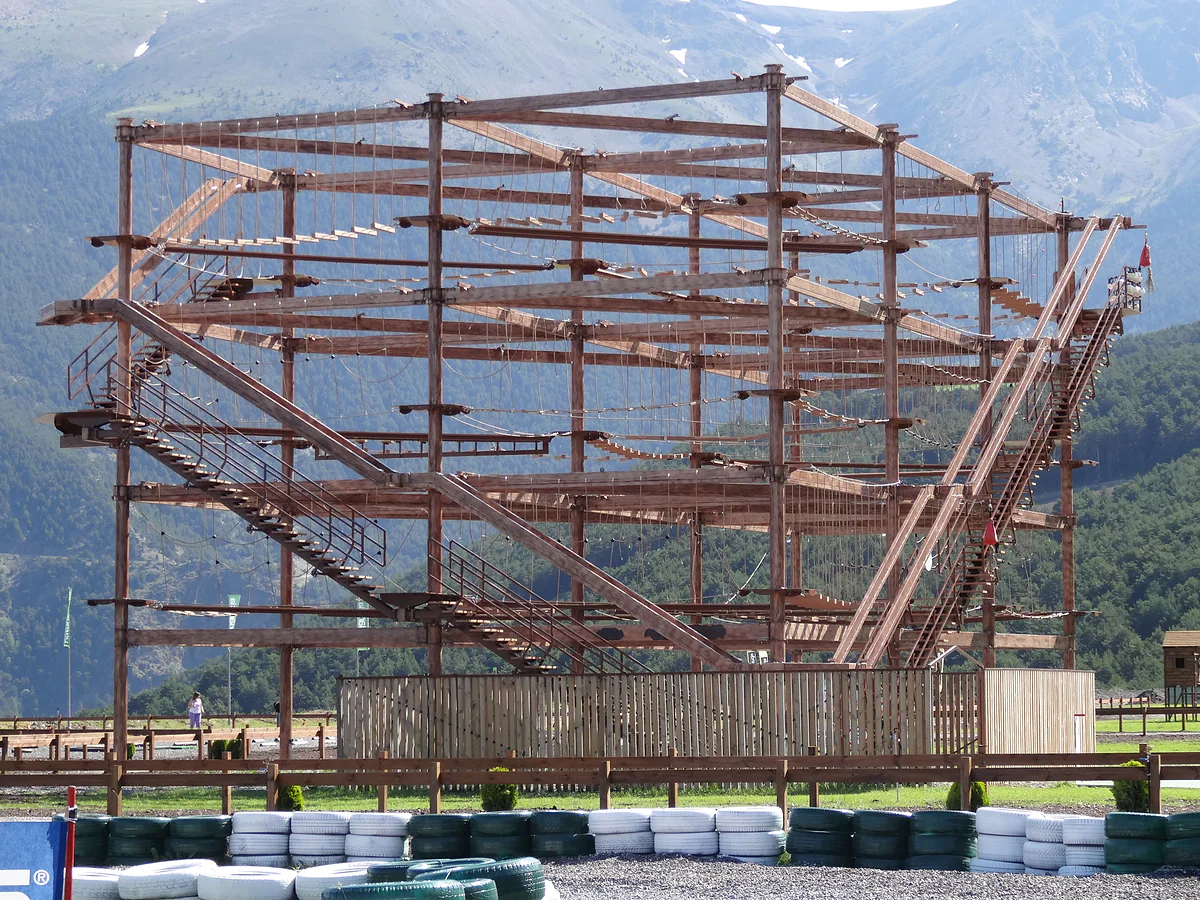
The adventure park at La Rabassa, with its 5.3 km mountain coaster. A family day out rather than a heritage stop.
Time: Half a day
7.4 out of 10
Coming up from La Seu d’Urgell, almost everyone crosses Sant Julià de Lòria with their eyes on the hypermarket signs. That’s understandable, it’s the first thing you see. Above that retail strip, though, sits a parish of small villages, Romanesque churches and steep vineyards that very few visitors bother with, and I’d happily give it half a day of any trip.
Where it is and why it feels different
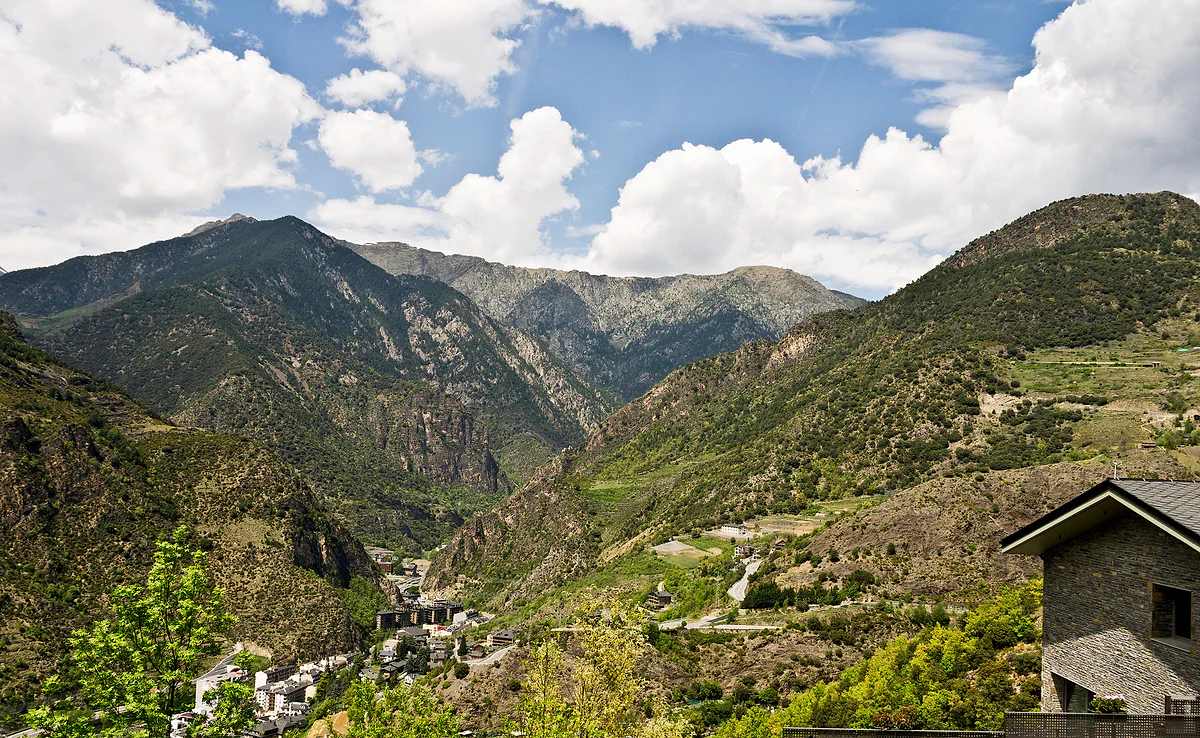
This is the southernmost parish, right against Catalonia, and Andorra Turisme calls it the Principality’s front door. It had 10,300 residents at the end of August 2026, per the latest Statistics Department release. The town fills the floor of the Gran Valira valley, and the villages are scattered up the slopes a few minutes’ drive away, each with its own church or chapel.
What sets it apart is the pace. There are no big ski areas or gondolas, and the heritage is almost always free and queue-free. If you want the feel of mountain villages without driving over a pass, this is your parish. The Comú has also signposted several viewpoints with information panels. My pick is the Coll de Jou, at 1,140 m on the CS-140, where the box scrub turns from yellow to red as winter sets in and kestrels hunt over the slope all year.
What to see in Sant Julià de Lòria
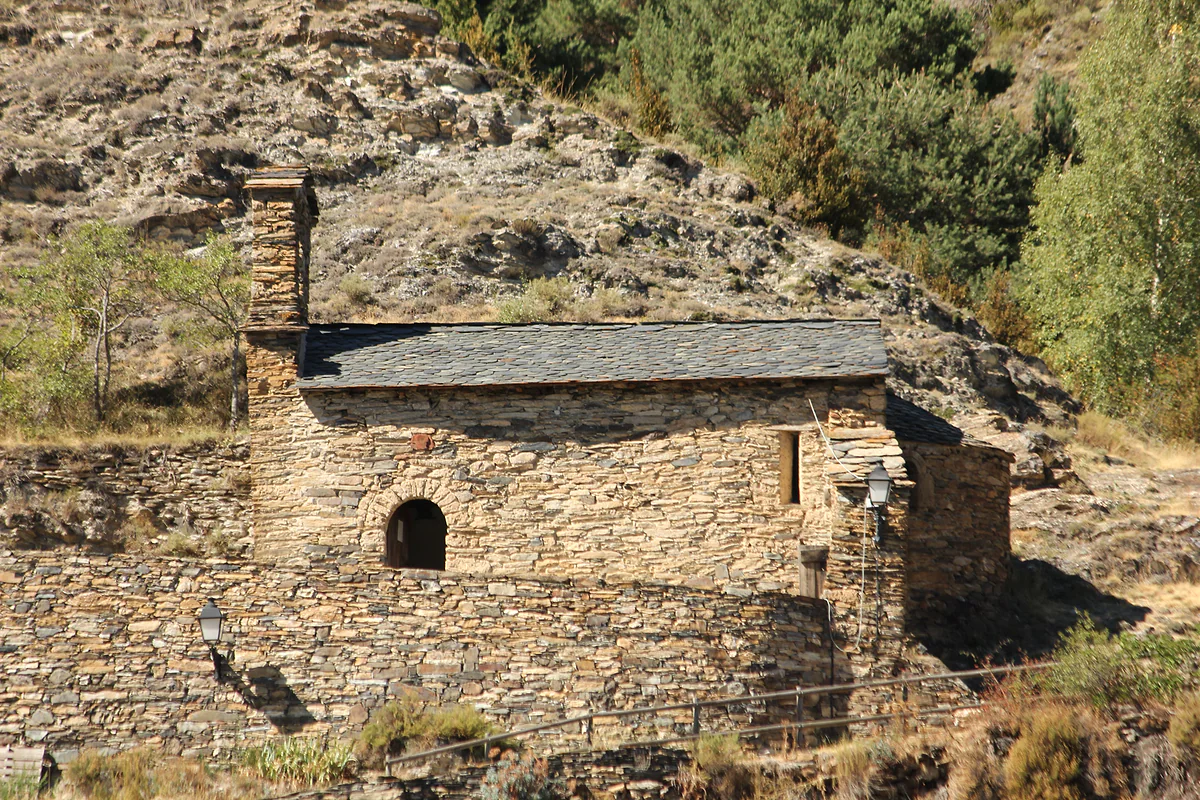
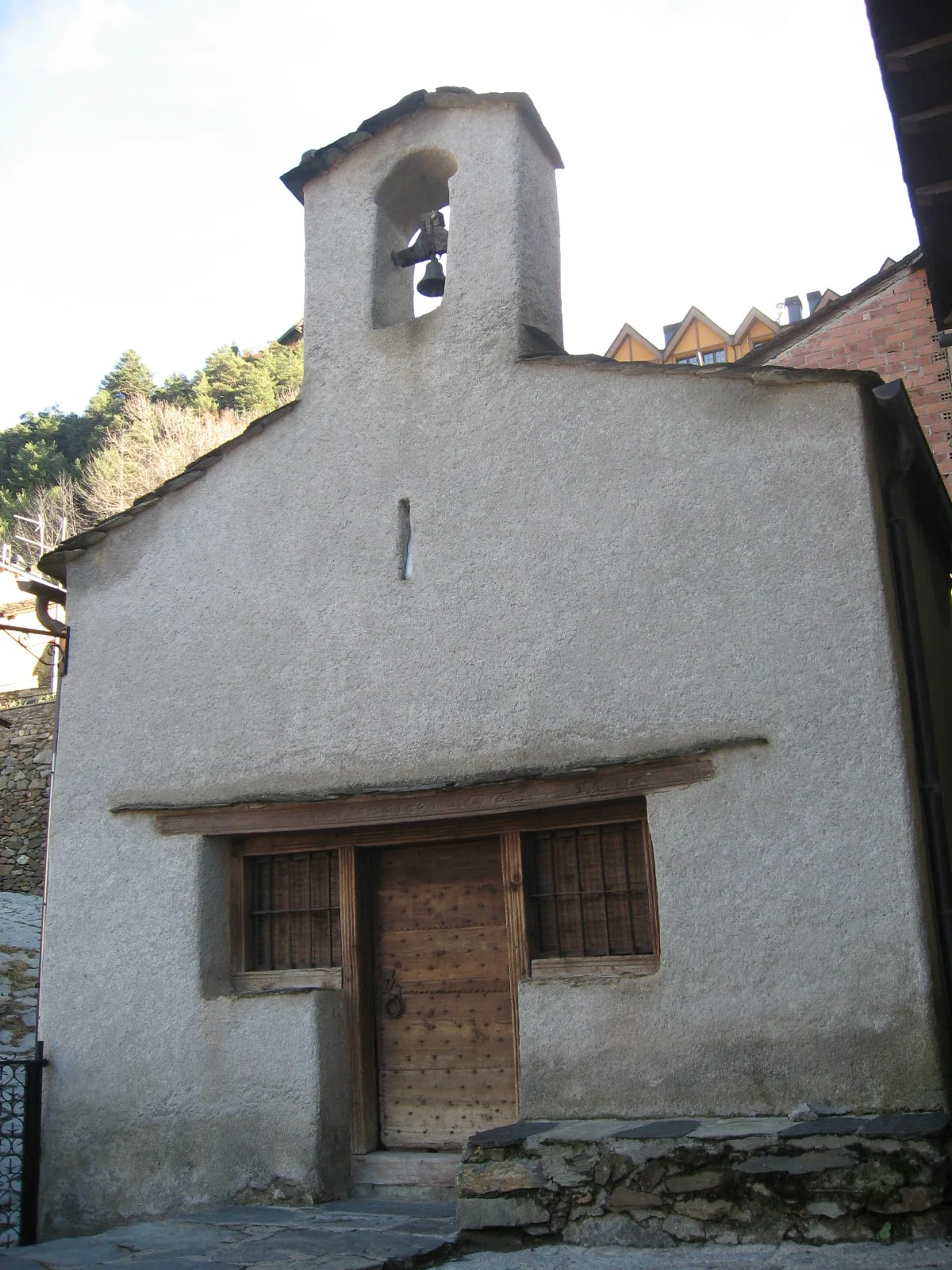
I’d start high up. Sant Serni de Nagol was consecrated in 1055, before the Lombard style reached Andorra, which is why it’s so plain outside. Inside are wall paintings found in 1978, drawn in a strikingly primitive hand, and the terrace looks over the whole valley. It’s 2.2 km from the centre along the Nagol road.
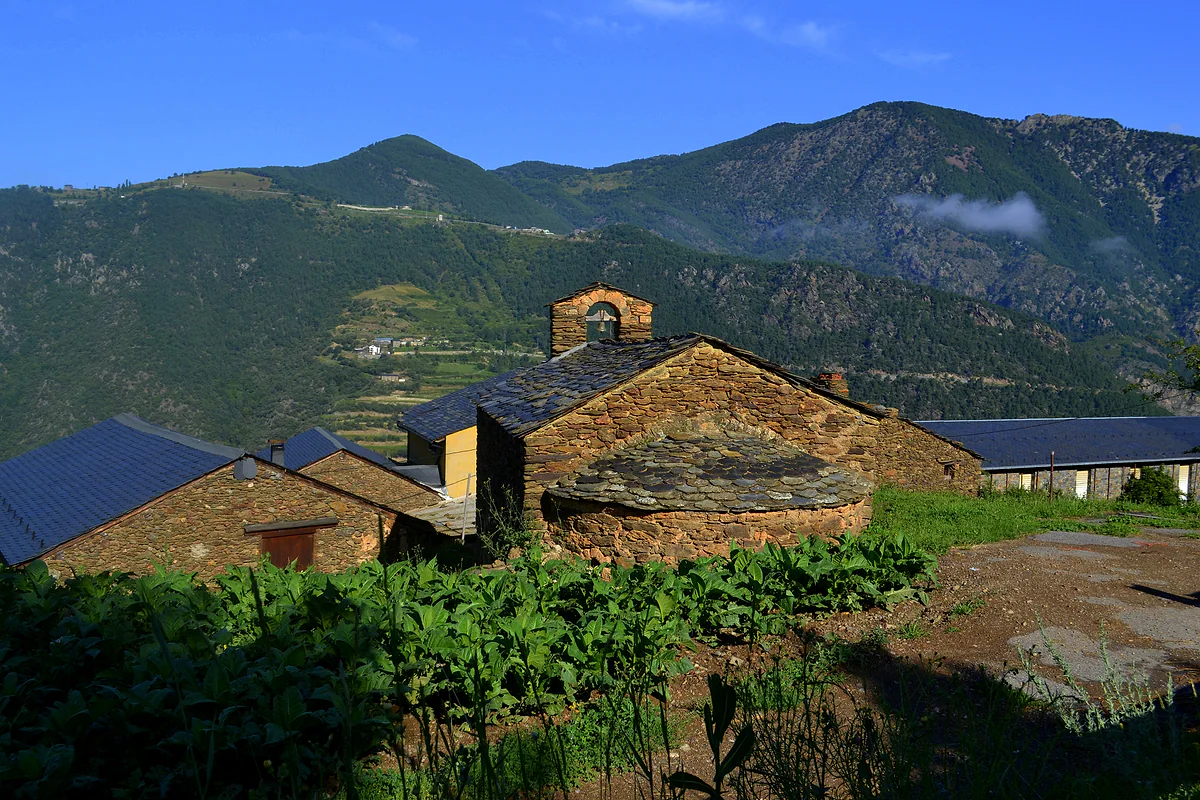
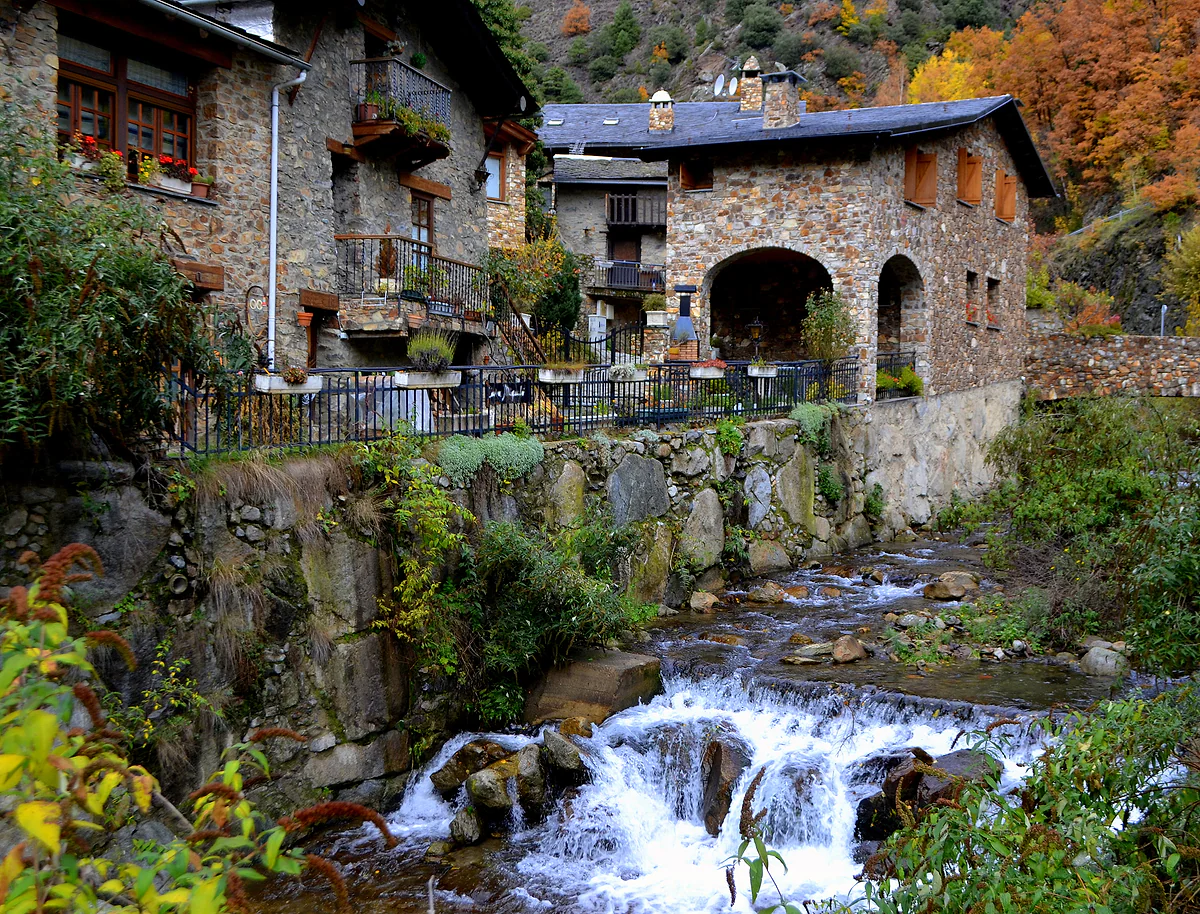
Then I’d drop down to Auvinyà, a car-free village of stone, timber balconies and wrought-iron lamps. Andorra Turisme is upfront that it’s a medieval-style village built in the 21st century, and I rather like that honesty. It doesn’t spoil the walk.
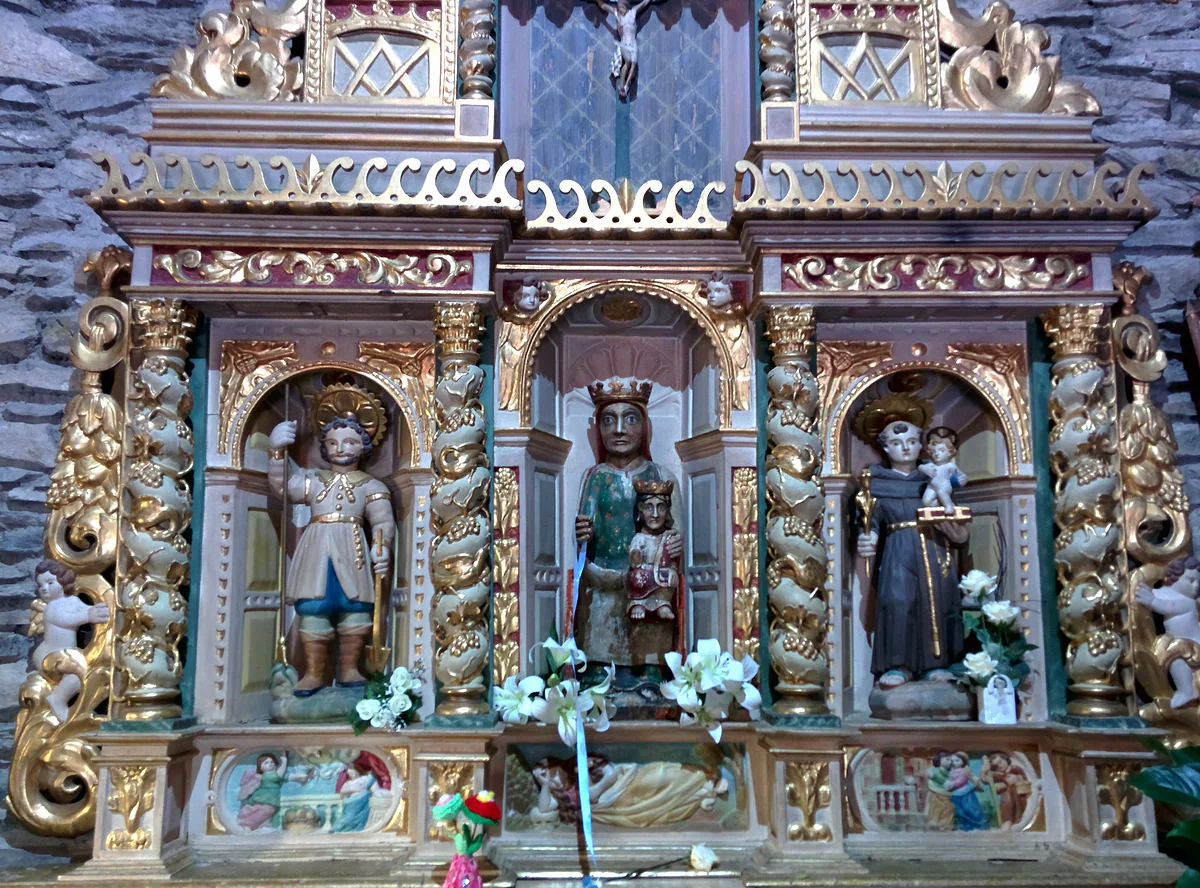
Third comes the Canòlich Sanctuary at 1,635 m, home of the parish patron. The building dates from the early 20th century on a site recorded as far back as 1176, with a Baroque altarpiece and ceramic murals by Sergi Mas. With children in tow, add the Juberri Gardens, where animal sculptures stand among clipped hedges at 1,250 m.
The town in an hour
The centre is easy on foot. Of its Romanesque origins, Sant Julià i Sant Germà keeps only the three-storey Lombard bell tower, but inside is the parish’s real treasure, the 12th-century statues of Our Lady of Canòlich and Our Lady of the Remei, a 16th-century Christ and, since 2019, 200 m² of mosaic across the sanctuary. Entry is free, and a guided visit costs €2 if you book.
Close by are the Font dels Cóms, a century-old fountain made from a millstone on the street once used by the royal road from La Seu, the Casa Comuna, opened in 1927, and Subirachs’s bust of Clio in Plaça de Calonge. The tourist office lends an audio guide for the Ronda Laurediana walk, which traces the town from the 12th century onwards. The Reig tobacco works ran from 1909 to 1957; its museum closed in January 2022 and now lives online only.
Wine, shopping and Naturland
Four of Andorra’s five wineries are in this parish, which I find the most surprising fact about the place. The details are in Andorran wine. The big stores by the border are the other draw, and it’s worth checking the customs limits before you fill the boot. A few kilometres away at La Rabassa, Naturland Andorra has the Tobotronc coaster and cross-country skiing. Cyclists know the parish for the long haul up to the Coll de la Gallina, which tops out at 1,910 m with a monument to Joaquim «Purito» Rodríguez at the top and a history as a Vuelta stage finish.
Getting around and how long to stay
The L1 bus links Sant Julià with Andorra la Vella and Escaldes, the Bus Exprés runs the same corridor with fewer stops and the BN1 covers the night. The hillside villages are easier by car, and the Comú’s pay-and-display costs €1.85 an hour. Half a day covers Nagol, Auvinyà and the town; a full day adds Canòlich or a winery. If you’d like to stay, see hotels in Sant Julià de Lòria. With more time, the parish’s small villages, such as Bixessarri or Llumeneres, each have a page of their own. And if you carry on into Spain, La Seu d’Urgell is the first town on the N-145, as I explain in places to visit near Andorra.
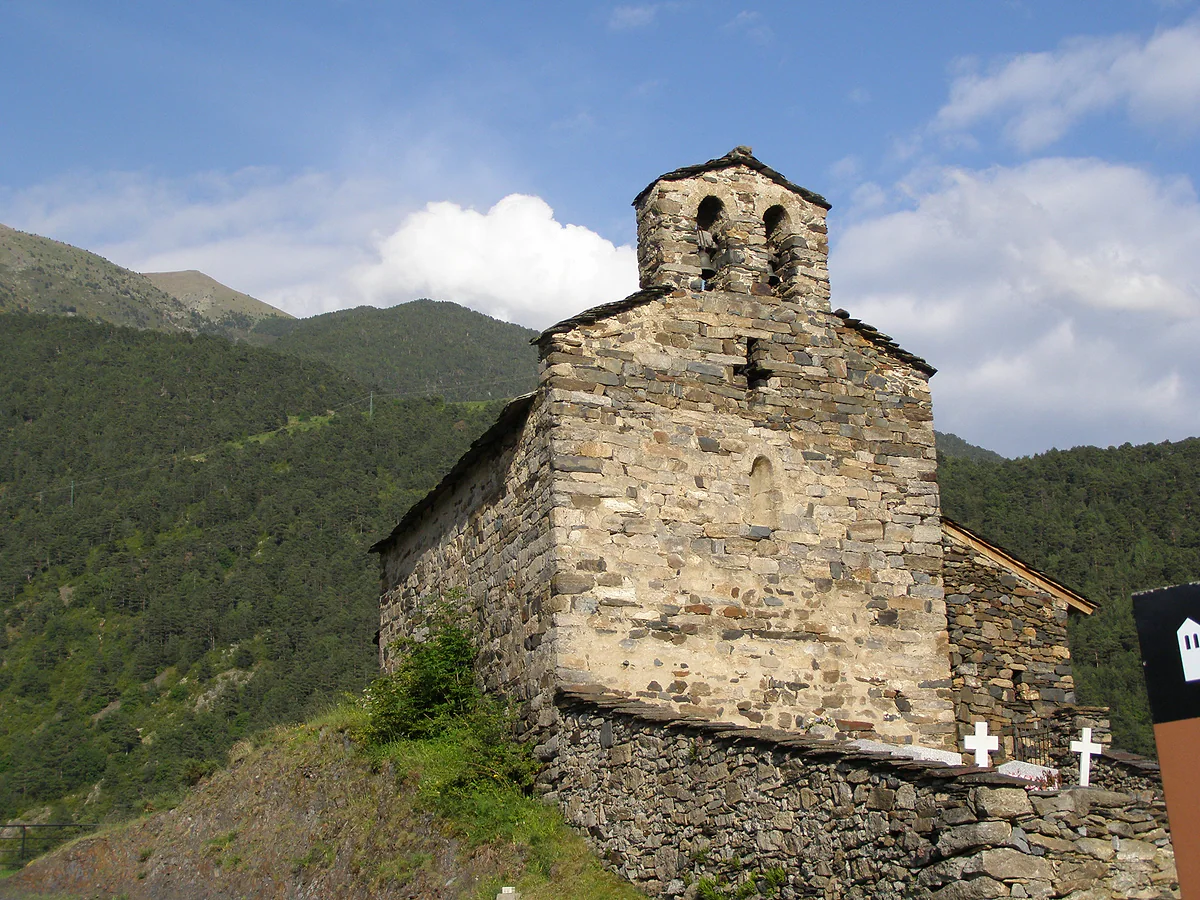
The pre-Romanesque church of Sant Serni de Nagol, with a double bellcote, above Sant Julià de Lòria
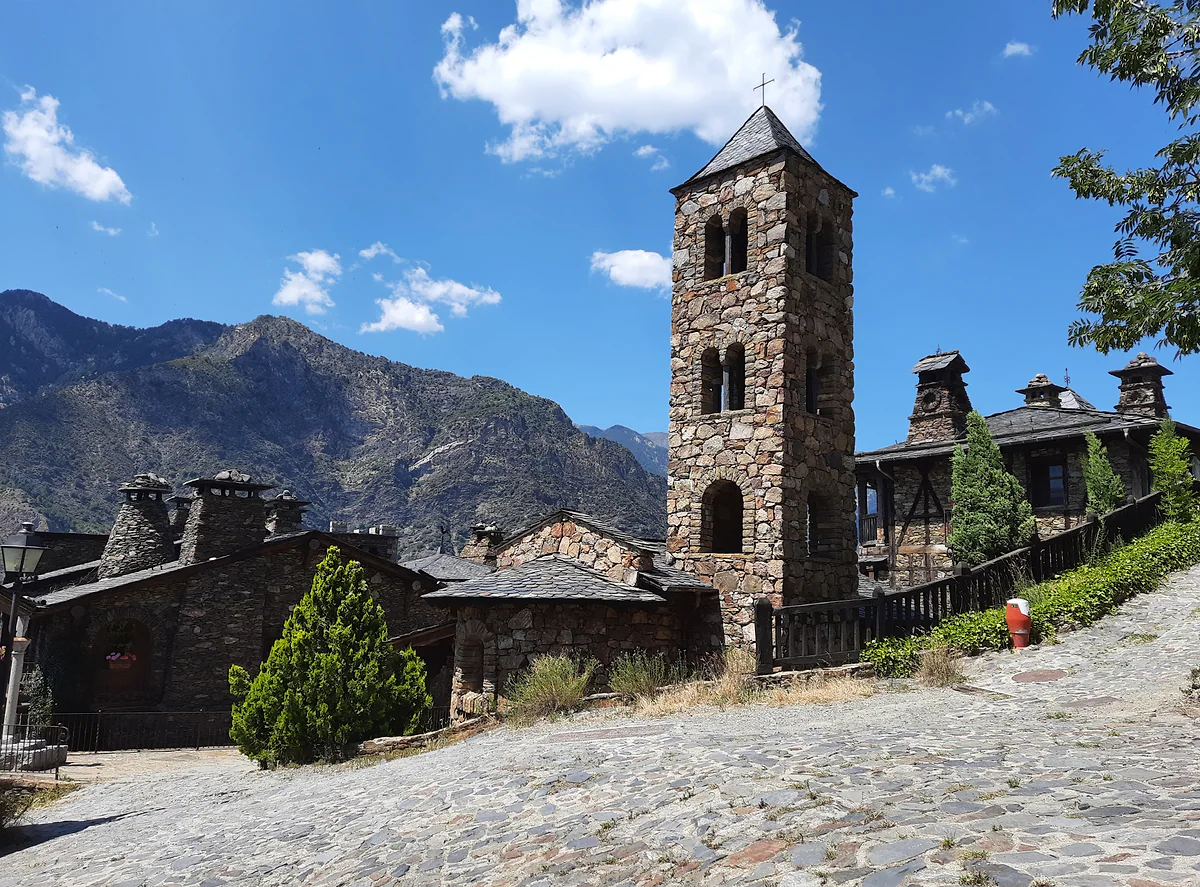
A stone tower and houses with slate chimneys in Auvinyà, in the parish of Sant Julià de Lòria
The villages of the parish at a glance
Village
What's there
Auvinyà
Car-free village and the 10th-century chapel of Sant Romà
Nagol
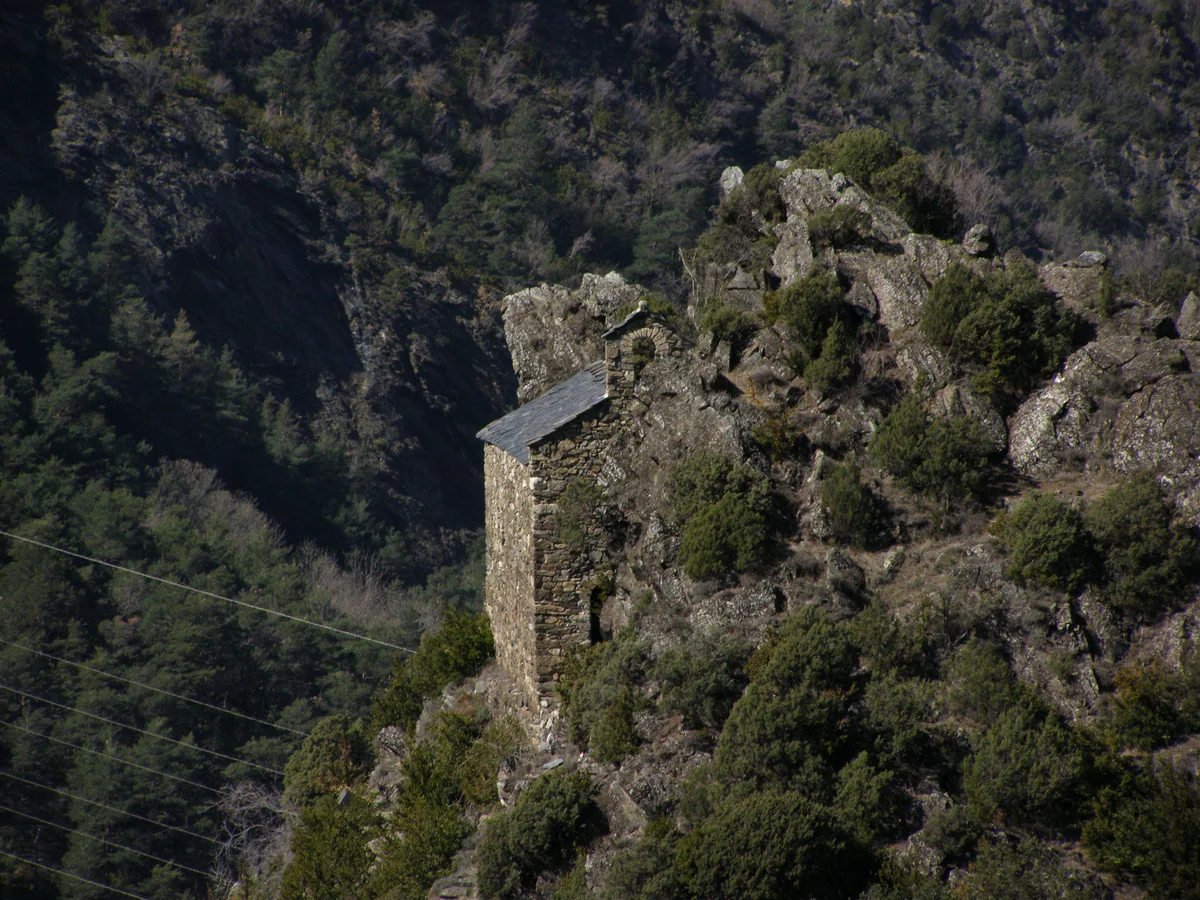
Sant Serni (1055) and Sant Martí, wedged into the rock
Juberri
Sant Esteve, Andorra's southernmost church, and the gardens
Fontaneda
Sant Miquel and the footpath to the Coll de la Gallina
Aixovall
Tossal Gran via ferrata and the start of the Gallina climb by bike
Aixirivall
Sant Pere, built in the 17th and 18th centuries, on the GR7
Bixessarri
Sant Esteve, dated 1701, beside the Os river
Llumeneres
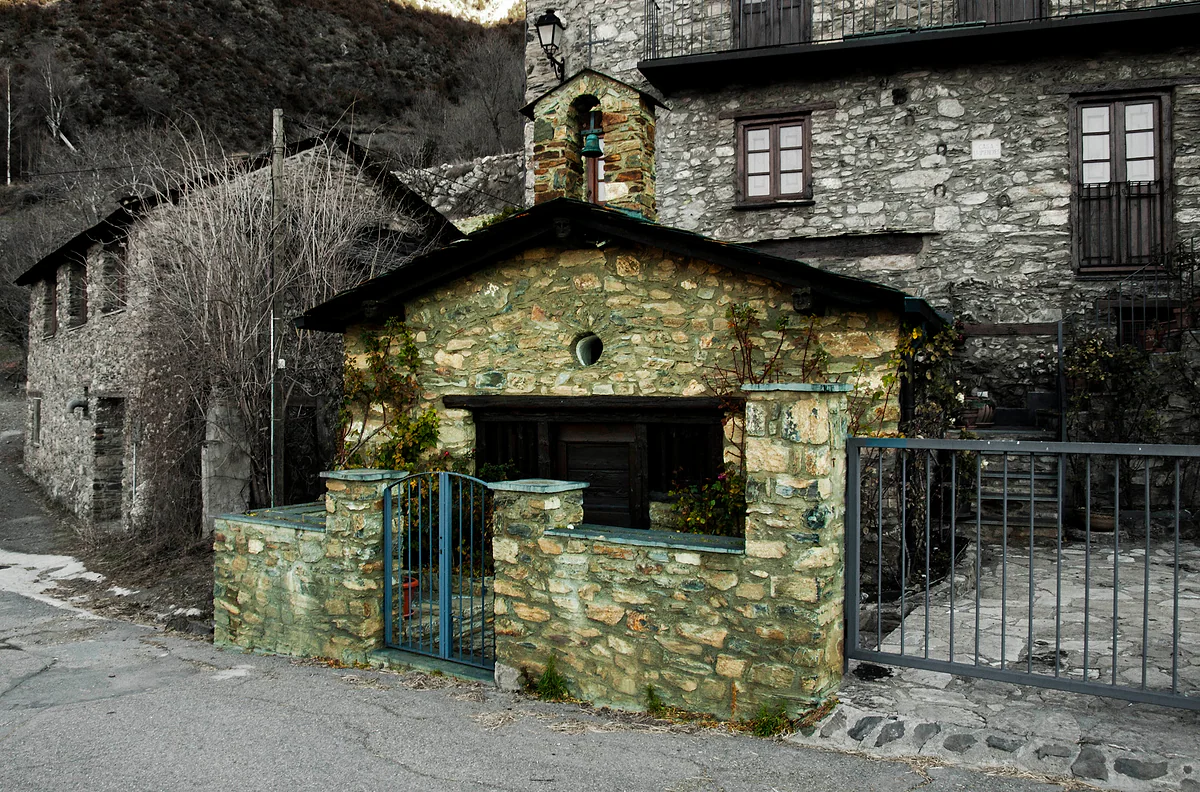
A private chapel licensed in 1769 and a waterfall
The Comú publishes no official list of settlements; this table follows Andorra Turisme's listings, checked on 29-09-2026.
Practical details
Item
Detail
Population
10,300 on 31-08-2026
National buses
L1 to Escaldes, Bus Exprés, BN1 at night
Single fare
€1.90 to €4.80 depending on zones
Comú pay-and-display
€1.85 an hour, 9am-1pm and 3pm-8pm
Tourist office
(+376) 744 045
Andorran Statistics Department (release of 15-09-2026), bus.ad and Comú de Sant Julià, checked in September 2026.
Test yourself
True or false?
0/3Pick before you peek.
Sant Julià de Lòria is Andorra's most populous parish.
See the answer
False. With 10,300 residents on 31 August 2026 it comes behind Andorra la Vella, Escaldes-Engordany, Encamp and La Massana.
The parish patron is Our Lady of Canòlich.
See the answer
True. Her Romanesque statue, crowned in 1999, now stands in the parish church, and the sanctuary celebrates her on the last Saturday in May.
The Barcelona coach doesn't stop anywhere in Andorra before the capital.
See the answer
False. Andorra Direct Bus stops outside the E.Leclerc in Sant Julià, its only stop inside the country before the bus station.
Residents on 31 August 2026
10,300
Consecration of Sant Serni de Nagol
1055
Altitude of the Canòlich Sanctuary
1,635 m
Andorran wineries in the parish
4 of 5
Map
Where Sant Julià de Lòria is
The dashed line is the border with France and Spain. The Valira valley runs down from Pas de la Casa to Sant Julià, with Ordino and La Massana in the northern valley. Every number opens its guide.
Sant Serni de Nagol from 1055, the Canòlich Sanctuary, the car-free village of Auvinyà, the Juberri Gardens and the parish church of Sant Julià i Sant Germà. With children, add Naturland and the Tobotronc at La Rabassa.
How many people live in Sant Julià de Lòria?
10,300 on 31 August 2026, according to the Andorran Statistics Department's release of 15 September. That's 11.4% of the country's population.
Is Sant Julià de Lòria worth stopping at on the way in?
I think so, for half a day. Sant Serni de Nagol and Auvinyà are a few minutes from the centre and far calmer than the shopping streets of Andorra la Vella.
How do I get to Sant Julià de Lòria?
It's the first parish on the road from La Seu d'Urgell. The Andorra Direct Bus coach from Barcelona stops outside the E.Leclerc, and the L1 and Bus Exprés link it with Andorra la Vella and Escaldes.
What happens at Canòlich in May?
On the last Saturday in May people walk up to the sanctuary of the patron, Our Lady of Canòlich, for Mass, the blessing of bread and sardana dancing. The government's heritage portal lists a free shuttle for the day.
Can I visit the tobacco museum in Sant Julià?
Not in person any more. The Reig factory museum ran from 2003 to January 2022 in the old tobacco works and now exists only as a virtual museum.
Tourism graduate with a master’s in Tourism Management and Planning from the University of Málaga, who has travelled across Europe. He writes every guide from official sources and his own judgement.

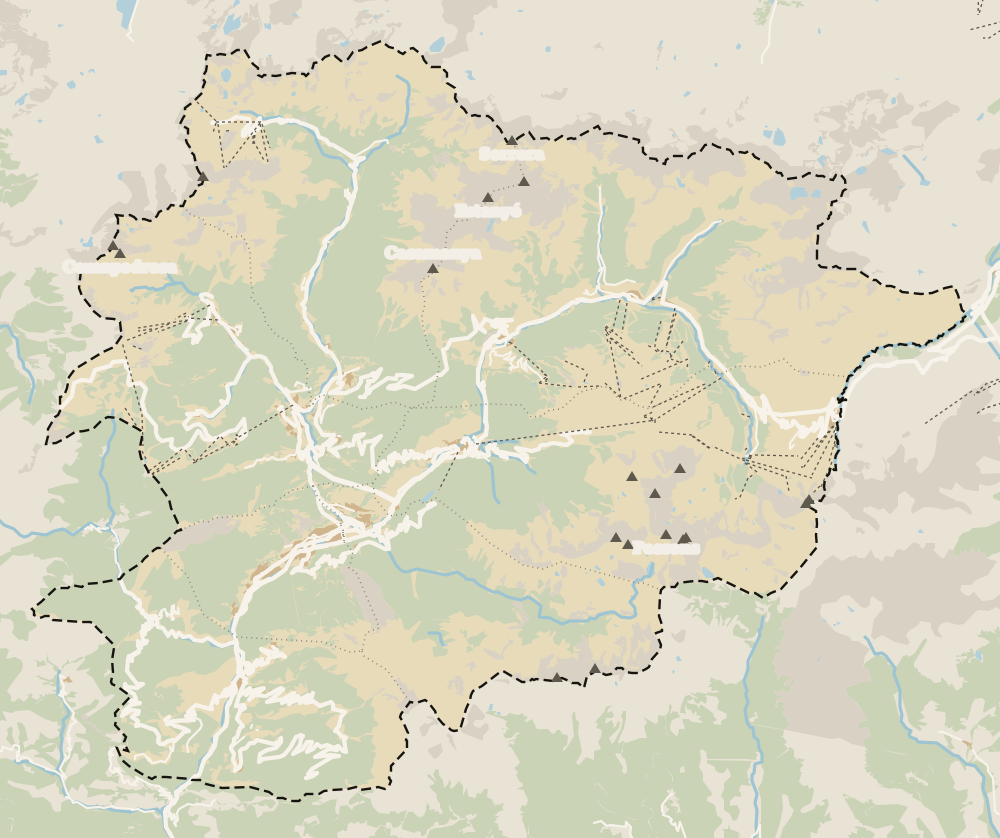 1Sant Julià de Lòria 2Auvinyà 3Fontaneda 4Nagol 5Juberri 6Aixovall 7Aixirivall 8Bixessarri 9Naturland 10Llumeneres 11Canòlich Sanctuary