Paperwork, phone and mountain clothes
What to pack for Andorra, from passport to thermals
Pack your passport, travel insurance with medical cover, because the GHIC and EHIC aren't valid in Andorra, and a plan for your phone, as Andorra sits outside EU roaming deals. For clothes, think layers. On the valley floor the average runs from about 3 °C in January to about 19 °C in July, and the ski slopes are much colder.
In 30 seconds
Full read: 3 min
- Pack your passport, travel insurance with medical cover and a plan for your phone.
- The GHIC and EHIC are not valid in Andorra.
- On the valley floor the average runs from about 3 °C in January to about 19 °C in July; the ski slopes are much colder.
- Drivers need chains or winter tyres from 1 November to 15 May.
What British visitors forget isn't clothing, it's insurance. The GHIC does nothing in Andorra, so I'd sort a policy with medical and mountain rescue cover before anything else. Clothes are easy, just bring layers, because you can go from valley sunshine to a windy pass in half an hour.

Before you go
What I would keep in mind
-
01 My tip
Leave the GHIC out of your plans
The UK government says the GHIC and EHIC aren't valid in Andorra and advises comprehensive travel and medical insurance before you travel.
healthcare in Andorra -
02 To save money
An eSIM from €4.95
Andorra isn't covered by EU roaming arrangements. The tourist board sells an Andorra eSIM from €4.95 that keeps your number, and there's free Wi-Fi on main streets and at the ski resorts.
roaming in Andorra -
03 Money
Euros and a card, not pounds
Andorra uses the euro, cards are accepted everywhere and foreign currencies aren't usually accepted, according to Andorra Turisme. Bring a card without foreign transaction fees.
Andorra's currency -
04 Watch out
Nights of -10 to -20 °C up high
Spain's foreign ministry warns that at altitude on winter nights the temperature can easily drop to between -10 and -20 degrees. Pack proper mountain warmth, not city layers.
Andorra in winter
What I would book
My ranking, scored
What you can't leave behind, in order
My own order out of 10, based on what forgetting it would cost you. I weigh whether it stops you getting in, costs you money or is just uncomfortable. Opinion, with the official source for each.
0 of 5 seen
-
Passport
No passport, no border. Andorra is outside Schengen, with customs both ways, and UK travellers must meet Schengen passport rules.
10.0 out of 10
-
Travel insurance with medical cover
The GHIC and EHIC aren't valid. Without insurance, you'll pay for treatment yourself.
9.6 out of 10
-
A plan for your phone
Your UK tariff may charge extra in Andorra. Check it or use an eSIM to avoid a nasty bill.
8.4 out of 10
-
Layers and a warm coat
Temperatures change sharply between the valley floor and the high ground, in any season.
8.2 out of 10
-
Chains or winter tyres
Compulsory from 1 November to 15 May if you're driving.
8.0 out of 10
Packing for Andorra is simple once you keep two things in mind. It’s a mountain country, where the weather on the valley floor and on the high ground can be worlds apart. And it isn’t in the EU, which matters more for your paperwork, phone and health cover than for your clothes. So that’s the order I’d go in.
Paperwork before clothes
Andorra is outside the EU and Schengen, with customs on the way in and out. Bring your passport even if you’re arriving by coach, and check it against the Schengen rules on age and expiry that the Foreign Office sets out. Parents travelling alone with children should carry proof of custody or the other parent’s permission. The full rules are in Andorra entry requirements.
Then there’s health cover. The Foreign Office is clear that your GHIC, or an old EHIC, is no good in Andorra, and its advice is to take out full travel and medical insurance before you go. If you’re skiing or hiking, I’d check the policy includes mountain rescue. More in healthcare in Andorra.
Phone and money
Free EU-style roaming doesn’t extend to Andorra, and a UK plan that includes Spain or France may not include Andorra. Check with your network before crossing. The tourist board sells an Andorra eSIM from €4.95 that keeps your own number, and Wi-Fi costs nothing in the resorts, along the busiest streets and inside the shopping centres. Details are in Andorra roaming charges.
Money is easy. Andorra uses the euro, cards are accepted everywhere and there are cash machines from Andbank, Creand and MoraBanc. Foreign currencies, pounds included, aren’t usually accepted, so a card without foreign transaction fees is the thing to pack. Keep a little cash in euros for small purchases if it makes you feel easier, but you won’t need much, and there’s no point changing pounds before you arrive in the hope of using them locally.
Clothes for each season
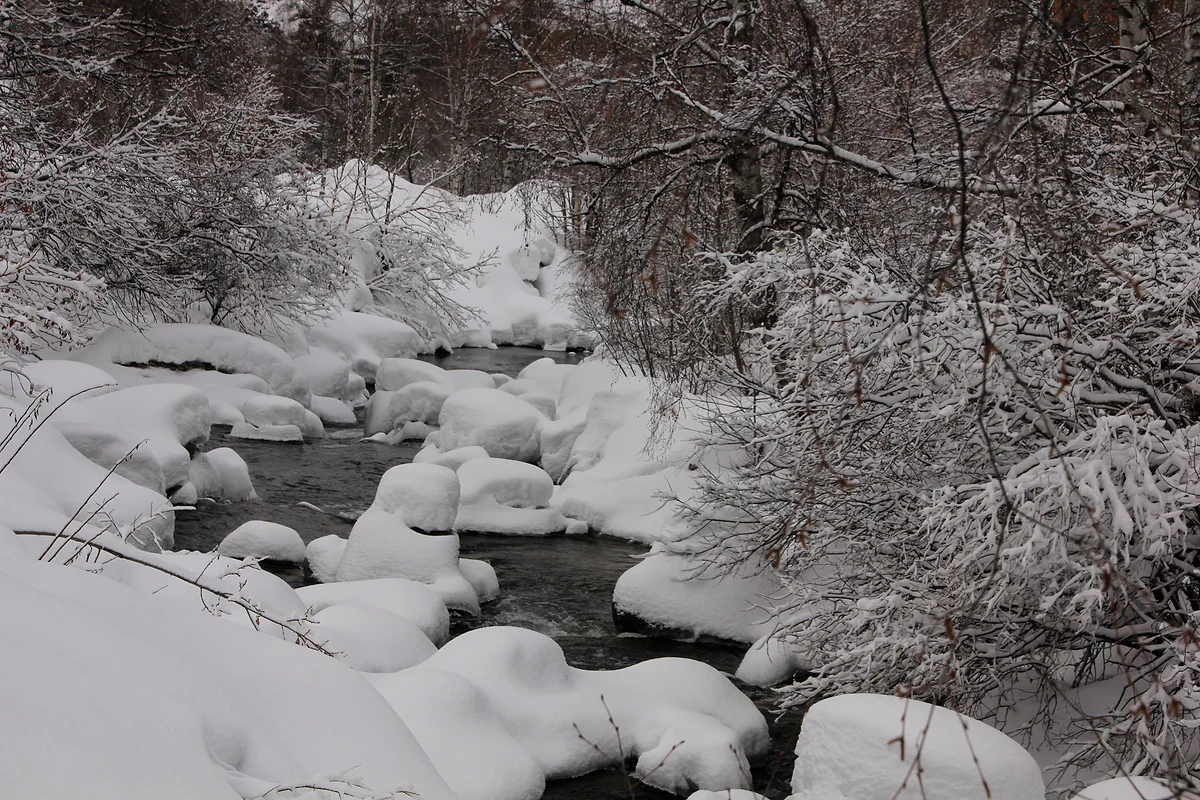
Andorra Turisme describes the climate as “high mountain Mediterranean”, with short, warm summers and long, very cold winters. For a reliable figure, I use the 1991-2020 average temperature on the valley floor, at the FEDA station in Escaldes, worked out from the national weather service’s bulletins. It runs from about 3 °C in January to about 19 °C in July and August. The ski slopes are much colder, and Spain’s foreign ministry says high ground on winter nights can sit at ten to twenty degrees below freezing.
In winter that means a proper mountain coat, thermal layers, hat, gloves and boots that grip on snow, even if you aren’t skiing. In spring and autumn, layers, because mornings and evenings differ a lot. In summer, light clothes for the day, a jacket for the evening or a walk up to a lake, and a waterproof, since the tourist board names summer and autumn as the wettest seasons. It also boasts more than 300 sunny days a year, so sunglasses and sun cream belong in the bag all year round. Month by month, see Andorra weather.
Heading into the mountains
For walks, Spain’s foreign ministry gives advice I’d turn straight into packing. Tell someone your route, take a charged phone with location sharing and the emergency numbers saved, and go properly equipped. 112 is the emergency number, and the fire service on 118 handles mountain rescue. The UK government also warns about altitude sickness in some parts of the country, so go gently on your first high days.
If you’re driving
From 1 November to 15 May, snow chains, metal or textile, or winter tyres are compulsory. In a hire car, check what’s fitted before you leave the airport. I’d also keep water, snacks and a warm layer in the car in those months in case a road closes for a while.
What you don’t need to carry
There’s no need to pack everything, and a lighter case makes coach transfers and hotel stairs far easier to manage. Andorra la Vella and Escaldes have plenty of sports shops, so a missing fleece or pair of gloves is easily bought. Do leave some room for the trip home, but not too much, because customs allowances apply per person when you leave, as explained in Andorra duty free allowance. Travelling with a dog adds its own paperwork, covered in Andorra with a dog.
Average temperature on the valley floor
| Month | 1991-2020 average |
|---|---|
| January | About 3 °C |
| February | About 4 °C |
| March | About 7 °C |
| April | About 9 °C |
| May | About 12 °C |
| June | About 17 °C |
| July | About 19 °C |
| August | About 19 °C |
| September | About 15 °C |
| October | About 11 °C |
| November | About 6 °C |
| December | About 4 °C |
1991-2020 normal at the FEDA station in Escaldes, derived from meteo.ad's monthly climate bulletins. The ski slopes are much colder. No official monthly rainfall, highs or lows are published.
Test yourself
True or false?
0/3 Pick before you peek.
-
Your GHIC covers medical treatment in Andorra.
See the answer
False. The UK government says the GHIC and EHIC aren't valid in Andorra.
-
Andorra uses the euro.
See the answer
True. It does, and Andorra Turisme says cards are accepted everywhere.
-
Summer is one of Andorra's wetter seasons.
See the answer
True. Andorra Turisme names summer and autumn as the rainiest seasons, even though summers are short and warm.
- January average, valley floor
- 3 °C
- July average, valley floor
- 19 °C
- Andorra eSIM, from
- €4.95
- Sunny days a year, says Andorra Turisme
- 300
0 of 269 Andorra guides
Your next stamp
- In spring
- Weather and climate
- In February
- A week in Andorra
- In May
- Things to do
- In December
- Best time to visit
- Places to visit
- Most beautiful places
- Prettiest villages
- Andorra la Vella
- UNESCO World Heritage
- Map
- Escaldes-Engordany
- Where is Andorra?
- Is Andorra a country?
- Parishes
- Casa de la Vall
- Margineda bridge
- Old town
- Santa Coloma church
- Towns and villages
- Population
- Size
- Mountains
- Language
- Andorra in one day
- Canillo
- Espai Columba
- History
- Margineda rock shelter
- Sant Esteve church
- Co-princes
- Soldeu
- Weekend break
- Andorra in 3 days
- El Tarter
- Political system
- Andorra in 4 days
- Flag
- Ransol
- Facts
- Prats
- El Forn
- Public holidays
- Sant Julià de Lòria
- Currency and payments
- L'Aldosa de Canillo
- Els Plans
- EU and Schengen
- Bordes d'Envalira
- Entry requirements
- Prices and budget
- On a budget
- Sant Joan de Caselles
- Santa Coloma
- Ski holidays
- Tourist tax
- Mobile and roaming
- Sant Serni de Canillo
- Tourist information
- Healthcare
- Meritxell Sanctuary
- With a dog
- Safety
- How to get there
- Scams
- From Barcelona
- Bus from Barcelona
- Day trip from Barcelona
- From Madrid
- From Toulouse
- Encamp
- Flights
- La Margineda
- La Massana
- Roc del Quer viewpoint
- Romanesque churches
- Andorra-La Seu airport
- Canillo Tibetan bridge
- Museums in Andorra
- Pal
- Pas de la Casa
- Arinsal
- Driving
- Grau Roig
- Mon(t) Magic
- Nearest airports
- By train
- Erts
- Les Bons
- Palau de Gel
- Road conditions
- Motorcycle Museum
- Parking
- Sispony
- Vila
- Anyós
- Incles valley
- La Mosquera
- Petrol
- El Tremat
- Getting around
- Juclar lakes
- L'Aldosa (La Massana)
- Buses
- Els Cortals d'Encamp
- Sant Climent de Pal
- Bus station
- Sant Cristòfol d'Anyós
- Casa Rull
- Shopping
- Farga Rossell
- Sant Vicenç d'Enclar
- Santa Eulàlia d'Encamp
- What to buy
- Customs allowances
- La Massana Còmic
- Sant Romà de les Bons
- Car Museum
- Cigarettes
- Comapedrosa
- Electronics
- Alcohol
- Casa Cristo
- Clothes and sports shops
- Iron Route
- Coll d'Ordino
- Perfume
- Sacred Art Museum
- Shopping centres
- Funicamp
- Supermarkets
- Avinguda Meritxell
- Encamp Tibetan bridge
- Avinguda Carlemany (Vivand)
- Envalira pass
- Auvinyà
- Bici Lab Andorra
- Ordino
- Skiing
- With kids
- Zip lines
- Fontaneda
- For couples
- La Cortinada
- Ski pass
- Via ferratas
- Climbing
- Llorts
- Nagol
- Nightlife
- Ski season
- El Serrat
- Grandvalira
- Horse riding
- Juberri
- Aixovall
- Mountain biking
- Pal Arinsal
- Sornàs
- Aixirivall
- Ansalonga
- Ordino Arcalís
- Road cycling
- Bixessarri
- Naturland
- Segudet
- Arans
- Llumeneres
- Tobotronc
- Casa d'Areny-Plandolit
- Cross-country skiing
- Miniature Museum
- Skiing with kids
- Cal Pal
- Free walking tour
- Pessons lakes
- Sant Serni de Nagol
- Ski lessons
- Where to stay
- Canòlich Sanctuary
- Hotels in Andorra la Vella
- Sant Martí de la Cortinada
- Ski hire
- Hotels in Escaldes
- Juberri Gardens
- Llorts iron mine
- Webcams
- Hotels in Soldeu
- Snow report
- Sorteny valley
- Hotels in El Tarter
- Tristaina lakes
- Hotels in Canillo
- Night skiing
- Tristaina solar viewpoint
- Freeride
- Hotels in Encamp
- Hotels in Pas de la Casa
- Ski touring
- Hotels in La Massana
- Snowshoeing
- Hotels in Arinsal and Pal
- Snow activities
- Après-ski
- Engordany
- Hotels in Ordino
- Medieval bridges
- Nature parks
- Els Vilars
- Hotels in Sant Julià de Lòria
- Lakes
- Sant Romà dels Vilars
- Viewpoints
- Where to eat
- Caldea
- Restaurants in Andorra la Vella
- Borda restaurants
- Inúu
- Cheap hotels
- Food
- Hiking
- Spas and thermal baths
- Engolasters lake
- Pas de la Casa weather
- Spa hotels
- Trinxat
- Events
- Luxury hotels
- Sant Miquel d'Engolasters
- Ski resort weather
- Wine
- Family hotels
- Madriu valley
- All inclusive
- Estany de l'Illa
- In winter
- Apartments
- Coronallacs
- Ski World Cup
- Christmas
- Hostels
- In summer
- Mountain huts
- Camping and rural stays
- Easy walks
- In autumn
- New Year
- Family walks
- Festes majors
- In January
- GR11 and other GRs
- National day
- Around Andorra
- GRP round Andorra
- In March
- Midsummer fire festival
- Carnival
- In April
- Travessa d'Encamp
- In June
- In July
- In August
- In September
- In October
- In November
Frequently asked questions
What should I pack for a trip to Andorra?
Your passport, travel insurance with medical cover, a plan for your phone and layered clothing. In winter add a mountain coat, hat, gloves and grippy boots, plus chains if you're driving. In summer, a warm layer for the evening and sun protection.
What should I wear in Andorra in winter?
Proper cold-weather clothing. The January average on the valley floor is about 3 °C, and Spain's foreign ministry warns that winter nights at altitude can easily reach -10 to -20 degrees. Layers, a waterproof jacket, hat, gloves and boots that grip on snow.
What should I pack for Andorra in summer?
Light clothes for the day, as the July average on the valley floor is about 19 °C, plus a warm layer and a waterproof. Andorra Turisme says summer and autumn are the wettest seasons, and it cools off quickly higher up.
Do I need travel insurance for Andorra?
Yes. The UK government says the GHIC and EHIC aren't valid in Andorra and recommends comprehensive travel and medical insurance. If you ski or hike, check it covers mountain rescue.
Can I use pounds in Andorra?
No. Andorra uses the euro, and Andorra Turisme says foreign currencies aren't usually accepted. Cards are accepted everywhere, and there are cash machines run by Andbank, Creand and MoraBanc.
Is altitude a problem in Andorra?
It can be. The UK government notes that altitude sickness is a risk in parts of Andorra, so take it easy on your first days if you're heading up high.
By
Tourism graduate with a master’s in Tourism Management and Planning from the University of Málaga, who has travelled across Europe. He writes every guide from official sources and his own judgement.
Published on . Facts checked on .
Sources
Photos: Ferran Llorens (CC BY-SA 2.0), via Wikimedia Commons.