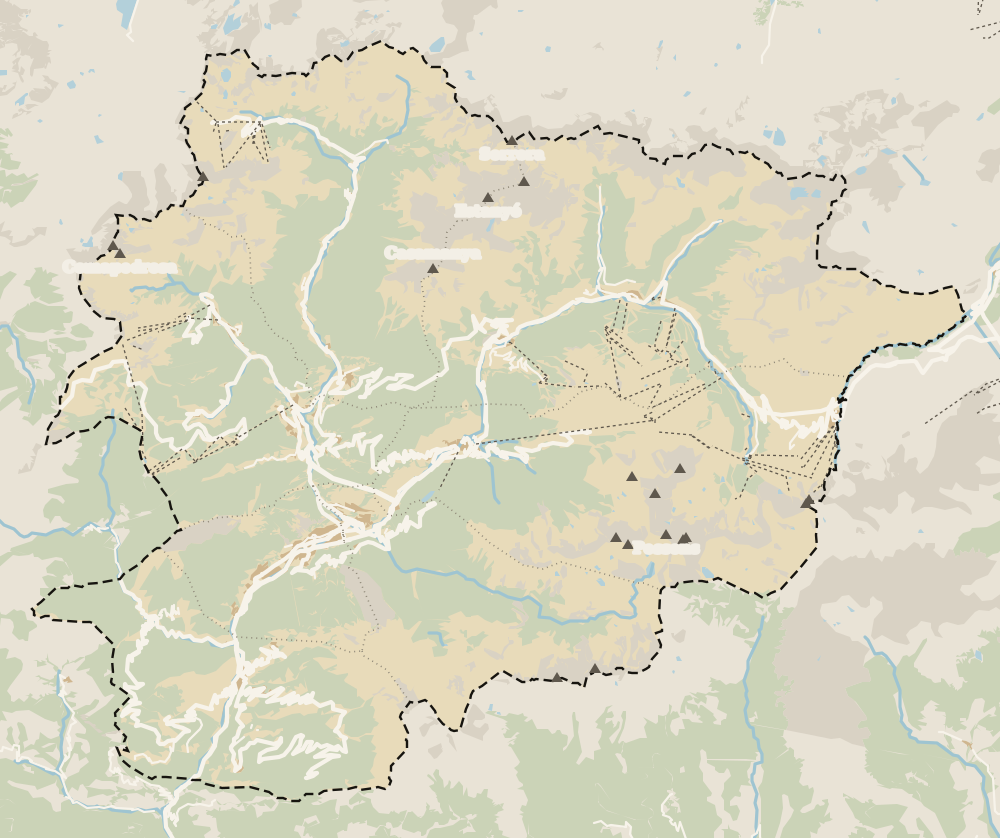
The dashed line is the border with France and Spain. The Valira valley runs down from Pas de la Casa to Sant Julià, with Ordino and La Massana in the northern valley. Every number opens its guide.
La Massana is Andorra's fourth parish in protocol order, the north-west valley, with 12,435 residents on 30 September 2026 and its main town at 1,240 m. It holds the Pal Arinsal ski area, Comapedrosa, the country's highest peak at 2,942 m, seven villages such as Pal, Arinsal and Sispony, and museums like Casa Rull. Buses L5, L6 and L7 link it with the capital.
I'd make La Massana my base for northern Andorra. The gondola to Pal leaves from the centre, Comapedrosa is a bus ride away and Ordino is next door, and if I could see only one church in the parish, I'd pick Sant Climent de Pal.
Sergio LeponeMy advice for La Massana
If you only read this
Full read: 4 min
La Massana is Andorra's fourth parish, in the north-west valley at 1,240 m.
It had 12,435 residents on 30 September 2026.
It holds Comapedrosa (2,942 m), the Pal Arinsal ski area and seven villages, including Pal, Arinsal and Sispony.
The essentials are Sant Climent de Pal, Casa Rull, Sant Cristòfol d'Anyós and the natural park.
Before you set off, check this
Notebook
What I would keep in mind
01 Most beautiful
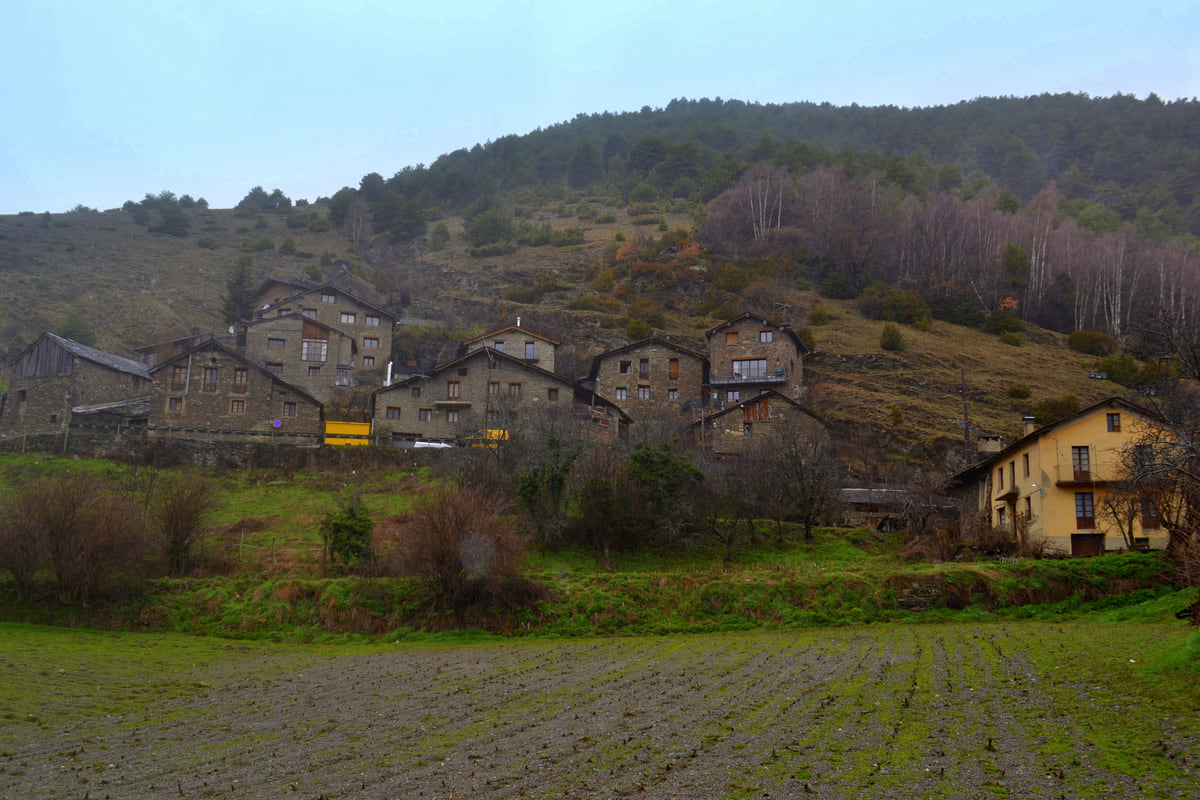
Pal, a village restored one theme at a time
Since 1998 Pal has had a special planning scheme that restores the village by theme, one year the slate roofs, another the walls or the woodwork. You can see the result on every lane.
La Massana Còmic charges nothing, according to museus.ad. Casa Rull in Sispony costs €5 (€2.50 concessions) and is part of the PassMuseu, which takes half off three museums of your choice.
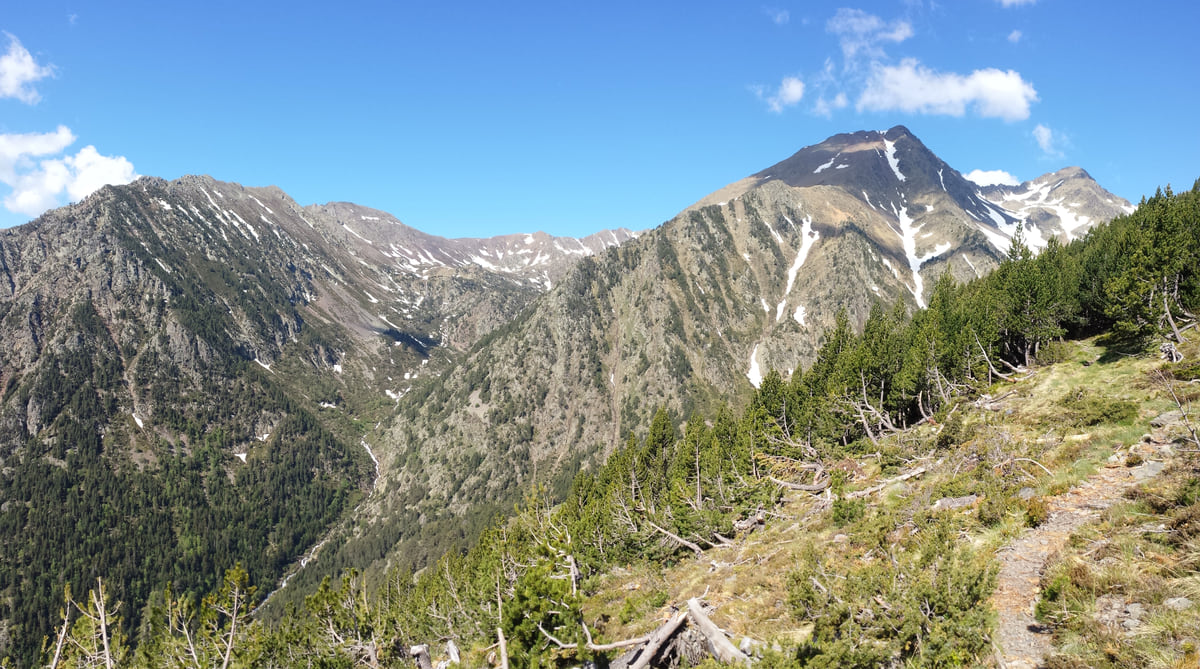
Comapedrosa, 2,942 m, is an ascent of about eight hours from above Arinsal on the GR 11, with a staffed hut on the way. I'd save it for the best-weather day of the trip.
The L7 links Andorra la Vella and La Massana; the L5 carries on to Arinsal and the L6 towards Ordino. At night the BN3 runs between Ordino, Andorra la Vella and Arinsal.
Two floors of comics on Plaça de les Fontetes, free. It only opens while an exhibition is on, so check first.
Time: 30 min
7.2 out of 10
Most British skiers know La Massana as the place with the gondola to Pal Arinsal, and leave it at that. That undersells it. This is the parish with Andorra’s highest mountain, the best-restored village in the valley and two museums that explain pre-tourism Andorra better than any display board, all in a valley you can drive end to end in half an hour.
La Massana, from 1,240 m to Andorra’s highest point
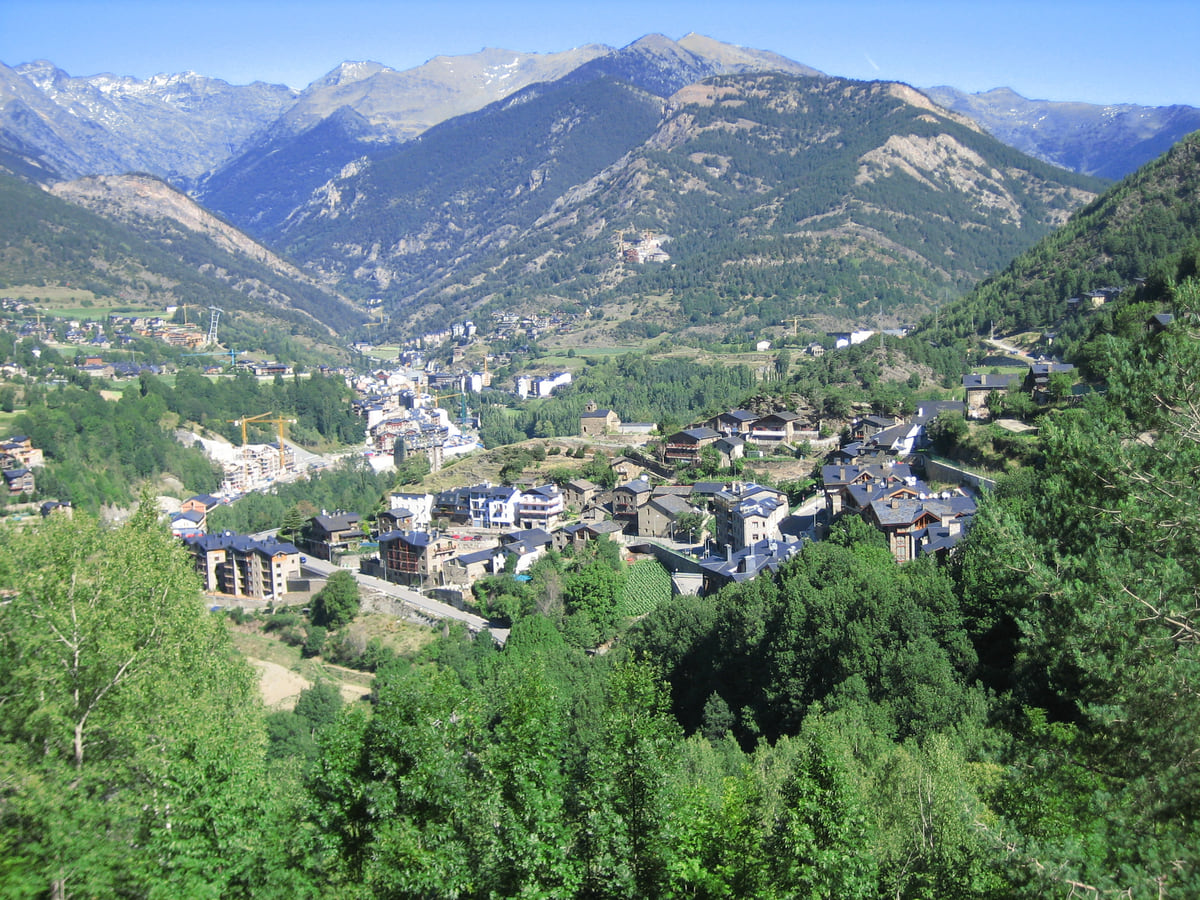
The parish fills the north-west valley of the Valira del Nord and its two branches towards Pal and Arinsal. Andorra Turisme puts it at 1,240 m, and the Comú points out that it contains Comapedrosa, which at 2,942 m is Andorra’s highest summit. On 30 September 2026 it had 12,435 residents, according to the Department of Statistics, 2.2% more than a year earlier and 13.8% of the country.
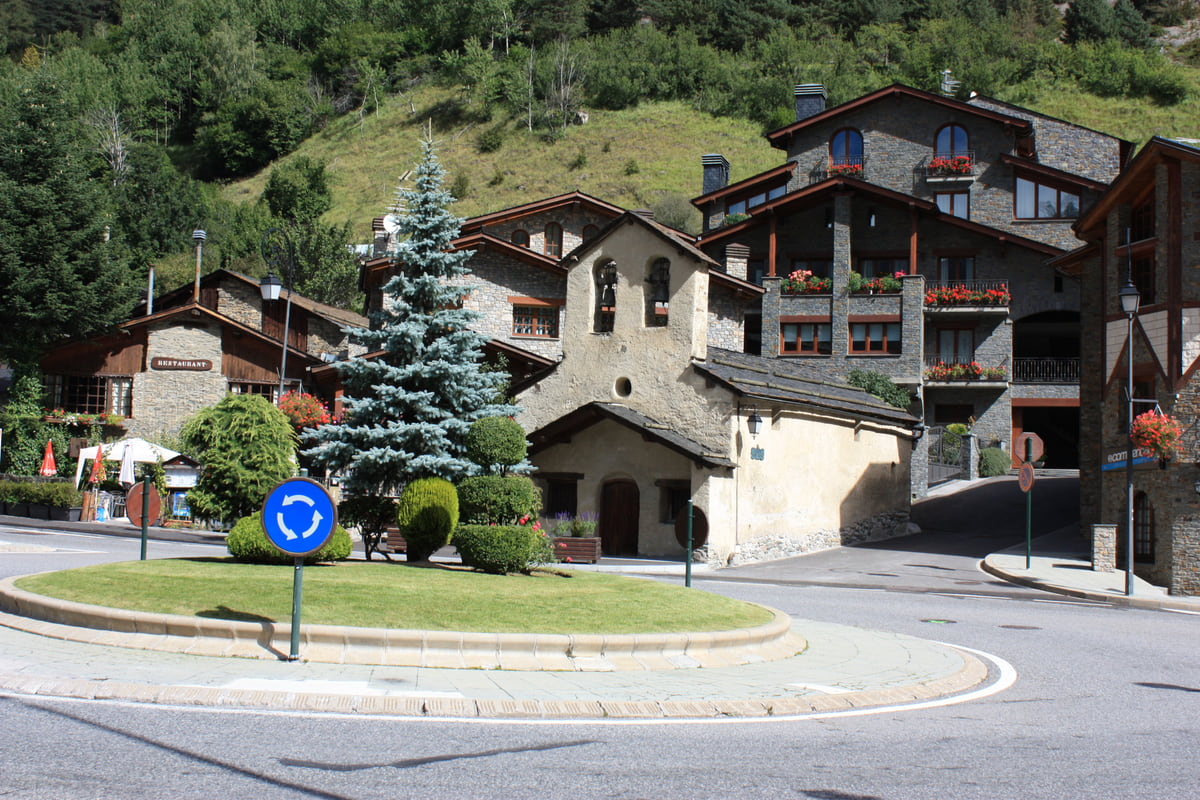
The village that gives the parish its name acts as its capital. That’s where you’ll find the Comú, the tourist office on Plaça de les Fontetes, the ski and bike shops and the gondola up to the slopes. The smaller villages are scattered on the slopes above, either side of the main road.
Which villages are in La Massana?
The Comú and Andorra Turisme name seven, Sispony, Anyós, L’Aldosa, Erts, Pal, Arinsal and La Massana itself. The Comú’s term for them is quarts, but one of its pages describes seven places and another lists population for eight, so I won’t give you a number the council itself doesn’t settle. In the gorge below Sispony stands Sant Antoni de la Grella, a chapel with a pilgrimage on 17 January.
My one-line guide goes like this. Pal is the stone village, with Sant Climent on top. Arinsal is the gateway to Comapedrosa and, in the Comú’s own words, the liveliest village in the country after dark. Erts sits where the two valleys split and has a via ferrata. Sispony has Casa Rull and looks out towards the Enclar ridge. Anyós has the church perched on its hill, and L’Aldosa is the horse-riding village. In the centre stands the Baroque parish church, Sant Iscle i Santa Victòria.
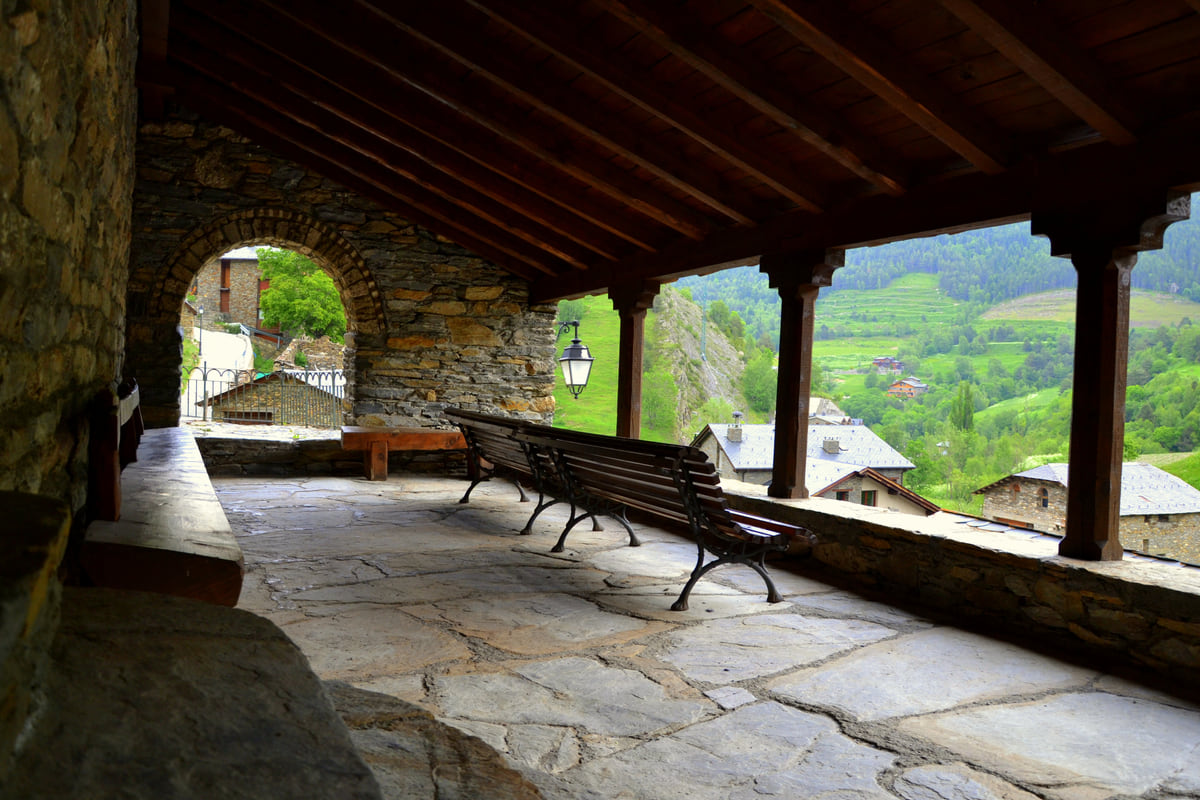
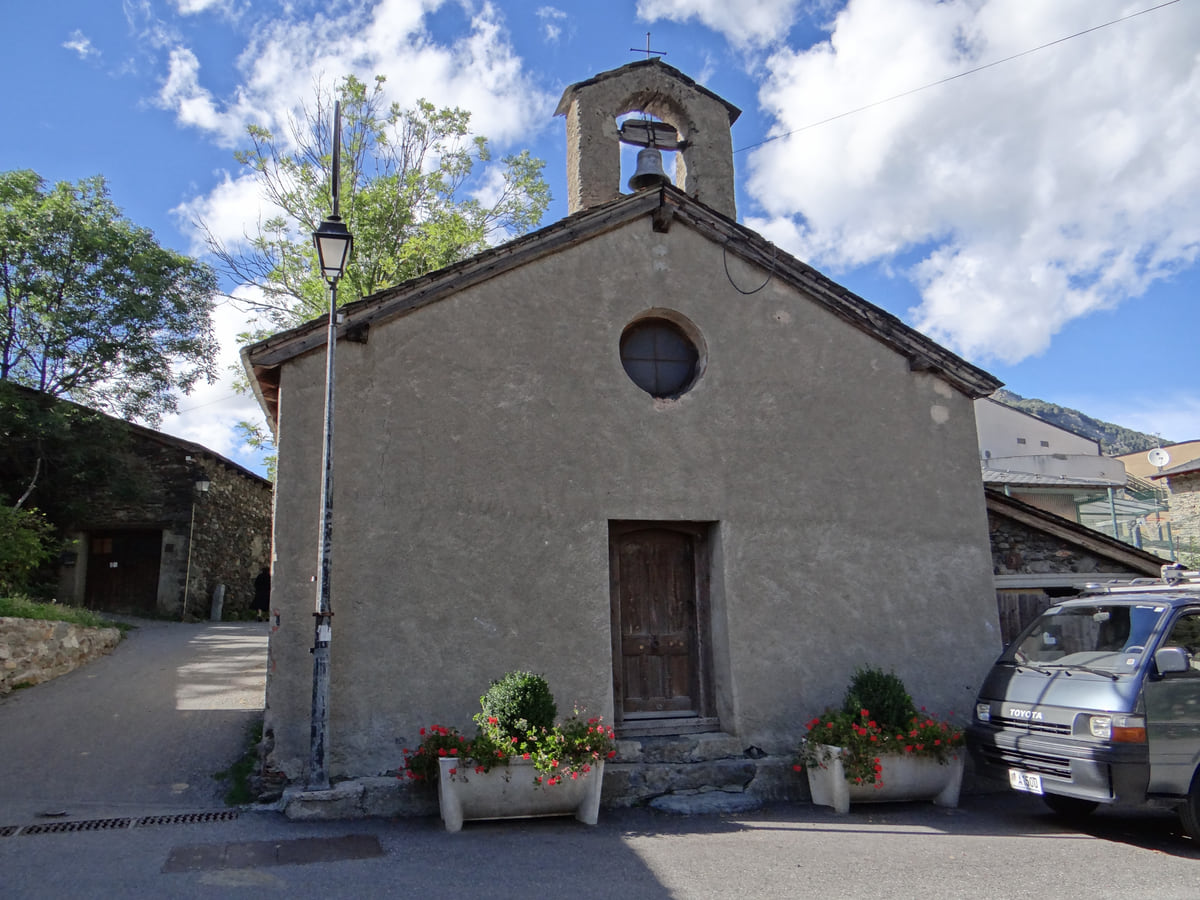
If you only see one, make it Sant Climent de Pal. It was built around 1100, late in the 11th century or early in the 12th, and its three-storey Lombard bell tower has double twin windows, a feature Andorra Turisme describes as unique in the country. museus.ad lists free guided visits there in July and August.
Second would be Sant Cristòfol d’Anyós, 12th century, more for its setting than its interior. From the hill you look down on the mouth of the valley, Sispony and La Massana itself. In the centre of the main village stands Sant Iscle i Santa Victòria, rebuilt in 1622, with a bell tower from 1802 and several Baroque altarpieces. It’s the parish church, and the one you can reach without a car.
La Massana museums for old Andorra
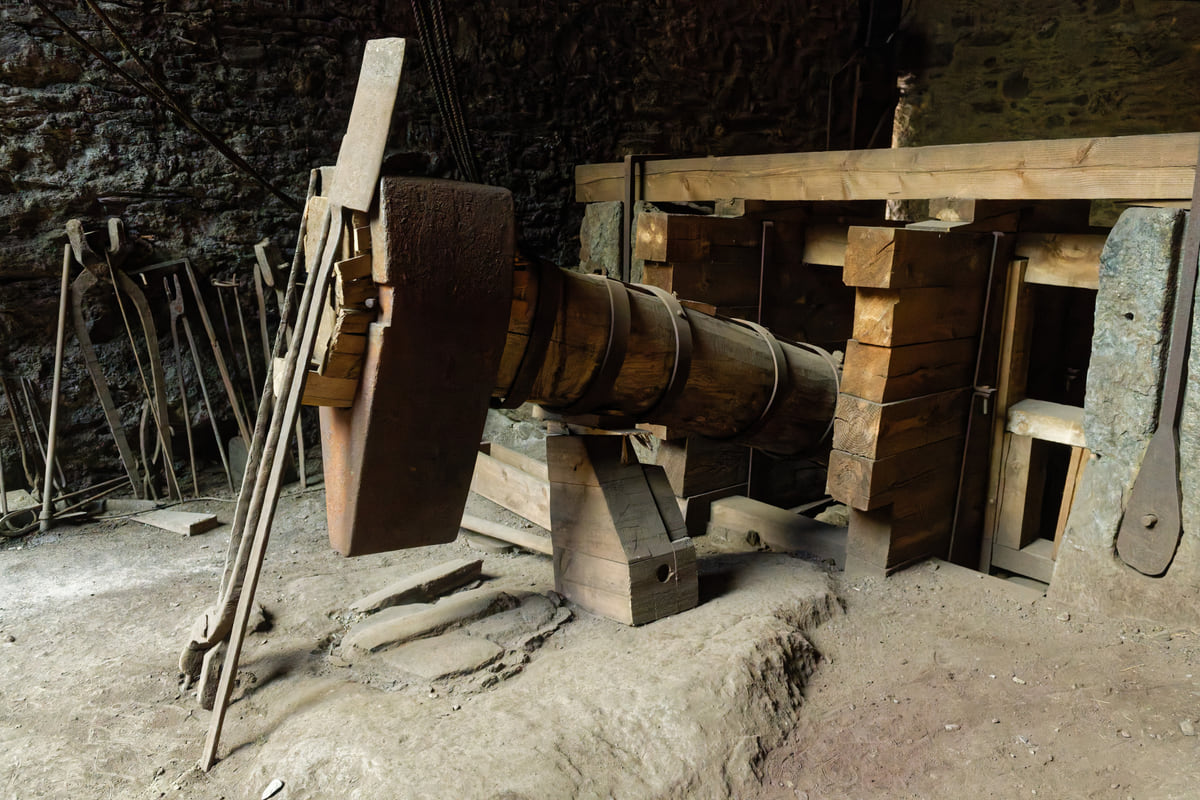
Casa Rull Museum in Sispony is, for me, the best place in Andorra to understand how a comfortable farming family lived. The house is 17th century, the visit takes an hour and entry is €5. The Farga Rossell, the 1842 forge that tells the story of Andorran iron, is temporarily closed for repairs according to museus.ad, so I wouldn’t count on it until a reopening is announced.
The half museum is La Massana Còmic on Plaça de les Fontetes. It’s free and has a reading room with over a thousand comics, but only opens while an exhibition is on. Worth it if your dates line up, not a trip in itself.
Beyond Arinsal begins Comapedrosa Natural Park, 15.42 km² of high mountains with lakes, waterfalls and three huts. You don’t need to climb the peak to enjoy it. The interpretation trail is 1.2 km and takes under an hour, and you can drive right up to the Roca de la Sabina viewpoint, close to 1,900 m.
La Massana also carries Starlight Reserve and Destination status. From July to September there are guided stargazing sessions at Coll de la Botella, and from 1 December night snowshoe outings run on Fridays, Saturdays and public holidays. It’s one of the few things you won’t find anywhere else in Andorra.
Getting around La Massana and where to stay
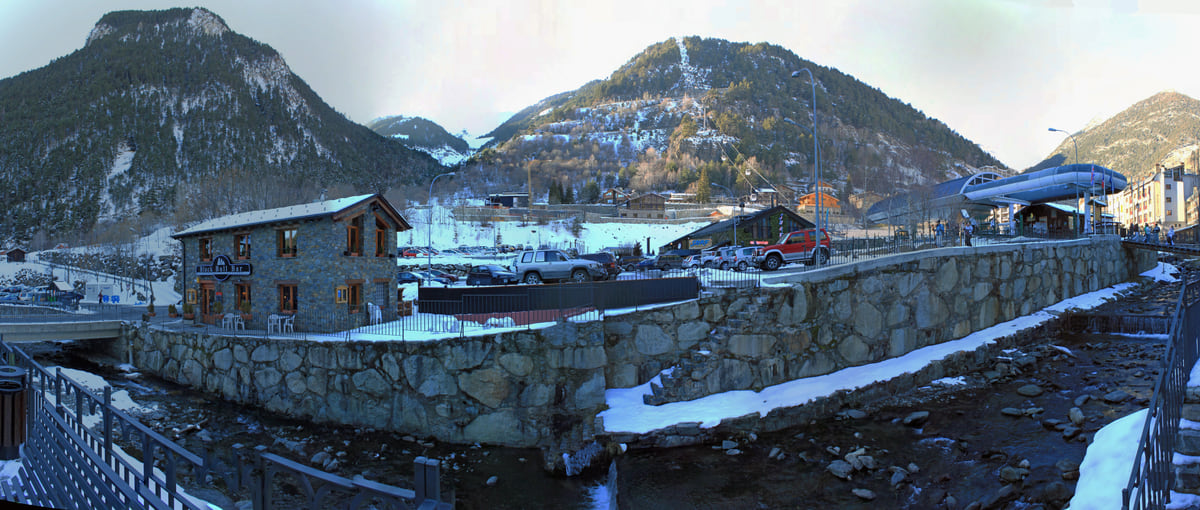
You’ll manage fine without a car. National bus L7 links Andorra la Vella and La Massana every 15 minutes on weekdays, the L5 continues to Arinsal and the L6 heads for Ordino. For skiing, the town-centre gondola climbs to the Pal sector of Pal Arinsal and the resort runs a free bus from La Massana.
For a bed, I’d look in La Massana itself near the gondola and leave Arinsal to those who want a night out. The options by area are in hotels in La Massana.
Pal village and its church of Sant Climent, Sant Cristòfol d'Anyós, Casa Rull in Sispony and Comapedrosa Natural Park. In La Massana itself you have the parish church of Sant Iscle i Santa Victòria and the comic museum.
Which villages make up La Massana parish?
The Comú and Andorra Turisme name La Massana, Pal, Arinsal, Erts, Sispony, Anyós and L'Aldosa. The Comú calls them quarts, but its own pages don't agree on how many there are, so I stick to the seven names.
How many people live in La Massana?
12,435 on 30 September 2026, according to the Department of Statistics, up 2.2% on the year before. That's 13.8% of Andorra's population.
How do I get from Andorra la Vella to La Massana?
By bus on the L7, every 15 minutes on weekdays, or on the L5 and L6, which carry on to Arinsal and Ordino. A single ticket costs between €1.90 and €4.80 depending on zones.
Is La Massana a good base for skiing?
Yes, if you're skiing Pal Arinsal. The gondola leaves from the centre for the Pal sector and the resort runs a free bus from La Massana. The 2026-27 season runs from 4 December to 4 April.
What can you do in La Massana in summer?
Hiking in Comapedrosa, riding the Pal Arinsal bike park, the Erts via ferrata, horse rides from L'Aldosa and, from July to September, guided stargazing at Coll de la Botella.
Questions about La Massana? Write to me
If your question is not answered here, write to me and I will look it up in the official sources.
Tourism graduate with a master’s in Tourism Management and Planning from the University of Málaga, who has travelled across Europe. He writes every guide from official sources and his own judgement.

 1La Massana 2Pal 3Arinsal 4Erts 5Sispony 6Anyós 7L'Aldosa (La Massana) 8Farga Rossell 9La Massana Còmic 10Comapedrosa 11Sant Iscle i Santa Victòria 12Sant Antoni de la Grella