Escaldes-Engordany, hot springs, old stone and the Madriu gateway
Escaldes-Engordany is the seventh of Andorra's parishes, created in 1978, with 16,347 residents on 31 August 2026. Its thermal water rises at around 70 °C and feeds Caldea, and within a few streets you'll find two medieval bridges, Romanesque churches and the main entrance to the Madriu valley, a UNESCO World Heritage Site.
In 30 seconds
Full read: 3 min
Escaldes-Engordany is Andorra's seventh parish, created in 1978, with 16,347 residents in August 2026.
Its thermal water rises at 68-71 °C at the Roc del Metge and supplies Caldea.
It has two medieval bridges and the churches of Sant Miquel d'Engolasters and Sant Romà dels Vilars.
It's the main gateway to the Madriu valley, the country's only World Heritage Site.
For a short break I think Escaldes is the most rounded parish in Andorra. I'd spend the morning up at Engolasters or in the Madriu, then keep the afternoon for the bridges, Espai Caldes and a thermal soak, when your legs will thank you for it.
Sergio LeponeMy advice
On the calendar
The date at a glance
9Oct2026
Andorra Trail 2026
Escaldes-Engordany
Before you go
What I would keep in mind
01 Most beautiful
Two medieval bridges a stone's throw apart
The Tosca and Engordany bridges cross the Valira a few metres from each other, with Espai Caldes between them. It's the corner I'd show anyone who thinks Escaldes is only shops.
The water leaves the spring at 65-70 °C and reaches the lagoons at 34-37 °C, according to Andorra Turisme. I'd book an afternoon slot after a walk, and buy it on Caldea's own website.
The main way into the World Heritage valley is the Camí de la Muntanya beside the Plana road, 200 m from a bus stop. It's the best free day out in the parish.
The L1, the Bus Exprés and the night bus link Escaldes with Andorra la Vella and Sant Julià. The parish begins where Avinguda Meritxell ends, so walking works too.
My own scores out of 10. I weigh what each place tells you that you won't find in another parish against the effort from the centre. Shopping is left out because it has its own guide.
Andorra's only World Heritage Site, 4,247 ha of valley with no roads. The popular entrance is minutes from the centre, which no other parish town can claim.
Pre-Romanesque, from around the 10th century, one of the oldest churches in Andorra, with a viewpoint at 1,131 m over two parishes.
Price: Free
7.8 out of 10
Plenty of visitors walk into Escaldes-Engordany without noticing they’ve left the capital. You come off Avinguda Meritxell, keep going, and you’re in a different parish. That’s a shame, because behind the shop windows is a place with its own character, hot water pouring out of the rock, two medieval bridges and, a quarter of an hour’s drive away, an entire valley protected by UNESCO.
Andorra’s newest parish
Until 1978 Andorra had six parishes. That year Escaldes-Engordany split off from Andorra la Vella and became parish number seven. Its town was really two villages, Escaldes and Engordany, facing each other across the Engordany bridge. The statistics office counted 16,347 residents on 31 August 2026, 18.1% of the country.
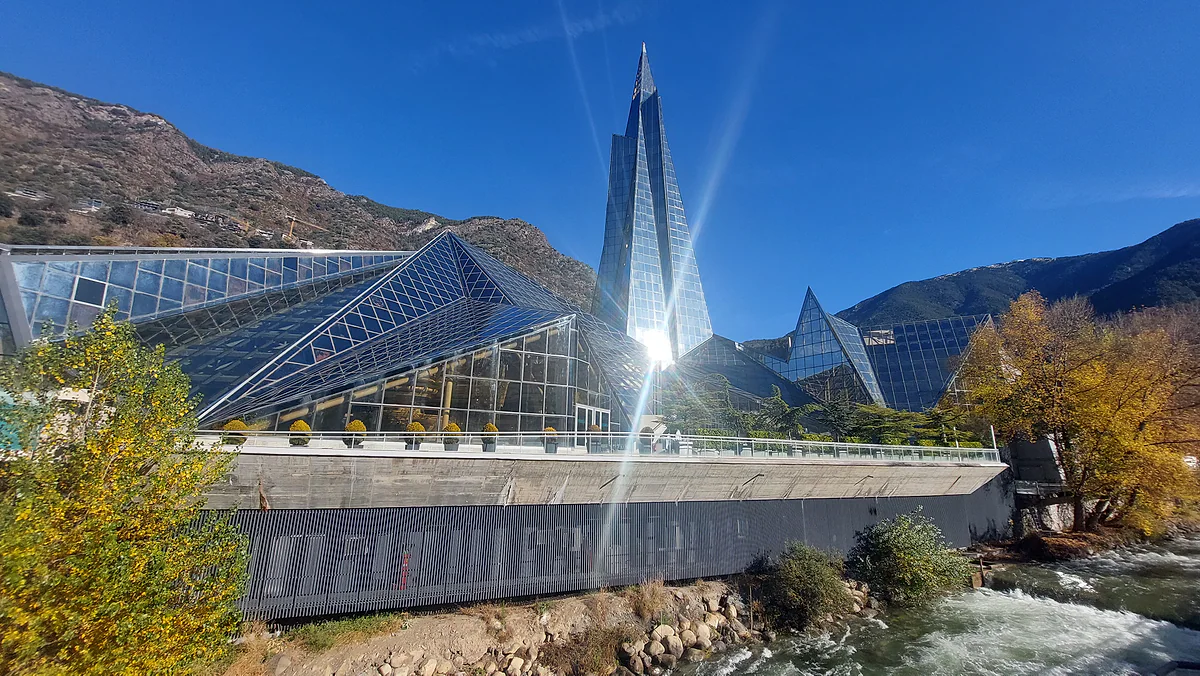
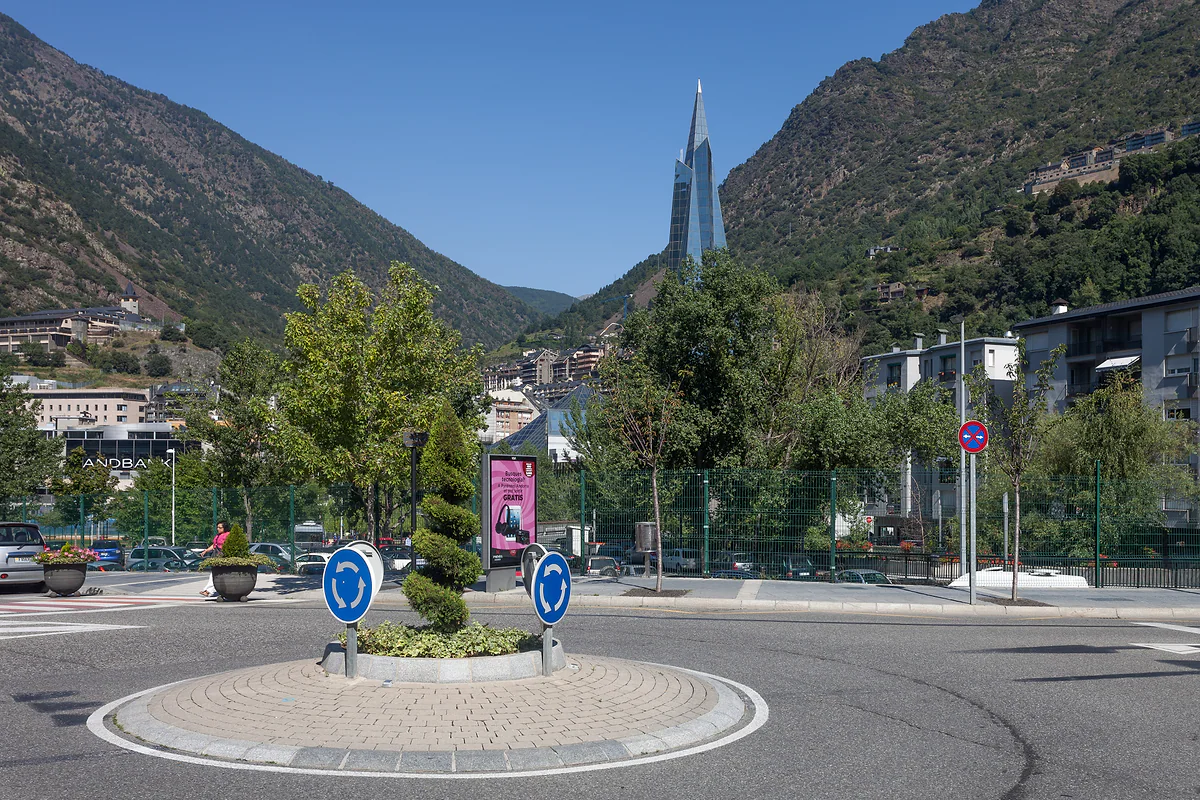
What shaped it is the water. Under the upper town runs a fault that releases sulphurous water at 68 to 71 °C, the Roc del Metge spring, which Andorra Turisme lists among the hottest in Europe. The name recalls a French doctor who owned the land. In 1987 the council chose to exploit it and build Caldea, whose glass spire now shows up from half the parish.
A free wander round the upper town
I’d start at Plaça Santa Anna, home of the tourist office, and head down to the river. Between the Tosca bridge and the Engordany bridge, both medieval in origin, sits Espai Caldes, an arts space of over 400 m² with a glass viewpoint hanging over the Valira. You have to ring (+376) 890 897 to arrange a visit, so I’d call the day before.
The same streets carry “El agua y la forma”, Javier Balmaseda’s public artwork of fountains, pipes and washhouses, a reminder of where the town’s money came from. It ends at Plaça del Madriu with a fountain made of bathtubs. The Escaldes-Engordany Art Centre, a granite building from 1932-1934, holds sculptures by Josep Viladomat and scale models of Andorra’s Romanesque churches. In the centre, Sant Pere Màrtir is a 20th-century neo-Romanesque church with a ceramic façade by Sergi Mas.
If you like an unhurried stroll, the Engordany heritage walk starts from the same square and shows you rural Andorra in the early 1900s, with barely 60 m of climbing.
Is Engolasters worth the drive up?
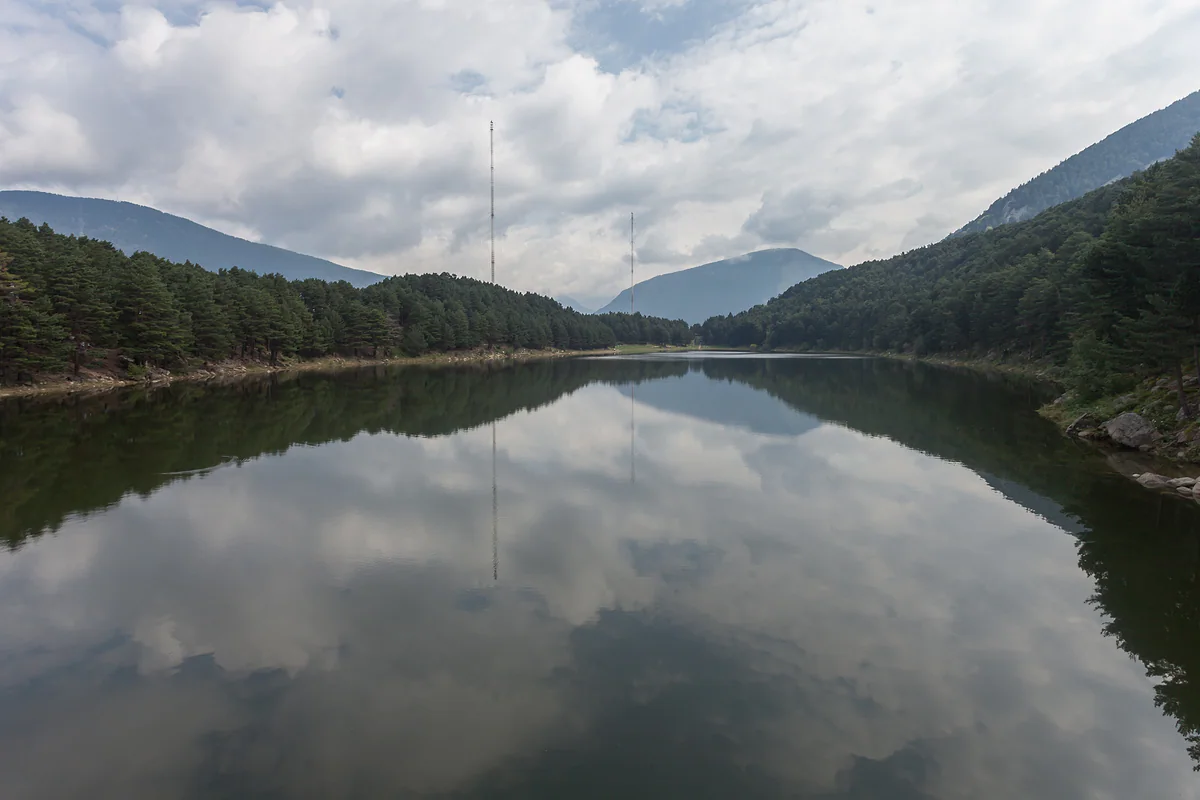
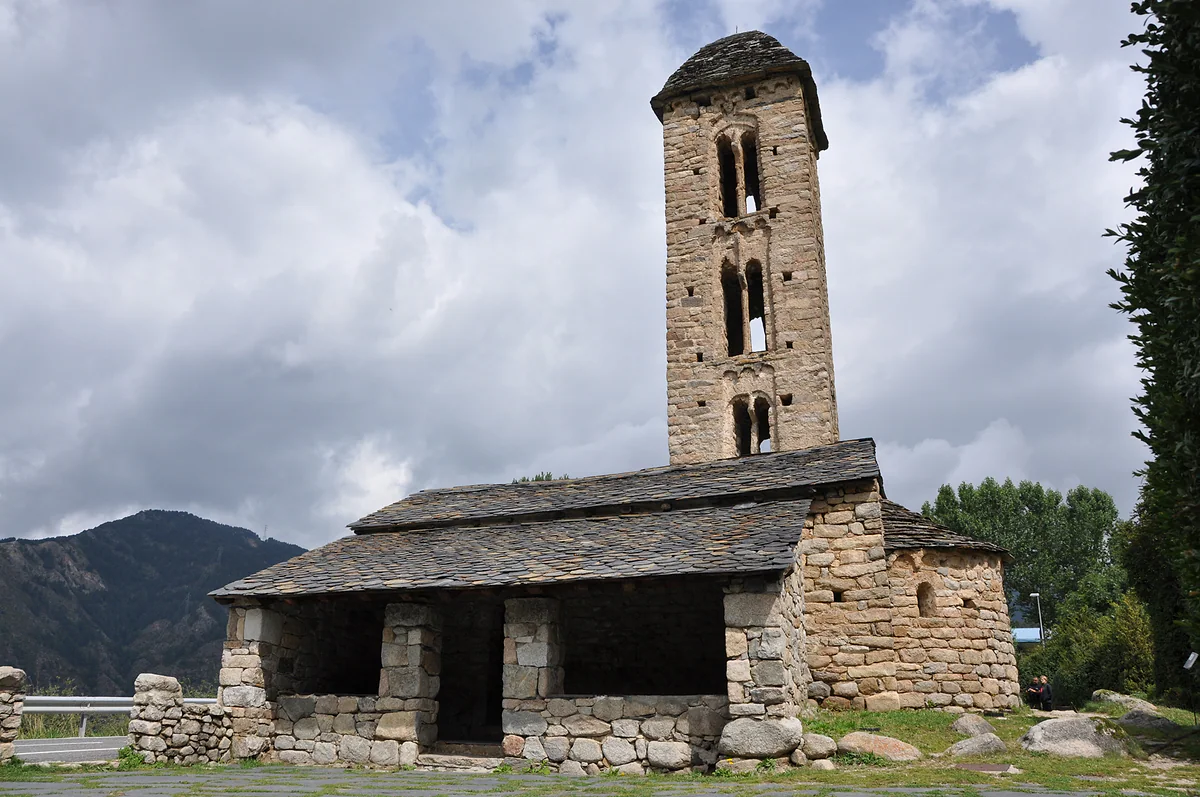
Yes, and it’s what lifts Escaldes above a shopping district. The CS-200 climbs to a plateau of old barns where you’ll find Sant Miquel d’Engolasters, a 12th-century church with a 17 m bell tower, and Engolasters lake, 7 ha of water ringed by pines. Andorra Turisme points out that Engolasters isn’t really a village. For me it’s the parish’s best summer balcony, though swimming is banned because FEDA draws water from it.
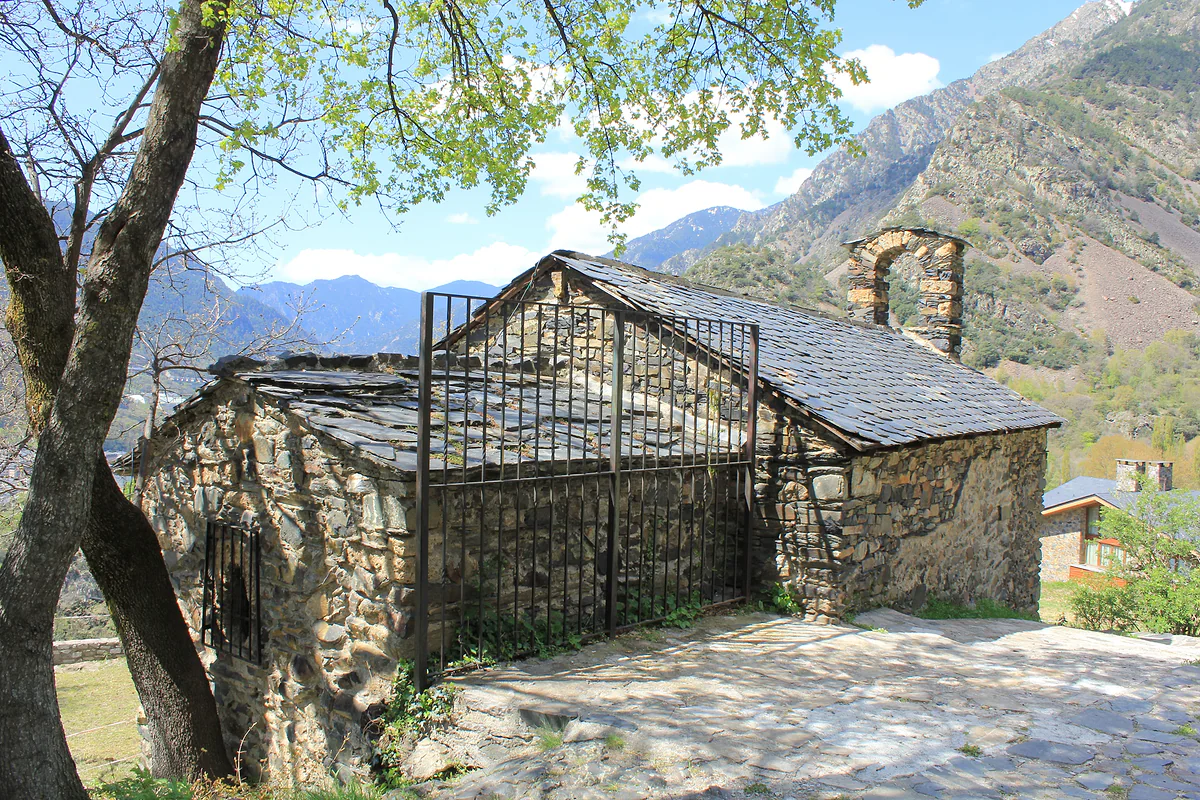
Closer to town, Els Vilars keeps Sant Romà dels Vilars, a pre-Romanesque church from around the 10th century, with a viewpoint at 1,131 m over Escaldes and the capital. It’s a short walk up from Caldea.
The gateway to the Madriu
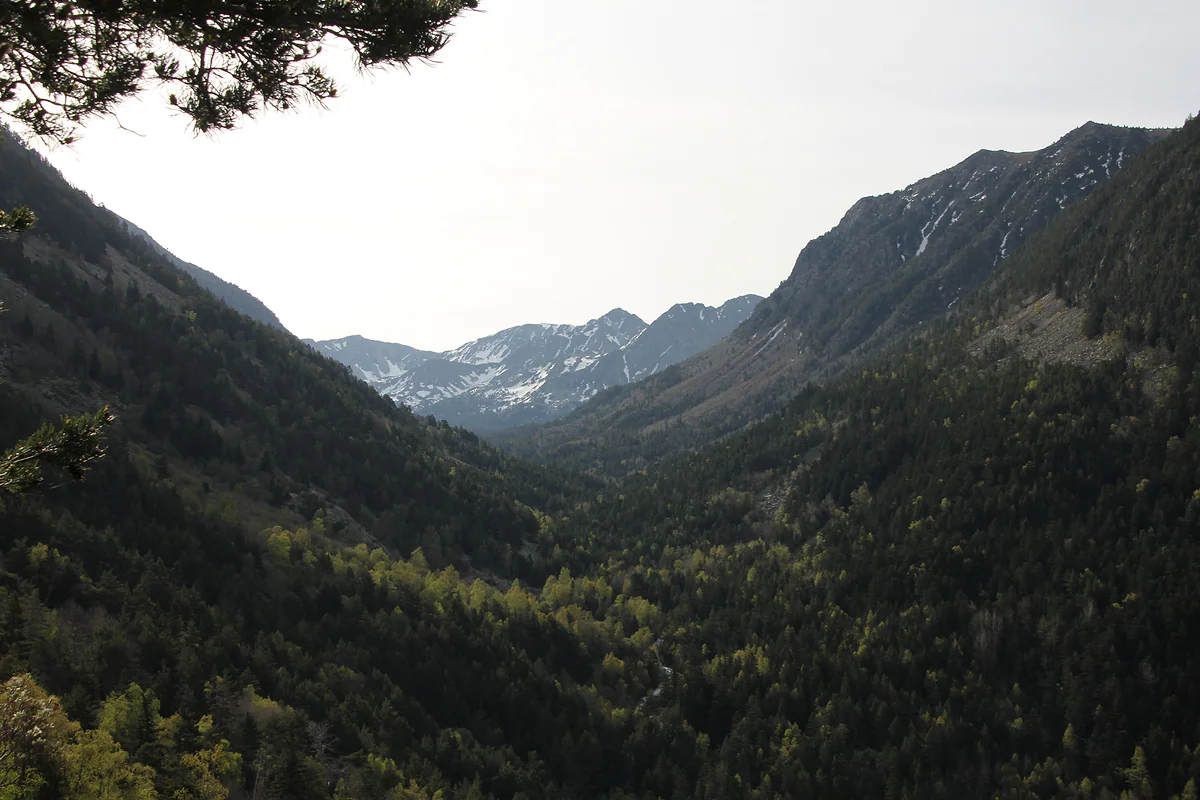
The Madriu-Perafita-Claror valley takes in 4,247 ha, nearly a tenth of Andorra, and has been a World Heritage Site since 2004. Four parishes share it, but nearly everyone goes in from Escaldes. The busiest entrance is the Camí de la Muntanya, which starts by the junction of the Engolasters and Plana roads, with a barrier car park alongside. By bus, the La Plana stop is 200 m away.
The valley’s visitor centre moved on 1 October 2025 to Borda Gabriel, on Carrer de l’Obac, within the parish itself. It opens Monday to Friday and entry is free. On a first visit I’d drop in so they can match a route to the time you have.
Shopping, buses and where to stay
Avinguda Carlemany and Vivand make up the Escaldes half of The Shopping Mile, and the upper town still has long-standing family shops, including several model shops on Avinguda Escoles and Carrer Picó. The L1, the Bus Exprés and the night bus link the parish with Andorra la Vella and Sant Julià.
For a bed, I’d look in the upper town if the plan is spa and mountains, and I go into more detail in hotels in Escaldes-Engordany. The 2026 Andorra Trail, dated 9 to 11 October, has its start and finish here, and rooms get scarce on race weekends, so book early if your dates overlap. Caldea isn’t the only place for thermal water, and I compare the rest in spas in Andorra.
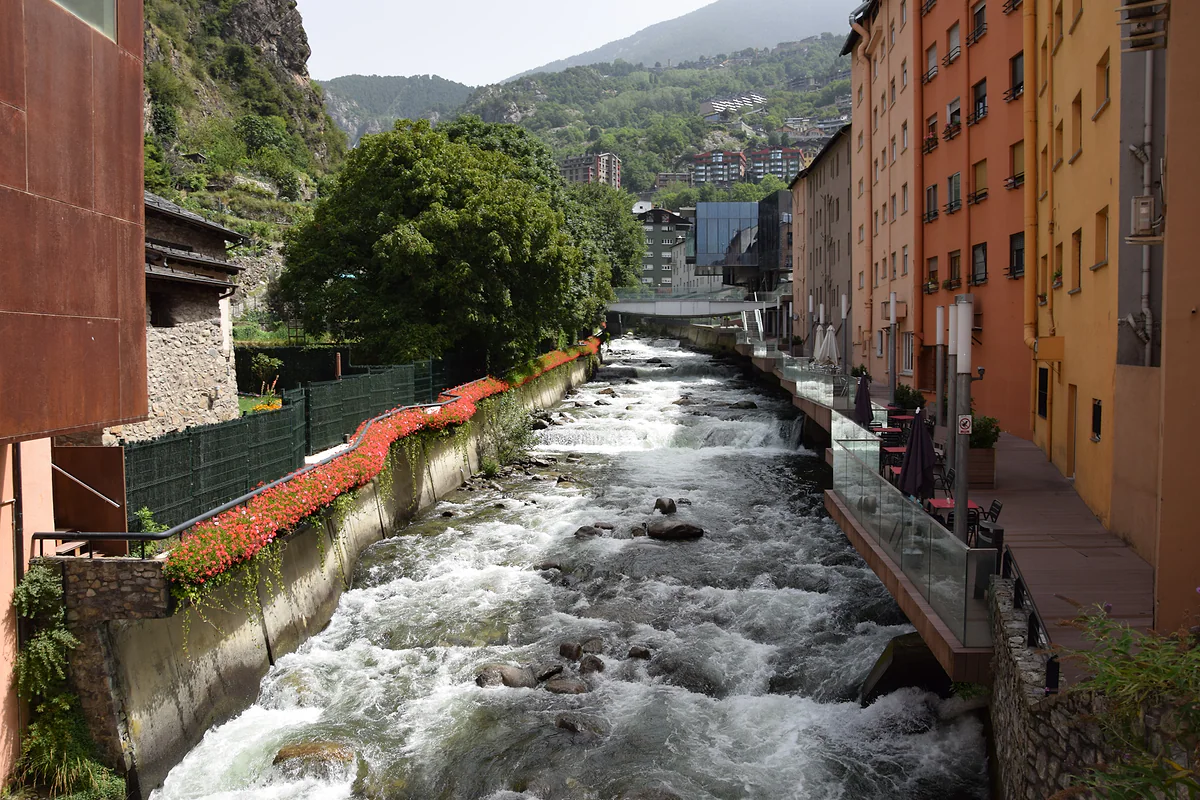
The Valira tumbling between the buildings of Escaldes-Engordany, flowers lining the railings
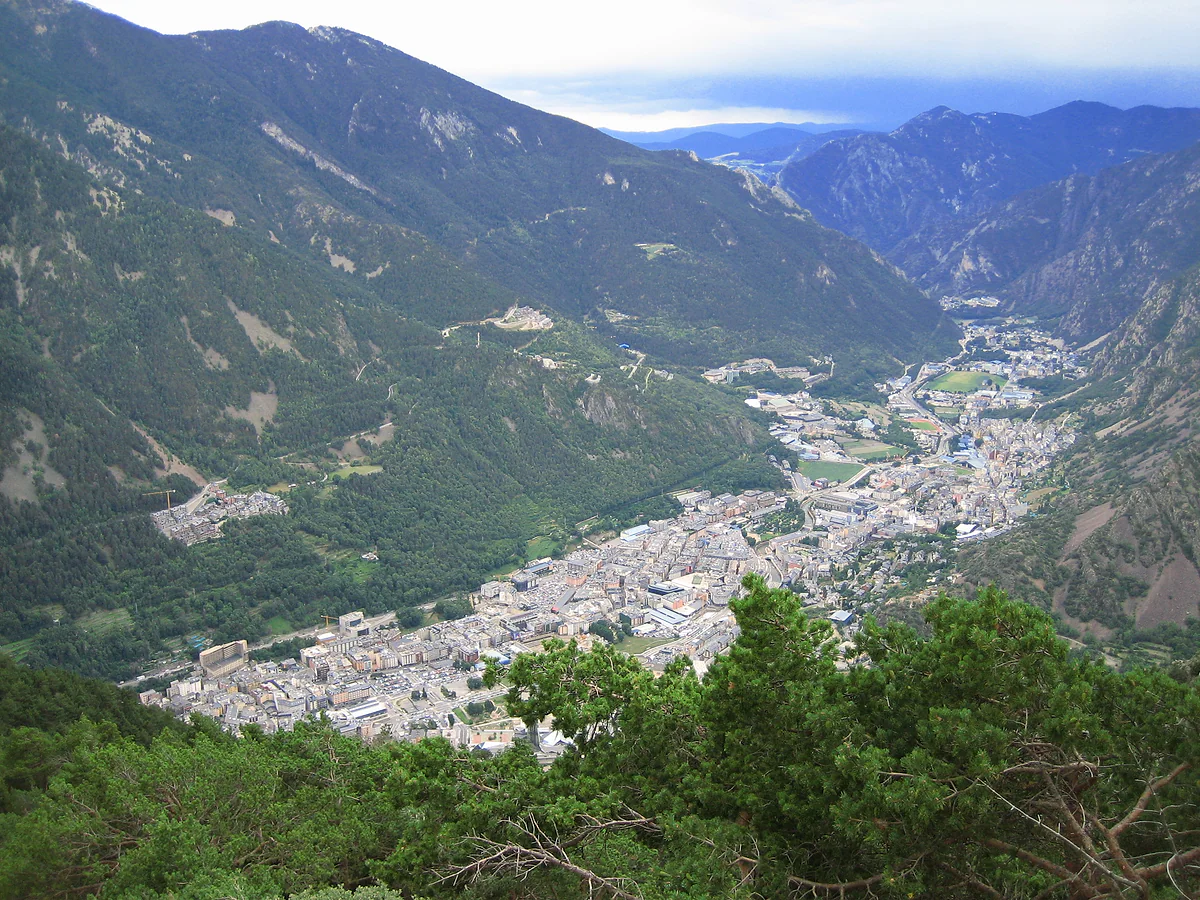
Andorra la Vella and Escaldes-Engordany seen from the summit of Pic de Padern above Anyós on a clear day
Escaldes-Engordany area by area
Area
What's there
Time
Upper town and spa quarter
Caldea, Espai Caldes, Tosca and Engordany bridges, Art Centre
Half a day
Engordany
Engordany heritage walk, Sant Jaume and its viewpoint
1 hour
Els Vilars
Sant Romà dels Vilars and a viewpoint at 1,131 m
1 to 2 hours
Engolasters
Lake, Sant Miquel church and the Madriu entrance
Half a day
Vivand and Avinguda Carlemany
Part of The Shopping Mile
As long as your card lasts
Areas as described by Andorra Turisme, checked on 29-09-2026. The Comú doesn't publish an official list of districts.
The parish in numbers
Fact
Figure
Source
Residents on 31-8-2026
16,347 (18.1% of Andorra)
Andorran Statistics, 15-09-2026
Year created
1978
Andorra Turisme
Water temperature at the Roc del Metge
68-71 °C
Andorra Turisme
Madriu valley
4,247 ha, UNESCO 2004
madriu-perafita-claror.ad
Checked on 29-09-2026.
Test yourself
True or false?
0/4Pick before you peek.
Escaldes-Engordany is one of Andorra's original medieval parishes.
See the answer
False. It's the seventh and last to be created, in 1978, when it split from Andorra la Vella. Until then the country had six parishes.
The thermal water in Escaldes comes out of the ground above 65 °C.
See the answer
True. Andorra Turisme gives 68 to 71 °C at the Roc del Metge spring, and Caldea cools it to 34-37 °C before it reaches the lagoons.
You can drive into the Madriu valley from Escaldes.
See the answer
False. Its official website describes it as a walkers' landscape where vehicle access is banned. From Escaldes you go in on foot.
The parish name joins two settlements that were separated by a bridge.
See the answer
True. Escaldes and Engordany sat either side of the Engordany bridge, rebuilt in 1785 after a flood.
Residents on 31 August 2026
16,347
Year the parish was created
1978
Water temperature at the Roc del Metge
68-71 °C
Madriu valley, World Heritage Site
4,247 ha
Map
Where Escaldes-Engordany is
The dashed line is the border with France and Spain. The Valira valley runs down from Pas de la Casa to Sant Julià, with Ordino and La Massana in the northern valley. Every number opens its guide.
Caldea and the spa quarter with the Tosca and Engordany bridges, the church of Sant Miquel d'Engolasters, Engolasters lake and the entrance to the Madriu valley. With more time, add Sant Romà dels Vilars and the Engordany heritage walk.
Is Escaldes-Engordany part of Andorra la Vella?
No, it's a separate parish with its own council, although the two towns run into each other. Escaldes-Engordany split from Andorra la Vella in 1978, the last parish to be created.
Is Escaldes-Engordany a good base for a holiday in Andorra?
For a spa break or a walking holiday, yes. You have Caldea on foot, the Madriu on your doorstep and buses to the capital. For a week of skiing I'd rather sleep next to a lift.
How many people live in Escaldes-Engordany?
16,347 on 31 August 2026, according to the Andorran statistics office. That's 18.1% of the population and makes it the second most populous parish after Andorra la Vella.
How do I walk into the Madriu valley from Escaldes?
The main entrance is the Camí de la Muntanya, about 50 m from the junction of the Engolasters and Plana roads, with a car park beside it. By bus, the La Plana stop is 200 m away.
Where is the tourist office in Escaldes-Engordany?
At Plaça Santa Anna 1, phone (+376) 890 881. It's also the starting point for the Engordany walk and for the Coronallacs trek.
Tourism graduate with a master’s in Tourism Management and Planning from the University of Málaga, who has travelled across Europe. He writes every guide from official sources and his own judgement.

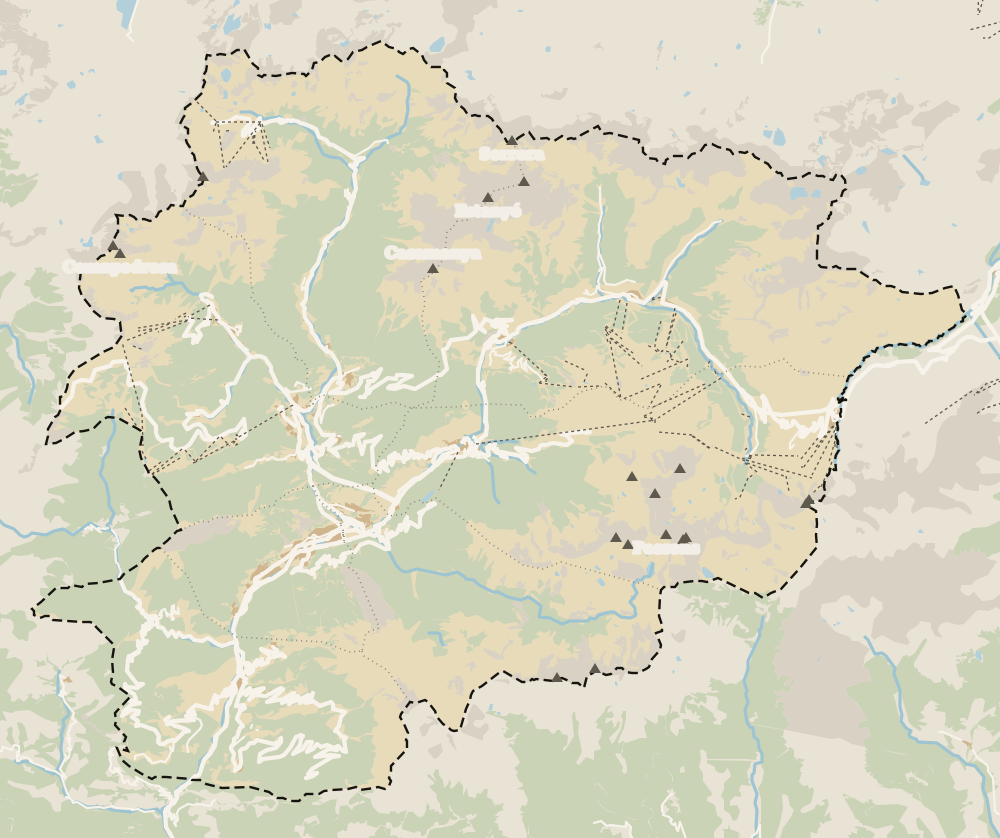 1Escaldes-Engordany 2Avinguda Carlemany (Vivand) 3Engordany 4Els Vilars 5Caldea 6Engolasters lake 7Sant Miquel d'Engolasters 8Madriu valley