Surrendered of its own accord in 1463
Faetano, the gypsum-top castello that gave itself up
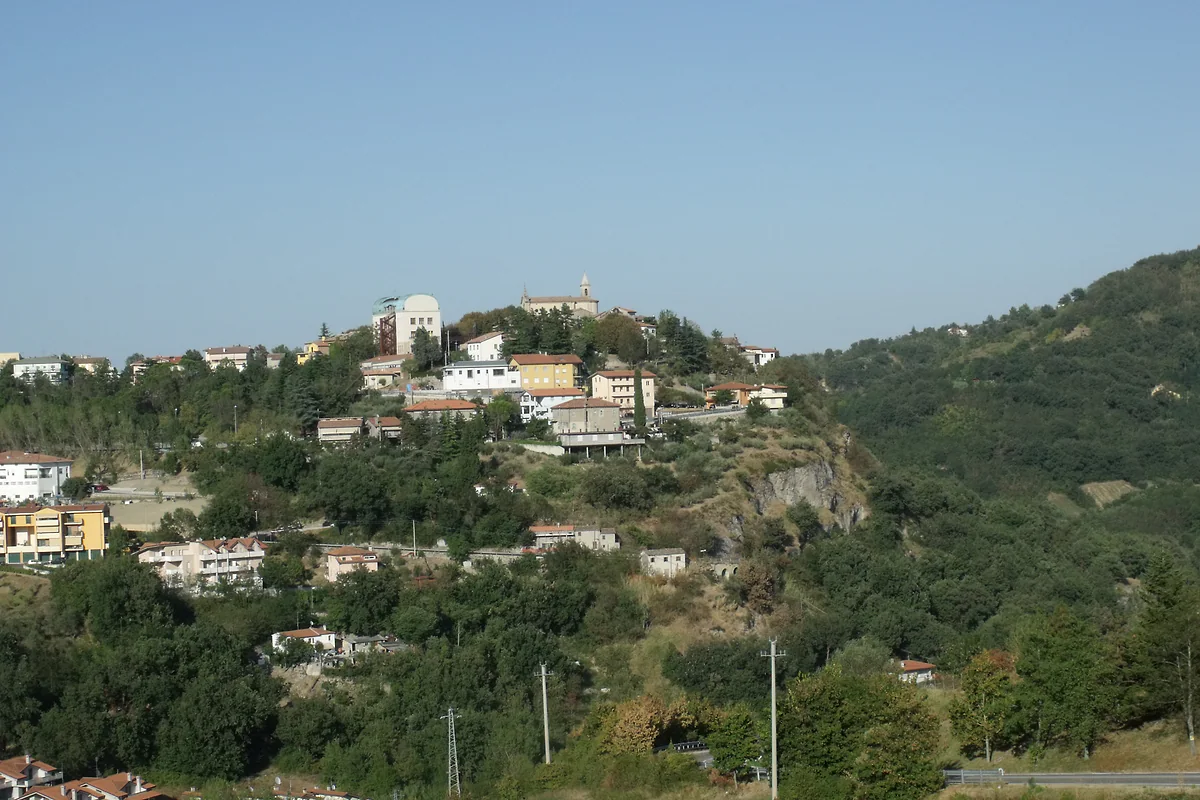
Faetano is the castello in the east of San Marino, with 1,204 residents on 30 June 2026 and 7.75 km². It sits on a gypsum spur above the Marano stream, has a beech tree on its coat of arms and in 1463 handed itself over to the Sammarinese troops. Its draw today is the Parco del Marano, with a fishing lake by the border.
In 30 seconds
Full read: 3 min
- Faetano is a castello in eastern San Marino with 1,204 residents and 7.75 km².
- Its name comes from the beech tree, which is still on its coat of arms.
- In 1463 it surrendered of its own accord to the Sammarinese troops.
- The thing I'd go for is the Parco del Marano, with a riverside path and a fishing lake.
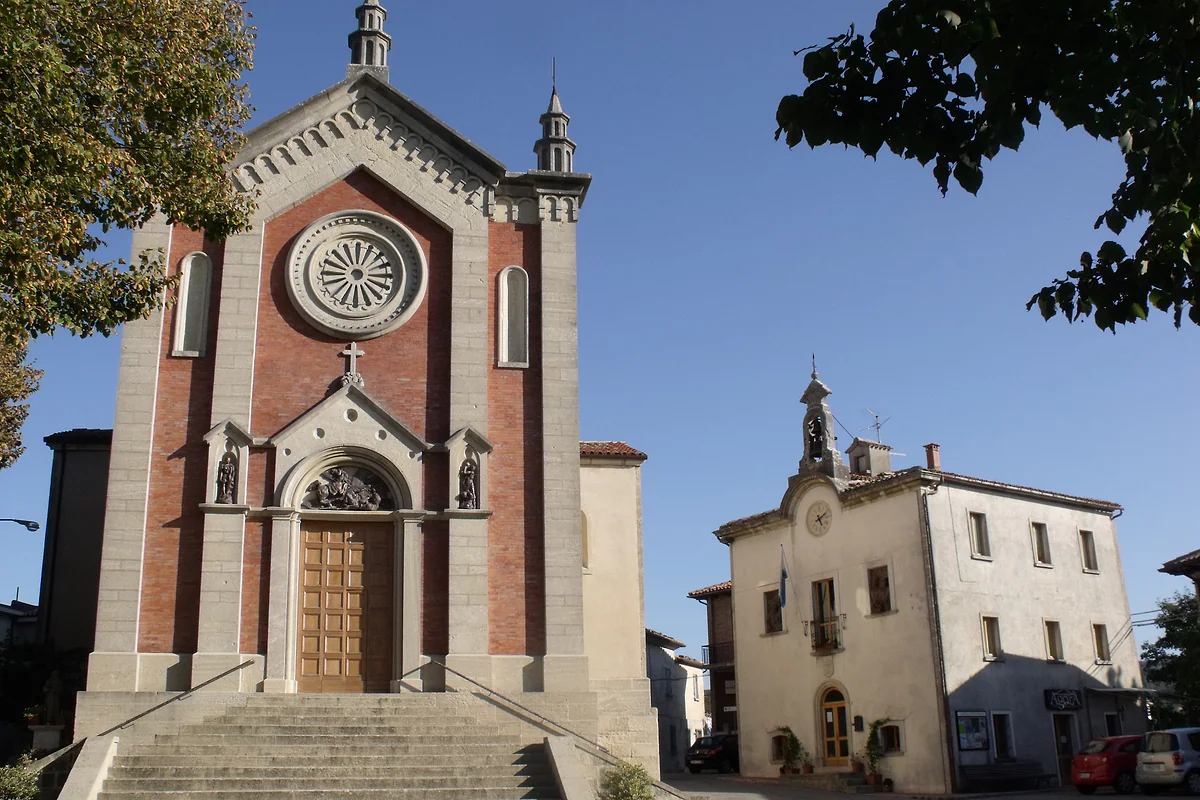
Faetano is a place for an unhurried walk. I'd come along the Parco del Marano path, which the government itself pitches as a long country stroll, and stop in the square to look at the Casone's little tower.

Before you go
What I would keep in mind
-
01 Most beautiful
Parco del Marano, along the river
A green strip following the Marano on the San Marino side, with a path for long walks out of the village. The government says it's often used for local festivals.
-
02 My tip
The country's oldest clock is in the Casone
According to Wikipedia, the little tower of the Casa del Castello, known locally as the Casone, holds the Republic's oldest clock, brought from the Parva Domus in the capital.
-
03 Getting there
Lines 3D and 3S loop round the south
They leave car park P2 in the City and circle through Borgo Maggiore, Ca' Rigo, Faetano, Ca' Chiavello, Montegiardino and Fiorentino on weekdays.
getting around San Marino
Faetano wasn’t won in battle; it gave itself up. In 1463, in the thick of the war between the Malatesta lords of Rimini and Pope Pius II, this castello handed itself over to the Sammarinese troops, who were on the Church’s side, and it has belonged to the Republic ever since. Today it’s a quiet village in the east, perched above the Marano valley, and what it offers a traveller is mostly landscape.
A village on gypsum
The castello council describes it clinging to a massive spur of gypsum rock that drops sheer to the Marano stream. The settlement may go back to Roman times, as «castrum faitani» or «Fegetani», from «faggio», the beech tree. The assumption is that beech woods once covered the area, though they’ve almost disappeared. The tree survives on the coat of arms, and I have a soft spot for villages that keep a lost landscape on their flag.
Wikipedia adds that in the 13th century Faetano belonged to the municipality of Rimini, and because of those roots its two parishes stayed in the Rimini diocese for more than five centuries, until 1977. It’s a neat illustration of how slowly some borders settle round here. The story of the five castelli gained in 1463 is in San Marino’s castelli.
Gullies, few houses and plenty of countryside
With 1,204 residents on 30 June 2026 over 7.75 km², Faetano is one of the least built-up castelli. The government puts that down to the terrain, full of calanchi, the clay gullies carved by streams running down to the Marano. People once lived off cereals, fodder, gypsum quarrying and brick kilns. These days most jobs are in the Ca’ Chiavello industrial area, with ceramics, chemicals and plastics, and one of the country’s banks has its head office here.
What to see in Faetano
The square is the heart of it all. It has the church of St Paul the Apostle, consecrated in 1917, and the Casa del Castello, nicknamed the Casone, which houses the library and a youth club. According to Wikipedia, its small stone tower holds the Republic’s oldest clock, brought from the Parva Domus in the capital. On the edge of the village is the school, a large building from the Fascist era that gained two extra floors in the 1950s.
The thing I’d seek out, though, is the Parco del Marano. The government describes it as a green area following the river along its San Marino stretch, with a path laid out for long walks beyond the village, and says it’s often used for festivals. Beside the Marano road there’s also Lake Faetano, a man-made fishing lake. Wikipedia gives its size as 120 metres by 40, opened in 1971, just 40 metres from Italy. For more walks, see San Marino’s walking trails.
Festivals
In the official 2024 calendar, Faetano held its Madonna festival on 18 and 19 May and its castello festival from 5 to 7 July. With no 2026 calendar published, I’d check with the council. There’s a crossbow connection too, as Faetano won the Torneo dei Castelli in 2005, which might lead you to the Cava dei Balestrieri if target shooting interests you.
Getting there
By bus, the circular AASS lines 3D and 3S leave car park P2 in the City and link Borgo Maggiore, Ca’ Rigo, Faetano, Ca’ Chiavello, Montegiardino and Fiorentino, on weekdays. At other times the SMUVI on-demand minibus covers the same stops. A car is the easiest way to combine it with the southern castelli; details are in getting around San Marino.
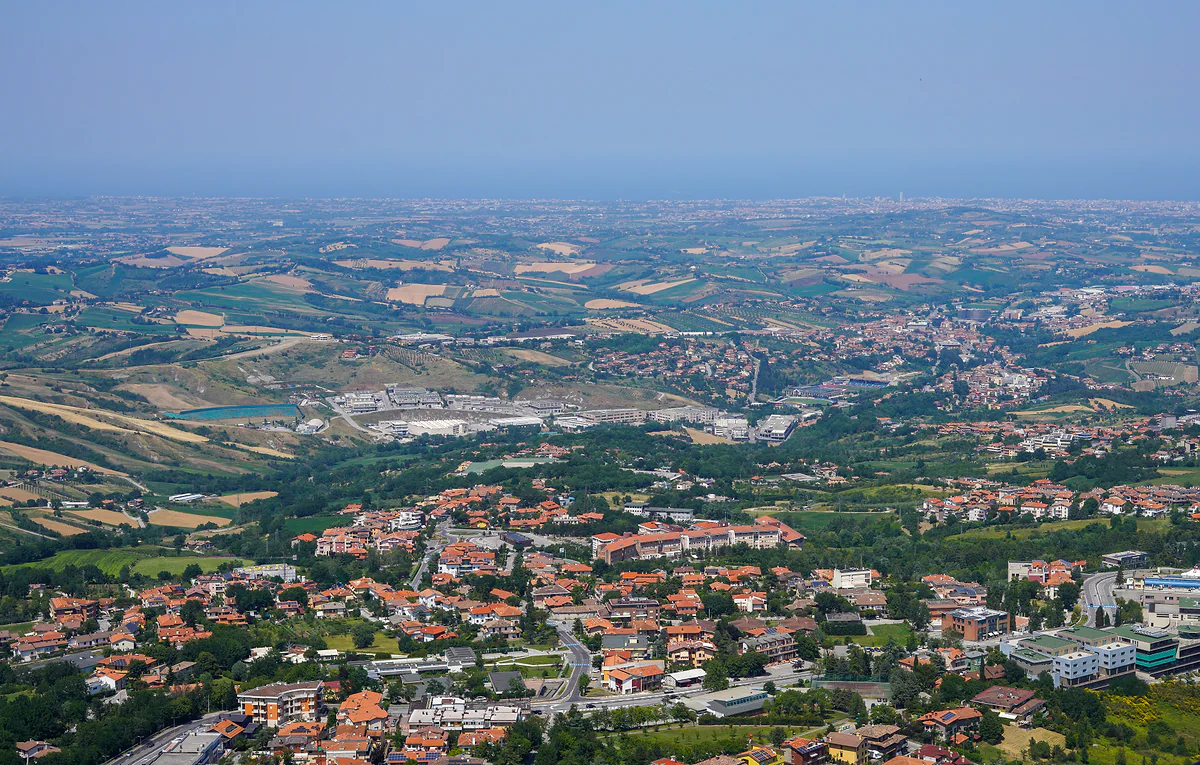
Borgo Maggiore and the Rimini plain seen from Monte Titano, stretching all the way to the Adriatic coast on the horizon.
Faetano at a glance
| Fact | Figure | Source |
|---|---|---|
| Residents on 30 June 2026 | 1,204 | Statistics Bulletin |
| Area | 7.75 km² | Government of San Marino |
| Church of St Paul the Apostle | Consecrated 1917 | Government of San Marino |
| Fishing lake | Opened 1971, 120 × 40 m | Wikipedia |
| Highest point | Montelupo, 258 m | Wikipedia |
In 2024 the castello festival ran from 5 to 7 July and the Madonna festival on 18 and 19 May, per the official calendar. No 2026 calendar has been published.
Test yourself
True or false?
0/3 Pick before you peek.
-
San Marino took Faetano by force.
See the answer
False. The castello's page says that in 1463, during the war between the Malatesta and Pope Pius II, it surrendered spontaneously to the Sammarinese troops.
-
Faetano's coat of arms features a beech tree.
See the answer
True. The name comes from «faggio», beech, and the tree remains on the coat of arms even though it has nearly disappeared locally.
-
Faetano's parishes belonged to the diocese of Rimini until the 1970s.
See the answer
True. According to Wikipedia, because of their Riminese origins they stayed in that diocese for more than five centuries, until 1977.
- Residents on 30 June 2026
- 1,204
- Area of the castello
- 7.75 km²
- Year it became part of San Marino
- 1463
- Consecration of the church of St Paul
- 1917
Map
Where Faetano is
Every number opens its guide. The towers sit on the ridge, the city beside them and Borgo Maggiore below, linked by the cable car.
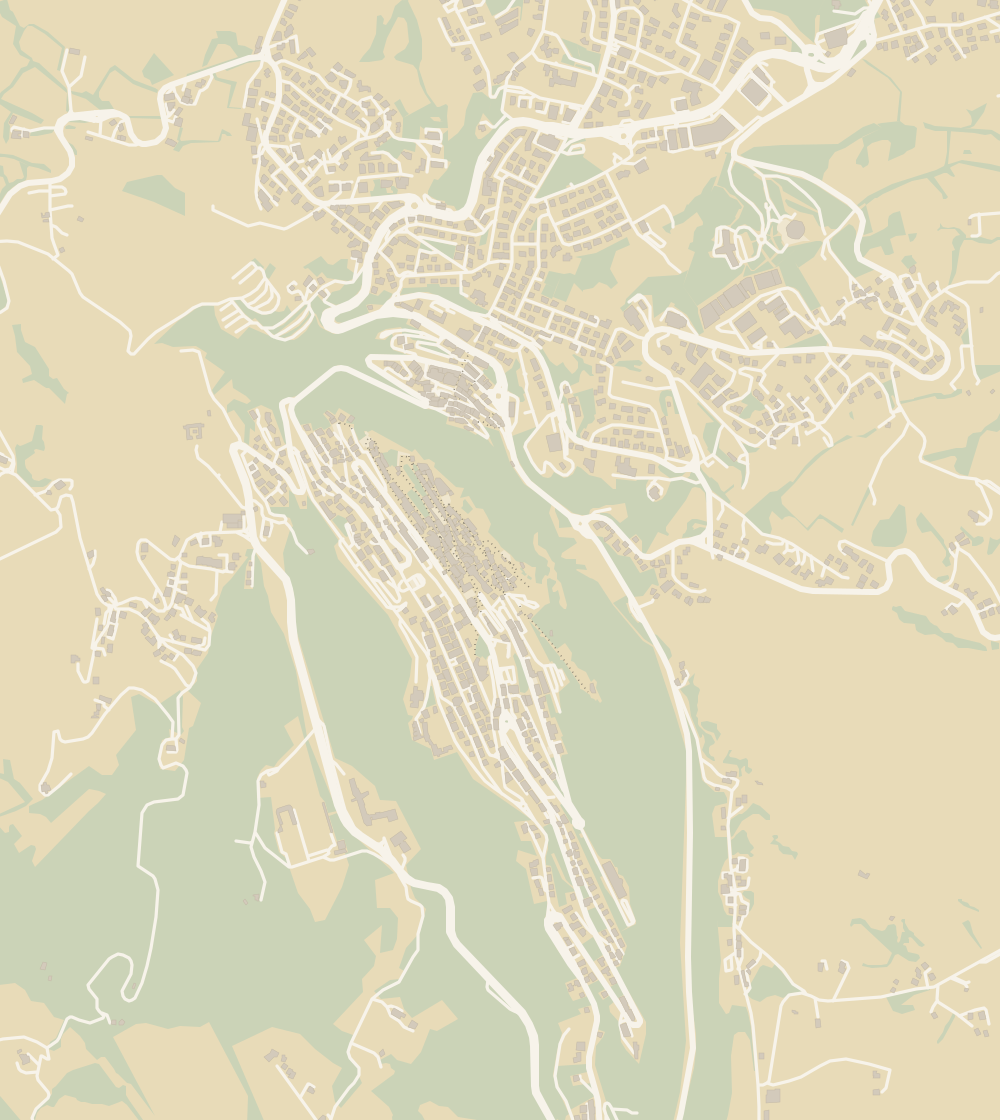 1The Three Towers 2Guaita Tower 3Cesta Tower and Arms Museum 4City of San Marino 5Montale Tower 6Borgo Maggiore 7Witches' Passage 8Palazzo Pubblico 9Changing of the guard 10Basilica of Saint Marinus 11Mount Titano 12Museums 13State Museum 14San Francesco Art Gallery 15Torture Museum 16Cable car (funivia) 17Quirky museums 18Stamp and Coin Museum 19National Gallery 20Valdragone 21San Giovanni sotto le Penne 22Medieval Days 23Christmas 24Hotel Titano 25Grand Hotel San Marino 26Hotel Rosa 27Hotel Crocenzi 28Hotel La Rocca 29Porta San Francesco 30Cava dei Balestrieri 31Map 32Teatro Titano 33Church of San Quirino 34Trenino Bianco Azzurro 35Consolazione Sanctuary 36University 37Prison 38Piazza della Libertà
 Map data © OpenStreetMap contributors (ODbL)
- 1The Three TowersTwo open inside, the third only from outside
- 2Guaita TowerAn 11th-century fortress that was a jail until 1970
- 3Cesta Tower and Arms MuseumThe top of Mount Titano, at 755 metres
- 4City of San MarinoWorld Heritage since 2008
- 5Montale TowerNo ticket, no hours, no pass
- 6Borgo MaggioreA cable car to the capital every 15 minutes
- 7Witches' PassageAbout 200 metres of battlements, no ticket
- 8Palazzo PubblicoClosed for restoration in 2026
- 9Changing of the guardNo timetable in any reliable source
- 10Basilica of Saint MarinusNeoclassical, begun in 1826, free to enter
- 11Mount Titano755 metres at the top of the Cesta
- 12MuseumsOne €11 ticket, seven venues
- 13State MuseumOpen to the public since 1899
- 14San Francesco Art GalleryIn the Franciscan cloister since 1966
- 15Torture MuseumMore than 100 original instruments
- 16Cable car (funivia)Closed from 21 to 23 October 2026
- 17Quirky museumsThree private museums with their own websites
- 18Stamp and Coin MuseumStamps since 1877, on the €11 pass
- 19National GalleryOpened on 7 July 2018
- 20ValdragoneA curazia of Borgo Maggiore
- 21San Giovanni sotto le PenneA curazia of Borgo Maggiore, below the towers
- 22Medieval DaysJuly, the old town and free entry
- 23Christmas28 November to 6 January, with a caveat
- 24Hotel TitanoOpen since 30 September 1894
- 25Grand Hotel San MarinoA hot tub on the third-floor terrace
- 26Hotel RosaFamily-run and open all year since 1965
- 27Hotel Crocenzi1 km from the cable car, 3 km from the old town
- 28Hotel La RoccaNot the Rocca, but on the road up to it
- 29Porta San FrancescoA guard post since 1361
- 30Cava dei BalestrieriThe crossbowmen's range since 1965
- 31MapNine castelli in 61 km²
- 32Teatro Titano2026-27 season from 22 October
- 33Church of San QuirinoOn the 5-cent coin
- 34Trenino Bianco AzzurroRimini to the City, 1932 to 1944
- 35Consolazione SanctuaryConsecrated on 11 June 1967
- 36UniversityCreated by law on 31 October 1985
- 37PrisonEmpty on the day the European inspectors arrived
- 38Piazza della LibertàIt used to be called the Pianello
What to see
What to see in Faetano
0 of 108 San Marino guides
Your next stamp
- Lake Faetano
- History
- City of San Marino
- Fiorentino
- The 9 castelli
- Chiesanuova
- Things to do
- One day
- Two days
- The Three Towers
- Guaita Tower
- Cesta Tower and Arms Museum
- Montale Tower
- Borgo Maggiore
- Witches' Passage
- Palazzo Pubblico
- Serravalle
- Changing of the guard
- Dogana
- Acquaviva
- Basilica of Saint Marinus
- Mount Titano
- Domagnano
- Montegiardino
- Museums
- State Museum
- San Francesco Art Gallery
- Torture Museum
- Cable car (funivia)
- Quirky museums
- Viewpoints
- Murata
- Stamp and Coin Museum
- Walking trails
- Cailungo
- National Gallery
- Valdragone
- Best time to visit
- Getting there
- Ventoso
- Rimini to San Marino
- San Giovanni sotto le Penne
- Weather
- Getting around
- In winter
- With kids
- In summer
- Parking
- Passport stamp
- Rainy day
- Nightlife
- Phone and roaming
- Casino
- Gualdicciolo
- Money
- Coins and stamps
- Torraccia
- Falciano
- Shopping and tax-free
- Rovereta
- Events
- Beaches
- Medieval Days
- Christmas
- MotoGP
- Where to stay
- Hotel Titano
- Where to eat
- Food
- Grand Hotel San Marino
- Luxury hotels
- Free and cheap
- Hotel iDesign
- Day trips
- Hotel Rosa
- Safety and rules
- Hotel Crocenzi
- Language
- Entry requirements
- Hotel La Rocca
- Healthcare and emergencies
- Plugs and voltage
- Is it a country?
- Opening hours
- Porta San Francesco
- Tap water
- Cava dei Balestrieri
- Map
- Post office
- Cost of a trip
- Flag
- Teatro Titano
- Accessibility
- Church of San Quirino
- Captains Regent
- Trenino Bianco Azzurro
- With a dog
- Consolazione Sanctuary
- Facts
- University
- Weddings
- Wine
- Prison
- Camping
- Piazza della Libertà
- Is it worth visiting?
- Constitution
Frequently asked questions
Where is Faetano in San Marino?
In the east of the country, above the valley of the Marano stream, which forms the border with Italy. It borders Montegiardino, Fiorentino, Borgo Maggiore and Domagnano, plus the Italian municipalities of Coriano, Montescudo and Sassofeltrio.
What is the population of Faetano?
1,204 residents on 30 June 2026 across 7.75 km². The government counts it among the least built-up castelli because of its many gullies.
What is there to see in Faetano?
The Parco del Marano and its riverside path, the man-made fishing lake, and the square with the 1917 church of St Paul and the Casone, the castello's town hall.
What does Faetano mean?
It comes from «faggio», Italian for beech. The old name was «castrum faitani» and the beech is still on the coat of arms, even though the tree has almost vanished from the area.
Can you fish at Lake Faetano?
It's a man-made sport fishing lake beside the Marano road. According to Wikipedia, trout are fished in winter and other species the rest of the year, and the San Marino angling federation is based there.
By
Tourism graduate with a master’s in Tourism Management and Planning from the University of Málaga, who has travelled across Europe. He writes every guide from official sources and his own judgement.
Published on . Facts checked on .
Sources
Photos: LigaDue (CC BY 3.0); Messapi (CC BY 4.0), via Wikimedia Commons.